Source Wall Mounted Waterproof LCD Display for Outdoor, Indoor, Semi Outdoor
Compare 30 Wall Mounted Waterproof LCD Display units from verified suppliers. Options include semi outdoor AD players and indoor signage with varying screen sizes, resolutions, and brightness levels to suit diverse commercial needs; compare the available evidence and request quotations based on your requirements.
Updated
Key considerations
Products List


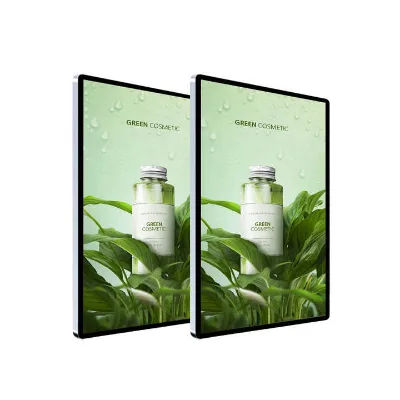


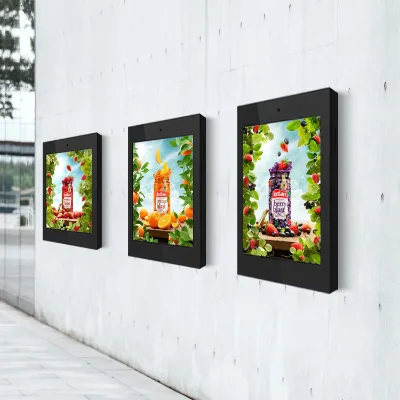
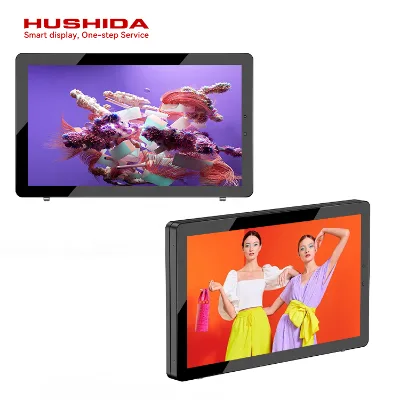
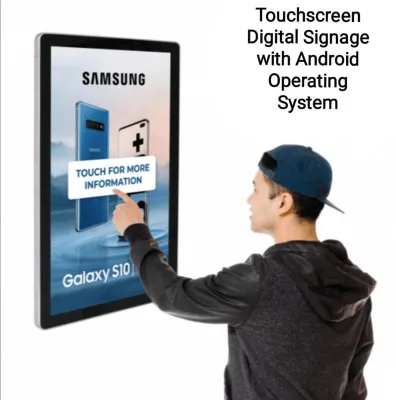
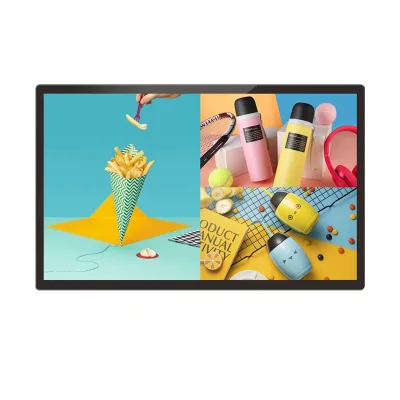
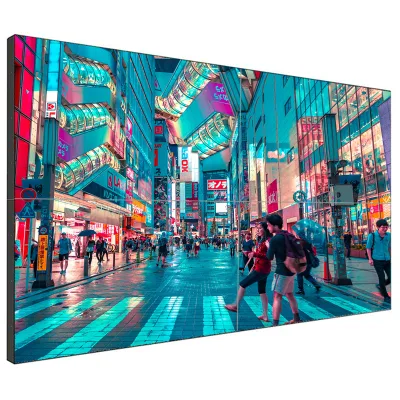
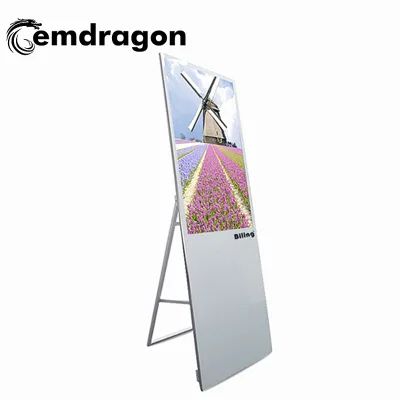
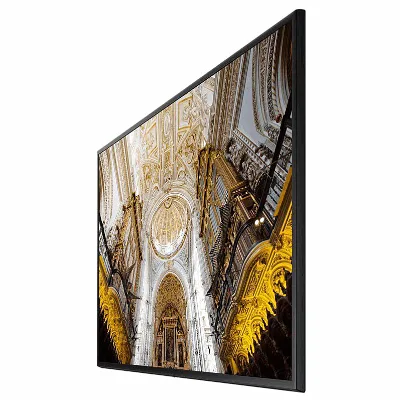
Comprehensive Sourcing Guide
Wall Mounted Waterproof LCD Display Sourcing Guide
Procuring wall-mounted waterproof LCD displays requires a careful balance between environmental resilience and visual performance, particularly for semi-outdoor or high-traffic indoor environments. Buyers must first distinguish between standard indoor units and those engineered for harsher conditions, as the latter often command a premium due to specialized materials and enhanced cooling systems. The core challenge lies in selecting a display that maintains brightness and clarity while resisting moisture, dust, and physical impact, ensuring long-term reliability without frequent maintenance interventions.
This guide focuses on verifying critical attributes such as IP65 waterproof ratings, IK10 vandal-proof glass, and high-nit brightness levels suitable for ambient light conditions. It also addresses the importance of verifying installation methods, including ceiling or wall mounting options, and ensuring compatibility with Android-based operating systems for seamless content management. By adhering to these verification steps, procurement teams can mitigate risks associated with premature failure and ensure that the selected digital signage solution meets both aesthetic and functional requirements.
Product Scope and Observed Listing Signals
The observed product range includes models with screen sizes spanning from 32 to 65 inches, catering to diverse spatial requirements. Key specifications highlight resolutions of 1920x1080 for standard models and 3840x2160 for high-definition variants, ensuring crisp content delivery. Brightness levels vary significantly, with some units offering 500 nits for indoor use and others reaching 2500 nits for semi-outdoor applications, directly impacting visibility in different lighting environments. These variations necessitate a clear understanding of the deployment context to avoid under-specifying the hardware.
Installation flexibility is a notable feature, with options for wall-mounted, vertical, and ceiling-mounted configurations. The inclusion of tempered glass, such as 6mm thickness, and specific certifications like CE, FCC, and RoHS, indicates a focus on safety and durability. Models like the YXD55L-CH8 and YXD32S-DWL demonstrate the availability of customized solutions, including free CMS software and remote control capabilities, which streamline operational workflows for end-users managing multiple displays across various locations.
Technical Specifications to Verify
When evaluating technical specifications, buyers should prioritize the panel brand and touch screen type, as these directly influence user interaction and visual quality. Capacitive touch screens are commonly observed, offering responsive input for interactive kiosks or informational displays. Additionally, the presence of an HDMI interface and Android operating system, specifically Android 11, ensures broad compatibility with external devices and access to a wide ecosystem of applications. Verifying the CPU, such as the RK3568, and memory configurations (2GB RAM, 16GB storage) is essential for ensuring smooth performance of content management software.
Brightness control mechanisms, including automatic adjustment, are critical for maintaining optimal visibility and energy efficiency in varying light conditions. For semi-outdoor applications, a brightness of 2500 nits is often necessary to combat glare, while indoor settings may suffice with 500 nits. Buyers must also confirm the display area dimensions, such as 1210x684mm for a 49-inch screen, to ensure proper fit within the intended installation space. Front maintenance access is another key feature to verify, as it simplifies repairs and reduces downtime in hard-to-reach locations.
Compliance and Safety Documentation
Compliance with international standards is non-negotiable for global procurement, ensuring that products meet safety, electromagnetic compatibility, and environmental regulations. Certifications such as CE, FCC, and RoHS are commonly observed, indicating adherence to European and American regulatory frameworks. Buyers should request valid certificates for each model, verifying that they are issued by accredited bodies and are up-to-date. This documentation not only facilitates customs clearance but also provides assurance that the products have undergone rigorous testing for electrical safety and hazardous substance restrictions.
Waterproof and vandal-proof ratings, such as IP65 and IK10, are critical for installations in exposed or high-traffic areas. IP65 ensures protection against dust and low-pressure water jets, while IK10 indicates resistance to significant impact forces. Buyers must verify that these ratings are tested and certified, as they are often marketing claims without substantiation. Additionally, confirming the use of tempered glass and proper sealing techniques is essential to maintain these ratings over time, preventing moisture ingress and physical damage that could compromise the display's functionality and safety.
Cost Drivers and Commercial Terms
Several factors influence the cost of wall-mounted waterproof LCD displays, including screen size, resolution, brightness, and build quality. Larger screens with higher resolutions and brightness levels typically command higher prices, reflecting the increased manufacturing complexity and material costs. The inclusion of specialized features such as automatic brightness control, front maintenance access, and robust mounting brackets also contributes to the overall cost. Buyers should expect a price range that reflects these specifications, with premium models for semi-outdoor use costing significantly more than standard indoor units.
Commercial terms, including minimum order quantities (MOQ) and lead times, vary among suppliers. Observed MOQs are often low, such as 1-2 units, allowing for flexible procurement strategies. However, buyers should negotiate for volume discounts if ordering larger quantities, as this can significantly reduce the per-unit cost. Packaging, typically in plywood cases, is designed to protect the displays during transit, but buyers should confirm that this is included in the quoted price. Understanding these commercial terms helps in budgeting accurately and planning inventory levels effectively.
Supplier Qualification and Quality Control
Supplier qualification is a critical step in ensuring the reliability and consistency of wall-mounted waterproof LCD displays. Buyers should verify the supplier's manufacturing capabilities, including their production lines, quality control processes, and after-sales support. Requesting samples for testing is highly recommended to assess build quality, visual performance, and ease of installation. Suppliers with a proven track record in producing digital signage solutions are more likely to deliver products that meet specified requirements and provide timely support in case of issues.
Quality control measures, such as pre-shipment inspections and warranty terms, are essential for mitigating risks associated with bulk orders. Buyers should inquire about the supplier's defect rate and their policy for handling faulty units. Additionally, confirming the availability of spare parts and technical support can significantly reduce downtime in case of failures. Suppliers that offer free CMS software and remote management tools add value by simplifying content updates and system monitoring, making them a preferred choice for large-scale deployments.
Long-Term Procurement Checks
Long-term procurement success depends on the ability to monitor and maintain the deployed displays effectively. Buyers should establish a maintenance schedule that includes regular cleaning, software updates, and hardware inspections to prevent premature failure. For semi-outdoor installations, checking the integrity of seals and waterproofing is crucial to maintain IP65 ratings over time. Additionally, monitoring the performance of the backlight and touch screen can help identify issues early, allowing for proactive repairs before they impact operations.
Supplier relationship management is also vital for long-term procurement. Maintaining open communication with suppliers ensures access to the latest product updates and technical support. Buyers should regularly review supplier performance metrics, such as delivery times, product quality, and responsiveness, to identify areas for improvement. By staying informed about industry trends and technological advancements, procurement teams can make informed decisions that align with evolving business needs and ensure the continued success of their digital signage investments.
FAQs
Can wall mounted waterproof lcd displays be used in semi-outdoor environments?
Yes, these displays are designed for semi-outdoor applications. The product facts confirm availability as a semi-outdoor AD player with IP65 waterproof ratings and IK10 vandal-proof construction. This ensures reliable operation in exposed areas while maintaining structural integrity against physical impact and environmental moisture.
What resolution options are available for these wall mounted waterproof lcd displays?
Resolution options include Full HD and 4K Ultra HD. Specific models offer 1920x1080 pixels for standard sizes and 3840x2160 pixels for larger formats. These resolutions ensure crisp visual output for digital signage, supporting high-quality content delivery across various installation sizes and viewing distances.
Which certifications do these wall mounted waterproof lcd displays hold?
These displays hold CE, FCC, and RoHS certifications. These standards verify compliance with safety, electromagnetic compatibility, and hazardous substance restrictions. Such certifications are essential for international procurement, ensuring the products meet regulatory requirements for electronic equipment sold in global markets.
How is the brightness controlled on these wall mounted waterproof lcd displays?
Brightness is controlled automatically via ambient light sensors. The product specifications list auto-matic brightness control as a standard feature. This function adjusts screen luminance to optimize visibility and energy efficiency, adapting to changing environmental conditions without manual intervention from the operator.
What operating system powers these wall mounted waterproof lcd displays?
These displays run on Android 11. The system is paired with an RK3568 CPU, 2GB RAM, and 16GB memory. This configuration supports free CMS software and network version functionality, enabling robust content management and seamless integration into existing digital signage networks.
What installation methods are supported for these wall mounted waterproof lcd displays?
Supported methods include wall-mounted, ceiling-mounted, and vertical orientations. The product facts specify wall-mounted and ceiling mount options, with some models utilizing ceiling ropes for secure installation. This flexibility allows for diverse deployment strategies in various commercial and industrial environments.