Sunlight Readable LCD Suppliers and Manufacturers
SourcingX lists 15 suppliers of Sunlight Readable LCD products on one page, so buyers can compare location, response time, lead time, MOQ, customization support, and verified status side by side. Review brightness, resolution, and size specifications in each listing, then contact shortlisted suppliers to request quotes.
Suppliers List

Shenzhen Star Energy Technology Co., Ltd.
- Verified by SGS
- Trading Company
- China Guangdong
- Lead time30 days
- Avg. response≤ 1h
Main productsWindow Facing Displays, High Bright LCD Panel, Outdoor LCD Display, Holographic Transparent Cabinet, Double Side LCD Display, High Bright LCD Displays, Slim Outdoor Display, Outdoor Digital Signage, Outdoor Digital Kiosk, OLED Screen
Main marketsAustralia

Saide Display (Shenzhen) Co., Ltd
- Verified by SGS
- Trading Company
- China Guangdong
- Lead time15 days
- Avg. response≤ 4h
Main productsIndustrial Touch Screen, Industrial Panel PC, HMI Display, Open Frame Monitor, Rugged Monitor, Waterproof Monitor, Sunlight Readable Display, Medical Grade Touch Screen Display, Marine Grade Touch Screen Monitor, Industrial LCD Module
Main marketsDomestic,Europe

- Manufacturer/Factory
- China Guangdong
- Lead time90 days
- Avg. response≤ 4h
Main productsDigital Signage, LCD Kiosk, LCD Video Wall, LCD Totem, Ultra-Wide Stretch Bar LCD Display, Interactive Kiosk Touch Screen Kiosk, Advertising Player, LCD Display, Interactive Touch White Board, Media Player
Main marketsSouth America,Eastern Europe,Mid East,North America,Southeast Asia,Eastern Asia,Western Europe


55" High Quality 2000 Nits Sunlight Readable Wholesale High Brightness LCD Panel
$100.00 - $1000.00
MOQ: 1 Pieces

Zhongcheng Yuntouch Holdings (Shenzhen) Co., Ltd.
- Verified by SGS
- Trading Company
- China Guangdong
- Lead time15 days
- Avg. response≤ 3h
Main productsAdvertising Player, Customized Self-Service Kiosks, Indoor Digital Signage, Outdoor Digital Signage, Interactive Whiteboards
Main marketsEurope,North America

Shenzhen Dinosaur Display Co., Ltd.
- Verified by SGS
- Trading Company,Manufacturer/Factory
- China Guangdong
- Lead time15 days
- Avg. response≤ 8h
Main productsDisplay, Digital Signage, Interactive Whiteboard, Smart Touch Table, Vido Wall, Payment Kiosk
Main marketsSouth America,Eastern Europe,Mid East,North America,Southeast Asia,Eastern Asia,Oceania,Western Europe,Africa

Waterproof 2500 Nits Bright LCD Display Monitor for Sunlight Readable Clarity
$530.00 - $1070.00
MOQ: 1 units

IP65 Waterproof Outdoor High Brightness 2500 Nits Sunlight Readable LCD Monitor
$530.00 - $1070.00
MOQ: 1 units


- Verified by CTI
- Combined
- China Guangdong
- Lead time23 days
- Avg. response≤ 6h
Main productsTouch Screen, 3m Surface Capacitive Touchscreen, LCD Display, Industrial LCD Display, Streched Display, Smart Shelf Display, Carved Screen, Casino Screen, Touch Panel, HMI Display
Main marketsSouth America,Africa,Southeast Asia/ Mideast,East Asia(Japan/ South Korea),Domestic,Europe,Australia,North America

Dongguan Bibuke Electronic Technology CO.,LTD
- Verified by SGS
- Trading Company,Manufacturer/Factory,Group Corporation
- China Guangdong
- Lead time23 days
- Avg. response≤ 2h
Main productsLCD Display, TFT LCD Display, LCD Module Display, OLED Display, COB LCD Display, Cog LCD Display, Buzzer, Other Electronic Materials
Main marketsSouth America,Eastern Europe,Mid East,North America,Southeast Asia,Eastern Asia,Oceania,Western Europe,Africa


High Brightness LCD Panel Sunlight Readable TFT LCD Display TFT LCD Monitor Touch Screen
$0.45 - $0.48
MOQ: 1000 Pieces


Dongguan Chuangzhi Huijia Technology Co., Ltd
- Manufacturer/Factory
- China Guangdong
- Lead time23 days
- Avg. response≤ 25h
Main productsTFT LCD Display, LCD Screen, LCD Display, TFT LCD, Display TFT, Touch LCD, Smart LCD, Digital LCD Display, LCD Module, Graphic LCD
Main marketsSouth America,Eastern Europe,Mid East,North America,Southeast Asia,Eastern Asia,Western Europe


Readable Sunlight 4.0inch 480*800DOT IPS View Angle Mipi Interface 25pins TFT LCD Screen Display
$6.50 - $8.00
MOQ: 100 Pieces

- Manufacturer/Factory
- China Guangdong
- Lead time23 days
- Avg. response≤ 14h
Main productsLCD Display, LCD Module, LCD, TFT LCD, Graphic LCD, Character LCD, LCD Screen, LCD Panel, Touch Screen, OLED Display
Main marketsSouth America,Eastern Europe,Mid East,North America,Southeast Asia,Eastern Asia,Oceania,Western Europe,Africa

TFT LCD Sunlight Readable Outdoor Display, 4.3 Inch Sunlight Readable LCD Module 480 * 272
$6.50 - $7.50
MOQ: 2 Pieces

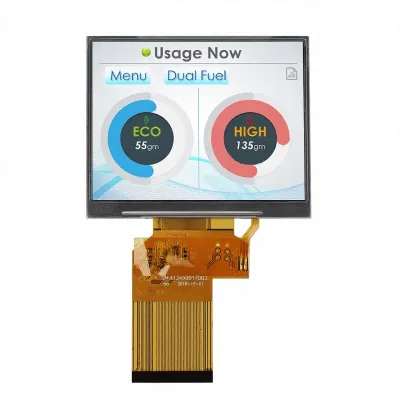
Outdoor Sunlight Readable Touch Screen LCD Display TFT Transflective Resistive 3.5"
$24.50 - $25.50
MOQ: 2 Pieces

Outdoor Sun Readable LCD Display, 3.2 Inch 240 X 320 High Resolution LCD Display
$7.30 - $9.50
MOQ: 2 Pieces

Outdoor Sunlight Readable LCD Display 3.2 Inch 240 * 320 High Luminance LCD Screen
$7.30 - $9.50
MOQ: 2 Pieces

High Brightness Sunlight Readable 3.5" 320X480 MCU 16/18bit Resistive Touch LCD Display
$5.70 - $6.70
MOQ: 2 Pieces


Shenzhen LianXun Optronics Co., Ltd.
- Manufacturer/Factory
- China Guangdong
- Lead time45 days
- Avg. response≤ 25h
Main productsLCD Module, TFT LCD, LCD Display, LCD, LCD Screen, Touch Screen, Touch Panel, Touch Display, Touch Screen Displays, Touch Screen Panel
Main marketsSouth America,Eastern Europe,Mid East,North America,Southeast Asia,Eastern Asia,Western Europe


$20.00 - $23.00
MOQ: 100 Pieces

3.5inch Transflective 240(RGB)*320 TFT LCD Module Sunlight Readable for High-class Application
$20.00 - $23.00
MOQ: 100 Pieces

Sunlight Readable 3.5inch Transflective 240(RGB)*320 TFT LCD Module for High-end Application
$18.00 - $20.00
MOQ: 100 Pieces

Shenzhen Freetech Technology Co., Ltd.
- Trading Company
- Guangdong, China
- Lead time7 days
- Avg. response≤ 2h
Main productsoled display,tft lcd panel,driver board,mono screen,touch screen
Main marketsNorth America(40.00%), Western Europe(30.00%), Eastern Europe(8.00%), Eastern Asia(8.00%), Southern Europe(5.00%), Northern Europe(5.00%), Oceania(3.00%), Southeast Asia(1.00%)

Shenzhen Rongguanghui Optoelectronics Technology Co., Ltd
- Verified by BV
- Combined
- China Guangdong
- Lead time30 days
- Avg. response≤ 4h
Main marketsDomestic,North America
Shenzhen Huake Baiyu Technology Co., Ltd.
- Trading Company
- Guangdong Province, China
- Lead time21 days
- Avg. response≤ 1h
Main productsTFT LCD Modules; High Brightness Displays; Bar Type TFT Displays; Capacitive Touchscreen Displays,LCD Controller Boards,display,liquid crystal display,PCB
Main marketsDomestic Market(45.00%), North America(15.00%), Western Europe(8.00%), Southern Europe(7.00%), South America(5.00%), Eastern Asia(5.00%), Southeast Asia(4.00%), Northern Europe(2.00%), Oceania(2.00%), Eastern Europe(2.00%), Mid East(2.00%), Central America(1.00%), South Asia(1.00%), Africa(1.00%)

SHEN ZHEN SMART SCIENCE TECHNOLOGY LIMITED
- Verified by BV
- Manufacturer/Factory
- China Guangdong
- Lead time23 days
- Avg. response≤ 5h
Main productsTFT LCD, LCD Display, LCD Screen, TFT LCD Screen, TFT LCD Display, TFT Display, LCD Modules, TFT Modules, LCD Monitors, OLED
Main marketsSouth America,Eastern Europe,Mid East,North America,Southeast Asia,Oceania,Western Europe,Africa

Sunlight Readable 1.28 Inch Small Transflective TFT LCD Screen 176*176 Resolution Square LCD Display
$6.50 - $6.90
MOQ: 1000 Pieces

Small Square TFT LCD 1.33 Inch Sunlight Readable Transflective TFT LCD Display
$6.50 - $6.90
MOQ: 1000 Pieces

Qingdao Ansenke Electronics CO., LTD
- Verified by TUVRHEINLAND
- Combined
- China Shandong
- Lead time30 days
- Avg. response≤ 6h
Main productsE Ink E-Paper Display, Rotary Knob Display Module, E-Paper ESL / Smart Labels, Monitor, Touch Screen, LCD, Drive Board, Monochrome LCD Display, Capacitive Touch Panel, Consumer Electronics
Main marketsDomestic,Europe


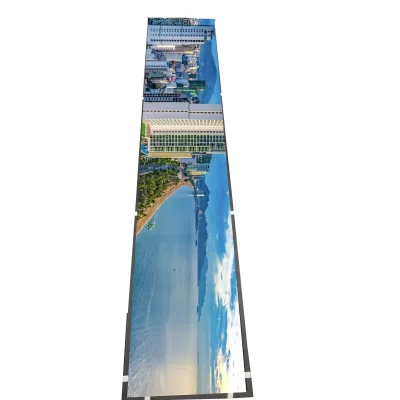
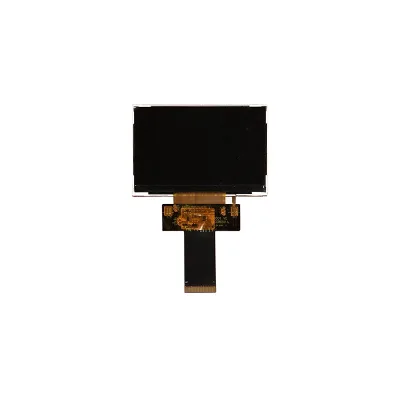
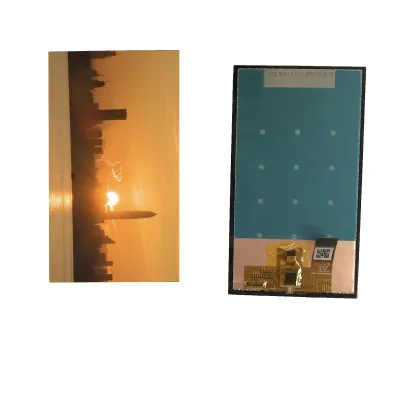
Custom Made 1280*720 Accessories Resolution 5.5inch TFT Module Display Sunlight Readable
$15.00 - $280.00
MOQ: 1 Pieces




Comprehensive Sourcing Guide
Sunlight Readable LCD Supplier Concentration and Factory Types
The available data indicates a concentration of suppliers in China Guangdong, a region known for its dense electronics manufacturing ecosystem. This location hosts a mix of trading companies and entities with their own brands, offering a range of products from high-brightness outdoor displays to industrial modules. Buyers observing this cluster should note that the primary output includes specialized items like 49-inch sunlight-readable panels and ruggedized 10.1-inch modules designed for harsh environments. The presence of both trading companies and manufacturers with ODM capabilities suggests a supply chain capable of handling both standard inventory and custom engineering requests.
When assessing factory types, buyers must distinguish between pure trading entities and those with direct production or design capacity. Some suppliers in the results list "Own brand" or "ODM" under their capacity, indicating they can modify specifications or manage private label production. Others are identified strictly as trading companies, which may offer broader catalog access but less direct control over the manufacturing process. It is critical to verify whether a supplier's "Own brand" status implies actual assembly lines or merely a branding arrangement, as this distinction affects lead times and customization flexibility.
How to Verify Sunlight Readable LCD Suppliers
Verification of supplier credibility relies heavily on third-party validation and specific response metrics found in the data. One observed supplier holds an SGS verification status, which serves as a tangible indicator of operational legitimacy and quality assurance processes. Buyers should prioritize suppliers with such external validations over those with no listed verification status, as this reduces the risk of engaging with unvetted entities. Additionally, response times vary significantly, with some suppliers showing a 0.78-hour response rate while others take 3.84 hours. A faster response time often correlates with better communication channels and more active sales teams, which is vital for resolving technical queries regarding display brightness or interface types.
Beyond verification badges and speed, buyers must scrutinize the specific product evidence provided to ensure technical competence. The data shows detailed attributes like "2,500CD/M²" brightness and specific resolutions such as "1920x1080," which demonstrate a supplier's ability to handle high-specification orders. However, the absence of system certifications like ISO or CE in the provided facts means buyers cannot assume compliance without direct confirmation. It is essential to request current certification documents for the specific models being sourced, as the lack of listed certifications in the initial data does not guarantee non-compliance but requires active verification before placing any order.
What to Compare Across Sunlight Readable LCD Suppliers
Comparing suppliers requires a structured analysis of lead times, minimum order quantities, and pricing structures to find the best fit for project needs. Lead times in the observed data range from 15 days to 30 days, a significant variance that impacts project scheduling and inventory planning. Buyers should align their procurement timeline with these specific durations, noting that suppliers with shorter lead times may prioritize high-volume or standard orders over complex customizations. Similarly, minimum order quantities vary drastically, with some products requiring only one unit while others demand 500 units, directly influencing the feasibility of small-batch testing versus mass production runs.
Pricing and customization options form another critical comparison dimension, as costs can fluctuate based on brightness levels and interface requirements. The data reveals price ranges from approximately $14 to $2,290, reflecting the diversity from small modules to large outdoor signage units. Buyers must compare the cost per unit against the specific brightness requirements, such as the 2,500 nits typical for outdoor use versus lower brightness for indoor applications. Furthermore, the availability of customization is a key differentiator; while some suppliers offer adjustable brightness and mounting sizes, others may have rigid specifications. Evaluating these factors together ensures the selected supplier can meet both budget constraints and technical performance standards.
Common Sunlight Readable LCD Sourcing Risks
One primary risk involves the discrepancy between advertised specifications and actual product performance, particularly regarding brightness and durability. The data lists various brightness levels, such as 2,500CD/M² or 600cd/m², but without independent test reports, buyers cannot confirm if these figures hold under real-world conditions. Relying solely on supplier-provided product attributes without third-party validation can lead to receiving displays that fail to meet sunlight readability requirements in outdoor environments. This risk is compounded by the lack of listed system certifications, which means buyers must independently verify that the products meet relevant safety and environmental standards before deployment.
Another significant risk is the variability in response times and the potential for communication bottlenecks during the order fulfillment process. The observed response times range from under an hour to nearly four hours, indicating inconsistent availability across the supplier base. Slow response times can delay critical decisions regarding technical specifications or shipping arrangements, potentially causing project delays. Additionally, the mix of trading companies and manufacturers introduces complexity in supply chain transparency. If a trading company acts as an intermediary, the buyer may lose visibility into the actual production status, making it harder to track progress or address quality issues that arise during the manufacturing phase.
Sunlight Readable LCD Regional Sourcing and Logistics
Sourcing from the identified region of China Guangdong offers logistical advantages due to established export infrastructure and specialized electronics supply chains. This concentration allows for efficient consolidation of various display types, from small 1.54-inch modules to large 65-inch outdoor kiosks, within a single geographic area. Buyers can leverage this density to reduce shipping costs and simplify coordination when ordering multiple product variants. However, the specific location of the factory within this region can impact transit times and customs clearance procedures, so buyers should confirm the exact origin city to optimize logistics planning.
Logistics planning must also account for the specific packaging requirements noted in the product data, such as honeycomb carton boxes or wooden cases. These packaging methods are designed to protect sensitive LCD components during transit but add weight and volume to the shipment, influencing freight costs. Buyers should verify if the supplier includes protective packaging in the quoted price or if it is an additional charge. Furthermore, the origin location being China implies that international shipping regulations and import duties will apply, requiring buyers to factor these costs into their total landed cost calculations. Understanding these regional logistics nuances helps in creating a realistic budget and timeline for the procurement project.
Sunlight Readable LCD Commercial Terms and Order Planning
Commercial terms for sunlight readable LCDs often hinge on the interplay between pricing, payment security, and delivery schedules. The data shows a wide price spectrum, necessitating clear negotiation strategies to secure favorable terms based on order volume. Buyers should clarify whether the quoted prices include shipping, insurance, and taxes, as these variables can significantly alter the final cost. Additionally, the presence of varying minimum order quantities means that buyers must plan their order sizes carefully to avoid exceeding budget limits or falling short of supplier thresholds. Understanding these commercial dynamics is essential for maintaining healthy supplier relationships and ensuring project financial viability.
Order planning must also integrate the specific lead times and customization capabilities observed in the supplier data. With lead times ranging from 15 to 30 days, buyers need to schedule their production cycles to accommodate these durations, especially for custom orders that may require additional engineering time. The availability of customization options, such as specific resolutions or mounting interfaces, should be confirmed early in the planning phase to prevent delays. Buyers should also consider the warranty periods, which range from one to three years, as this affects long-term maintenance planning. By aligning commercial terms with realistic production timelines, buyers can mitigate risks and ensure a smooth procurement process.
FAQs
What is the typical brightness for outdoor sunlight readable LCDs?
Outdoor displays typically feature a brightness of 2,500 nits to ensure readability in direct sunlight. Custom options are available ranging from 1,500 to 3,000 nits. This high luminance prevents glare and washout, making the screen clearly visible even under intense ambient light conditions for digital signage applications.
What is the minimum order quantity for these displays?
Minimum order quantities vary significantly by product type. Large outdoor digital signage units often have an MOQ of just one piece. However, smaller industrial LCD modules may require a minimum order of 500 units. Buyers should check specific product listings to confirm the exact MOQ requirements for their needs.
How long does production take for these screens?
Production lead times generally range from 15 to 30 days depending on the specific product and order volume. Some industrial modules may be ready within 15 days, while larger outdoor displays might require up to 30 days. Buyers should confirm exact timelines with suppliers before placing orders to ensure timely delivery.
Are these displays suitable for outdoor environments?
Yes, many models are specifically designed for outdoor use with features like IP56 waterproof ratings and sunlight readability. They often include auto-dimming sensors and ruggedized housings to withstand harsh weather. These displays are ideal for outdoor digital signage, kiosks, and industrial applications requiring durability and clear visibility in bright conditions.
What resolutions are available for sunlight readable LCDs?
Common resolutions include Full HD at 1920x1080 and Ultra HD at 3840x2160 for larger displays. Smaller industrial modules may offer 1280x800 or 1024x768. Some specialized small screens might have lower resolutions like 360x360. Buyers should select the resolution that best matches their content requirements and display size.
What is the price range for these LCD modules?
Prices vary widely based on size and specifications. Large outdoor displays can range from $1,980 to $2,290 per unit. Smaller industrial modules are much more affordable, ranging from $14 to $42 per unit. The final price depends on the specific model, brightness level, and quantity ordered by the buyer.