Source Washed Soft Teddy Bear for Gifts, Decor, and Events
Explore 30 listings for Washed Soft Teddy Bear options from verified suppliers. Buyers can compare customization, certifications, pricing, and sizes to find the ideal plush toy for wholesale needs across various age groups and applications; compare the available evidence and request quotations based on your requirements.
Key considerations
Products List


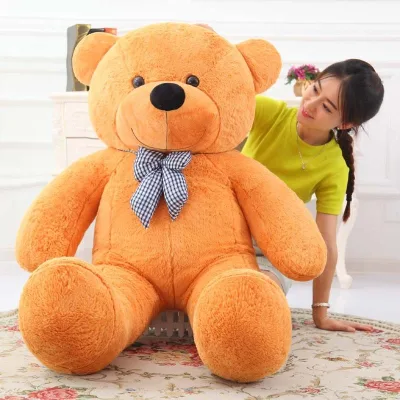


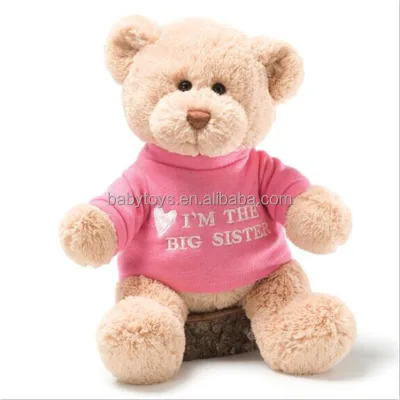
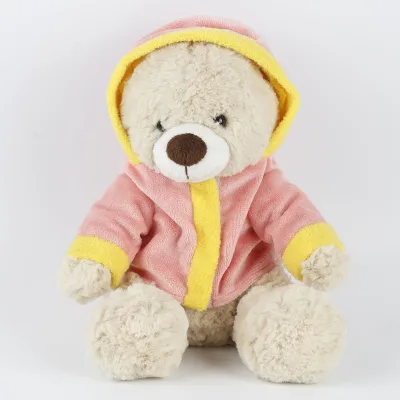


Custom Plush Teddy Bear Soft Stuffed Animals Custom Mascot Plush Cute Doll
$3.99 - $6.99
MOQ: 50 Pieces
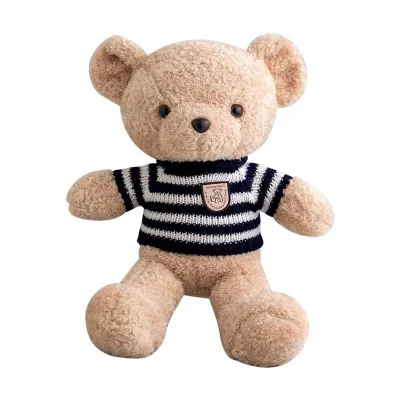

Customized White Teddy Bear Plush Toys Soft Stuffed Teddy Bear with Scarf
$2.72 - $3.13
MOQ: 200 Pieces


Comprehensive Sourcing Guide
Washed Soft Teddy Bear Sourcing Guide
Sourcing washed soft teddy bears requires a nuanced understanding of material processing and safety compliance, particularly when targeting children’s markets. These plush toys are characterized by their specific finishing techniques that enhance softness and durability, making them ideal for gifting and retail distribution. Buyers must navigate a landscape where customization options, such as logo printing or embroidery, are standard offerings from manufacturers in regions like Guangdong and Yangzhou, China. The product range typically includes various models, such as TB-1102 and BT-SW05015, catering to diverse aesthetic preferences from beige and blue to multi-color options like orange, brown, and pink.
The procurement process involves verifying technical specifications that directly impact the final product quality and user experience. Key attributes include the filling material, which is predominantly PP cotton, and the overall dimensions, which can range significantly from small 15cm variants to larger 99cm plush bears. Buyers should also consider the production method, whether hand-made for premium positioning or machine-produced for volume efficiency, as this influences both the tactile feel and the unit cost. Understanding these variables is essential for aligning supplier capabilities with specific brand requirements and target demographic expectations.
Product Scope and Observed Listing Signals
The market for washed soft teddy bears presents a wide array of options, with observed price points ranging from $0.01 to $10.19 USD, reflecting significant variation in size, material quality, and customization depth. Minimum order quantities (MOQs) typically span from 10 to 10,000 pieces, allowing flexibility for both small boutique orders and large-scale retail campaigns. Listings frequently highlight customization availability, including logo placement via printing or embroidery, and offer various animal styles, with the teddy bear being the primary focus. Buyers should note that while some products are marketed for all ages, others specify suitability for children aged three and above, necessitating careful alignment with target audience safety standards.
Observed product attributes indicate a strong emphasis on versatility and branding potential. Many suppliers offer OEM services, welcoming custom designs and sizes, which is crucial for brands seeking unique market differentiation. The packing configurations vary, with common setups including single polybag packaging for individual units and bulk carton packing, such as 40 pieces per carton, to optimize logistics. Additionally, the single gross weight of approximately 2.000 kg for larger models suggests that shipping costs will be a significant factor in the total landed cost. Buyers must evaluate these logistical details alongside the visual appeal and tactile qualities described in product listings to ensure a cohesive supply chain strategy.
Technical Specifications to Verify
Verifying technical specifications is critical to ensuring the product meets both aesthetic and functional requirements. Buyers should confirm the exact plush length and height dimensions, as models like TB-1136 and TB-1118 may have distinct sizing profiles that affect shelf presence and handling. The filling material, consistently noted as PP cotton, should be verified for purity and density to ensure the bear retains its shape and softness after washing. Additionally, the production technique, whether hand-made or machine-produced, impacts the consistency of stitching and the overall durability of the toy. These technical details directly influence the perceived value and longevity of the product in the hands of the end consumer.
Packaging and labeling specifications also require close attention to detail. Standard packing often involves individual polybags or PE bags, followed by corrugated cartons for bulk shipping, with specific carton dimensions like 50x40x30 cm for single packages. Buyers must verify if the supplier can accommodate customized sizes, as indicated by standards like 15cm or other bespoke measurements. Furthermore, the model numbers, such as BT-SW05091, serve as unique identifiers for quality control and reorder accuracy. Ensuring that all technical parameters are clearly defined in the purchase order prevents discrepancies between the sampled product and the final bulk shipment, safeguarding against potential quality issues.
Compliance and Safety Documentation
Compliance with international safety standards is non-negotiable for plush toys, especially those intended for children. Buyers must request and verify certifications such as CE, EN71, ASTM, CPSIA, and REACH, which are commonly listed by suppliers. These certifications ensure that the materials used, including the plush fabric and PP cotton filling, are free from harmful substances and meet rigorous safety thresholds. For products targeting specific age groups, such as those suitable for ages 0-24 months or 3+, additional testing may be required to ensure there are no small parts or choking hazards. Documentation should be up-to-date and issued by recognized testing laboratories to guarantee validity and acceptance in target markets.
In addition to material safety, buyers should inquire about specific regional standards like CCC or RoHS, which may be relevant depending on the destination country. The presence of certifications like Nm300 or other local standards further indicates a supplier’s commitment to comprehensive compliance. It is essential to cross-reference these certifications with the specific product models being ordered, as compliance may vary across different lines. Buyers should also verify that the supplier provides test reports that correspond to the exact batch of goods, ensuring that the safety claims are substantiated by recent and relevant data. This diligence protects the brand from regulatory risks and enhances consumer trust.
Cost Drivers and Commercial Terms
Several factors influence the final cost of washed soft teddy bears, including material selection, customization complexity, and order volume. The use of high-quality PP cotton and premium plush fabrics will naturally increase unit costs, while simple, standardized designs may offer more competitive pricing. Customization options, such as custom logos or unique sizes, often incur additional setup fees or higher per-unit costs due to the specialized labor and materials required. Buyers should also consider the lead time, which is typically around 45 days for production, and sample times of 1-5 days, as these affect inventory planning and cash flow management. Understanding these cost drivers allows for more accurate budgeting and negotiation.
Commercial terms, including payment methods and shipping arrangements, play a significant role in the overall procurement strategy. Suppliers may offer flexible payment terms for repeat customers or large orders, but initial transactions often require deposits. Shipping costs can be substantial, particularly for larger bears with a single gross weight of 2.000 kg, so buyers should evaluate FOB versus CIF pricing structures. Additionally, the MOQ requirements can impact unit economics, with larger orders typically benefiting from economies of scale. Buyers should negotiate clearly defined terms regarding quality acceptance, return policies, and liability for defects to mitigate financial risks associated with the procurement process.
Supplier Qualification and Quality Control
Selecting a reliable supplier involves thorough due diligence to ensure consistent quality and ethical manufacturing practices. Buyers should verify the supplier’s production capabilities, including whether they specialize in hand-made or machine-produced items, and assess their capacity to meet volume demands. Quality control processes should be clearly defined, with suppliers providing pre-shipment inspections and adherence to agreed-upon specifications. It is advisable to request samples before placing bulk orders to evaluate the tactile quality, stitching integrity, and overall finish of the washed soft teddy bears. This step helps identify potential issues early and ensures that the supplier’s output aligns with brand standards.
Furthermore, buyers should assess the supplier’s responsiveness and communication efficiency, as these factors are crucial for resolving issues during production and shipping. Suppliers located in established manufacturing hubs like Guangdong or Yangzhou may have better access to raw materials and skilled labor, but this should be balanced with other factors like cost and compliance. Establishing a clear quality assurance protocol, including defined acceptance criteria and rejection procedures, helps maintain high standards. Regular audits or third-party inspections can provide additional assurance of product quality and supplier reliability, fostering a long-term partnership based on trust and mutual benefit.
Long-Term Procurement Checks
Sustaining a successful procurement relationship requires ongoing monitoring and periodic reviews of supplier performance. Buyers should track key metrics such as on-time delivery rates, defect rates, and responsiveness to quality issues to identify areas for improvement. Regular communication with the supplier helps address any emerging challenges promptly and ensures that both parties remain aligned on expectations. Additionally, staying informed about changes in safety regulations and market trends allows buyers to adapt their sourcing strategies proactively. This continuous evaluation process helps maintain product quality and compliance over time, protecting the brand’s reputation and customer satisfaction.
Long-term procurement also involves exploring opportunities for innovation and cost optimization. Buyers can work with suppliers to develop new designs or improve existing products based on customer feedback and market analysis. Collaborating on sustainable material choices or more efficient production methods can enhance the product’s value proposition and appeal to environmentally conscious consumers. By fostering a collaborative relationship, buyers can leverage the supplier’s expertise to drive continuous improvement. This strategic approach ensures that the sourcing of washed soft teddy bears remains competitive, compliant, and aligned with the brand’s long-term goals, securing a stable supply chain for future growth.
FAQs
How long is the normal lead time for Washed Soft Teddy Bear orders?
The normal lead time is generally around 45 days, which covers production after order confirmation. Sample time is shorter, usually 1 to 5 days, so buyers can verify material, plush feel, and customization before mass production. Larger quantities or customized sizes may extend the schedule, so confirm exact timing with the supplier based on your order volume and packaging requirements.
What sizes are available for Washed Soft Teddy Bear products?
Available heights typically range from 51cm to 99cm, and customized sizes are also supported, with some models offered around 15cm. This range covers both large display bears and smaller gift or toy versions. Buyers should confirm the desired height, plush length, and filling quantity with the manufacturer, since sizing can be adjusted according to the order specification.
Can Washed Soft Teddy Bear products be customized with our logo?
Yes, customization is available. Logos can be applied through printing, embroidery, or other customized methods depending on the plush material. OEM orders are welcome, and buyers can also request customized sizes and packaging such as individual polybags. Providing artwork early helps the supplier prepare samples within the usual 1 to 5 day sample period before confirming mass production.
What certifications should Washed Soft Teddy Bear products have?
Listed certifications include CE, EN71, ASTM, CPSIA, REACH, and in some cases CCC and RoHS. These standards cover safety, chemical limits, and toy compliance requirements relevant to plush bears sold to children. Buyers exporting to regulated markets should verify which certificates apply to their destination and request valid documentation before placing production orders.
What is the typical MOQ for Washed Soft Teddy Bear orders?
Observed MOQs range from 10 pieces for smaller orders up to 10,000 pieces for bulk production runs. The actual minimum depends on the supplier, size, and level of customization requested. Buyers testing a new market can start with smaller quantities, while customized sizes, logos, or packaging usually require agreeing a higher MOQ with the manufacturer.
How should Washed Soft Teddy Bear products be cleaned and packed?
The bears can be cleaned by machine washing, which suits products intended for children. Standard packing is one piece per polybag with 40 pieces per carton, though some items use a PE bag inside a corrugated carton. A single package may measure around 50 by 40 by 30 cm with a gross weight near 2 kg, so confirm carton details before shipping.
What material and filling are used in Washed Soft Teddy Bear products?
The outer material is plush and the filling is PP cotton, which keeps the bear soft, washable, and suitable for all ages. The bears are made as sitting-style animals with hand-made or machine production depending on the model. Buyers wanting a specific plush length or softer feel should request a sample to check the texture before mass production.
Which age groups are Washed Soft Teddy Bear products suitable for?
Listed suitable ages include 3 years and up for some models, while other listings cover a wide range from 0 to 24 months through 14 years and up. Gender is unisex. Because requirements differ by market, buyers should confirm the age grading and safety compliance of the specific model they intend to import, especially for products aimed at infants.