Source Water Permeable Non-Slip Ceramic Brick for Driveways, Patios, and Walkways
Compare 30 listings of water permeable non-slip ceramic brick featuring high compressive strength and frost resistance. Buyers can evaluate specifications like porosity, water absorption rates, and anti-skid ratings from verified Chinese manufacturers; compare the available evidence and request quotations based on your requirements.
Updated
Key considerations
Products List


Anti-Slip Water Friendly Permeable Ceramic Paving Clay Brick for Outdoor Construction
$20.00 - $24.00
MOQ: 1000 piece/pieces
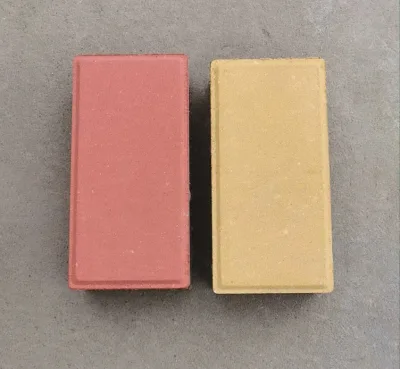
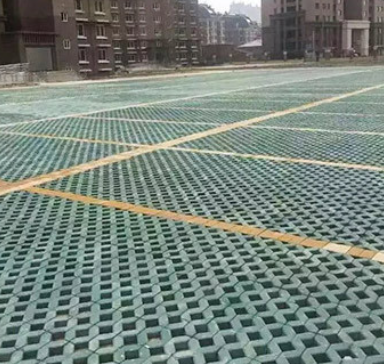
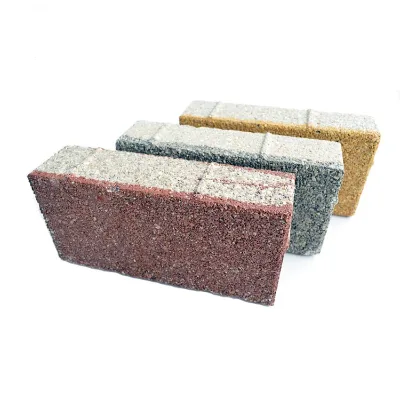
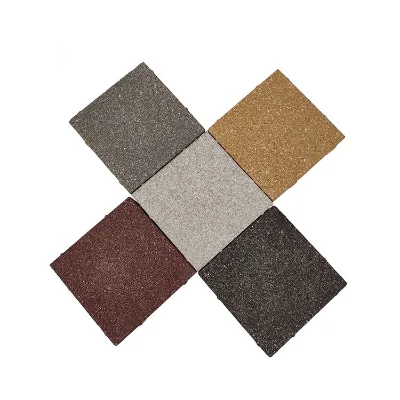
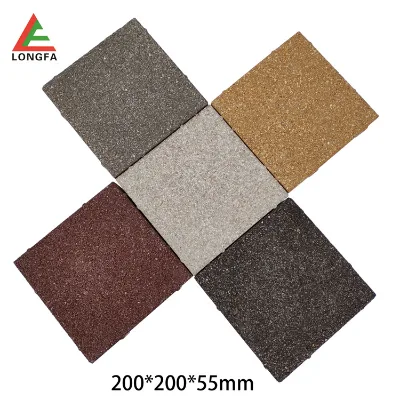
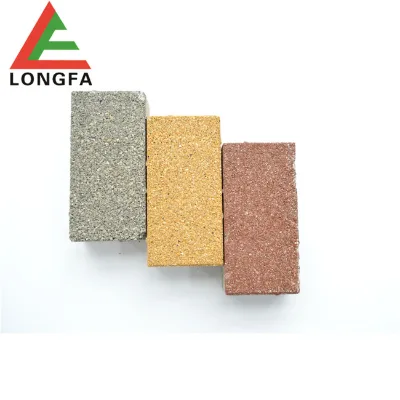

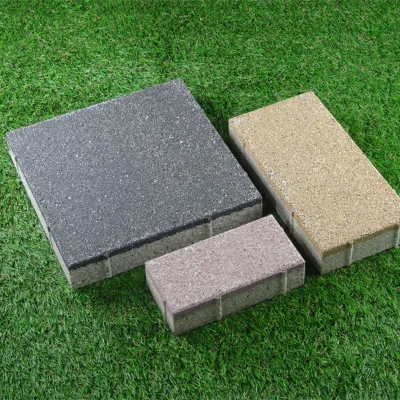

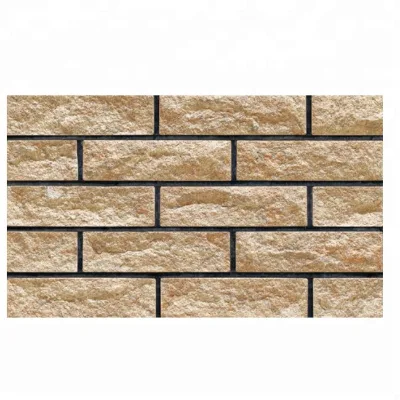

Paving Building Material Ceramic Brick Water Permeable Floor Tile for City Road
$21.00 - $48.00
MOQ: 50 Square Meters
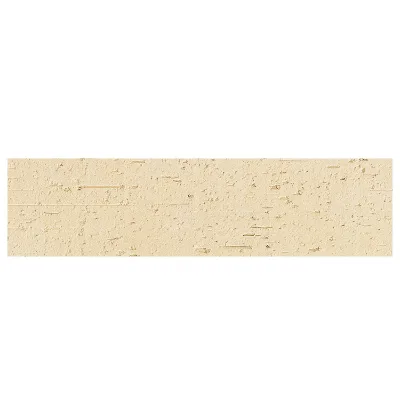
Internal and External Wall Decoration Flexible Facing Brick Ceramic Tile
$9.85 - $13.14
MOQ: 200 square


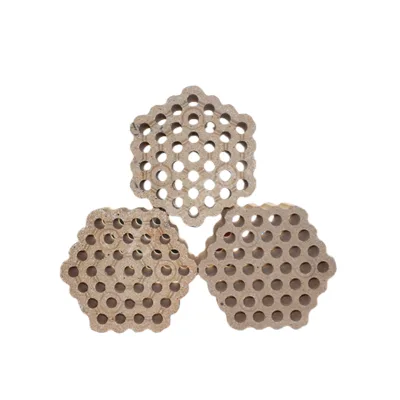
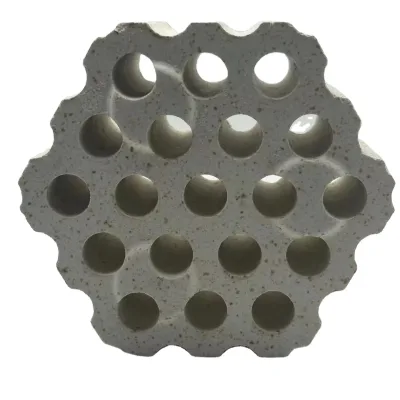
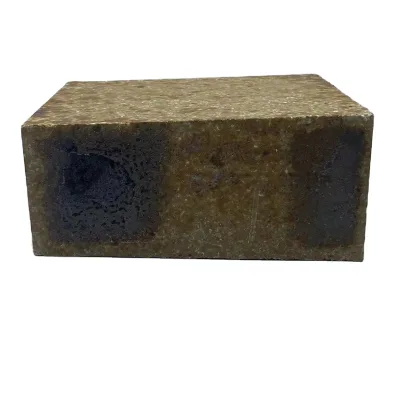

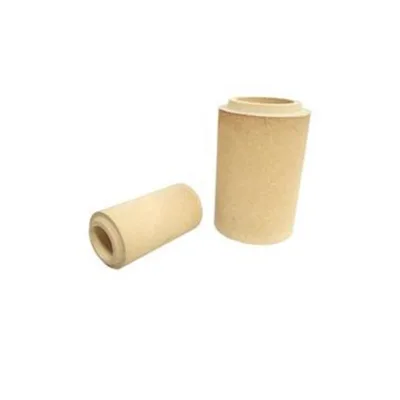
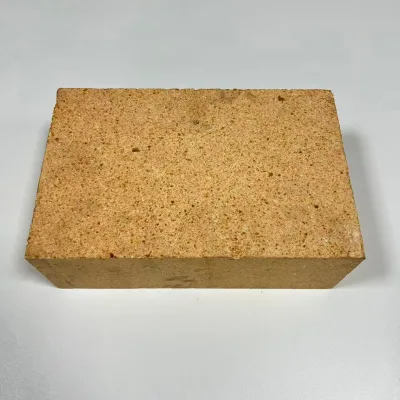


Comprehensive Sourcing Guide
Water Permeable Non-Slip Ceramic Brick Sourcing Guide
Procuring water permeable non-slip ceramic bricks requires a disciplined approach to balancing hydrological performance with structural integrity. These specialized pavers are engineered to manage stormwater runoff while providing safe traction for pedestrian and light vehicular traffic. Buyers must prioritize materials that offer high compressive strength alongside rapid water permeability to prevent surface pooling and ice formation. The selection process involves evaluating the brick’s ability to withstand environmental stressors, including freeze-thaw cycles and chemical exposure, ensuring long-term durability in diverse climatic conditions.
The sourcing landscape for these bricks is characterized by a wide range of product models and customization options available from manufacturers, primarily located in China. Buyers should navigate this variety by focusing on verified technical attributes rather than superficial aesthetic features. Key considerations include the raw material composition, such as ceramics and slag, which influence the brick’s porosity and absorption rates. Understanding these material properties is essential for selecting the right product for specific infrastructure projects, whether for urban plazas, parking lots, or residential pathways.
Product Scope and Observed Listing Signals
The market for water permeable ceramic bricks presents a diverse array of product specifications, with observed price points ranging from $0.30 to $1,200 USD. This wide variance reflects differences in material quality, manufacturing complexity, and order volume, with minimum order quantities typically spanning from 1 to 1,000 units. Buyers should interpret these signals as indicators of tiered product offerings, where lower price points may correspond to standard models like ZJT001 or ZJTW001, while higher costs may reflect specialized customizations or premium grades.
Observed product attributes highlight key performance indicators such as a mean water permeability of at least 20mm/s and a water absorption rate of less than 0.5%. These metrics are critical for ensuring effective drainage and resistance to staining or biological growth. Additionally, the bricks are often described with features like acid resistance, firebrick capabilities, and heat insulation, suggesting versatility in industrial and commercial applications. Buyers must verify these claims against specific product datasheets, as attributes like color and shape can vary significantly between models, including options for multicolor, white, or irregular shapes.
Technical Specifications to Verify
Compressive strength is a primary technical parameter that must be rigorously verified, with observed values exceeding 50MPa and specific models rated at MU30 or MUFeature classifications. This high load-bearing capacity ensures the bricks can withstand significant weight without cracking, making them suitable for areas with occasional vehicular traffic. Buyers should request third-party test reports to confirm these strength metrics, as structural failure under load can lead to costly repairs and safety hazards. The refractoriness of the material, observed at temperatures above 1770°C, further indicates suitability for environments requiring thermal stability.
Anti-slip properties are equally critical, with observed coefficients ranging from 65-85 Bpn, ensuring safe footing in wet conditions. The frost resistance of these bricks, capable of withstanding temperatures below -25°C, is another vital specification for regions with harsh winters. Buyers must also verify the porosity, which is observed at around 25%, and the wearing capacity, which should be less than 140mm to ensure longevity. Additionally, the right-angle tolerance of ±0.3mm is important for precise installation and aesthetic consistency, particularly in large-scale paving projects where uniformity is desired.
Compliance and Safety Documentation
Certification is a fundamental requirement for ensuring product quality and regulatory compliance, with observed standards including ISO, CE, and SGS. Buyers should insist on valid certificates for each batch, verifying that the testing was conducted by accredited laboratories. The inspection standards referenced, such as GB/T3810.11 and international equivalents, provide a framework for evaluating the bricks’ physical and chemical properties. These documents serve as proof that the products meet established safety and performance benchmarks, reducing liability for the buyer.
Safety documentation should also include detailed material safety data sheets, particularly for bricks containing slag or other industrial byproducts. Buyers must ensure that the products are free from harmful substances and that their antibacterial features, if claimed, are substantiated by relevant tests. The availability of samples, often marked as "Yes" in listings, allows buyers to conduct preliminary assessments before committing to large orders. This step is crucial for verifying that the physical product matches the documented specifications and intended use cases.
Cost Drivers and Commercial Terms
Pricing for water permeable ceramic bricks is influenced by several factors, including raw material costs, manufacturing processes, and order volume. The observed MOQ range of 1-1,000 units suggests flexibility for small projects, but larger orders may yield better unit prices. Buyers should negotiate terms that account for potential price fluctuations in raw materials like ceramics and clay. Understanding the cost structure helps in budgeting accurately and avoiding unexpected expenses during the procurement process.
Packaging and logistics are significant cost drivers, with products typically packed in standard export cartons or strong wooden pallets. The origin of the products, primarily from Fujian, China, including Xiamen, impacts shipping costs and lead times. Buyers should clarify Incoterms and delivery schedules to manage inventory effectively. Customization options, such as cut-to-size stone forms or specific models like ZJT-15153, may incur additional charges. Clear communication of these terms prevents disputes and ensures smooth transaction execution.
Supplier Qualification and Quality Control
Supplier qualification involves verifying the manufacturer’s production capabilities and quality management systems. Buyers should prioritize suppliers who offer AAA Grade products and provide comprehensive after-sales service. The availability of customization and sample testing indicates a supplier’s flexibility and commitment to customer satisfaction. Evaluating the supplier’s track record and client references can provide insights into their reliability and consistency in delivering high-quality products.
Quality control measures should be established at multiple stages, from raw material inspection to final product testing. Buyers should request detailed inspection reports that cover compressive strength, water permeability, and frost resistance. The use of standardized models and clear specifications, such as 300300mm or 200200mm, facilitates easier quality verification. Implementing a robust quality control plan helps in identifying defects early and ensuring that the delivered bricks meet the project’s technical requirements.
Long-Term Procurement Checks
Long-term procurement success depends on regular performance monitoring and supplier relationship management. Buyers should track the bricks’ performance in the field, noting any issues with permeability, slip resistance, or durability. Feedback from end-users and maintenance teams can highlight areas for improvement and inform future purchasing decisions. Maintaining open communication with suppliers allows for timely resolution of any issues and ensures continuous improvement in product quality.
Periodic re-evaluation of supplier certifications and product standards is essential to maintain compliance with evolving regulations. Buyers should stay informed about new testing methods and industry best practices that may impact product selection. Building a diversified supplier base can mitigate risks associated with supply chain disruptions. By focusing on long-term partnerships and continuous quality assurance, buyers can ensure the sustained performance and reliability of their water permeable ceramic brick installations.
FAQs
What certifications do these bricks have?
These bricks hold ISO, CE, and SGS certifications. They meet international inspection standards like GB/T3810.11. This ensures quality compliance for global procurement. Buyers can verify these credentials directly on product pages. The standardized testing confirms reliability for construction projects requiring certified materials.
How strong are these permeable bricks?
The compressive strength exceeds 50MPa, with some grades reaching MU30. This high durability supports heavy loads on floors. The anti-bending resistance ranges from 6.0 to 9.0. Such structural integrity ensures long-term performance in high-traffic areas without cracking or failure under pressure.
Can these bricks withstand freezing temperatures?
Yes, they offer frost resistance down to more than -25 degrees Celsius. This makes them suitable for cold climates. The material maintains structural integrity during freeze-thaw cycles. Buyers in northern regions can rely on this feature for outdoor paving projects requiring durable, weather-resistant ceramic solutions.
What is the water permeability rate?
The mean water permeability is at least 20mm/S. This rapid drainage prevents surface water accumulation. The water absorption rate remains below 0.5%. This combination ensures efficient stormwater management while maintaining the brick's structural stability and preventing waterlogging in paved areas.
Are these bricks customizable for projects?
Customization is available for various project needs. Buyers can request specific packing requirements or cut-to-size options. The irregular shape and multicolor options allow for aesthetic flexibility. Manufacturers accommodate unique design specifications, ensuring the bricks fit diverse architectural and landscaping requirements effectively.
Where are these bricks manufactured?
These bricks originate from China, specifically Fujian province. Major production hubs include Xiamen. This location supports efficient export logistics. Buyers can source directly from these regions to benefit from established manufacturing infrastructure and competitive pricing structures for bulk ceramic brick orders.