Source Water Resistant Portable Triathlon Backpack for Sports, Outdoor, Swimming
Compare 30 listings of water resistant portable triathlon backpacks featuring polyester construction, waterproof zippers, and adjustable straps. Buyers can evaluate options for sports, outdoor activities, and swimming with capacities ranging from 20 to 49 liters and customizable logos.
Key considerations
Products List


Waterproof Custom Backpack Triathlon Transition Backpack Athletic Triathlon Bag
$12.88 - $15.59
MOQ: 500 Pieces


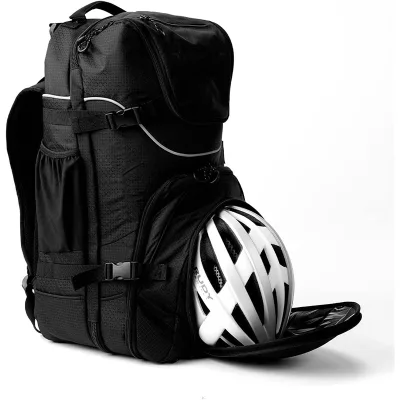

Custom High Quality Waterproof Large Capacity Transition Bag Triathlon Backpack
$16.50 - $18.50
MOQ: 500 Pieces

Unisex Lightweight Triathlon Backpack Waterproof Multi-Function Bag Custom Logo
$14.50 - $16.50
MOQ: 500 Pieces

Custom High Quality Waterproof Ultimate Triathlon and Multisport Backpack to Step Into
$13.50 - $15.50
MOQ: 500 Pieces


OEM Waterproof Large Outdoor Travel Sports City Walk Camping Hiking Triathlon Backpack
$6.86 - $13.75
MOQ: 1000 Pieces

Large Capacity Multifunction Triathlon Bag Durable Sports Backpack for Outdoor, Hiking
$15.99 - $19.99
MOQ: 1000 Pieces


Customizable Waterproof Triathlon Transition Backpack for Active Lifestyle
$9.25 - $13.88
MOQ: 300 Pieces




Comprehensive Sourcing Guide
Water Resistant Portable Triathlon Backpack Sourcing Guide
Sourcing a water-resistant portable triathlon backpack requires a disciplined approach that balances athletic performance with logistical efficiency. These bags serve as critical transition equipment for athletes, designed to withstand wet environments while providing organized storage for gear. The market offers a variety of options, but buyers must distinguish between general outdoor bags and specialized triathlon transition packs that meet specific dimensional and functional standards. This guide outlines the essential verification steps for procurement teams to ensure they select products that align with both athletic requirements and commercial viability.
The following sections detail the technical specifications, compliance requirements, and commercial terms associated with these products. By focusing on observed listing signals and verified attributes, buyers can mitigate risks related to quality inconsistencies and supply chain disruptions. The guidance provided here is based on current market data and trusted category knowledge, ensuring that all recommendations are grounded in factual evidence rather than speculative claims.
Product Scope and Observed Listing Signals
The current market for water-resistant portable triathlon backpacks presents a diverse range of options, primarily characterized by their material composition and structural design. Observed listings indicate that polyester is the dominant material, chosen for its durability and resistance to moisture. These bags typically feature a vertical square shape with soft construction, allowing for easy packing and transport. The presence of double, adjustable straps and soft handles ensures comfort for users carrying heavy loads during transition periods. Additionally, the waterproof rating is often described as moderate, which is sufficient for typical swimming and beach environments but may not withstand prolonged submersion.
Commercial signals from suppliers reveal significant variability in minimum order quantities (MOQ) and pricing structures. While some listings suggest an MOQ as low as three units, others require a minimum of 500 pieces, reflecting different production capabilities and business models. The observed price range spans from $2 to $36.99 USD, indicating a broad spectrum of quality tiers and feature sets. Buyers should note that many suppliers offer customization options, including logo printing and OEM/ODM services, which can add value for branded merchandise or team equipment. However, the selling units are often listed in multiples of 500, which may impact inventory planning for smaller buyers.
Technical Specifications to Verify
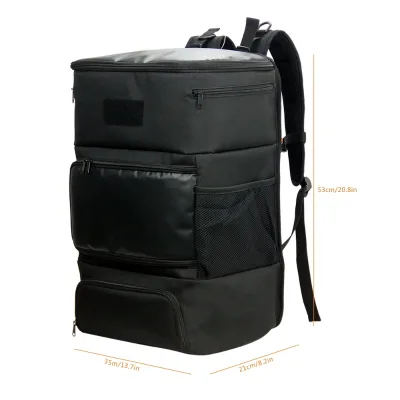
When evaluating technical specifications, buyers must prioritize capacity and dimensions to ensure the backpack meets triathlon transition requirements. Observed data indicates that capacities range from 20-34 liters to 35-49 liters, catering to different athlete needs. The physical dimensions are critical, with some models measuring approximately 16.5 x 10.2 x 5.5 inches, while others are larger, such as 36L x 25.5W x 48H cm. These variations affect how easily the bag fits into transition areas and whether it complies with specific race regulations. Buyers should verify the exact internal layout, including interior slot pockets, to ensure adequate organization for goggles, helmets, and nutrition.
The construction details and hardware features are equally important for long-term usability. The bags are described as having a soft back design with physiological curve back carrying systems, which enhances comfort during extended wear. Features such as stitching, geometric patterns, and trend-focused styles are common, but the primary focus should be on functional elements like zippers and strap adjustability. The gross weight per unit varies, with some models weighing around 0.500 kg and others up to 2.000 kg, which can influence shipping costs and athlete fatigue. Buyers should request detailed weight breakdowns to understand the material density and overall build quality.
Compliance and Safety Documentation
Compliance with international social and ethical standards is a key consideration for many procurement teams. Observed listings frequently mention certifications such as BSCI and Sedex, which indicate that the supplier adheres to specific labor and environmental practices. These certifications are valuable for buyers who prioritize ethical sourcing and need to demonstrate compliance to their own stakeholders. However, buyers should verify the current status of these certifications and request copies of the audit reports to ensure they are valid and up-to-date. This due diligence helps mitigate reputational risks associated with supply chain labor practices.
In addition to social compliance, product safety and material standards should be reviewed. While specific chemical or material safety certifications are not explicitly listed in the observed data, buyers should inquire about compliance with relevant regional regulations, such as REACH in Europe or CPSIA in the United States, depending on the target market. The use of polyester and other synthetic materials may require verification for flame retardancy or toxicity levels, especially if the bags are intended for use by minors or in specific sports environments. Buyers should establish clear requirements for material safety documentation before placing orders.
Cost Drivers and Commercial Terms
Several factors influence the final cost of water-resistant portable triathlon backpacks, including material quality, customization complexity, and order volume. The observed MOQ of 500 pieces for many suppliers suggests that economies of scale play a significant role in pricing. Buyers who can commit to larger volumes may negotiate better unit prices, but they must also consider storage and inventory holding costs. The price range of $2 to $36.99 USD reflects differences in features such as waterproofing levels, strap adjustability, and interior organization. Buyers should request detailed cost breakdowns to understand how customization and packaging affect the final price.
Packaging and logistics are additional cost drivers that should be carefully managed. The standard packaging for these bags is typically a PP bag inside a master carton, with specific package sizes per batch noted in some listings. The gross weight per batch is listed as 0.700 kg, which may refer to a single unit or a small batch, requiring clarification for accurate freight calculations. Buyers should verify the packaging dimensions and weight to optimize container loading and reduce shipping costs. Additionally, the origin of the products, often listed as Fujian, China, may impact lead times and tariff implications, so buyers should assess the total landed cost rather than just the unit price.
Supplier Qualification and Quality Control
Supplier qualification is a critical step in ensuring consistent product quality and reliable delivery. Buyers should conduct thorough background checks on potential suppliers, verifying their business licenses, production capacity, and export experience. The acceptance of OEM/ODM services indicates that many suppliers are equipped to handle custom orders, but buyers should assess their technical capabilities and communication efficiency. Requesting samples is essential to evaluate the actual product quality, including the durability of zippers, the strength of straps, and the effectiveness of the waterproofing. Buyers should also inquire about the supplier’s quality control processes and defect rates.
Quality control measures should be integrated into the procurement process to minimize risks. Buyers should define clear acceptance criteria for product quality, including dimensions, weight, and functional performance. Third-party inspection services can be employed to verify product quality before shipment, ensuring that the goods meet the specified requirements. Buyers should also establish a clear communication channel with the supplier for addressing any issues that arise during production or delivery. Regular feedback and performance evaluations can help maintain a high standard of quality and foster a productive long-term relationship.
Long-Term Procurement Checks
Long-term procurement success depends on continuous monitoring and adaptation to market changes. Buyers should regularly review supplier performance metrics, including on-time delivery rates, product quality consistency, and responsiveness to issues. The dynamic nature of the sports equipment market means that trends and regulations may evolve, requiring buyers to stay informed about new developments. Buyers should also consider diversifying their supplier base to mitigate risks associated with single-source dependencies. Regular audits and site visits can provide valuable insights into the supplier’s operations and help identify potential areas for improvement.
Sustainability and ethical sourcing are increasingly important factors in long-term procurement strategies. Buyers should encourage suppliers to adopt sustainable practices, such as using recycled materials or reducing waste in production. This not only aligns with global trends but also enhances the brand value of the final product. Buyers should also stay updated on changes in trade regulations and tariffs that may impact the cost and availability of these products. By maintaining a proactive approach to supplier management and market analysis, buyers can ensure a resilient and efficient supply chain for water-resistant portable triathlon backpacks.
FAQs
Can this backpack be customized with a logo?
Yes, the product accepts customized logos for branding purposes. This feature allows buyers to add their own designs to the polyester material. The customization is available for orders meeting the minimum quantity requirements specified by the supplier.
What is the minimum order quantity for this item?
The minimum order quantity is 500 pieces for this swimming bag. This requirement applies to the standard selling units which are multiples of 500. Buyers must ensure their order meets this threshold to proceed with the purchase.
Which certifications does this backpack hold?
The product holds BSCI and Sedex certifications for ethical sourcing and compliance. These certifications verify that the manufacturing processes meet specific social and environmental standards. Buyers can rely on these credentials for supply chain transparency.
How much does the single package weigh?
The single gross weight is 0.500 kilograms per unit. This weight includes the backpack and its immediate packaging materials. The total batch weight varies based on the number of units ordered within the master carton.
What is the capacity range of this backpack?
The capacity ranges from 20 to 49 liters depending on the specific model configuration. Some versions offer 35 to 49 liters while others provide 20 to 34 liters. This range suits various sports and outdoor activities effectively.
Where is this product manufactured?
The product originates from Fujian, China. This location is the confirmed production site for the swimming bag. Buyers should consider this origin when calculating shipping times and logistics costs for international orders.
Is the backpack suitable for winter use?
Yes, the backpack is suitable for all seasons including winter, summer, and spring. Its design supports outdoor sports and swimming activities year-round. The material and features ensure durability across different weather conditions.