Source Water Treatment Venturi Injector for Irrigation, Fertilization, Disinfection
Find and compare 30 Water Treatment Venturi Injector options from Chinese manufacturers. Evaluate specifications including flow rates, working pressures, and material types to select the right device for your agricultural or industrial needs.
Key considerations
Products List
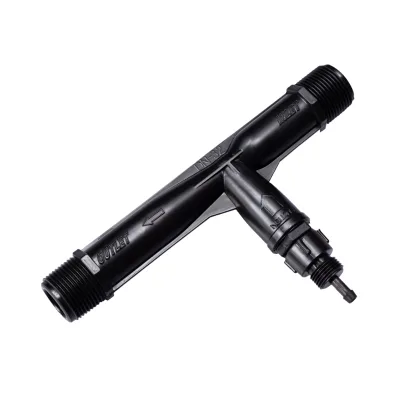


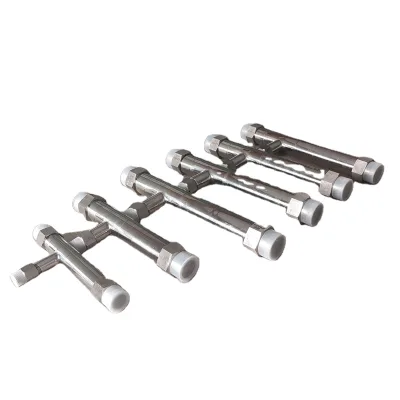


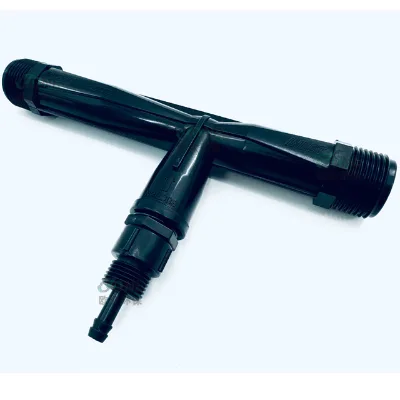
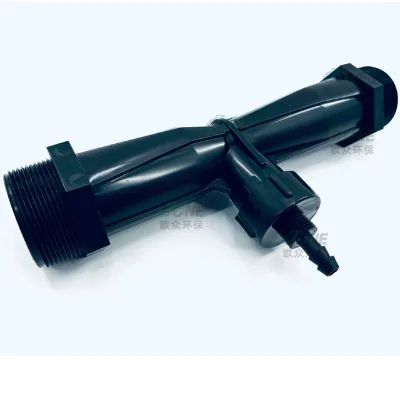


Comprehensive Sourcing Guide
Water Treatment Venturi Injector Sourcing Guide
Sourcing water treatment venturi injectors requires a disciplined approach to aligning hydraulic performance with specific irrigation or chemical dosing needs. These devices leverage the Venturi effect to create a vacuum that draws fertilizers, disinfectants, or other soluble additives into a flowing water stream. Buyers must prioritize components that maintain stable flow rates under varying pressure conditions to ensure consistent chemical application. The selection process involves evaluating material compatibility, connection standards, and the physical footprint of the injector to fit existing pipeline infrastructure.
The market offers a diverse range of models, from small-scale manual units to larger hydraulic systems designed for high-volume operations. Procurement teams should focus on verifying the working pressure and flow capacity against their specific field requirements. Observations from current listings indicate a wide variance in specifications, including models with internal threads and varying standard sizes. Understanding these technical distinctions is critical to preventing installation failures and ensuring the injector operates efficiently within the intended water treatment or irrigation system.
Product Scope and Observed Listing Signals
Current market data reveals a broad spectrum of venturi injectors, with observed prices ranging from $0.20 to $204.26 USD. This significant price variance reflects differences in material quality, flow capacity, and manufacturing complexity. Buyers should note that the minimum order quantity (MOQ) typically ranges from 1 to 1,000 pieces, allowing for both sample testing and bulk procurement. The supply ability for many suppliers is capped at approximately 1,000 pieces per month, which may impact lead times for large-scale projects requiring immediate deployment.
Product listings frequently highlight specific model series, such as the LW series or VA series, each catering to different connection standards and flow requirements. For instance, some units are specified with a 1/2" standard, while others accommodate 3/4", 1", or 2" connections. The observed data also points to variations in power sources, with options ranging from manual operation to hydraulic-driven systems. These signals suggest that buyers must carefully match the injector’s physical and operational characteristics to their existing plumbing and power infrastructure to avoid compatibility issues.
Technical Specifications to Verify
Verifying the flow range and working pressure is the most critical technical step in selecting a venturi injector. Listings indicate flow rates varying from 0.29 to 6.34 cubic meters per hour, with working pressures spanning from 0.07 to 0.95 MPa. Buyers must ensure that the selected unit’s flow capacity aligns with their pump’s output to prevent cavitation or insufficient suction. Additionally, the fertilizer absorption capacity, observed in some models to range from 3 to 37 liters per hour, must be sufficient for the required chemical dosage rates.
Connection type and material composition are equally important verification points. Most injectors feature internal threads for secure pipeline attachment, with materials predominantly made from durable plastic to resist corrosion from chemical additives. Standard sizes such as 1/2", 3/4", 1", and 2" are common, but buyers must confirm the exact thread pitch and diameter to ensure a leak-free seal. Some high-capacity models may have different physical dimensions, such as 50x50x30 cm packaging, which affects storage and shipping logistics. Confirming these details prevents costly retrofitting or installation delays.
Compliance and Safety Documentation
Certification verification is essential to ensure that the venturi injectors meet international safety and quality standards. Many suppliers provide ISO and CE certifications, which indicate adherence to specific manufacturing and safety protocols. Buyers should request valid certification documents to confirm that the products have undergone rigorous testing for pressure resistance and material safety. This documentation is particularly important for projects involving drinking water treatment or strict environmental regulations.
In addition to certifications, buyers should verify the warranty terms and after-sales support provided by the supplier. A standard warranty period of six months is commonly observed, offering protection against manufacturing defects. It is advisable to clarify the scope of this warranty, including whether it covers parts replacement or labor costs. Understanding the support structure ensures that any potential issues during the initial operational phase can be resolved quickly, minimizing downtime in the water treatment or irrigation system.
Cost Drivers and Commercial Terms
The total cost of ownership for venturi injectors is influenced by several commercial factors, including packaging, shipping, and customization options. Products are typically packed in wooden crates or cartons to protect them during transit, with some listings specifying a gross weight of 14 kg for certain models. Buyers should calculate the landed cost by factoring in shipping expenses from dispatch ports like Huangpu or Fuzhou, as these can significantly impact the final price.
Customization and OEM services are available for many suppliers, allowing buyers to tailor injectors to specific brand or technical requirements. However, these services may incur additional costs or longer lead times. Buyers should also consider the selling unit structure, which is often listed as a single item, to simplify inventory management. Negotiating bulk discounts based on the MOQ can further reduce unit costs, especially for large-scale agricultural or industrial projects requiring multiple units.
Supplier Qualification and Quality Control
Evaluating supplier reliability is crucial for securing a consistent supply of high-quality venturi injectors. Buyers should assess the supplier’s production capacity and history, noting that many manufacturers are located in Guangdong or Fuzhou, China, regions known for industrial manufacturing. Verifying the supplier’s ability to meet the stated supply capacity of 1,000 pieces per month is important for ensuring timely delivery. Additionally, checking for OEM acceptance indicates the supplier’s flexibility in meeting specific buyer requirements.
Quality control measures should be explicitly discussed during the procurement process. Buyers should inquire about the testing procedures used to verify flow rates and pressure ratings before shipment. Requesting sample units for independent testing can provide valuable insights into the product’s performance and durability. Establishing clear quality expectations and inspection criteria helps mitigate the risk of receiving substandard products that could compromise the efficiency of the water treatment system.
Long-Term Procurement Checks
Establishing a long-term procurement strategy involves regular performance monitoring and supplier relationship management. Buyers should track the operational efficiency of the installed venturi injectors, noting any deviations in flow rates or pressure stability. Regular maintenance checks, including inspection of internal threads and material integrity, can extend the lifespan of the devices and prevent unexpected failures. Keeping detailed records of performance data aids in making informed decisions about future replacements or upgrades.
Continuous engagement with suppliers can lead to better pricing, improved product offerings, and enhanced support. Buyers should periodically review supplier certifications and compliance status to ensure ongoing adherence to industry standards. Exploring opportunities for bulk purchasing or long-term contracts can provide cost savings and supply chain stability. By maintaining a proactive approach to procurement, buyers can optimize their water treatment operations and achieve greater efficiency in chemical dosing and irrigation processes.
FAQs
What is the working pressure range for this venturi injector?
The working pressure range is 0.07 to 0.95 MPa for standard operation. This specification ensures safe functionality within typical irrigation systems without requiring excessive external power sources.
Can the product be customized for specific needs?
Yes, customization is available for this Water Treatment Venturi Injector. Buyers can request specific modifications to fit unique application requirements while maintaining the core plastic material and standard design.
Which certification does the product hold for safety?
The product holds CE certification to meet safety standards. This ensures the device complies with relevant regulations for use in water treatment and irrigation applications across various international markets.
How is the product packaged for shipping?
The product is packaged in wooden crates or cartons for protection. This packaging detail ensures the items arrive safely during transit from the dispatch port of Huangpu to the destination.
What is the supply ability for bulk orders?
The supply ability is 1000 pieces per month for consistent delivery. This capacity supports steady procurement needs while allowing for potential customization requests within the monthly production limits.
Where is the product manufactured and shipped from?
The product originates from Guangdong, China, and is shipped from Huangpu. This location provides a reliable logistics hub for international distribution of the water treatment equipment.
What is the warranty period for this injector?
The warranty period is 6 months from the date of purchase. This coverage applies to manufacturing defects and ensures buyer confidence in the quality of the plastic material and construction.