Source Waterproof 600d Insulated Cooler Bag for Road Trips Picnics Hiking
Compare 30 listings for waterproof 600d insulated cooler bags suitable for road trips, picnics, and hiking. Buyers can evaluate specifications like cold retention time, capacity, and customization options from verified manufacturers.
Key considerations
Products List
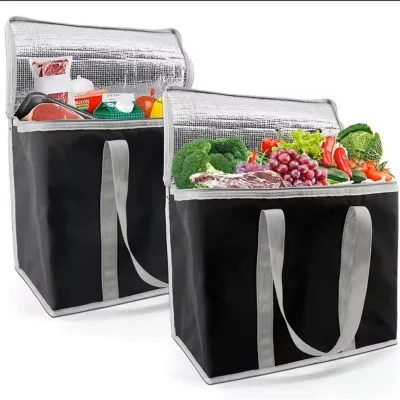


Leakproof Insulated Cooler Backpack Large Capacity Lightweight Soft Cooler Bag
$8.99 - $15.99
MOQ: 500 Pieces

Waterproof Insulated Soft Cooler Bag with Heavy Duty Leakproof 600d Material
$32.57 - $34.28
MOQ: 50 Pieces

$35.00 - $55.00
MOQ: 500 Pieces


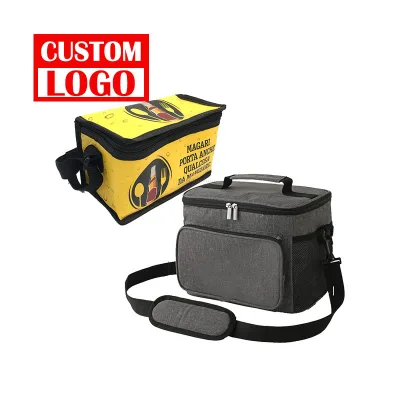

Factory Customized Waterproof Cooler Bag with Pocket Insulated Thermal Bag
$9.68 - $11.00
MOQ: 500 Pieces


Comprehensive Sourcing Guide
Strategic Sourcing Guide for Waterproof 600D Insulated Cooler Bags
Understanding Material Composition and Construction Standards
When sourcing a Waterproof 600d Insulated Cooler Bag, the primary focus must be on the durability of the outer shell and the efficacy of the thermal lining. The term "600D" refers to the denier count of the polyester fabric, indicating a balance between weight and tensile strength suitable for heavy-duty use. In the current market, the predominant material observed for these products is polyester, which provides the necessary structural integrity to withstand the rigors of transport. Buyers should verify that the fabric is treated to be waterproof, as this is a critical performance requirement for keeping contents dry during road trips, picnics, hiking, or beach trips.
The construction of these bags often involves specific closure mechanisms to ensure thermal retention and security. Common configurations include a combination of laces and zippers, or a dedicated zipper system designed to create a tight seal. The internal insulation is what differentiates a standard tote from a functional cooler bag. The thermal performance is typically measured by the "cold time," which varies based on the thickness of the insulation and the quality of the lining. Observed data indicates that cold retention capabilities can range from 4 to 6 hours in certain configurations, while others are engineered to maintain temperatures for over 6 hours. This variance suggests that buyers must request specific thermal testing data or performance guarantees from potential suppliers rather than assuming a universal standard.
The physical dimensions of the bag are equally critical for application suitability. Market observations show sizes ranging from compact dimensions like 25x16x19 cm to larger formats such as 26x16x36 cm. The capacity is generally categorized as "Big," making these units suitable for carrying significant quantities of food and beverages. The bearing capacity of the finished product typically falls between 3 and 10 kg, which dictates the strength required for the handles and stitching. When evaluating a specific model, such as those designated with model numbers like Cooler Bag-087N or SH-16032272, buyers should cross-reference the listed size and weight specifications to ensure they align with their logistical needs.
Compliance, Certification, and Safety Verification
In the B2B procurement of insulated bags, particularly those intended for food-related applications, verifying compliance with safety standards is non-negotiable. While specific certification statuses vary by manufacturer, buyers should look for evidence of third-party testing and adherence to recognized international standards. The market has shown instances where products carry certifications such as SGS, BSCI, CE, and RoHS. These certifications indicate that the manufacturing process and the final product have undergone scrutiny regarding social responsibility, chemical safety, and electrical compliance (if applicable).
However, it is crucial to distinguish between observed certifications and guaranteed standards for every unit. For instance, while some product listings mention "SGS BSCI" or "SGS BSCI CE RoHS" as standards, buyers must not assume that every supplier in the category automatically meets these criteria without verification. The presence of a certificate should be treated as a claim that requires validation through the supplier's documentation. Buyers should explicitly request current certificates of analysis or compliance for the specific batch they intend to purchase.
Regarding chemical safety, the absence of ethylene oxide sterilization is a notable attribute in some product lines. This is relevant for buyers concerned about residual chemicals in the fabric or lining, particularly if the bags are intended for direct contact with food items. The standard for such products often involves ensuring that no harmful residues are present. While some background information may reference standards like EN71-3, which pertains to toy safety, the primary focus for cooler bags should be on food-grade safety and general material toxicity. Buyers should verify that the materials used, including the polyester and any adhesives or zippers, do not leach harmful substances, especially when the bag is exposed to varying temperatures.
Cost Drivers and Pricing Structure Analysis
The pricing of waterproof 600D insulated cooler bags is influenced by a complex interplay of material costs, customization requirements, and order volume. The observed price range in the market spans from approximately $0.04 to $55.00 USD. This wide disparity is not indicative of quality alone but rather reflects differences in order quantity, design complexity, and the level of customization. The Minimum Order Quantity (MOQ) is a significant factor in determining the unit cost. Data indicates that MOQs can range from 50 units to 5,000 units, with specific models requiring thresholds such as 100 or 500 pieces.
Suppliers offering lower unit prices typically operate on higher volume models where economies of scale reduce the per-unit manufacturing cost. Conversely, buyers seeking smaller quantities or highly customized designs will face higher per-unit costs. Customization options, such as adding logos, selecting specific colors like pink, gold, red, green, or blue, and altering the style to fit a brand's identity, add to the production complexity and cost. The "OEM/ODM" (Original Equipment Manufacturer/Original Design Manufacturer) capability of a supplier is a key indicator of their ability to accommodate these custom requests. Suppliers that accept OEM/ODM orders often have more flexible pricing structures but may require higher MOQs to justify the setup costs.
Other cost drivers include the packaging method. Standard packaging often involves individual polybag packing, while customized packaging solutions will incur additional fees. The origin of the product, typically China for this category, also influences logistics costs, which are separate from the unit price. Buyers must calculate the total landed cost, including shipping and duties, rather than focusing solely on the factory gate price. The weight of the product, which can exceed 1.5 kg for some models, also impacts shipping expenses, particularly for air freight. Understanding these variables allows buyers to negotiate more effectively and select a supplier whose pricing model aligns with their budget and volume requirements.
Typical Applications and Usage Scenarios
The versatility of the Waterproof 600d Insulated Cooler Bag makes it suitable for a diverse range of applications. The primary usage scenarios identified include road trips, picnics, hiking, grocery shopping, and beach trips. These activities require a bag that can withstand outdoor elements while maintaining the temperature of its contents. The "Usage Type" is often classified as a travel cooler bag, emphasizing its portability and durability for mobile environments.
For outdoor enthusiasts, the bag's shape and style are critical. Some models feature a "Dumpling Type" shape or a "Simplicity" style, which may appeal to specific consumer demographics. The gender classification is generally "Unisex," making these products suitable for a broad market. The seasonality is noted as "All," indicating that the product is not limited to summer use but can be utilized year-round for keeping items cold or warm. The fashion elements, such as contrast colors, add an aesthetic appeal that can be leveraged for retail branding.
In a commercial context, these bags are frequently used for promotional purposes or as part of a larger product line. The "Item" description often highlights features like "Extra Large Insulated Cooler Bag" or "Portable Polyester Thermal Insulated Water Bag," which signals their capacity and intended function. The bearing capacity of 3-10 kg ensures that the bag can handle the weight of multiple beverages or food items without structural failure. Whether for a student carrying lunch, a family going on a camping trip, or a business distributing branded merchandise, the bag must balance functionality with durability. The "Hardness" of the bag is typically "Soft," allowing it to be compressed or folded for storage when not in use, which is a desirable trait for space-constrained environments.
Supplier Evaluation and Manufacturing Capabilities
Selecting the right supplier is paramount to ensuring product quality and supply chain reliability. Buyers should prioritize suppliers who are verified manufacturers rather than trading companies. Evidence of "Factory Production" capabilities, such as the ability to produce backpacks or similar textile goods, suggests a robust manufacturing infrastructure. The "Manufacturer" attribute should be confirmed through site audits or video verifications of the production floor.
The lead time for samples is a critical metric for evaluating supplier responsiveness. Observed sample lead times range from 7 to 15 days, which serves as a benchmark for the supplier's operational efficiency. Buyers should expect that the bulk production lead time will be longer and should be negotiated based on the order volume and customization requirements. The "Sample Lead Time" also reflects the supplier's ability to produce prototypes quickly, which is essential for validating design and quality before committing to a large order.
When evaluating a supplier, buyers should also assess their customization capabilities. The "Customization" attribute is marked as "Available" for many products, indicating that suppliers are willing to adapt the product to specific client needs. This includes customizing the standard, which can be tailored to specific requirements, and adjusting the packing method. The "prod_standard" is often listed as "customized," meaning the supplier can meet specific client specifications rather than adhering to a rigid, one-size-fits-all standard.
Quality Control and Long-Term Procurement Considerations
Maintaining consistent quality is essential for long-term procurement success. Buyers must implement a rigorous quality control (QC) process that covers material inspection, in-process checks, and final product testing. The "prod_packing" should be verified to ensure that each unit is packed correctly, typically in a polybag, to prevent damage during transit. For customized orders, the packing method may vary, and this should be clearly defined in the purchase agreement.
Long-term considerations include the durability of the product and the consistency of the supplier's output. The "Cold Time" performance must be consistent across batches. If a supplier claims a cold retention of over 6 hours, this should be verified through repeated testing. The "Weight" of the product, which can be around 1 kg or exceed 1.5 kg, should remain consistent to ensure that the product meets the specified bearing capacity. Any deviation in weight could indicate changes in material thickness or insulation quality.
Buyers should also consider the environmental impact and sustainability of the materials used. While specific eco-certifications may not be explicitly listed for all products, the use of polyester and the absence of ethylene oxide sterilization are factors to consider. Establishing a long-term relationship with a supplier who is transparent about their manufacturing processes and willing to collaborate on quality improvements is key. The ability to accept OEM/ODM orders suggests a level of flexibility that can support long-term brand development.
Comparative Analysis of Product Specifications
To facilitate decision-making, buyers can compare key specifications across different product models. The following table summarizes the observed attributes for representative models in the market.
| Specification | Model A (Cooler Bag-087N) | Model B (SH-16032272) | Model C (SH-16011205) |
|---|---|---|---|
| Material | Polyester | Polyester | Polyester |
| Color Options | Pink, Gold, Red | Blue, Green | Pink |
| Size | 251619 Cm | 26X16X36cm | Not Specified |
| Cold Time | >6h | 4-6h | Not Specified |
| Weight | >1.5 Kg | 1kg | Not Specified |
| MOQ | 100 | 500 PCS | Not Specified |
| Certification | SGS BSCI | SGS BSCI CE RoHS | Not Specified |
| Closure | Laces & Zipper | Zipper | Not Specified |
| Usage | Road Trips, Picnics | Outdoor, Travel | Sports, Camping |
| Style | Tote Bags | Simplicity | Not Specified |
This comparison highlights the variability in specifications. Model A offers a longer cold time and a lower MOQ, making it suitable for smaller orders requiring high thermal performance. Model B is larger and offers a broader range of certifications, which may be preferable for buyers targeting markets with strict regulatory requirements. Model C focuses on specific usage types like sports and student activities. Buyers should use this data to align product selection with their specific market needs and operational constraints.
Final Procurement Recommendations
In conclusion, sourcing a Waterproof 600d Insulated Cooler Bag requires a meticulous approach that balances technical specifications, compliance, cost, and supplier reliability. Buyers must verify material quality, thermal performance, and certification status through direct communication with suppliers. The wide range of prices and MOQs necessitates a clear understanding of the buyer's volume requirements and budget constraints. By focusing on suppliers with verified factory capabilities and a track record of customization, buyers can secure a supply chain that delivers high-quality products consistently. The ultimate goal is to select a product that not only meets the immediate functional requirements but also supports long-term brand growth and customer satisfaction.
FAQs
What materials are used for waterproof 600d insulated cooler bags?
These bags are primarily constructed from polyester fabric to ensure durability and water resistance. The material is treated to withstand outdoor conditions while maintaining thermal insulation for food and beverages.
How long can the bag maintain cold temperatures?
Cold retention times vary by model, with some maintaining temperatures for 4 to 6 hours and others exceeding 6 hours. Buyers should verify specific thermal performance data for the chosen model before purchase.
What certifications are available for these insulated bags?
Available certifications include SGS, BSCI, CE, and RoHS, indicating compliance with safety and social responsibility standards. Buyers must request current certificates for specific batches as not all units automatically carry these marks.
Can I customize the color and design of the bag?
Customization is available for colors such as pink, gold, red, green, and blue, along with style adjustments. OEM and ODM services are acceptable, allowing for tailored designs and branding options for bulk orders.
What is the minimum order quantity for these bags?
Minimum order quantities range from 50 to 5000 pieces depending on the specific supplier and model. Some models require a minimum of 100 or 500 pieces, while others may start at 50 units.
Where are these cooler bags manufactured?
The products originate from China, where factory production capabilities for backpacks and similar textile goods are established. Buyers should verify factory status to ensure direct manufacturing rather than trading company intermediaries.
What is the typical weight and capacity of the bag?
Product weights typically range from 1 kg to over 1.5 kg, with a bearing capacity between 3 and 10 kg. Capacities are generally categorized as big, suitable for carrying significant quantities of items.