Source Waterproof 4 Pin Oxygen Sensor for Aquaculture, Industrial, Cosmetic
Find 30 verified options for the Waterproof 4 Pin Oxygen Sensor suitable for aquaculture, industrial monitoring, and cosmetic applications. Compare specifications like measuring range, response time, and temperature compensation to select the right dissolved oxygen test equipment for your needs.
Key considerations
Products List


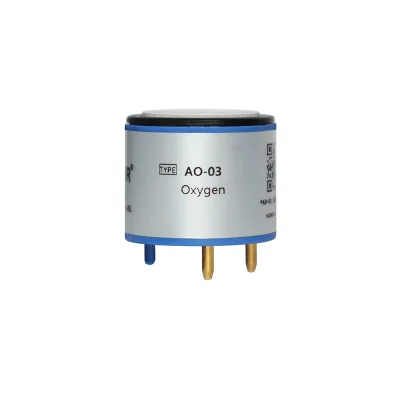
Precision Black Waterproof Dissolved Oxygen Sensor for Water Quality Sensor
$68.30 - $72.30
MOQ: 3 Pieces




Comprehensive Sourcing Guide
Waterproof 4 Pin Oxygen Sensor Sourcing Guide
Procuring a waterproof 4-pin oxygen sensor requires distinguishing between general dissolved oxygen meters and specialized industrial electrodes designed for harsh environments. The observed market data indicates a diverse range of products, from portable digital meters to fixed industrial probes, each serving distinct operational needs in aquaculture and industrial settings. Buyers must carefully align their specific application requirements, such as measuring media type or operating pressure, with the sensor's physical design to ensure compatibility.
The core functionality often centers on polarographic or optical technologies, with specific models offering automatic temperature compensation to maintain accuracy across varying conditions. While some listings highlight a measuring range of 0.0 to 20 mg/L for water applications, others specify ranges up to 100 Vol.% O2 for gas monitoring. Understanding these technical distinctions is critical before initiating a procurement process, as the wrong sensor type can lead to significant measurement errors and operational downtime.
Product Scope and Observed Listing Signals
The current market listings reveal a wide spectrum of product attributes, including shell materials like ABS and specific interface types such as aviation plugs. These physical characteristics are vital for ensuring the sensor can withstand the mechanical stresses of its intended environment while maintaining a secure electrical connection. Buyers should verify that the housing material, often described as white or black ABS, matches the chemical resistance requirements of the specific liquid or gas being tested.
Listing signals also indicate variations in packaging and unit configurations, ranging from single-piece boxes to bulk cartons containing twenty sets. This variability suggests that procurement strategies must account for different order volumes and logistical needs, as some suppliers may offer customized packing solutions while others adhere to standard industrial packaging. It is essential to confirm the exact contents of the package to avoid unexpected costs or logistical complications upon delivery.
Technical Specifications to Verify
Technical verification must begin with the measuring range and resolution, as observed data shows ranges from 0-20 mg/L with resolutions as fine as 0.01 mg/L. Buyers need to ensure the selected sensor can detect the specific concentration levels required for their process, whether for low-level monitoring in aquaculture or high-range detection in industrial gas applications. The response time is another critical metric, with observed values ranging from under 15 seconds to under 45 seconds, directly impacting the speed of process control adjustments.
Environmental operating limits are equally important, with some units rated for temperatures between 5 and 40 degrees Celsius while others support a broader 0 to +50 C range. Waterproof ratings, such as IP67, provide assurance against water ingress, but buyers must also check the operating pressure and humidity ranges to ensure the sensor will not fail under extreme site conditions. Confirming these parameters against the specific site environment prevents premature sensor failure and ensures data integrity.
Compliance and Safety Documentation
Compliance documentation serves as a primary indicator of a supplier's commitment to safety and regulatory adherence, with observed listings citing CE and RoHS certifications. These certifications suggest that the product meets specific European safety and environmental standards, which is often a prerequisite for importing equipment into regulated markets. Buyers should request valid certification documents to verify that the sensor's electrical components and materials do not contain restricted substances that could violate local laws.
Beyond general certifications, specific product standards like ISO or nominal weight specifications may be listed, though these require careful interpretation to ensure they apply to the specific model being purchased. It is crucial to distinguish between general company standards and product-specific compliance, as a supplier might claim ISO adherence for their manufacturing process without the specific sensor model being individually certified. Verifying the exact scope of these certifications protects the buyer from potential legal and safety liabilities.
Cost Drivers and Commercial Terms
Cost structures for these sensors are influenced by the complexity of the internal electronics, the quality of the housing material, and the inclusion of advanced features like automatic temperature compensation. While observed price ranges span from $0.01 to $1000, this wide variance likely reflects differences in brand positioning, technology type, and included accessories rather than a simple linear cost model. Buyers should analyze the total cost of ownership, including the expected one-year work life and the frequency of required replacements, rather than focusing solely on the initial purchase price.
Commercial terms such as Minimum Order Quantity (MOQ) and customization support significantly impact the final procurement cost and flexibility. Listings indicate MOQs ranging from 1 to 100 units, with some suppliers offering OEM and ODM support for tailored solutions. Understanding these terms allows buyers to negotiate effectively, balancing the need for bulk pricing against the flexibility required for pilot projects or specialized applications that may not fit standard inventory models.
Supplier Qualification and Quality Control
Supplier qualification should focus on the origin of the product and the consistency of their manufacturing processes, with observed origins including Henan and Shenzhen in China. These regions are known for electronics manufacturing, but buyers must verify the specific factory capabilities to ensure consistent quality control and adherence to the stated specifications. The presence of a defined work life, such as one year, suggests a standard product lifecycle that should be backed by a robust quality assurance program from the manufacturer.
Quality control checks must extend beyond the initial product inspection to include verification of the sensor's performance under actual operating conditions. Buyers should request test data or sample units to validate claims regarding measurement accuracy, such as ±0.3 mg/L, and repetitiveness, which is listed as less than 0.1 mg/L in some models. Establishing a clear quality agreement with the supplier ensures that any deviations from these performance metrics are addressed promptly, maintaining the reliability of the measurement system.
Long-Term Procurement Checks
Long-term procurement success depends on establishing a reliable supply chain that can support the sensor's maintenance and replacement needs over its operational life. Given the observed work life of one year, buyers must plan for regular replacement cycles and ensure that the supplier can consistently provide compatible models without significant lead time delays. A stable supply relationship reduces the risk of production interruptions caused by sensor failure or the unavailability of spare parts.
Continuous monitoring of the sensor's performance and the supplier's ability to meet evolving technical requirements is essential for maintaining operational efficiency. Buyers should regularly review the product specifications against their changing process needs, as technology advancements may offer improved response times or wider operating ranges. Proactive engagement with the supplier ensures that the procurement strategy remains aligned with the latest industry standards and technological capabilities.
FAQs
What is the measuring range for dissolved oxygen sensors?
The measuring range is typically 0.0 to 20 Mg/L for liquid applications. Some models support 0-100 Vol.% O2 for gas media. This range covers most aquaculture and industrial testing needs. Ensure the selected sensor matches your specific media type for accurate results.
Can these sensors operate in varying temperatures?
Yes, most sensors feature automatic temperature compensation. The operating temperature range is generally 5-40 degrees Celsius or 0-50 degrees Celsius. This ensures stable readings across different environmental conditions. Always verify the specific model's temperature limits before deployment in extreme climates.
Which certifications are available for these oxygen sensors?
Available certifications include CE and RoHS compliance. Some products adhere to ISO standards. These certifications ensure safety and quality for international markets. Buyers should request specific certification documents from suppliers to verify compliance with local regulations before placing orders.
How long is the typical working life of the sensor?
The typical working life is approximately one year. This duration depends on usage frequency and maintenance practices. Regular calibration and proper storage can extend sensor longevity. Buyers should factor in replacement costs when calculating total ownership expenses for long-term projects.
What is the response time for these digital meters?
Response times vary by model, typically ranging from under 15 seconds to 45 seconds. Faster response times are crucial for dynamic testing environments. The resolution is often 0.01mg/L with an accuracy of ±0.3mg/L. Select a model based on your required speed and precision levels.
Are customization options available for industrial buyers?
Yes, customization is available through OEM and ODM support. Buyers can request specific packaging, branding, or technical modifications. Minimum order quantities may apply for customized runs. Contact suppliers directly to discuss specific requirements and lead times for tailored solutions.