Source Waterproof Biodegradable Mail Bag for Shopping, Promotion, and Household
Compare 30 Waterproof Biodegradable Mail Bag options from Henan, China. These bags feature high-pressure polyethylene or Pbat+PLA materials, come in straight tube or seal shapes, and offer customization with logo printing for shopping, promotion, and household use.
Key considerations
Products List

Biodegradable Courier Mail Mailing Shipping Bags Large Biodegradable Mail Bags
$0.08 - $0.12
MOQ: 5000 Pieces

Custom Courier Bag Biodegradable Mailer Bags Waterproof Plastic Shipping Bag
$0.26 - $0.30
MOQ: 5000 Pieces


Biodegradable Compostable Poly Mailer Waterproof Mailing Bag with Logo
$0.20 - $0.50
MOQ: 10000 Pieces


Earth Friendly Starch Based Biodegradable Mailing Bag, Compostable Courier Bag
$2950.00 - $3200.00
MOQ: 2 Tons


Cheap 100% Biodegradable Mailer Bag, Compostable Customized Courier Bag
$3670.00 - $4200.00
MOQ: 2 Tons


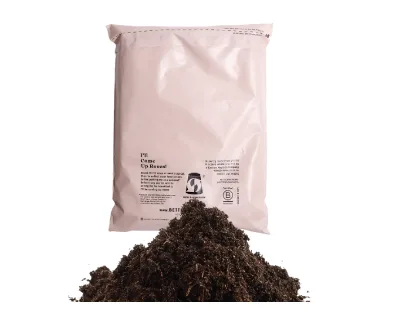


Carbon Neutral Compostable Mail Bags, Zero Waste Biodegradable Shipping Bags
$0.01 - $0.30
MOQ: 5000 Pieces

Carbon Neutral Compostable Mail Bags, Zero Waste Biodegradable Shipping Bags
$0.01 - $0.30
MOQ: 5000 Pieces


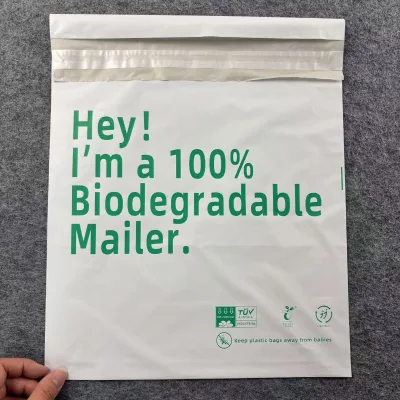
Comprehensive Sourcing Guide
Sourcing Strategy for Waterproof Biodegradable Mail Bags
The global shift toward sustainable packaging has elevated the demand for waterproof biodegradable mail bags, particularly within the e-commerce and logistics sectors. Buyers seeking this specific product category must navigate a complex landscape where material science, environmental compliance, and functional performance intersect. The core objective is to secure packaging that protects goods from moisture while ensuring end-of-life disposal aligns with circular economy principles. This guide provides a structured approach to sourcing these bags, focusing on technical specifications, certification verification, and supplier evaluation based on current market realities and observed product attributes.
Technical Specifications and Material Composition
Understanding the material composition is the first critical step in sourcing waterproof biodegradable mail bags. Unlike traditional polyethylene bags, biodegradable variants rely on specific polymer blends to achieve both durability and compostability. Based on observed product data, the raw materials frequently cited include Polybutylene Adipate Terephthalate (PBAT), Polylactic Acid (PLA), and Corn Starch (St). These materials are often combined in specific ratios, such as "Pbat+PLA+St" or "Pbat+PLA+Cornstarch," to balance mechanical strength with degradation rates.
The physical structure of these bags varies significantly to meet different shipping needs. Common shapes observed in the market include straight tube bags, seal bags, and shaped bags designed for specific contents. The sealing method is equally important; self-sealing mechanisms are prevalent, offering convenience for high-volume operations. Furthermore, the waterproof performance is a non-negotiable attribute for mail bags, as the primary function is to protect contents from rain and humidity during transit. Buyers should verify that the "Waterproof Performance" claim is backed by specific test data rather than general marketing statements.
Transparency and color are also key specification variables. While some products are transparent to allow for content visibility, others are available in black or other colors, often utilizing offset printing processes for branding. The hardness of the material typically ranges from soft to flexible, ensuring the bag can conform to irregular shapes without tearing. Weight limits are another crucial specification; observed data suggests a capacity range of 5-10 kg for many standard models, though larger formats may exist. Dimensions vary widely, with common standard sizes including 22.5cm x 50cm, 38cm x 40cm, and 20cm x 30cm, alongside fully customized options.
Compliance and Certification Verification
For biodegradable products, compliance is not merely a regulatory formality but a core value proposition. Buyers must rigorously verify certifications to ensure the product claims are legitimate. The market data highlights several high-confidence certifications associated with these products, including ISO, BSCI, TUV Ok Compost, and Seedling. These certifications indicate that the product has undergone testing for compostability and safety.
The "Seedling" and "Ok Compost" marks are particularly significant as they often relate to industrial composting standards. While the context mentions ASTM D6400 as a background standard, buyers should be cautious not to assume automatic compliance without specific documentation. The presence of certifications like ISO and BSCI suggests that the manufacturing facility adheres to international quality and social responsibility standards. When evaluating suppliers, request physical copies of these certificates and verify their validity dates. It is essential to understand that "biodegradable" is a broad term; specific certifications define the conditions under which the bag will degrade, such as temperature and humidity requirements in industrial composting facilities versus home composting environments.
Buyers should also be aware of the distinction between "biodegradable" and "compostable." While many products in this category claim both, the specific certification determines the end-of-life pathway. The "TUV Ok Compost" certification, for instance, is a recognized standard that validates the product's ability to break down within a specific timeframe under controlled conditions. Without these third-party validations, claims of biodegradability may be considered greenwashing, potentially exposing the buyer to reputational risk.
Cost Drivers and Pricing Dynamics
The pricing of waterproof biodegradable mail bags is influenced by several volatile factors, primarily the cost of raw materials and the complexity of the manufacturing process. The observed price range in the market spans from $0.01 to $4,200, a wide spectrum that reflects differences in order volume, customization levels, and material quality. The lower end of the spectrum typically corresponds to standard, non-customized bags ordered in high volumes, while the higher end includes specialized designs, custom printing, or smaller batch sizes.
Material costs are a primary driver. The blend of PBAT, PLA, and corn starch is generally more expensive than traditional petroleum-based plastics due to the sourcing and processing requirements of bio-based polymers. Additionally, the "Composite Packaging Bag" making process and "Plastic Packaging Bags" manufacturing techniques add layers of cost, especially when incorporating features like self-sealing strips or high-strength seals. Customization is another significant cost factor. The availability of customization options, including specific dimensions, colors, and logo printing via offset printing, will increase the unit price.
Minimum Order Quantities (MOQ) also play a critical role in the final cost structure. The observed MOQ range is between 2 and 100,000 units. Smaller MOQs, suitable for startups or test runs, often carry a higher per-unit cost due to setup fees and production line inefficiencies. Conversely, bulk orders of 100,000 units can significantly reduce the per-unit price. Buyers must balance their inventory needs with cash flow constraints to optimize costs. It is also important to consider the lead time, which is observed to be between 15 and 20 days. Longer lead times may require earlier planning and potentially higher inventory holding costs, which should be factored into the total cost of ownership.
Typical Applications and Usage Scenarios
Waterproof biodegradable mail bags serve a diverse range of applications, extending beyond simple shipping. The observed usage categories include shopping, promotion, packing, gifts, and household storage. This versatility makes them suitable for various industries, from fashion and retail to electronics and food packaging. In the e-commerce sector, these bags are ideal for shipping clothing, accessories, and non-fragile items where moisture protection is essential. The "Shopping" and "Promotion" tags indicate their utility in retail environments where branding and customer experience are paramount.
The specific shape and variety of the bag determine its suitability for different products. Straight tube bags and seal bags are often used for general merchandise, while shaped bags may be designed for specific items like shoes or bottles. The "Upright Bag" variety is particularly useful for products that need to stand on shelves or in display cases. The "Back Seal Bags" and "Adhesive Bags" offer different sealing mechanisms that can enhance security and ease of use for the end consumer.
Furthermore, the "Disposable" nature of these bags aligns with single-use product trends, provided they are disposed of correctly. The "Moisture Proof" feature is critical for products sensitive to humidity, such as paper goods, textiles, and certain electronics. The ability to print logos allows brands to turn the packaging into a marketing tool, reinforcing brand identity during the unboxing experience. Buyers should match the bag's specifications, such as weight limits and dimensions, to the specific products they intend to ship to ensure optimal performance and customer satisfaction.
Supplier Evaluation and Quality Control
Selecting the right supplier is crucial for maintaining product quality and supply chain reliability. When evaluating potential partners, buyers should look for evidence of the observed attributes, such as the origin in Henan or China, and the specific production capabilities like offset printing and composite packaging. The supplier's ability to provide "Cartons/Boxes, Pallets Available as Request" indicates flexibility in logistics and packaging, which is essential for efficient shipping and storage.
Quality control should be a central part of the evaluation process. Buyers must verify that the supplier consistently produces bags that meet the specified standards, such as the 3840CM or 22.5cm50cm dimensions. The "Hardness" and "Transparency" attributes should be consistent across batches to ensure uniformity. It is also important to assess the supplier's track record regarding the "Waterproof Performance" and "Weight Limit" claims. Requesting samples for physical testing, including water resistance and tensile strength, is a prudent step before committing to a large order.
The supplier's commitment to sustainability should be evident in their documentation and practices. The presence of certifications like ISO, BSCI, and TUV Ok Compost suggests a commitment to quality and ethical manufacturing. Buyers should also inquire about the supplier's waste management and recycling policies to ensure their entire supply chain aligns with their sustainability goals. The ability to offer "Customization" and "Your Bag" solutions indicates a flexible manufacturing process capable of meeting unique buyer requirements.
Long-Term Procurement Considerations
Sourcing waterproof biodegradable mail bags is not just a one-time transaction but a long-term strategic decision. Buyers should consider the scalability of the supply chain and the stability of the raw material market. The reliance on bio-based materials like PLA and corn starch means that supply fluctuations in the agricultural sector could impact production. Establishing a long-term relationship with a supplier who has a robust supply chain can mitigate these risks.
Additionally, buyers should monitor evolving regulations regarding biodegradable packaging. Standards and certification requirements may change, and suppliers who stay ahead of these trends will be better positioned to support their clients. The "Customized" standard option suggests that buyers can adapt their packaging to future regulatory changes or brand evolution. It is also important to consider the end-of-life infrastructure available in the target markets. Even if a bag is certified compostable, it will not degrade effectively if disposed of in a landfill. Buyers should educate their customers on proper disposal methods to ensure the environmental benefits are realized.
Finally, the total cost of ownership should be evaluated over time. While the initial unit cost may be higher than traditional plastic, the potential for brand differentiation and compliance with sustainability mandates can provide a competitive advantage. Buyers should regularly review their procurement strategies to ensure they are optimizing for both cost and sustainability, adapting to market changes and technological advancements in biodegradable materials.
| Attribute | Observed Range/Option | Verification Requirement |
|---|---|---|
| Raw Materials | PBAT, PLA, Corn Starch | Verify blend ratios and purity |
| Certifications | ISO, BSCI, TUV Ok Compost, Seedling | Check validity and scope |
| Dimensions | 20cm30cm to 38cm40cm (Custom available) | Confirm tolerance levels |
| Waterproof | Waterproof | Request water resistance test data |
| Sealing | Self-sealing, Back Seal, Adhesive | Test seal integrity under load |
| Lead Time | 15-20 Days | Confirm production capacity |
| MOQ | 2 to 100,000 units | Negotiate based on volume |
By adhering to these guidelines and focusing on verified attributes, buyers can successfully source high-quality waterproof biodegradable mail bags that meet both functional and environmental requirements. The key lies in rigorous verification, clear communication with suppliers, and a strategic approach to long-term procurement.
FAQs
What raw materials are used for waterproof biodegradable mail bags?
These bags typically use a blend of PBAT, PLA, and corn starch to achieve biodegradability. The specific composition may vary, with some products listing Pbat+PLA+St or Pbat+PLA+Cornstarch as the primary raw materials for the composite packaging structure.
Which certifications verify the biodegradable claims of these bags?
High-confidence certifications include ISO, BSCI, TUV Ok Compost, and Seedling marks. These third-party validations confirm the product meets specific compostability and safety standards rather than relying on general marketing statements about biodegradability.
Can these bags be customized with specific dimensions and logos?
Yes, customization is available for dimensions, colors, and logo printing via offset printing. Buyers can request specific sizes like 38*40CM or 22.5cm*50cm, and the supplier offers flexible packaging options such as cartons or pallets upon request.
What is the typical lead time for ordering these mail bags?
The standard delivery time ranges from 15 to 20 days for production and shipping. This lead time applies to orders placed with suppliers in Henan, China, and may vary slightly depending on the complexity of customization and order volume.
How much weight can a standard Waterproof Biodegradable Mail Bag hold?
Observed products support a weight limit of 5 to 10 kg for standard models. This capacity ensures the bag remains durable during transit while protecting contents from moisture, making them suitable for shopping and promotional packaging needs.
What sealing methods are available for these biodegradable bags?
Self-sealing mechanisms are commonly used for convenience in high-volume operations. The bags also come in various shapes like straight tube bags, seal bags, and shaped bags, with options including back seal and adhesive varieties for different applications.
Where are these waterproof biodegradable mail bags manufactured?
The primary manufacturing origin for these products is Henan, China. Suppliers in this region produce bags using composite packaging processes and offer various raw material blends to meet the demand for sustainable and waterproof packaging solutions.