Source Marine Rope for Shipping, Security, and Outdoor Gear
Source Marine Rope from 30 verified listings. Compare options in nylon, polypropylene, and polyester. Evaluate specifications for shipping, security, and outdoor gear applications to find the right fit for your procurement needs; compare the available evidence and request quotations based on your requirements.
Key considerations
Products List


$0.50 - $6.00
MOQ: 500 Meters


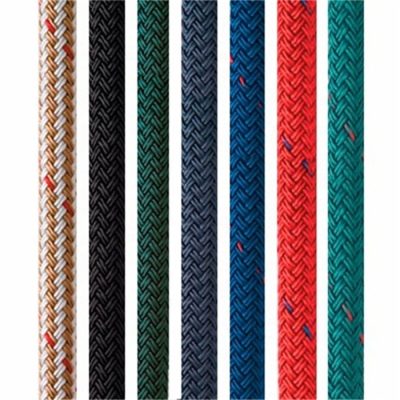


Comprehensive Sourcing Guide
Marine Rope Sourcing Guide
Sourcing Marine Rope requires a disciplined approach to material selection, as the operational environment demands high resistance to saltwater corrosion, UV degradation, and mechanical abrasion. Buyers must distinguish between synthetic fibers like nylon, polypropylene, and polyester, each offering distinct advantages in elasticity, buoyancy, and strength. The observed market data indicates a wide variety of constructions, including braided, twisted, and parallel fiber ropes, which directly influence performance in critical applications such as mooring, towing, and cargo securing. Understanding these material properties is the first step in aligning product specifications with the specific demands of maritime operations.
Procurement decisions are further complicated by the diverse usage scenarios listed in current market listings, ranging from general shipping and agriculture to specialized outdoor gear and security applications. This breadth suggests that a single "Marine Rope" specification is insufficient; buyers must define the exact load requirements and environmental exposure for their use case. For instance, ropes intended for heavy-duty shipping may require different tensile strengths and wear resistance compared to those used for light decoration or packaging. Therefore, the initial sourcing strategy should focus on narrowing down the material and construction type based on the primary functional requirement rather than accepting generic product descriptions.
Product Scope and Observed Listing Signals
The current market landscape for marine ropes reveals a significant diversity in product types, with braided, twisted, and parallel fiber constructions being prominently featured. Listings indicate that materials such as nylon, polypropylene, and polyester are the primary components, each selected for specific performance characteristics like acid resistance or high pulling force. Buyers should note that customization is widely available, allowing for tailored solutions in terms of diameter, length, and packaging. This flexibility is crucial for specialized maritime needs, but it also requires clear communication of technical requirements to suppliers to ensure the final product meets operational standards.
Observed specifications highlight a wide range of diameters, with some products covering sizes from 6mm to 300mm, depending on the rope construction. For example, three-strand ropes are often listed in the 6mm to 70mm range, while eight-strand ropes may vary similarly. Packaging options also vary significantly, including coils, reels, spools, and cartons, which impacts logistics and storage efficiency. Buyers must verify these physical attributes against their inventory and handling capabilities, as improper packaging can lead to damage during transit. Additionally, the presence of certifications such as ISO and CCS in some listings suggests a tiered market where certified products may command higher value and trust.
Technical Specifications to Verify
When evaluating marine ropes, the construction type is a critical technical parameter that dictates performance under load. Braided ropes, for instance, are often praised for their sturdiness and durability, making them suitable for applications requiring high abrasion resistance. In contrast, twisted ropes may offer different handling characteristics and cost efficiencies. Buyers should verify the strand count, such as three-strand or eight-strand configurations, as this influences the rope's flexibility and strength distribution. It is essential to confirm that the specified construction matches the intended use, whether it is for static mooring or dynamic towing, to prevent premature failure.
Material composition and diameter are equally vital specifications that must be cross-referenced with performance claims. Nylon ropes are noted for good acid resistance, while polypropylene options are often highlighted for their wear-resistant properties. Buyers must ensure that the stated diameter, which can range from 12mm to 24mm in some listings or up to 300mm in others, aligns with the required tensile strength. Pulling force capabilities, described as "strong" in some contexts, should be validated through technical data sheets rather than marketing language. Verifying these core technical attributes ensures that the selected rope can withstand the mechanical stresses of marine environments without compromising safety.
Compliance and Safety Documentation
Certification plays a pivotal role in validating the quality and safety of marine ropes, particularly for commercial shipping and offshore applications. Listings indicate that certifications such as ISO 9001, CCS, ABS, and CE are available for certain products, signaling adherence to international quality and safety standards. Buyers should prioritize suppliers who can provide these certifications, as they offer assurance that the manufacturing processes and material quality have been independently verified. However, it is crucial to confirm that the specific certification applies to the exact product model and material being purchased, as certifications may not cover the entire product range.
Safety documentation should also include detailed information on load-bearing capacities and failure modes. While some listings mention "strong pulling force" or "two-point fixed modes," these claims must be supported by rigorous testing data. Buyers should request test reports that demonstrate the rope's performance under extreme conditions, including saltwater exposure and UV degradation. Additionally, understanding the fixed mode and installation requirements is essential for ensuring safe deployment. Proper documentation not only aids in regulatory compliance but also provides a clear basis for liability and risk management in maritime operations.
Cost Drivers and Commercial Terms
The cost of marine ropes is influenced by several factors, including material type, construction complexity, and certification status. Nylon and polyester ropes, which offer superior strength and durability, may command higher prices compared to polypropylene options. Customization, such as specific diameters or packaging requirements, can also impact the final cost. Buyers should be aware that while some listings show low minimum order quantities, larger orders may offer better economies of scale. Understanding these cost drivers helps in budgeting accurately and negotiating favorable terms with suppliers.
Commercial terms, including packaging and shipping logistics, are significant components of the total cost of ownership. Packaging options range from simple coils and reels to more protective cartons and wooden boxes, each with different implications for handling and storage. Buyers should evaluate the total landed cost, including freight and insurance, rather than focusing solely on the unit price. Additionally, lead times and payment terms should be clearly defined in the contract to avoid delays and financial risks. Transparent commercial terms ensure a smooth procurement process and minimize unexpected expenses.
Supplier Qualification and Quality Control
Supplier qualification is a critical step in ensuring the reliability of Marine Rope procurement. Buyers should verify the supplier's manufacturing capabilities, quality control processes, and track record in the maritime industry. Suppliers with ISO 9001 certification and other relevant standards demonstrate a commitment to quality management. It is also important to assess the supplier's ability to provide consistent product quality across different batches. Requesting samples and conducting independent testing can help validate the supplier's claims and ensure that the products meet the required specifications.
Quality control measures should extend beyond initial sampling to include ongoing monitoring of production processes. Buyers should establish clear quality acceptance criteria and inspection protocols for incoming shipments. This may include visual inspections for defects, dimensional checks for diameter and length, and performance tests for tensile strength and abrasion resistance. Collaborating with suppliers to implement continuous improvement initiatives can further enhance product quality. By maintaining rigorous quality control standards, buyers can mitigate the risk of product failures and ensure the safety and efficiency of their maritime operations.
Long-Term Procurement Checks
Long-term procurement success depends on establishing strong relationships with suppliers and continuously evaluating performance. Buyers should conduct regular reviews of supplier performance, including delivery times, product quality, and responsiveness to issues. Maintaining open communication channels allows for timely resolution of any problems and fosters a collaborative partnership. Additionally, staying informed about industry trends and technological advancements can help buyers identify new opportunities for cost savings and performance improvements. Regular audits and feedback loops are essential for maintaining high standards and driving continuous improvement.
Risk management is another key aspect of long-term procurement. Buyers should diversify their supplier base to mitigate the risk of supply chain disruptions. Developing contingency plans for potential shortages or quality issues ensures business continuity. Furthermore, monitoring market conditions and price fluctuations can help in making informed purchasing decisions. By adopting a proactive approach to procurement, buyers can build a resilient supply chain that supports their operational needs and contributes to the overall success of their maritime projects.
FAQs
What materials are used for marine ropes?
Marine ropes are commonly made from nylon, polypropylene, and polyester. These materials offer specific benefits like strong pulling force and good acid resistance. Some products also feature wear-resistant properties suitable for shipping and agriculture applications.
Which certifications do Marine Rope manufacturers hold?
Manufacturers often hold ISO, ISO9001, CCS, ABS, and CE certifications. These standards ensure quality and safety for various uses including security and outdoor gear. Buyers should verify specific certifications based on their regional requirements and intended application.
How are marine ropes packaged for shipping?
Ropes are typically packaged in cartons, wooden boxes, woven bags, coils, reels, or spools. Customization options are available for specific packing needs. The choice depends on the product type and whether it is a three-strand or eight-strand rope.
Can marine ropes be customized for specific needs?
Yes, customization is available for materials, specifications, and packaging. Buyers can request specific dimensions ranging from 6mm to 300mm. Customization extends to the fixed mode and color, ensuring the rope meets unique project requirements.
What are the standard specifications for marine ropes?
Standard specifications include three-strand ropes from 6mm to 70mm and eight-strand ropes from 6mm upwards. Some models range up to 300mm in diameter. The product origin is often China, with specific models like 22062502 available.
Where are Marine Rope suppliers located?
Suppliers are primarily located in Shandong, China. This region is known for producing various rope types including twist ropes and parallel fiber ropes. Buyers can source from factories in this area for shipping and agricultural applications.
What are the usage scenarios for marine ropes?
These ropes are used for shipping, agriculture, packaging, security, and outdoor gear. They also serve in Chinese knotting and garment decoration. Their strong pulling force and wear resistance make them suitable for diverse industrial and recreational tasks.