Source Waterproof Brass Compass With Noctilucence for Travel, Gift, Home
Compare 30 listings for a waterproof brass compass with noctilucence suitable for travel, gifts, and home use. Buyers can evaluate functions like navigation and altimetry, along with customization options and material types from verified Chinese factories; compare the available evidence and request quotations based on your requirements.
Key considerations
Products List


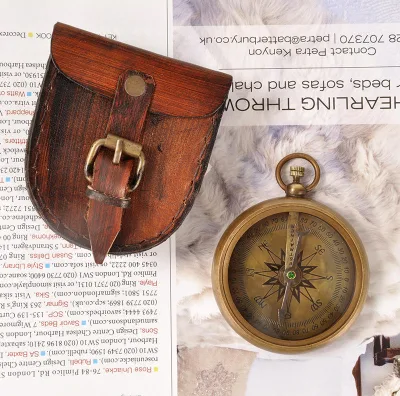


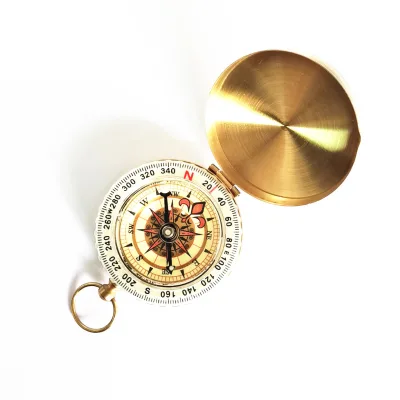


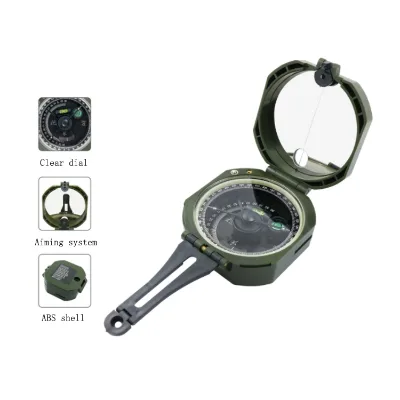
Comprehensive Sourcing Guide
Waterproof Brass Compass with Noctilucence Sourcing Guide
Procuring a waterproof brass compass with noctilucence requires balancing traditional craftsmanship with modern durability standards. Buyers must verify that the brass construction provides the necessary weight and tactile feedback while resisting corrosion in humid or marine environments. The noctiluminescent features ensure visibility in low-light conditions, a critical factor for navigation during night operations or in dense forest canopies. Understanding the specific alloy composition and plating quality is essential to prevent tarnishing and maintain legibility over time.
The sourcing landscape includes various models ranging from simple pointer displays to complex instruments with additional functions like barometers or altimeters. While some listings indicate specific models such as WXY-0506 or DC45-3A, buyers should not assume all brass compasses share identical internal mechanisms. It is vital to distinguish between purely decorative items and functional navigation tools. The presence of waterproofing and quakeproofing attributes significantly impacts the internal sealing and shock absorption design, which must be validated through technical documentation rather than marketing claims alone.
Product Scope and Observed Listing Signals
The observed market signals indicate a diverse range of products, with prices varying from $0.48 to $399, reflecting differences in material quality and feature sets. Minimum order quantities (MOQs) span from 1 to 10,000 units, allowing for both sample testing and large-scale industrial procurement. Listings frequently highlight attributes such as waterproofing, quakeproofing, and noctiluminescence, which are key differentiators for outdoor and professional use cases. Buyers should note that some products are marked as "Not Quakeproof" or "Not Waterproof," necessitating careful filtering to find units that meet specific operational requirements.
Display methods vary between pointer and digital interfaces, with some models offering both options. The core keyword suggests a preference for traditional analog pointers, which are often preferred for their reliability and lack of battery dependency. However, the presence of functions like instant messaging or gradienters in some listings indicates a convergence of traditional navigation with modern smart features. Buyers must carefully review the product specifications to ensure the compass aligns with their intended usage, whether for travel, gift-giving, or specialized home applications.
Technical Specifications to Verify
Technical verification should begin with the physical dimensions and material composition. Observed standards include sizes like 75x53x25mm for certain models, while others may be larger, such as 41.5x35.5x24.5cm, which likely refers to packaging rather than the device itself. Buyers must confirm the actual compass diameter and thickness to ensure it fits within their equipment or gear. The material is often listed as metal or plastic, but for a brass compass, specific alloy grades and plating thicknesses should be requested to guarantee durability and resistance to environmental wear.
The presence of noctiluminescent materials requires verification of their longevity and brightness decay rates. While listings mention "With Noctiluminescence," the specific type of photoluminescent paint or gas-filled tube used is rarely detailed. Buyers should inquire about the charging requirements and expected luminous duration to ensure it meets operational needs. Additionally, the waterproof rating should be confirmed, as "waterproof" can range from splash resistance to full submersion capability, impacting the seal integrity and internal component protection.
Compliance and Safety Documentation
Compliance documentation is critical for ensuring the compass meets international safety and quality standards. Buyers should request certificates of conformity that verify the materials used are free from harmful substances, particularly if the compass is intended for consumer gifts or children's use. The presence of "Safe" and "Environmentally Friendly" attributes in listings suggests a focus on non-toxic materials, but formal documentation is necessary to validate these claims. This is especially important for brass components, which may contain lead or other heavy metals if not properly regulated.
Safety also involves the reliability of the noctiluminescent materials, which must not degrade into hazardous substances over time. Buyers should verify that the compass meets relevant electrical safety standards if it includes any electronic components, such as LED lights or digital displays. For purely mechanical compasses, the focus should be on the structural integrity and the non-toxic nature of the luminous paint. Ensuring compliance with these standards protects the buyer from liability and ensures the product is suitable for global distribution.
Cost Drivers and Commercial Terms
Cost drivers for waterproof brass compasses include the quality of the brass alloy, the complexity of the waterproof sealing, and the type of noctiluminescent material used. Higher-end models with precise bearings and durable seals will command higher prices, while basic models may be significantly cheaper. The observed price range of $0.48 to $399 highlights this disparity, with buyers needing to align their budget with their performance requirements. Additional costs may arise from customization options, such as logo engraving or specific packaging, which are often available but can increase the unit price.
Commercial terms, including lead times and shipping methods, vary by supplier. Some listings indicate a delivery time of 30-40 days, which is typical for custom orders or large production runs. Buyers should clarify whether this lead time includes production, quality control, and shipping. Shipping options, such as by sea or by air, will also impact the total cost and delivery speed. Understanding these terms helps in planning inventory levels and managing cash flow, ensuring that the procurement process aligns with business needs.
Supplier Qualification and Quality Control
Supplier qualification involves verifying the manufacturer's capability to produce consistent, high-quality compasses. Buyers should look for suppliers with a proven track record in producing navigation instruments, particularly those specializing in brass and waterproof designs. The "Factory" attribute in some listings suggests direct manufacturing, which can offer better quality control and pricing. However, buyers must still conduct due diligence to ensure the supplier has the necessary equipment and expertise to maintain tight tolerances in bearing alignment and sealing.
Quality control processes should include rigorous testing for waterproof integrity, shock resistance, and luminous performance. Buyers should request test reports or inspection protocols that detail how these attributes are verified. Sampling is a critical step, allowing buyers to physically inspect the compass for build quality, ease of use, and accuracy. Establishing a clear quality agreement with the supplier, including acceptable defect rates and remediation procedures, is essential for maintaining product standards and customer satisfaction.
Long-Term Procurement Checks
Long-term procurement checks focus on the sustainability of the supply chain and the product's lifecycle performance. Buyers should monitor the supplier's ability to maintain consistent quality over time, especially as order volumes increase. Regular audits or third-party inspections can help identify any deviations in manufacturing processes or material sourcing. Additionally, buyers should assess the supplier's responsiveness to feedback and their willingness to implement improvements based on field performance data.
The longevity of the noctiluminescent features and the brass casing should be evaluated through long-term usage tests. Buyers should consider the availability of spare parts or repair services, particularly for high-value models. Ensuring that the supplier can provide ongoing support and updates on product improvements is crucial for maintaining a competitive edge. By establishing a robust long-term procurement strategy, buyers can mitigate risks and ensure a reliable supply of high-quality waterproof brass compasses.
FAQs
What functions does the waterproof brass compass with noctilucence offer?
The compass provides essential navigation and timekeeping capabilities. It integrates a barometer, thermometer, hygrometer, altimeter, and gradienter for comprehensive environmental monitoring. Some models include instant messaging features for modern connectivity. This multifunctional design ensures reliable performance during travel or outdoor adventures while maintaining durability and safety standards.
Is the compass waterproof and quakeproof for outdoor use?
Waterproof capabilities are available in specific models to protect internal mechanisms from moisture. However, quakeproof features vary by product line, with some units explicitly noted as not quakeproof. Buyers should verify the specific model attributes before purchase. The durable construction ensures safe operation in various conditions, making it suitable for travel and gift purposes when the correct variant is selected.
Can the compass display be customized for different needs?
Customization is available for the compass display methods and other attributes. Options include pointer displays or other methods depending on the model. The product supports both display types to suit user preferences. This flexibility allows buyers to tailor the instrument for specific applications, ensuring the device meets precise operational requirements for home or special use cases effectively.
What are the standard specifications for the compass models?
Standard specifications vary by model, with dimensions ranging from compact sizes like 75x53x25mm to larger formats. Models such as WXY-0506 and DC45-3A have distinct physical profiles. The product origin is typically China, with materials including metal or plastic. Buyers should check the specific model number to confirm exact dimensions and material composition for their sourcing requirements.
How long is the delivery time for bulk orders?
The standard delivery time for orders is approximately 30 to 40 days. Shipping methods include options by sea or by air to accommodate different urgency levels. The minimum order quantity can range from 1 to 10,000 units depending on the supplier. Packaging is typically provided in paper boxes or color boxes to ensure safe transit and presentation for retail or industrial use.
Does the compass feature noctilucence for low-light visibility?
Noctilucence features are available in certain models to enhance visibility in dark conditions. Some units are equipped with noctiluminescent elements, while others lack this feature entirely. Buyers must specify their requirement for light emission when selecting a model. This attribute is particularly useful for navigation tasks during nighttime or in poorly lit environments where standard pointers might be difficult to read.