Source Car Side Awning for Camping, Travel, and Relief
Explore 30 verified Car Side Awning options featuring waterproof materials, aluminum frames, and customizable sizes. Buyers can compare specifications like waterproof indices, pole types, and warranty terms to find the right gear for camping, vehicle travel, or emergency relief; compare the available evidence and request quotations based on your requirements.
Key considerations
Products List


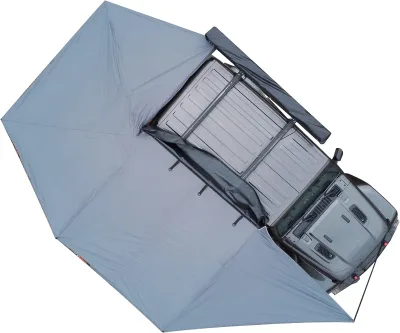
High Quality Cotton Car 270 Side Awning Freestanding Portable Car Awning
$175.00 - $184.00
MOQ: 1 Pieces




Comprehensive Sourcing Guide
Car Side Awning Sourcing Guide
Product Scope and Observed Listing Signals
The market for car side awnings presents a diverse array of configurations, ranging from simple manual extensions to complex double-skin structures designed for extended camping relief. Buyers will encounter products with varying material compositions, including polyester, canvas, and poly blends, often finished with PVC coatings for enhanced durability and weather resistance. The observed listings indicate a strong emphasis on customization, with many suppliers offering tailored dimensions and color options to suit specific vehicle racks or aesthetic preferences. This variability requires careful evaluation of the specific use case, whether it is for summer camping, vehicle shelter, or permanent outdoor installation.
Listing signals reveal significant variation in structural integrity and operational mechanisms, with options spanning from basic aluminum alloy frames to more robust wristlock pole systems. The observed price range of 35 to 620 USD reflects differences in fabric quality, waterproof indices, and included accessories such as change rooms or mosquito nets. Some products are marketed with specific standards like SGS or BV, while others emphasize manual control and easy setup features. Procurement teams must distinguish between single-skin and double-skin designs, as the latter often provides superior insulation and stability in windy conditions, directly impacting the suitability for different climates and usage scenarios.
Technical Specifications to Verify
Verifying the frame material and pole structure is critical for ensuring the awning can withstand environmental stressors without collapsing or deforming. Buyers should confirm whether the frame utilizes aluminum alloys or flexible poles, as these materials offer different balances of weight, strength, and portability. The sail material also demands close inspection, with options including Oxford cloth, poly canvas, or high-quality rip-stop fabrics. It is essential to verify the waterproof index of the outer tent, as values ranging from 1500mm to over 3000mm indicate vastly different levels of protection against heavy rainfall and moisture ingress.
Dimensional accuracy and operational ease are equally important technical factors that influence user experience and safety. The open size and package size should be clearly defined to ensure compatibility with the buyer’s vehicle rack system and storage constraints. Buyers must also assess the operation method, distinguishing between manual control systems and more complex mechanisms that may require additional training or tools. Additionally, the presence of optional items such as extension panels or integrated change rooms can significantly alter the functional footprint of the awning, requiring precise measurement of the available space around the vehicle.
Compliance and Safety Documentation
Safety and compliance documentation serve as the primary indicators of a supplier’s commitment to quality and regulatory adherence. Buyers should request evidence of relevant certifications, such as SGS or BV, which validate the product’s construction and material safety. While some listings mention specific standards like ISO 811 or ASTM D2261, these are often background references rather than guaranteed compliance markers. It is crucial to verify that the PVC coating and UV stabilization processes meet industry norms for longevity and environmental resistance, ensuring the awning does not degrade prematurely under sun exposure.
Warranty terms provide additional insight into the manufacturer’s confidence in their product’s durability and performance. A one-year or twenty-four-month warranty suggests a baseline expectation of product reliability, but buyers should scrutinize the specific conditions and exclusions attached to these warranties. Documentation should also cover the fire retardancy and chemical safety of the fabrics, particularly if the awning is intended for use in populated camping areas. Ensuring that all safety data sheets and compliance certificates are up-to-date and verifiable is a non-negotiable step in mitigating liability and ensuring user safety.
Cost Drivers and Commercial Terms
The cost of car side awnings is influenced by several key factors, including the complexity of the design, the quality of materials used, and the level of customization required. Products with double-skin structures, high waterproof indices, and additional accessories like mosquito rooms typically command higher prices within the observed range. Buyers must also consider the impact of packaging and shipping costs, as the package size and weight can significantly affect logistics expenses, especially for bulk orders. Understanding these cost drivers allows for more accurate budgeting and comparison of quotes from different suppliers.
Commercial terms such as minimum order quantity (MOQ) and lead times play a pivotal role in the procurement process, affecting inventory management and cash flow. The observed MOQ range of 1 to 50 units offers flexibility for both small-scale buyers and larger distributors, but it is essential to clarify any volume discounts or tiered pricing structures. Payment terms, return policies, and after-sales support should be explicitly defined in the contract to protect the buyer’s interests. Clear communication regarding these terms helps prevent misunderstandings and ensures a smooth transaction from order placement to delivery.
Supplier Qualification and Quality Control
Supplier qualification involves a thorough assessment of the manufacturer’s production capabilities, quality control processes, and track record. Buyers should verify the supplier’s origin, with many products originating from regions like Hebei in China, known for their manufacturing expertise in outdoor gear. It is advisable to request samples to evaluate the build quality, fabric finish, and ease of setup before committing to a larger order. Checking the supplier’s history with similar clients and their ability to handle customization requests can provide valuable insights into their reliability and flexibility.
Quality control measures should be integrated into the procurement process to ensure consistent product quality across all units. Buyers should inquire about the supplier’s inspection protocols, including pre-production checks and final random inspections. Establishing clear acceptance criteria for defects, such as stitching errors, fabric tears, or frame misalignments, is essential for maintaining high standards. Collaborating with third-party inspection services can provide an additional layer of assurance, helping to identify and rectify potential issues before the products are shipped to the buyer.
Long-Term Procurement Checks
Long-term procurement success depends on establishing a robust relationship with suppliers that prioritizes continuous improvement and adaptability. Buyers should regularly review supplier performance metrics, including on-time delivery rates, product quality consistency, and responsiveness to issues. Maintaining open communication channels allows for the timely resolution of any problems that may arise during the lifecycle of the products. Additionally, staying informed about industry trends and technological advancements can help buyers identify opportunities for upgrading their awning offerings to meet evolving customer demands.
Regular audits and feedback loops are essential for maintaining high standards and fostering a collaborative partnership with suppliers. Buyers should conduct periodic reviews of the products in the field to gather user feedback and identify any recurring issues or areas for improvement. This data can be used to refine specifications and negotiate better terms with suppliers. By proactively managing the supplier relationship and continuously monitoring product performance, buyers can ensure a sustainable and profitable procurement strategy for car side awnings.
FAQs
What materials are used for Car Side Awning frames?
Frames are typically constructed from aluminum alloys or flexible poles to ensure durability and lightweight portability. These materials provide structural integrity while remaining easy to transport. Some models also utilize aluminum wristlock poles for secure setup. The choice of frame material directly impacts the overall weight and stability of the awning during use.
Can car side awnings be customized for specific vehicles?
Yes, customization is available for many Car Side Awning models to fit specific vehicle racks. Buyers can often select open sizes and package dimensions to match their needs. Fabric colors like grey, green, or beige may also be customized. This flexibility ensures the awning integrates seamlessly with various vehicle types and user preferences for a tailored outdoor experience.
What is the waterproof rating for these awnings?
Waterproof ratings vary by model, with some featuring an outer tent waterproof index exceeding 3000mm. Other models may offer ratings between 1500mm and 2000mm. Materials like PVC-coated Oxford or heavy-duty PVC canvas are commonly used. These specifications ensure effective protection against rain, making the awning suitable for camping and relief applications in wet conditions.
How are car side awnings operated and set up?
Most car side awnings feature manual control and operation methods for straightforward setup. They are designed for easy installation on any vehicle equipped with a rack. The structure often includes double skin or single skin designs. Users can deploy them quickly using wristlock poles, ensuring a hassle-free experience for camping trips or outdoor relief activities without complex tools.
What optional items are available for car side awnings?
Optional items often include extensions, change rooms, and mosquito rooms to enhance functionality. These add-ons allow users to expand the covered area or create private spaces. Some models also offer UV-stabilized covers with YKK zippers. These accessories improve comfort and utility, making the awning a versatile shelter solution for summer camping and extended outdoor stays.
What is the warranty period for car side awnings?
Warranty periods typically range from one year to 24 months depending on the manufacturer. This coverage protects against defects in materials and workmanship. Buyers should verify the specific warranty terms for each model, as some heavy-duty PVC or canvas awnings may offer extended protection. A solid warranty ensures long-term reliability and peace of mind for outdoor enthusiasts using the product.