Source Waterproof Commercial Floor Heating Mat for Hotels, Offices, and Homes
Explore 18 options for Waterproof Commercial Floor Heating Mat systems designed for hotels, offices, and residential spaces. Buyers can compare electric heating cable mats, graphene heating carpets, and fixed layer floor heating solutions with varying wattages and certifications.
Key considerations
Products List


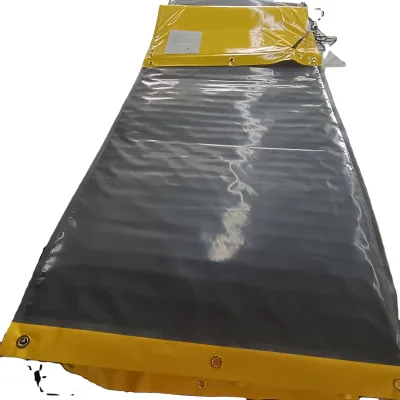
Energy-Efficient Under Floor Heating Mat with Smart Temperature Control
$73.34 - $112.77
MOQ: 1 Pieces


Comprehensive Sourcing Guide
Strategic Sourcing Guide for Waterproof Commercial Floor Heating Mats
Procuring waterproof commercial floor heating mats requires a rigorous approach that balances technical performance with strict compliance verification. The global market for electric underfloor heating systems has expanded significantly, driven by the demand for energy-efficient solutions in commercial environments such as hotels, offices, and large residential complexes. Buyers must navigate a complex landscape of product attributes, certifications, and supply chain variables to ensure the selected heating mats meet both operational safety standards and long-term durability requirements. This guide outlines the essential factors for sourcing these systems, focusing on the specific technical and regulatory dimensions relevant to waterproof applications in commercial settings.
Technical Specifications and Performance Attributes
When evaluating waterproof commercial floor heating mats, the primary focus must be on the heating element's construction and its integration with the mat structure. The core technology often involves electric heating systems designed to operate safely within wet or damp environments. Buyers should verify that the product explicitly lists "Waterproof" as a key feature or advantage, as this is a non-negotiable attribute for commercial applications where spillage or moisture exposure is possible. The heating method is a critical differentiator; while traditional resistance heating is common, some advanced solutions utilize graphene heating technology, which offers rapid heat-up times and uniform temperature distribution.
The physical specifications of the mat are equally important. The product model and dimensions dictate the coverage area and installation complexity. In the current market, standard dimensions such as 100x150 cm or 150x200 cm are frequently observed, though custom sizes may be available. The thickness of the mat, often around 5mm, influences the floor build height, which is a crucial consideration in renovation projects where floor elevation must be minimized. Furthermore, the power output, ranging from 530W to 1000W in observed models, determines the heating capacity per unit. Buyers must ensure that the wattage aligns with the thermal load requirements of the specific commercial space.
Control systems are another vital technical component. Modern mats often come equipped with smart control capabilities, including remote control, manual adjustment, and timer functions. Advanced features like overheat protection and auto shut-off mechanisms are essential for safety, preventing thermal runaway in commercial settings. The voltage requirements, typically 220V, must be compatible with the local electrical infrastructure. Additionally, the color and design style, which may range from red and blue to customized options, should be considered if the heating mat is intended for visible installation or if aesthetic integration is required.
Compliance and Certification Verification
In the commercial sector, regulatory compliance is not merely a formality but a prerequisite for liability protection and operational safety. Buyers must rigorously verify that the products carry recognized certifications. The most common certifications observed in this category include CE, ROHS, ISO, TUV, and EAC. These marks indicate that the product meets specific safety, environmental, and quality standards. For instance, the CE mark signifies conformity with health, safety, and environmental protection standards for products sold within the European Economic Area, while ROHS compliance ensures the absence of hazardous substances.
It is critical to distinguish between general certifications and those specific to fire safety and electrical performance. While some suppliers may reference broad standards like ISO 9001, buyers should look for specific test results related to the product's waterproofing capabilities and electrical insulation. The combustion performance of the materials used in the mat is also a key compliance factor. In many jurisdictions, materials must meet a specific fire rating, such as Level B1, to be approved for commercial installation. Buyers should request documentation that explicitly confirms the material's combustion performance and electrical safety ratings rather than relying on general claims.
Furthermore, the origin of the product plays a role in compliance. Products originating from regions with strict manufacturing oversight, such as Zhejiang or Hebei in China, often have established quality control processes. However, the origin alone does not guarantee compliance; buyers must demand third-party test reports that validate the claims made by the manufacturer. The presence of multiple certifications, such as CE, ISO, and TUV together, suggests a higher level of scrutiny in the manufacturing process, but verification of the specific test certificates for the exact model being purchased is necessary.
Cost Drivers and Pricing Dynamics
The pricing of waterproof commercial floor heating mats is influenced by a complex interplay of factors, including material costs, technology integration, and supply chain logistics. The observed price range in the market spans from $1 to $388 per unit, reflecting the diversity in product quality, power output, and feature sets. Lower-priced options may offer basic heating functionality with standard waterproofing, while higher-priced units likely incorporate advanced features such as graphene heating, smart controls, and superior insulation properties.
The Minimum Order Quantity (MOQ) is a significant cost driver for commercial buyers. MOQs can vary widely, ranging from 1 meter to 1000 meters, depending on the supplier and the specific product model. For large-scale commercial projects, negotiating a lower per-unit price through bulk purchasing is essential. However, buyers must balance the cost savings against the inventory holding costs and the risk of overstocking. Some suppliers offer customization services, which can increase the unit cost but may be necessary for fitting unique architectural requirements.
Packaging and logistics also contribute to the final cost. Products are typically packed in carton boxes, with standard configurations such as 100 meters per roll or 100 pieces per carton. The weight and volume of the packaging affect shipping costs, which can be substantial for international orders. Buyers should consider the total landed cost, including freight, insurance, and customs duties, rather than focusing solely on the ex-factory price. Additionally, the supply ability of the manufacturer, which can reach 100,000 pieces per month, ensures that large orders can be fulfilled without significant delays, but this capacity may come at a premium during peak demand periods.
Typical Applications and Installation Scenarios
Waterproof commercial floor heating mats are designed for a wide range of applications, from hospitality and retail to residential and office spaces. The versatility of these systems allows them to be installed in various locations, including underfloor heating systems, interior wall insulation, external wall insulation, and balcony insulation. In commercial settings, they are particularly valuable in hotels, offices, bedrooms, and apartments where consistent and safe heating is required.
The installation location is a critical factor in determining the suitability of the product. For instance, mats intended for floor carpet installation must have specific properties to ensure compatibility with the flooring material. The product form, often described as a carpet or a mat, must be compatible with the intended floor covering. In wet areas such as bathrooms or kitchens, the waterproof rating is paramount to prevent electrical hazards and material degradation.
The application scenarios also dictate the required features. For example, in a hotel setting, the heating system must be energy-efficient to reduce operational costs while providing comfort to guests. Features like energy-saving modes, temperature adjustment, and eco-friendly materials are highly desirable. In commercial offices, the system must be reliable and require minimal maintenance. The ability to customize the design and color of the mat allows for seamless integration with the interior design of the space, enhancing the overall aesthetic appeal.
Supplier Evaluation and Quality Control
Selecting the right supplier is a critical step in the procurement process. Buyers should evaluate suppliers based on their production capabilities, quality control measures, and track record in the industry. The supply ability of a supplier, such as 100,000 pieces per month, indicates their capacity to handle large orders, but it is equally important to assess their consistency in maintaining quality standards. Buyers should request samples to verify the physical attributes of the product, such as the thickness, material composition, and waterproofing effectiveness.
Quality control should be a continuous process throughout the procurement lifecycle. Buyers must ensure that the supplier adheres to strict quality assurance protocols, including regular testing of the heating elements, insulation, and waterproofing layers. The presence of certifications like CE, ROHS, and ISO is a good indicator, but buyers should also verify the specific test reports for the batch being purchased. Additionally, the supplier's ability to provide project solution capabilities, such as graphic design and 3D model design, can be a valuable asset for complex commercial projects.
Communication and responsiveness are also key indicators of a reliable supplier. Buyers should assess the supplier's ability to provide timely updates on order status, lead times, and any potential issues. A supplier that offers customization services and is willing to work closely with the buyer to meet specific requirements is likely to be a better partner for long-term procurement. Finally, buyers should consider the supplier's location and logistics capabilities, as these factors can impact the overall cost and delivery timeline.
Long-Term Procurement Considerations
Sourcing waterproof commercial floor heating mats is not just a one-time transaction but a long-term commitment that requires careful planning. Buyers should consider the lifecycle of the product, including its expected lifespan, maintenance requirements, and potential for replacement. The durability of the heating mat, particularly its resistance to wear and tear in high-traffic commercial areas, is a crucial factor. Features like stain resistance and anti-slip properties can extend the lifespan of the product and reduce maintenance costs.
Energy efficiency is another long-term consideration. Systems with advanced features like smart controls, overheat protection, and energy-saving modes can significantly reduce operational costs over time. Buyers should evaluate the total cost of ownership, including energy consumption and maintenance, rather than focusing solely on the initial purchase price. The availability of spare parts and the supplier's after-sales support are also important factors to consider. A supplier that offers comprehensive support and warranty services can provide peace of mind and ensure the continued performance of the heating system.
Finally, buyers should stay informed about emerging trends and technologies in the floor heating industry. As the market evolves, new materials and technologies may offer improved performance and efficiency. By maintaining a proactive approach to procurement and staying engaged with industry developments, buyers can ensure that their commercial heating systems remain competitive and effective in the long run. The ability to adapt to changing requirements and technologies is a key component of successful long-term procurement strategies.
FAQs
What certifications do waterproof commercial floor heating mats have?
These mats typically carry CE, ROHS, ISO, TUV, and EAC certifications. Buyers must verify specific test reports for the exact model to ensure compliance with safety and environmental standards for commercial use.
Which heating methods are available for these commercial mats?
Electric heating systems and graphene heating methods are observed in the market. Graphene technology offers rapid heat-up times, while standard electric systems provide reliable performance for underfloor and wall insulation applications.
Can buyers customize the design and color of these mats?
Customization is available for design, color, and dimensions to meet specific project needs. Buyers can request custom designs and colors like red or blue, or specify unique sizes for hotel and office installations.
What is the typical MOQ for purchasing these heating mats?
Minimum Order Quantities range from 1 to 1000 meters depending on the supplier and model. Buyers should check specific product listings as some models require 100 meters per roll while others may have different thresholds.
Where are these waterproof heating mats typically manufactured?
Products originate from manufacturing hubs in Zhejiang and Hebei, China. These regions have established quality control processes, but buyers must still request third-party test reports to validate safety and performance claims.
How are these mats packaged for international shipping?
Mats are packed in carton boxes, often containing 100 meters per roll or 100 pieces per carton. Packaging dimensions vary, with standard sizes like 100x150 cm or 150x200 cm affecting shipping volume and cost.
What safety features are included in these heating systems?
Safety features include overheat protection, auto shut-off, and waterproof capabilities. Advanced models also offer energy-saving modes and temperature adjustment to ensure safe operation in commercial environments like hotels and offices.