Source Waterproof Collagen Sunscreen Cream for Skin Care
Find 30 Waterproof Collagen Sunscreen Cream options from verified manufacturers. Compare OEM/ODM services, private label capabilities, and ingredient profiles like MSM and Arnica for external use applications.
Key considerations
Products List

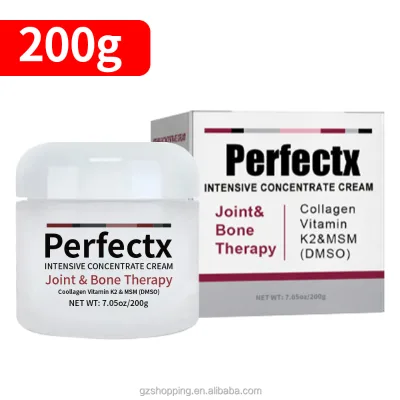


Factory UV Protection Body Face Summer Non-Greasy Waterproof Sunscreen Cream
$0.80 - $2.50
MOQ: 1000 Pieces


Water and Sweat-Resistant Sunscreen Spray Anti-Aging and Moisture Sun Cream
$0.80 - $2.50
MOQ: 30000 Pieces


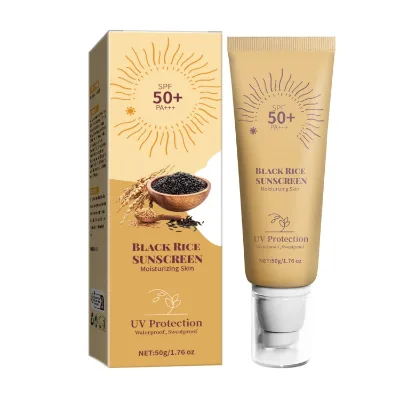
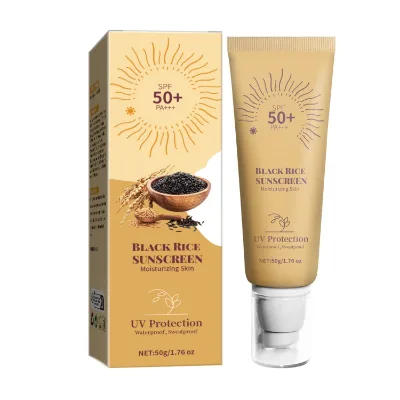
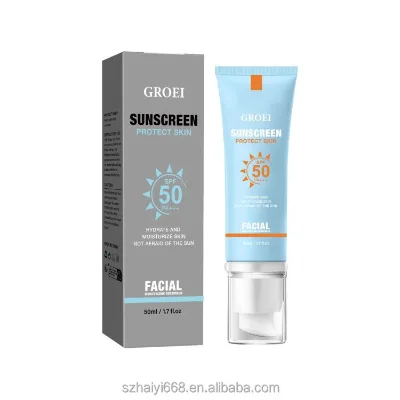
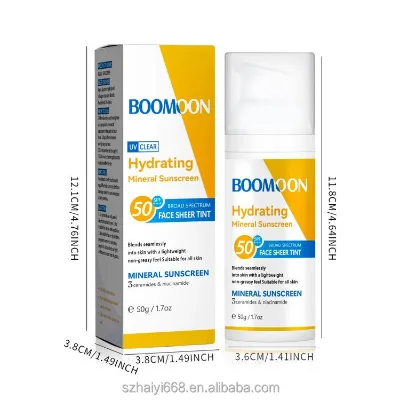
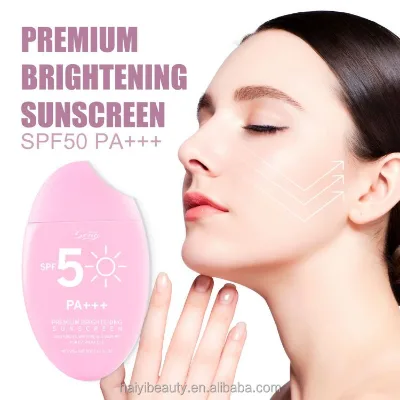
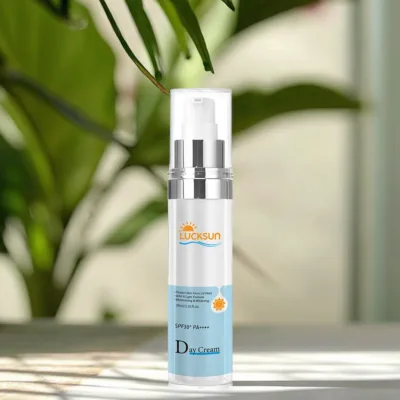


Hot Sale Moisturizing Sunscreen Cream Whitening Sun Protection SPF 50 Vitamin C
$0.90 - $1.00
MOQ: 10000 Pieces


Sunscreen Cream Natural Sun Protection Organic Private Label Wholesale SPF 50
$0.90 - $1.00
MOQ: 10000 Pieces


Comprehensive Sourcing Guide
Waterproof Collagen Sunscreen Cream Sourcing Guide
Sourcing Waterproof Collagen Sunscreen Cream requires a nuanced understanding of the intersection between cosmetic efficacy and structural formulation stability. Buyers must recognize that this product category combines two distinct functional claims: UV protection and skin rejuvenation via collagen supplementation. The presence of "waterproof" or "water-resistant" attributes implies a specific emulsion structure designed to withstand moisture, which directly impacts ingredient selection, preservative systems, and packaging integrity. Procurement teams need to evaluate whether the supplier’s formulation truly delivers on these dual promises or if the marketing terms are loosely applied to standard moisturizing sunscreens.
The B2B landscape for this product is characterized by high customization potential, with many manufacturers offering OEM and ODM services. This flexibility allows brands to tailor the active ingredient concentration, texture, and scent to their specific target demographic. However, this customization introduces complexity in quality control and regulatory compliance. Buyers must ensure that any custom formulation maintains the stability required for a waterproof claim while integrating collagen or related peptides without compromising the sunscreen’s UV filtration efficiency.
Product Scope and Observed Listing Signals
The observed market signals indicate a diverse range of product forms, including creams, lotions, and sprays, with a strong emphasis on private labeling and customization. Listings frequently highlight features such as moisturizing, pain relief, and pigmentation correction, suggesting that many suppliers are blending sunscreen functionality with therapeutic or multi-purpose cosmetic benefits. The presence of ingredients like collagen, MSM, and herbal extracts points to a trend toward "cosmeceutical" positioning, where the product is marketed not just for sun protection but for broader skin health and repair.
Price points and minimum order quantities (MOQs) vary significantly, reflecting the tiered nature of the supply chain. Observed data shows a wide range in pricing and MOQs, indicating that buyers can find options suitable for both small-batch testing and large-scale industrial production. The availability of different packaging formats, from individual bottles to bulk cartons, further supports flexible procurement strategies. Buyers should carefully match their volume requirements with supplier capabilities, noting that higher customization levels often correlate with higher MOQs and longer lead times.
Technical Specifications to Verify
Verifying the physical and chemical specifications of the sunscreen cream is critical to ensuring product performance and shelf stability. Key parameters to confirm include the SPF rating, PA grade, and the specific type of UV filters used, whether chemical or physical. The "waterproof" claim must be backed by standardized water-resistance testing data, typically measured in minutes of immersion. Buyers should request detailed formulation sheets that specify the concentration of active ingredients, including collagen and any associated peptides, to ensure they align with the product’s marketing claims.
Packaging specifications are equally important, as they directly impact product preservation and user experience. The choice between bottle, tube, or spray packaging affects the product’s ability to maintain its waterproof integrity and prevent contamination. Buyers should verify the material compatibility between the packaging and the formulation, especially if the product contains active ingredients that may degrade or react with certain plastics. Additionally, the single package size and gross weight should be confirmed to ensure accurate logistics planning and cost estimation.
Compliance and Safety Documentation
Regulatory compliance is a non-negotiable aspect of sourcing sunscreen products, given their classification as cosmetics or over-the-counter drugs in many jurisdictions. Buyers must ensure that suppliers provide comprehensive documentation, including Certificates of Analysis (COA), Safety Data Sheets (SDS), and ingredient lists that comply with local regulations. The presence of certifications such as CE, FDA, or GMP indicates a certain level of manufacturing rigor, but buyers should verify the scope and validity of these certifications for the specific product line.
The inclusion of active ingredients like collagen and herbal extracts requires additional scrutiny to ensure safety and efficacy. Buyers should request clinical or stability testing data that supports the product’s claims, particularly regarding skin irritation and allergenic potential. It is also essential to verify that the product does not contain prohibited substances or restricted concentrations of certain ingredients in the target markets. Clear labeling requirements, including ingredient declarations and usage instructions, must be met to avoid regulatory penalties and consumer confusion.
Cost Drivers and Commercial Terms
Several factors influence the final cost of Waterproof Collagen Sunscreen Cream, including the complexity of the formulation, the quality of raw materials, and the level of customization required. High-quality UV filters and stable collagen derivatives typically command higher prices, while basic formulations may be more cost-effective. Buyers should also consider the costs associated with packaging, labeling, and any additional services such as private labeling or custom scent development.
Commercial terms, including payment conditions, shipping methods, and lead times, play a significant role in the overall procurement strategy. Suppliers may offer different pricing tiers based on order volume, so buyers should negotiate for the best possible rates based on their projected demand. It is also important to clarify responsibilities for import duties, taxes, and insurance, especially when sourcing from international suppliers. Clear communication regarding these terms can help avoid unexpected costs and delays.
Supplier Qualification and Quality Control
Selecting a reliable supplier involves a thorough evaluation of their manufacturing capabilities, quality management systems, and track record. Buyers should request information about the supplier’s production facilities, including equipment, capacity, and quality control processes. Audits, whether virtual or on-site, can provide valuable insights into the supplier’s operational standards and commitment to quality. It is also beneficial to check for any past issues with product recalls or regulatory violations.
Quality control measures should be clearly defined and agreed upon before production begins. This includes establishing acceptance criteria for raw materials, in-process checks, and final product testing. Buyers should specify the frequency and type of testing required, such as microbial limits, heavy metal analysis, and stability testing. Regular communication with the supplier during the production process can help identify and address potential issues early, ensuring that the final product meets all specified requirements.
Long-Term Procurement Checks
Establishing a long-term procurement strategy for Waterproof Collagen Sunscreen Cream requires ongoing monitoring and evaluation of supplier performance. Buyers should regularly review key performance indicators (KPIs) such as on-time delivery, product quality, and responsiveness to issues. Continuous feedback loops with the supplier can help drive improvements and foster a collaborative relationship. It is also important to stay updated on regulatory changes and market trends that may impact product requirements.
As consumer preferences and regulatory landscapes evolve, buyers must be prepared to adapt their sourcing strategies accordingly. This may involve exploring new suppliers, updating product formulations, or adjusting packaging designs to meet changing demands. Regular risk assessments can help identify potential vulnerabilities in the supply chain, allowing buyers to develop contingency plans. By maintaining a proactive approach to procurement, buyers can ensure a steady supply of high-quality products that meet their customers’ needs.
FAQs
What certifications are available for this sunscreen cream?
The product holds CE, EEC, FDA, GMP, and MSDS certifications. These documents verify compliance with safety and quality standards for international markets, ensuring the chemical sunscreen meets regulatory requirements for export.
Can I customize the volume and packaging for this cream?
Yes, volume and packaging are fully customizable to meet your needs. You can select from bottle packing options and specify volumes like 50g, 100g, or 200g, while the brand name can be set to private label.
What are the main active ingredients in this collagen cream?
The formula contains natural herbal ingredients including collagen, MSM, Vitamin K2, Arnica Montana Flower Extract, and Chondroitin. These components work together to provide moisturizing benefits and support skin health for external use.
How long is the shelf life of this sunscreen product?
The product has a shelf life of 3 years from the date of manufacture. This duration ensures stability for the moisturizing and sun protection functions while stored under appropriate conditions before distribution.
Which form does this sunscreen cream come in for buyers?
The product is available in cream, liquid, and lotion forms depending on the specific listing. Buyers can choose the texture that best suits their application needs, with options for waterproof and long-lasting oil control.
What is the minimum order quantity for private label orders?
The minimum order quantity ranges from 1 to 30,000 units based on the specific supplier and customization level. This flexibility allows small businesses and large enterprises to source the Waterproof Collagen Sunscreen Cream effectively.