Source Waterproof Cross Body Bag for Travel, Daily Commute, and Outdoor Activities
Find 30 verified listings for a Waterproof Cross Body Bag suitable for travel, daily commutes, and outdoor adventures. Buyers can compare customization options, materials like PVC and nylon, and supplier locations across China to find the best fit for their needs.
Key considerations
Products List


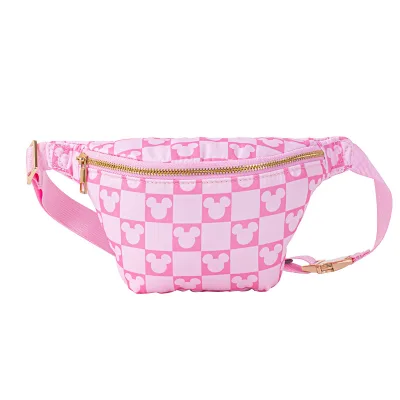


Sling Bags Water Resistant Chest Bag Crossbody Single Shoulder Cross-Body Bag
$2.80 - $3.10
MOQ: 500 Pieces


Crossbody Bag, Waterproof Nylon, Adjustable Shoulder Bag, Large Capacity
$6.00 - $6.50
MOQ: 500 Pieces


Custom Logo Single Shoulder Bag Waterproof Mini Crossbody Bag Casual Chest Bags.
$10.00 - $12.00
MOQ: 500 Pieces


Large Capacity Cross Body Bag for Men Water Resistant Casual Single Shoulder Bag
$5.49 - $5.99
MOQ: 500 Pieces


Comprehensive Sourcing Guide
Strategic Sourcing Guide for Waterproof Cross Body Bags
Understanding Product Attributes and Material Variability
When initiating a procurement strategy for waterproof cross body bags, the primary challenge lies in navigating the significant variance in material composition and performance claims observed across the market. The supplied product data reveals a distinct split in material specifications that directly impacts the functional utility of the item. While the core keyword emphasizes "waterproof" capabilities, the observed inventory includes products constructed from PVC, Nylon, and Polyester. Specifically, some listings identify PVC as the primary material, which is inherently water-resistant, yet the attribute data explicitly flags certain items as "Not Waterproof." Conversely, other entries list Nylon as the base material with a confirmed "Waterproof" attribute and a specific feature designation of "Water Proof."
This discrepancy necessitates a rigorous verification process before placing any order. Buyers cannot assume that a bag described as a "Messenger Bag" or "Cross Body Bag" with a "Zipper" closure will automatically meet waterproof standards. The presence of a zipper, identified as the "Closed Way" for several models, is a critical mechanical component. While zippers provide security and ease of access, they are potential entry points for water unless equipped with specialized storm flaps or sealed stitching. The observed "Soft" hardness attribute suggests a flexible construction, which is common for Nylon and Polyester blends but requires careful inspection to ensure the fabric density is sufficient to repel water under pressure.
Furthermore, the "Style" and "Pattern Type" attributes indicate a high degree of customization. Many suppliers offer "Your own pattern" and "Customized" logos, which allows for branding but introduces variability in the production process. The "Condition" is universally listed as "100% Brand New and High Quality," yet this is a standard marketing statement rather than a technical guarantee. Buyers must distinguish between the aesthetic description of "Simplicity" or "Natural" style and the functional reality of the bag's construction. The "Gender" is listed as "Unisex," and the "Suitable for" category includes "Outdoor" use, suggesting a design intent for durability, but the "Not Waterproof" flag on specific PVC models serves as a stark reminder that not all outdoor-ready bags are weather-proof.
Technical Specifications and Dimensional Standards
Technical specifications for cross body bags vary widely, and the supplied data provides a concrete range of dimensions and weights that buyers must account for in their logistics planning. The observed product models, such as GD230412J02, OD019-20, and QM-SL2407165, demonstrate that there is no single industry standard for size. Dimensions range from compact units like 156.523cm to larger configurations such as 33723cm. Some listings provide specific single package sizes, for instance, 27X15X2 cm, which is crucial for calculating shipping volume and freight costs.
Weight is another critical specification. The data shows a single gross weight of 0.155 kg for certain models, while others list a standard weight of 0.350 kg. This variation affects the total landed cost and the suitability of the product for specific use cases, such as hiking or daily commuting. A lighter bag may be preferred for travel, whereas a heavier, more robust construction might be necessary for industrial or heavy-duty outdoor applications. The "prod_standard" field often lists "Custom size," indicating that many suppliers operate on a made-to-order basis rather than maintaining a fixed inventory of standard SKUs. This flexibility is beneficial for customization but requires precise communication of dimensions to avoid production errors.
The "Single package size" and "prod_packing" details, which include "Carton" and "Polybag" options, further influence the procurement strategy. Polybag packing is common for individual units, while carton packing is typically used for bulk shipments. The "Selling Units" are often listed as "Single item," which can complicate bulk ordering if the supplier requires a minimum order quantity (MOQ) that exceeds the single unit count. The "Sample Time" of 3-7 days suggests a relatively quick turnaround for prototyping, which is advantageous for validating the technical specifications of a custom design before committing to a large production run.
Compliance, Certification, and Quality Assurance
Navigating the compliance landscape for waterproof cross body bags requires a careful review of available certifications and standards. The supplied data explicitly mentions the BSCI (Business Social Compliance Initiative) certification for at least one product model. This certification is a significant indicator of social responsibility and ethical manufacturing practices, ensuring that the supplier adheres to labor standards. However, the data also notes "Low-confidence background" regarding REACH and RoHS certifications. Buyers should not assume these chemical compliance standards are met unless explicitly verified in the supplier's documentation. REACH compliance is essential for products entering the European Union, particularly for items containing PVC, which may contain phthalates or other regulated substances.
The "prod_standard" field often references "Custom size" or specific dimensions, but these are not safety or performance standards. Instead, they are dimensional specifications. For a product claiming to be "Waterproof," the absence of a specific waterproofing standard (such as IP ratings or hydrostatic head measurements) in the provided data is a gap that must be addressed. Buyers should request test reports that verify the water resistance claims, especially given the conflicting data where some PVC bags are marked as "Not Waterproof." The "Service" attribute listing "OEM/ODM" indicates that the supplier is capable of custom manufacturing, which often involves developing proprietary waterproofing techniques.
Quality assurance should extend beyond the initial certification check. The "Condition" of being "100% Brand New" is a baseline expectation, but the "Hardness" being "Soft" requires physical inspection to ensure the material does not degrade or tear easily. The "Logo" customization process should also be scrutinized for durability; a printed logo may fade or peel if the waterproof coating is compromised. The "Place of origin" varies, including Anhui, Ningbo, Guangdong, and Quanzhou in China. While these are established manufacturing hubs, the specific factory location can influence the consistency of quality control. Buyers should verify that the supplier maintains a consistent quality management system regardless of the specific factory location within the region.
Cost Drivers and Minimum Order Quantity Analysis
The cost structure for waterproof cross body bags is influenced by several key factors, including material selection, customization complexity, and order volume. The observed price range in the market spans from $1.40 to $15.36 USD. This wide disparity reflects the differences in material quality, brand value, and the extent of customization. For instance, a basic Nylon bag with a simple logo might fall at the lower end of this spectrum, while a PVC bag with complex waterproofing features and custom molding could command a higher price. The "Brand name" "Melody" is observed in one listing, suggesting that branded items may carry a premium, though the data does not provide enough context to determine if this is a mass-market brand or a niche label.
Minimum Order Quantity (MOQ) is another critical cost driver. The observed MOQ range is between 25 and 1000 units. This variation allows for flexibility depending on the buyer's needs. Smaller buyers or those testing new designs can start with an MOQ of 25 units, while larger retailers or corporate buyers may need to commit to 1000 units to secure better unit pricing. The "Sample Time" of 3-7 days is a factor in the overall timeline and cost, as it allows for rapid iteration but may incur additional sampling fees. The "Selling Units" being "Single item" implies that the base unit price is for one bag, but the total cost will scale with the MOQ.
Customization is a significant cost variable. The availability of "Customized" logos and "Your own pattern" options adds to the production complexity. Suppliers may charge setup fees for screen printing, embroidery, or mold creation, which are often amortized over the order quantity. The "prod_packing" choice between "Carton" and "Polybag" also affects the final cost, as carton packaging is more expensive but offers better protection during transit. Buyers should negotiate these variables carefully, balancing the desire for customization with the need to maintain a competitive price point. The "Standard" of "0.350kg" or "14.9 x 7.1 x 3.5 inches" may also influence shipping costs, as heavier or bulkier items incur higher freight charges.
Supplier Evaluation and Operational Capabilities
Evaluating suppliers for waterproof cross body bags requires a holistic approach that considers their manufacturing capabilities, location, and service offerings. The data indicates that suppliers are located in various regions of China, including Anhui, Ningbo, Guangdong, and Quanzhou. Each region has its own industrial strengths; for example, Ningbo and Quanzhou are known for their textile and bag manufacturing clusters. The "Service" attribute listing "OEM/ODM" confirms that these suppliers are equipped to handle custom orders, which is essential for buyers seeking branded or specialized products.
The "Sample Time" of 3-7 days is a strong indicator of operational efficiency. A short sample turnaround suggests that the supplier has streamlined processes and is responsive to buyer needs. However, buyers should verify if this sample time applies to both simple and complex customizations. The "prod_model" numbers, such as QM-SL2407165 and QJKSS639, serve as unique identifiers for specific product lines. These models often correspond to specific design templates that the supplier has used previously, which can be a starting point for customization.
When evaluating a supplier, buyers should also consider the "prod_packing" and "prod_origin" details. A supplier that offers "Carton" packing is likely more experienced in handling bulk shipments, while those offering "Polybag" might be more focused on individual retail units. The "Place of origin" can also impact the supply chain resilience. Suppliers in established manufacturing hubs like Guangdong may have better access to raw materials and logistics networks, potentially reducing lead times and costs. However, buyers must ensure that the supplier's location aligns with their own logistics strategy and that they can provide reliable shipping terms.
Application Scenarios and Long-Term Procurement Strategy
The "Suitable for" attribute lists "Outdoor" use, and the "Application" is described as "Daily life," indicating that these bags are designed for versatile use. The "Style" attributes of "Simplicity" and "Natural" suggest a design aesthetic that appeals to a broad consumer base, making them suitable for everyday carry, travel, and light outdoor activities. The "Gender" being "Unisex" further expands the potential market, allowing buyers to target a wider demographic without needing separate product lines for men and women.
For long-term procurement, buyers should focus on building a relationship with suppliers who can consistently deliver on the "Waterproof" claim. Given the conflicting data where some PVC bags are marked as "Not Waterproof," it is crucial to establish clear quality benchmarks. Buyers should request detailed product specifications and test reports for every batch, ensuring that the waterproofing feature is maintained over time. The "Customized" logo and "Your own pattern" options offer opportunities for brand differentiation, but buyers must ensure that these customizations do not compromise the bag's functionality or durability.
The "Condition" of being "100% Brand New and High Quality" should be a baseline requirement, but buyers should also consider the lifecycle of the product. A bag that is "Soft" and made of Nylon or Polyester may require specific care instructions to maintain its waterproof properties. Long-term procurement strategies should include regular quality audits and feedback loops with the supplier to address any issues that arise. The "Sample Time" of 3-7 days allows for continuous improvement and adaptation to market trends, making it easier for buyers to stay competitive.
Comparative Analysis of Product Models
To facilitate a clearer understanding of the available options, the following table compares key attributes of selected product models based on the supplied data. This comparison highlights the diversity in specifications, materials, and origins, aiding buyers in making informed decisions.
| Product Model | Material | Waterproof Status | Origin | Standard/Size | Packing | MOQ Range |
|---|---|---|---|---|---|---|
| GD230412J02 | PVC | Not Waterproof | Anhui, China | Custom size | Carton | 25-1000 |
| OD019-20 | Nylon | Waterproof | Guangdong, China | 251510cm | Polybag | 25-1000 |
| QM-SL2407165 | Nylon | Waterproof | Quanzhou | 14.9 x 7.1 x 3.5 inches | Polybag | 25-1000 |
| QM-SL2407164 | Nylon | Waterproof | Quanzhou | 5.5*7.9 inch | Polybag | 25-1000 |
| QJKSS639 | Nylon | Waterproof | China | 156.523cm | Polybag | 25-1000 |
| 2605231056 | Nylon | Waterproof | China | 33723cm | Polybag | 25-1000 |
This table underscores the importance of verifying the "Waterproof" status for each specific model, as the material (PVC vs. Nylon) and origin do not guarantee the same performance level. The "Standard/Size" column shows the wide range of dimensions available, while the "Packing" and "MOQ" columns provide insight into the logistical requirements for each product. Buyers should use this comparative data to select the model that best aligns with their specific application needs and procurement constraints.
FAQs
Can I customize the logo and pattern on these bags?
Yes, customization is available for both logos and patterns. Suppliers offer customized logos and allow you to provide your own pattern, enabling full branding integration for your specific business needs.
What is the typical sample time for these products?
The typical sample time is between 3 to 7 days. This short turnaround allows buyers to quickly validate designs and specifications before committing to larger production runs.
Which certifications are confirmed for these waterproof bags?
BSCI certification is explicitly confirmed for at least one product model in the supply. Buyers should verify chemical compliance standards like REACH separately, as they are not guaranteed in the provided data.
How does the material affect the waterproof rating?
Material composition varies, with some bags listed as waterproof and others explicitly marked as not waterproof. Nylon models often feature water-proof attributes, while PVC models may lack this protection despite being water-resistant.
What is the minimum order quantity for these bags?
The minimum order quantity ranges from 25 to 1000 units depending on the supplier. This flexibility allows smaller buyers to test products while larger retailers can secure bulk pricing.
Which locations are the primary manufacturing origins?
Products originate from various Chinese locations including Anhui, Ningbo, Guangdong, and Quanzhou. These regions are established manufacturing hubs known for textile and bag production capabilities.