Source Waterproof FTTH Drop Wire Clamp for Pole, Wall, and Cable Runs
Find and compare 30 Waterproof FTTH Drop Wire Clamp options from verified Chinese manufacturers. Evaluate specifications like material, certification, and installation type to select the right solution for your network infrastructure projects.
Key considerations
Products List


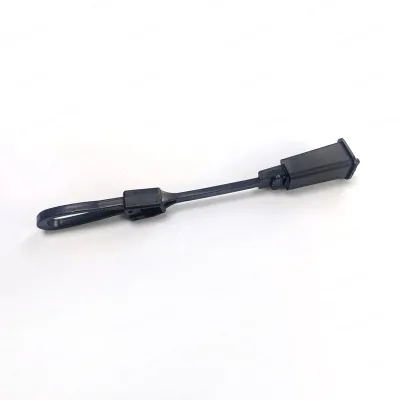
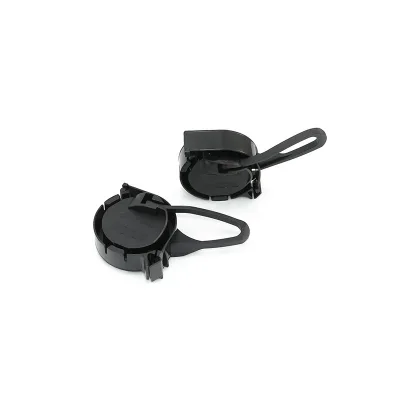
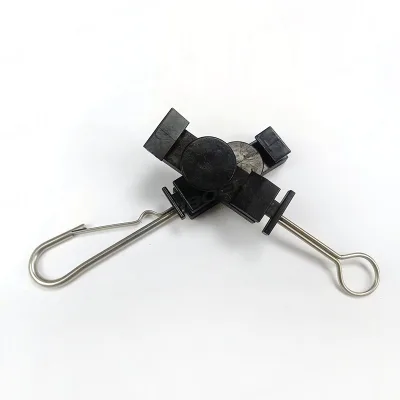
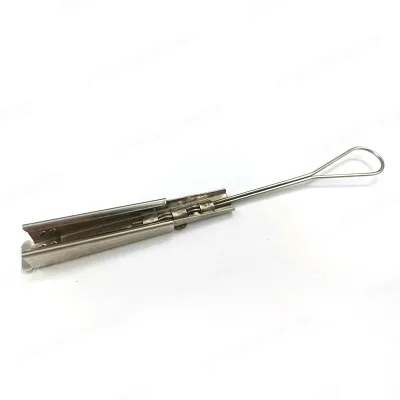




Comprehensive Sourcing Guide
Waterproof FTTH Drop Wire Clamp Sourcing Guide
Selecting the right Waterproof FTTH Drop Wire Clamp is a critical step in ensuring the longevity and reliability of fiber optic networks, particularly in outdoor environments where exposure to moisture, temperature fluctuations, and physical stress is inevitable. These components serve as the primary mechanical anchor for drop cables, securing them to poles, walls, or other structures while maintaining the integrity of the fiber strands inside. For procurement teams, the challenge lies not just in finding a clamp that fits the cable diameter, but in identifying a supplier who can provide consistent quality, verified certifications, and commercial terms that align with large-scale deployment projects. This guide synthesizes observed market data and technical requirements to help buyers navigate the complexities of sourcing these essential line fittings.
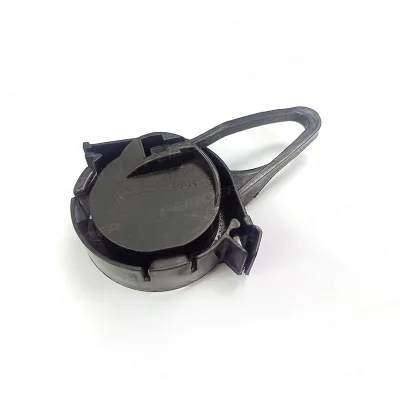
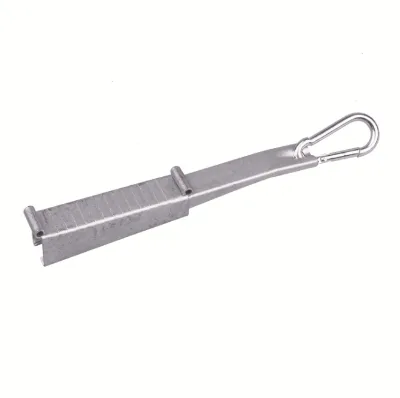
The market for FTTH drop wire clamps is diverse, with suppliers offering a wide range of materials, designs, and certifications. Buyers must distinguish between generic plastic clamps and more robust solutions designed for harsh environments. The observed product landscape includes items made from plastic, stainless steel, and ABS materials, each offering different trade-offs between cost, durability, and installation ease. Understanding these material differences is the first step in defining a precise procurement specification that prevents over-engineering for simple indoor runs or under-engineering for exposed outdoor drops.
Product Scope and Observed Listing Signals
The current market listings reveal a significant variation in product models and material compositions, indicating a fragmented supplier base. Observed models include the S Fix Drop Wire Clamp, Outdoor FTTH Drop Wire Clamp, FTTH Wedge Clamp, F18, F17, F16-B, DWC02, and F-A08B. These model numbers often correspond to specific design features, such as wedge mechanisms for quick installation or specific clamping geometries for different cable types. Buyers should note that while many listings use generic terms like "FTTH Drop Cable Clamp," the actual product may vary significantly in terms of load-bearing capacity and environmental resistance. It is essential to cross-reference the model number with the specific technical datasheet provided by the supplier to ensure compatibility with your existing infrastructure.
Material selection is a primary differentiator in this category, with listings highlighting Plastic, Stainless Steel 201, and ABS Material as common choices. Plastic clamps are often preferred for their lightweight nature and corrosion resistance, while stainless steel options provide higher mechanical strength for heavy-duty applications. Some listings specify a "Galvanised" surface treatment, which is crucial for metal components exposed to the elements. Additionally, color options such as White and Black are available, which may be relevant for aesthetic integration into urban environments or for UV resistance considerations. Buyers must verify the exact material grade, as "Stainless Steel" can vary widely in quality, and "Plastic" may refer to various polymers with different thermal and mechanical properties.
Technical Specifications to Verify
Mechanical performance is the most critical technical aspect of any drop wire clamp, as failure can lead to cable breakage and service outages. Key specifications to verify include the Minimum Pulling Force, Minimum Hardness, and Minimum Extension. Observed data points to a Minimum Pulling Force of greater than 548MPa and a Minimum Hardness of Hb>165, which are indicative of high-strength materials capable of withstanding significant tension. The Minimum Extension of greater than 60% suggests a degree of flexibility or ductility in the material, which can be beneficial in absorbing shock loads. Buyers should request test reports or certificates of conformity that validate these specific metrics, as they are direct indicators of the clamp's ability to secure the cable under stress without slipping or deforming.
Physical dimensions and installation requirements are equally important for efficient deployment. The Total Length of some observed products is listed as 185mm, which helps in planning the routing and spacing of clamps along a pole or wall. The Suitable Conductor Diameter is specified as 6-16 mm, defining the range of cable sizes the clamp can accommodate. Installation methods vary, with some clamps designed for Pole mounting, while others may be suitable for wall or conduit attachment. The Type of fitting, such as Link Fittings or Line Fittings, also dictates how the clamp integrates with the broader network infrastructure. Buyers must ensure that the selected clamp's dimensions and installation method align with their standard operating procedures and existing hardware.
Compliance and Safety Documentation
Certification is a non-negotiable aspect of sourcing for telecommunications infrastructure, as it ensures that products meet international safety and environmental standards. Observed listings frequently cite certifications such as ISO, RoHS, CE, GS, and SGS. The presence of ISO 9001 indicates a certified quality management system, which is a strong indicator of manufacturing consistency. RoHS compliance is critical for environmental safety, restricting the use of hazardous substances in electronic and electrical equipment. CE marking confirms conformity with health, safety, and environmental protection standards for products sold within the European Economic Area. Buyers should request copies of these certificates and verify their validity with the issuing bodies, as counterfeit documentation is a risk in some supply chains.
Standards compliance extends beyond certifications to include specific industry and national standards. Some listings reference the GB standard, which is the national standard of China, while others mention IEC 60793-2-50, a standard related to optical fibers. While the latter is more relevant to the fiber itself, it underscores the importance of adhering to recognized technical benchmarks. The Standard listed as "As in description" is vague and requires clarification; buyers should insist on specific standard numbers rather than generic references. Additionally, the mention of "201SS" as a standard for some products highlights the need to verify material specifications against industry norms for stainless steel grades. Ensuring that products comply with the relevant standards of the destination market is essential for avoiding regulatory hurdles and ensuring product acceptance.
Cost Drivers and Commercial Terms
Pricing in the FTTH drop wire clamp market is influenced by material costs, manufacturing processes, and order volume. The observed price range of 0.1-4.5 USD per unit reflects this variability, with lower prices typically associated with simpler plastic clamps and higher prices for stainless steel or specialized designs. The Minimum Order Quantity (MOQ) ranges from 1 to 10,000 units, offering flexibility for both small-scale repairs and large-scale deployments. Buyers should negotiate pricing based on volume tiers, as significant discounts are often available for orders exceeding 1,000 or 5,000 units. It is also important to consider the total cost of ownership, which includes shipping, handling, and potential costs associated with product failure or rework.
Packaging and logistics are additional cost factors that can impact the overall procurement budget. Observed packing methods include Carton Box, Wooden Case, and Export Standard Packing. The choice of packaging affects the durability of the product during transit and the efficiency of storage and handling at the destination. For large orders, wooden cases may offer better protection but at a higher cost and weight. Export standard packing is designed to optimize space and protect goods during international shipping. Buyers should clarify who bears the cost of packaging and whether it is included in the unit price or billed separately. Additionally, lead times and payment terms should be negotiated to ensure cash flow alignment and timely delivery.
Supplier Qualification and Quality Control
Supplier qualification is a critical step in mitigating supply chain risks. Buyers should prioritize suppliers who offer OEM and ODM services, as this indicates a level of manufacturing capability and flexibility. The presence of a Brand Name, such as FEIBOER or OEM, suggests that the supplier has established brand recognition or is willing to produce under the buyer's brand. It is essential to verify the supplier's production capacity and quality control processes. Requesting samples for testing is a best practice to evaluate the physical quality, fit, and finish of the clamps before committing to a large order. Buyers should also assess the supplier's responsiveness and ability to provide technical support, as this can be invaluable during installation and troubleshooting.
Quality control measures should be clearly defined in the purchase agreement. This includes specifications for incoming material inspection, in-process quality checks, and final product testing. Buyers should inquire about the supplier's defect rate and their policy for handling non-conforming products. The mention of "Cold Pressing" as a manufacturing process for some products indicates a specific technique that may affect the strength and consistency of the final product. Buyers should ensure that the supplier uses consistent manufacturing processes and has the capability to maintain quality across large production runs. Regular audits or third-party inspections may be necessary for high-volume contracts to ensure ongoing compliance with quality standards.
Long-Term Procurement Checks
Long-term procurement success depends on establishing a robust supplier relationship and continuous performance monitoring. Buyers should implement a system for tracking supplier performance metrics, such as on-time delivery, product quality, and responsiveness to issues. Regular reviews of supplier performance can help identify potential problems early and facilitate corrective actions. It is also important to stay updated on changes in industry standards and regulations, as these can impact product requirements and compliance obligations. Buyers should maintain open communication with suppliers to discuss future needs, potential product improvements, and market trends.
Sustainability and environmental considerations are increasingly important in procurement decisions. Buyers should evaluate suppliers' environmental practices, including waste management, energy usage, and compliance with environmental regulations. The RoHS certification is a key indicator of environmental responsibility, but buyers may also look for additional sustainability credentials. Additionally, buyers should consider the end-of-life disposal of the products, choosing materials that are recyclable or have a lower environmental impact. By integrating sustainability into their procurement strategy, buyers can reduce their environmental footprint and enhance their corporate social responsibility profile. Finally, buyers should regularly review and update their sourcing strategies to adapt to changing market conditions and technological advancements.
FAQs
What certifications do waterproof FTTH drop wire clamps have?
These clamps typically hold ISO, RoHS, and CE certifications. Some models also include SGS or GS marks. Buyers should verify specific certificates against the product description to ensure compliance with local regulations.
Can I get customization for these drop wire clamps?
Yes, customization is available for most models. Suppliers often support OEM and ODM services to meet specific project needs. Buyers should confirm material options and packaging requirements before placing an order.
What is the warranty period for these clamps?
The standard warranty period is one year. This coverage applies to manufacturing defects under normal usage conditions. Buyers should retain proof of purchase to validate any warranty claims effectively.
Which materials are used for these clamps?
Common materials include plastic, ABS, and stainless steel 201. Some variants feature galvanised surface treatments for enhanced durability. The specific material depends on the model number and intended application environment.
How are these clamps packed for shipping?
Packaging options include carton boxes, wooden cases, and export standard packing. The choice depends on the product model and order volume. Buyers should specify their preferred packaging method during the inquiry process.
What is the minimum order quantity for these clamps?
The minimum order quantity ranges from 1 to 10,000 units. This flexibility allows buyers to start with small trials or place large bulk orders. Specific MOQs may vary by supplier and product model.
Where are these clamps manufactured?
Manufacturing locations include Hubei and Zhejiang provinces in China. These regions are known for producing high-quality line fittings. Buyers can request origin documentation to confirm the production location for their specific order.