Source Waterproof Freestanding Aluminum Sun Louvers for Exterior Walls, Roofs, and Interior Spaces
Explore 30 listings of Waterproof Freestanding Aluminum Sun Louvers designed for exterior walls, roofs, and interior noise absorption. Buyers can compare specifications such as thickness, mounting types, and control systems to find suitable options for sun shading and decoration.
Key considerations
Products List

Architecture Louvers Manual Ventilation Sun Shade Waterproof Aluminum Shutter
$74.51 - $120.00
MOQ: 6 Square Meters

Curtain Wall Ventilation Sunshade Waterproof Heat Resistant Aluminum Louver
$74.51 - $120.00
MOQ: 6 Square Meters

Sunshade and Ventilation Vertical Horizontal Waterproof Aluminum Louvers
$74.51 - $120.00
MOQ: 6 Square Meters

High Quality Aluminum Louver Profile Sun Shade Panel Aluminum Louver
$74.51 - $120.00
MOQ: 6 Square Meters

Aluminium Louver Outdoor Shutters Sunshade Louver and Waterproof Blind
$110.00 - $120.00
MOQ: 100 Square Meters

Sun Shade Metal Louver Customized All-Purpose Aluminum Louvers Shutters for Window
$74.51 - $120.00
MOQ: 6 Square Meters


Customized Size Motorized Sun Shade Aluminium Louvers Outdoor Waterproof Aluminum Pergola
$85.00 - $185.00
MOQ: 4 Square Meters

Motorized Sun Shade Metal Louver Electric Waterproof Aluminum Pergola
$85.00 - $185.00
MOQ: 4 Square Meters

Sun Shade Aluminum Gazebo Outdoor Awning Metal Waterproof Louvre Roof Pergola
$85.00 - $185.00
MOQ: 4 Square Meters


Outdoor Aluminum Sun Shading Louver / Aluminum Sun Shutter Louvres
$50.00 - $150.00
MOQ: 20 Square Meters

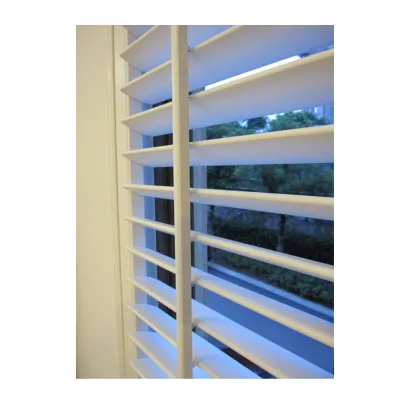

Customized All-Purpose Aluminum Louvers Shutters Window Sun Shade Metal Louver
$66.00 - $250.00
MOQ: 1 Square Meters


Fixed Exterior Sunshade with Adjustable Angles for Heat Reduction Aluminum Shutter Window
$48.00 - $50.00
MOQ: 3 Square Meters

Outdoor Covering Waterproof Sun Shade Shutter Automatic Aluminum Louver Roof Pergola
$80.00 - $160.00
MOQ: 9 Square Meters


Customized Rainproof Louver: Durable and Stylish, Withstand Harsh Weather Conditions.
$115.00 - $155.00
MOQ: 100 Square Meters

Durable and Waterproof Shutter Panels: Keeping You Dry and Comfortable All Year Round
$210.00 - $230.00
MOQ: 100 Square Meters


Comprehensive Sourcing Guide
Strategic Sourcing Guide for Waterproof Freestanding Aluminum Sun Louvers
Understanding Product Architecture and Technical Specifications
The procurement of Waterproof Freestanding Aluminum Sun Louvers requires a precise understanding of the product's structural integrity and material composition. Based on available market data, the primary material for these units is aluminum, specifically utilizing alloys that meet industry standards for durability and corrosion resistance. The observed specifications indicate a thickness range of 1.0 to 2.5mm, a critical parameter for ensuring the louvers can withstand wind loads and environmental stress without deformation. The structural design often features a frame type construction, which provides the necessary rigidity for freestanding applications where the unit is not integrated into a building's primary facade.
The operational mechanics of these louvers vary significantly across different supplier offerings. Buyers must distinguish between manual and smart control systems. While some units utilize a simple manual opening type, others are equipped with block control or smart control systems, allowing for automated adjustment of the blade angle. The opening pattern is predominantly horizontal, designed to optimize sun shading and UV protection while maintaining airflow. The blades themselves are often categorized under a "blades" kind, with a specific structure that can be either horizontal or vertical depending on the intended aesthetic and functional requirement. The surface treatment is a vital component of the product's longevity; observed finishes include powder coating and anodic oxidation, with some profiles undergoing mechanical polishing to achieve a specific aesthetic finish.
| Feature Category | Observed Specifications | Procurement Verification Point |
|---|---|---|
| Material | Aluminum, Alloying Ingredients | Verify specific alloy grade and temper (e.g., T3-TType) |
| Dimensions | Thickness 1.0~2.5mm | Confirm thickness tolerance and structural load capacity |
| Control | Manual, Block Control, Smart Control | Test motor integration and smart control compatibility |
| Finish | Powder Coating, Anodic Oxidation, Polished | Request color charts and salt spray test data |
| Mounting | Outside Mount, Freestanding | Ensure foundation requirements match site conditions |
Compliance, Certification, and Regulatory Standards
Navigating the compliance landscape is essential for international procurement, particularly when sourcing from major manufacturing hubs. The supplied data indicates that products often carry CE and CCC certifications, which are standard requirements for market entry in Europe and China, respectively. Furthermore, specific manufacturing facilities may hold ISO 9001 certification, which serves as a proxy for a robust quality management system. Buyers should explicitly verify the scope of these certifications to ensure they cover the specific manufacturing processes involved in the production of aluminum sun louvers.
In addition to general quality certifications, environmental and safety standards are increasingly critical. The presence of RoHS certification in the product data suggests that the materials used comply with restrictions on hazardous substances. This is particularly relevant for aluminum alloys and surface coatings. Buyers must also consider the "standard" attributes listed, which include specific dimensions such as 75, 100, 150, 200, 300, 400, and 500mm. These figures likely represent standard louver widths or spacing intervals. It is imperative to confirm whether these dimensions are fixed or customizable, as non-standard requirements may impact lead times and costs. The "aluminium" standard mentioned in the data reinforces the need to ensure the raw material meets the specific chemical and mechanical properties required for exterior applications.
Cost Drivers and Pricing Dynamics
The pricing structure for Waterproof Freestanding Aluminum Sun Louvers is influenced by a complex interplay of material costs, customization levels, and control system complexity. The observed price range in the market spans from 3.65 to 280 USD, a wide variance that reflects differences in scale, material quality, and feature sets. The lower end of the spectrum typically corresponds to basic manual units with standard dimensions and minimal surface treatment. Conversely, the higher price points are associated with smart control systems, custom dimensions, specialized finishes like anodic oxidation, and larger order volumes that may include premium packaging.
Material costs are a primary driver, given that aluminum is the core component. The thickness of the material, ranging from 1.0mm to 2.5mm, directly impacts the weight and cost of the unit. Thicker profiles generally command a higher price due to increased material usage and enhanced structural performance. Customization is another significant cost factor. While many suppliers offer "customization" as an available attribute, the extent of this customization—such as unique colors, non-standard spacing, or bespoke mounting configurations—will alter the unit price. Additionally, the "MOQ" (Minimum Order Quantity) range of 1 to 3000 units suggests that buyers can source small quantities for prototyping or small projects, but economies of scale will significantly reduce the unit cost for larger orders. Buyers should also account for packaging costs, as options range from simple bubble bags and plastic strips to more robust wooden cases and steel crates, which are necessary for international shipping and protection against damage.
Typical Applications and Functional Performance
The versatility of aluminum sun louvers allows them to be deployed in a wide array of applications, from residential to commercial and industrial settings. The data highlights several key usage scenarios, including exterior walls, interior walls, and roof applications. For exterior use, the "waterproof" attribute is paramount, ensuring that the louvers can protect the underlying structure from rain and moisture while still allowing for ventilation. The "sun shading" and "UV protection" functions are critical for reducing heat gain in buildings, thereby improving energy efficiency and occupant comfort.
Beyond thermal regulation, these products serve aesthetic and acoustic purposes. The "decoration" function allows architects to use louvers as a design element, creating dynamic facades that change appearance based on the sun's angle. The "absorbing noise" capability indicates that certain models are designed to mitigate sound pollution, making them suitable for urban environments or areas near high-traffic zones. The "special function" of being soundproof further emphasizes this acoustic performance. The "position" of the louvers can be interior or exterior, and the "open style" is often rolling, which allows for compact storage when not in use. The "service life" of up to 20 years suggests that these are long-term investments, provided they are installed correctly and maintained according to the manufacturer's guidelines. The "open type" being "induced" or "manual" dictates the user interaction, with induced systems often relying on wind or automated sensors to adjust the blades.
Supplier Evaluation and Quality Control Protocols
Selecting the right supplier requires a rigorous evaluation process that goes beyond price comparison. Buyers should prioritize suppliers who demonstrate transparency in their manufacturing processes and quality control measures. The "after-sales service" attribute, which includes providing necessary technical information and assistance, is a strong indicator of a supplier's commitment to customer support. A reliable supplier should be able to provide detailed installation instructions and technical support throughout the product's lifecycle.
Quality control should be verified through specific checkpoints. Buyers must request documentation regarding the "surface finishing" process, ensuring that powder coating or anodic oxidation is applied uniformly and meets adhesion standards. The "components" used, such as stainless steel hardware, should be verified for corrosion resistance, especially in coastal or high-humidity environments. The "warranty" terms, which can range from 1 year for motors to 5 years for normal use, provide a baseline for expected performance. However, buyers should scrutinize the specific conditions of the warranty to understand what is covered and what voids the coverage. The "packing" method is also a quality indicator; options like "Standard Alpha Export Cartons" or "Wooden Cases" suggest a higher level of care in shipping, reducing the risk of damage during transit.
Long-Term Procurement Considerations and Maintenance
Long-term procurement success depends on understanding the maintenance requirements and lifecycle management of the sun louvers. The "service life" of 20 years is an ideal scenario that assumes proper installation and regular maintenance. Buyers should inquire about the availability of replacement parts, particularly for the motor and control systems, which are more prone to wear and tear than the aluminum blades. The "warranty" for the motor is often shorter (1 year) compared to the structure (2-5 years), indicating that the mechanical components may require more frequent attention.
Maintenance protocols should include regular cleaning to remove dust and debris that could impede the movement of the blades or affect the surface finish. For units with smart control systems, software updates and battery replacements (if applicable) should be factored into the long-term cost of ownership. The "customization" aspect also plays a role in long-term viability; highly customized units may have longer lead times for replacement parts if the original design is discontinued. Buyers should also consider the "spacing" and "perforation" options, as non-perforated designs may require different cleaning methods compared to perforated ones. Finally, the "origin" of the product, often listed as China, implies specific logistical considerations regarding shipping times and import regulations, which should be integrated into the procurement timeline.
Conclusion
Sourcing Waterproof Freestanding Aluminum Sun Louvers is a strategic decision that balances technical performance, aesthetic requirements, and cost efficiency. By leveraging the observed specifications regarding material thickness, control systems, and surface treatments, buyers can make informed decisions that align with their project needs. The wide range of available certifications, from CE to ISO 9001, provides a framework for ensuring quality and compliance. However, the final selection must be grounded in a thorough evaluation of the supplier's ability to deliver on promises regarding warranty, after-sales support, and long-term reliability. With a clear understanding of the cost drivers and application-specific requirements, procurement teams can secure high-performance sun louvers that enhance building functionality and longevity.
FAQs
What certifications do Waterproof Freestanding Aluminum Sun Louvers have?
These units typically carry CE and CCC certifications for market entry. Some manufacturers also hold ISO 9001 certification to ensure quality management, while materials may comply with RoHS standards for hazardous substance restrictions.
How long is the service life of these aluminum sun louvers?
The service life can reach up to 20 years under normal usage conditions. Buyers should note that warranty periods vary, often offering one year for motors and two to five years for the structure.
Which control systems are available for these sun louvers?
Available control systems include manual, block control, and smart control options. The opening pattern is predominantly horizontal, allowing for automated or induced adjustments to optimize sun shading and airflow.
What surface treatments are applied to the aluminum profiles?
Common surface treatments include powder coating and anodic oxidation. Some profiles undergo mechanical polishing to achieve a specific aesthetic finish, ensuring durability and corrosion resistance for exterior applications.
Can these sun louvers be customized for specific dimensions?
Yes, customization is available for spacing and other specifications. Standard dimensions include widths like 75, 100, 150, and 200mm, but buyers can request tailored sizes to fit unique architectural requirements.
What is the typical price range for these aluminum units?
The observed price range spans from 3.65 to 280 USD per unit. Costs vary based on material thickness, control system complexity, customization levels, and packaging requirements for international shipping.
How are these products packaged for export?
Packaging options range from bubble bags and plastic strips to wooden cases and steel crates. Standard export cartons are also used to ensure protection during transit and prevent damage to the aluminum profiles.