Source Waterproof Glossy Photo Paper for Printing
Find 30 listings for Waterproof Glossy Photo Paper suitable for inkjet printers and eco-solvent applications. Compare GSM ranges from 80-450, brightness levels, and coating types to identify the right material for your specific printing needs; compare the available evidence and request quotations based on your requirements.
Key considerations
Products List

$780.00 - $820.00
MOQ: 20 Tons


Eco-Solvent Photo Paper, Waterproof Photo Paper, Photo Paper Inkjet Paper
$0.35 - $0.48
MOQ: 2500 Square Meters

High Quality High Glossy Waterproof Photo Paper for Inkjet Print
$0.35 - $0.48
MOQ: 2500 Square Meters


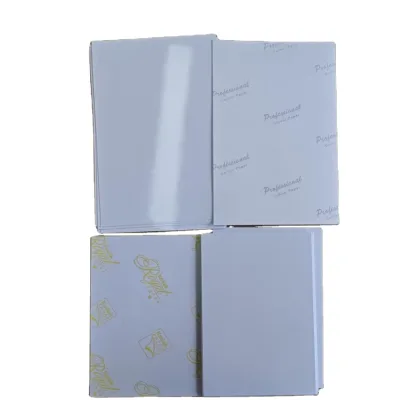
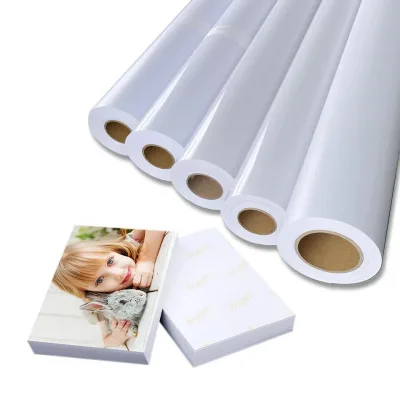


Guaranteed Quality Proper Price Waterbased Photo Paper High Gloss Album Paper Frame Picture Photo
$0.66 - $0.98
MOQ: 1000 Square Meters




Comprehensive Sourcing Guide
Waterproof Glossy Photo Paper Sourcing Guide
Procuring Waterproof Glossy Photo Paper requires distinguishing between general coated varieties and specialized inkjet media designed for high-fidelity imaging. The observed market data indicates a diverse range of products, from standard writing paper to specific Waterproof Glossy Photo Paper models like the SPP200G. Buyers must carefully align their specific printing technology, such as eco-solvent or inkjet systems, with the paper's coating chemistry to ensure optimal ink absorption and color vibrancy.
The physical characteristics of the paper, including gloss levels and surface finish, vary significantly across listings, with some products offering high gloss finishes while others provide matte or dual-surface options. It is critical to verify the specific GSM range, which can span from 80 to 450 grams per square meter, to match the desired durability and opacity for the intended application. Understanding these variations prevents the selection of a substrate that is either too flimsy for outdoor use or too thick for standard office printing workflows.
Product Scope and Observed Listing Signals
The product scope for Waterproof Glossy Photo Paper encompasses a wide array of applications, including photo printing, gift wrapping, and specialized filter paper uses. Listings frequently highlight features such as waterproofing and anti-curl properties, which are essential for maintaining image integrity in humid environments or during handling. Buyers should note that while some entries describe the material as virgin pulp, others specify bamboo pulp, indicating that the raw material source is a variable attribute that impacts the final texture and environmental profile of the sheet.
Observed listing signals reveal significant diversity in packaging and dimensions, with standard widths ranging from 0.61 meters to 1.83 meters and lengths extending up to 50 meters. The packaging methods also differ, ranging from simple carton boxes to complex craft paper and paper board packing with pallets, which directly influences shipping costs and storage requirements. Procurement teams must scrutinize these logistical details to ensure the selected product fits within their existing production lines and storage facilities without requiring costly modifications.
Technical Specifications to Verify
Technical verification begins with confirming the surface finish and coating type, as the market offers both glossy and matte options with varying degrees of brightness. Specifications such as a 60% gloss level or a brightness rating of 98-100% are critical for achieving the desired visual impact, particularly for high-end photographic prints. Buyers should explicitly request test data or sample swatches to validate that the surface finish matches the claimed specifications, as inconsistencies in coating uniformity can lead to banding or color shifts during the printing process.
Substrate weight and dimensional tolerance are equally vital parameters that affect the mechanical performance of the paper during high-speed printing. The observed substance tolerance of +/-2 grams and moisture content of 7% suggest a need for strict quality control to prevent curling or jamming in automated feeders. Additionally, the grammage, which can range from 250gsm to 450gsm, must be verified against the printer's specifications to ensure the media is compatible with the machine's tension and drying systems.
Compliance and Safety Documentation
Compliance documentation for Waterproof Glossy Photo Paper often includes references to industry standards such as SGS, which serves as a baseline for quality assurance. While some listings mention FSC certification, this status should be treated as a background possibility rather than a guaranteed attribute for every product. Buyers must explicitly request current certification documents to verify that the paper meets specific environmental or safety regulations required by their target markets, particularly if the end product is intended for food contact or children's items.
Safety data regarding the inks used with the paper is another crucial compliance area, especially when eco-solvent inks are specified for use with the media. The interaction between the coating and the ink chemistry determines the final durability and toxicity profile of the printed output. Procurement teams should ensure that the supplier provides Material Safety Data Sheets (MSDS) for both the paper and the recommended inks to confirm that the combination does not release harmful volatile organic compounds during the printing or curing process.
Cost Drivers and Commercial Terms
Cost drivers for Waterproof Glossy Photo Paper are heavily influenced by the raw material composition, such as the use of virgin versus bamboo pulp, and the complexity of the coating process. The observed price range of 0.1 to 820 USD reflects the vast difference between standard coated paper and specialized high-gloss photo media with advanced waterproofing features. Buyers should analyze the cost per square meter rather than the unit price to accurately compare products with different dimensions and weights, ensuring they are evaluating the true value of the material.
Commercial terms, including Minimum Order Quantities (MOQ) and lead times, vary significantly across the supply base, with MOQs ranging from 1 to 5000 units and lead times extending up to four weeks. These terms are often dictated by the customization level required, such as specific widths or custom packaging solutions. Procurement planners must factor in these lead times and volume requirements when forecasting inventory needs, as delays in production can disrupt downstream printing schedules and increase overall operational costs.
Supplier Qualification and Quality Control
Supplier qualification should focus on verifying the origin of the product, as listings indicate manufacturing in regions like Shandong Province and Shanghai, which may have different quality control infrastructures. Buyers must assess the supplier's ability to maintain consistent moisture content and grammage across large production runs, as deviations can lead to significant waste in high-volume printing operations. Requesting a sample batch for internal testing is a prudent step to validate the supplier's claims regarding waterproofing and surface finish before committing to a larger order.
Quality control protocols must also address the physical handling and storage of the paper to prevent degradation before it reaches the printer. The observed packaging methods, such as double cream coating base paper with RC or sea/air freight options, play a critical role in protecting the material from humidity and physical damage during transit. Suppliers should demonstrate a robust quality assurance system that includes regular testing of brightness, gloss, and coating adhesion to ensure that every batch meets the stringent requirements of professional photo printing.
Long-Term Procurement Checks
Long-term procurement strategies require establishing a baseline for performance consistency, particularly regarding the outdoor life of the printed material, which is cited as up to three years for certain products. Buyers should implement a periodic review process to test the durability of the paper against environmental factors like UV exposure and humidity, ensuring that the waterproof claims hold true over time. This proactive approach helps prevent costly reprints and maintains the reputation of the printing service by delivering consistent, high-quality results.
Continuous monitoring of supplier performance is essential to adapt to changes in raw material availability and manufacturing standards. As the market evolves, suppliers may alter their pulp sources or coating formulations, which can impact the final product characteristics. Establishing a feedback loop with suppliers to discuss any changes in specifications or standards, such as the 36-inch or 42-inch width options, ensures that the procurement team remains aligned with the latest industry capabilities and can adjust their sourcing strategy accordingly.
FAQs
What customization options are available for Waterproof Glossy Photo Paper?
Customization is available for this product line, allowing buyers to tailor specifications to their specific needs. The paper features a high gloss finish and is made from virgin pulp. Buyers can select from various sizes including 787mm, 880mm, and 889mm. This flexibility ensures the material meets precise printing and packaging requirements for diverse applications.
What is the typical lead time for ordering Waterproof Glossy Photo Paper?
The standard lead time for production is four weeks. This timeframe allows for proper manufacturing and quality control processes. Buyers should plan their procurement schedules accordingly to ensure timely delivery. The lead time may vary based on order volume and specific customization requests, so early communication with suppliers is recommended for accurate scheduling.
Which certifications ensure the quality of this Waterproof Glossy Photo Paper?
The product adheres to SGS standards, ensuring reliable quality and safety. This certification verifies that the paper meets international requirements for performance and consistency. Buyers can trust that the material is suitable for various applications, including food wrapping and photo printing. The SGS standard provides assurance of the product's integrity and compliance with industry norms.
How is the Waterproof Glossy Photo Paper packaged for shipping?
The paper is packaged using craft paper and paper board packing with pallets. This method ensures protection during transit and handling. Some variants may use double cream coating base paper with RC for specific needs. The packaging is designed to maintain the paper's quality and prevent damage, ensuring it arrives in optimal condition for immediate use in printing or wrapping applications.
What are the available GSM ranges for this Waterproof Glossy Photo Paper?
The available GSM range spans from 80 to 450 GSM. This wide range allows for versatility in applications, from lightweight wrapping to heavy-duty photo printing. Specific products may have a gram weight of 250gsm, offering a balanced option for many uses. Buyers can choose the appropriate weight based on their specific printing or packaging requirements, ensuring optimal performance and durability.
Can Waterproof Glossy Photo Paper be used with inkjet printers?
Yes, this paper is applicable for use with inkjet printers. It is designed to work effectively with eco-solvent inks, ensuring vibrant and durable prints. The high gloss finish enhances the visual appeal of the output. This compatibility makes it suitable for various digital printing applications, providing high-quality results for photos, graphics, and other printed materials.