Find Waterproof Lockable Aluminum Makeup Case for Travel, Studio, Home
Explore 30 Waterproof Lockable Aluminum Makeup Case options to compare dimensions, materials, and customization features. This guide helps buyers evaluate specifications for professional, household, and camping applications. Review detailed product attributes including hardness, shape, and packaging to ensure the selected case meets specific operational requirements and storage needs for various user demographics.
Key considerations
Products List

Makeup Train Professional Portable Bag Artist Lockable Aluminum Cosmetic Case
$4.00 - $6.00
MOQ: 300 Pieces


Aluminum Cosmetic Aluminum Makeup Case Beauty Case Aluminum Beauty Case
$14.00 - $15.00
MOQ: 100 Pieces




Comprehensive Sourcing Guide
Waterproof Lockable Aluminum Makeup Case Sourcing Guide
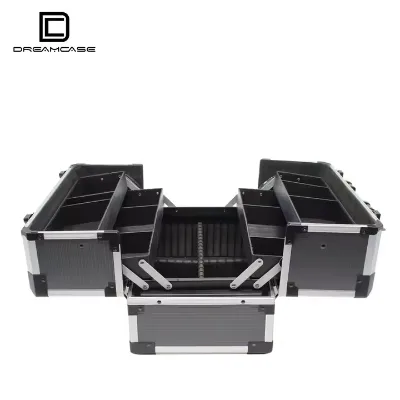
Procuring waterproof lockable aluminum makeup cases requires a nuanced understanding of material properties and functional design, particularly when balancing aesthetic appeal with rugged utility. The core keyword highlights a specific intersection of durability and protection, where aluminum serves as the primary structural material to ensure lightweight yet robust containment. Buyers must recognize that while aluminum offers superior resistance to impact and corrosion compared to plastic alternatives, the waterproofing capability is often dependent on the integrity of the sealing mechanisms rather than the metal itself. This distinction is critical for professionals who transport sensitive cosmetics or tools in variable environmental conditions, ensuring that moisture ingress does not compromise the contents.
The market landscape for these cases reveals a diverse range of configurations, from horizontal square designs to more compact, medium-capacity options. Observed listings indicate that customization is a prevalent feature, allowing buyers to tailor interior layouts, such as EVA veneer linings or custom compartments, to specific product needs. Furthermore, the gender-specific and unisex design variations suggest that marketing and ergonomic considerations play a significant role in product selection. Understanding these variations helps buyers align their procurement strategy with their target demographic, whether for professional makeup artists, travel enthusiasts, or household storage solutions, ensuring that the final product meets both functional and aesthetic expectations.
Product Scope and Observed Listing Signals
The observed product scope encompasses a wide array of aluminum cases, ranging from small, hand-held tool boxes to larger, multi-compartment cosmetic carriers. Listings frequently highlight features such as double-open designs, which facilitate easy access to contents, and specific dimensions that cater to different storage requirements. For instance, some models are designed with precise internal dimensions to fit standard cosmetic items, while others offer more flexible space for larger tools or equipment. The presence of waterproof ratings in some listings, contrasted with non-waterproof options in others, underscores the importance of verifying specific product attributes before making bulk purchases, as not all aluminum cases provide the same level of environmental protection.
Customization options are a significant driver in this category, with suppliers offering tailored solutions for branding, interior organization, and exterior finishes. Buyers can often choose from various color options, such as gold, bronze, or black, and select from different packing methods, including bubble bags or master cartons, to ensure safe transit. The availability of OEM and ODM services indicates that many manufacturers are equipped to handle bespoke orders, allowing businesses to create unique products that stand out in the market. This flexibility is particularly valuable for brands looking to differentiate their offerings through specialized packaging solutions that enhance user experience and brand identity.
Technical Specifications to Verify
When evaluating technical specifications, buyers must prioritize the verification of material composition and structural integrity. While aluminum is a common material, the specific alloy and thickness can significantly impact the case's durability and weight. It is essential to confirm whether the aluminum frame is reinforced with additional materials, such as MDF panels or EVA linings, to enhance protection and cushioning. Additionally, the hardness of the material, whether partial or full, should be assessed to ensure it meets the demands of the intended use case, whether for professional travel or everyday household storage. These details directly influence the case's ability to withstand impacts and maintain its shape over time.
Sealing mechanisms and locking systems are critical technical aspects that determine the waterproof and secure nature of the case. Buyers should verify the type of seals used, such as rubber gaskets or silicone rings, and their compatibility with the case's design to ensure effective water resistance. The locking mechanism, whether it is a standard latch or a more secure combination lock, should also be evaluated for reliability and ease of use. Furthermore, the bearing capacity and weight of the case are important considerations, especially for models intended to carry heavy tools or equipment, ensuring that the structure can support the load without deformation or failure.
Compliance and Safety Documentation
Compliance with international safety and quality standards is a fundamental requirement for sourcing aluminum makeup cases, particularly those intended for export to regulated markets. Buyers should request documentation that verifies adherence to relevant standards, such as CE marking for products sold in the European Union, which indicates conformity with health, safety, and environmental protection standards. While specific certification statuses may vary by supplier, it is crucial to ensure that the materials used, including aluminum and any internal linings, are free from harmful substances and meet regulatory requirements for consumer goods. This due diligence helps mitigate risks associated with product recalls and legal liabilities.
In addition to regulatory compliance, buyers should assess the safety features incorporated into the case design, such as rounded edges to prevent injury and secure locking mechanisms to prevent accidental opening. The packaging materials should also be evaluated for safety, ensuring that they are non-toxic and suitable for protecting the product during transit. Suppliers should provide clear information on the testing procedures used to validate the waterproof and durability claims, allowing buyers to make informed decisions based on empirical evidence rather than marketing assertions. This transparency is essential for building trust and ensuring that the products meet the highest standards of quality and safety.
Cost Drivers and Commercial Terms
The cost of aluminum makeup cases is influenced by several key factors, including the complexity of the design, the quality of materials, and the level of customization required. Cases with intricate interior layouts, premium finishes, or specialized locking mechanisms typically command higher prices due to the increased manufacturing effort and material costs. Additionally, the volume of the order plays a significant role in pricing, with larger quantities often benefiting from economies of scale. Buyers should negotiate clearly defined commercial terms, including payment methods, delivery schedules, and warranty provisions, to ensure a smooth procurement process and protect their interests.
Packaging and logistics are also significant cost drivers, as the method of packing can affect the overall shipping cost and the risk of damage during transit. Suppliers may offer various packaging options, from simple bubble bags to robust master cartons, each with different implications for cost and protection. Buyers should consider the total landed cost, including shipping, duties, and insurance, when evaluating supplier quotes, rather than focusing solely on the unit price. Establishing clear expectations regarding lead times and production capacity can also help avoid delays and additional costs associated with rush orders or supply chain disruptions.
Supplier Qualification and Quality Control
Supplier qualification is a critical step in ensuring the reliability and consistency of aluminum makeup case procurement. Buyers should conduct thorough due diligence on potential suppliers, verifying their manufacturing capabilities, quality management systems, and track record in the industry. This may include requesting samples for evaluation, conducting factory audits, or reviewing customer references to assess the supplier's ability to meet quality standards and delivery commitments. Establishing a strong relationship with a qualified supplier can lead to better pricing, improved communication, and greater flexibility in handling custom orders.
Quality control measures should be implemented throughout the production process to ensure that the final products meet the specified requirements. Buyers should define clear quality criteria, including dimensions, material properties, and functional performance, and work with suppliers to establish inspection protocols. This may involve pre-production samples, in-process inspections, and final random inspections before shipment. By actively participating in the quality control process, buyers can identify and address potential issues early, reducing the risk of receiving defective products and ensuring that the procurement process aligns with their quality expectations.
Long-Term Procurement Checks
Long-term procurement success depends on continuous monitoring and evaluation of supplier performance and product quality. Buyers should establish key performance indicators (KPIs) to track metrics such as on-time delivery, defect rates, and customer satisfaction, using this data to drive continuous improvement. Regular communication with suppliers is essential to address any emerging issues, discuss market trends, and explore opportunities for innovation. By maintaining a proactive approach to supplier management, buyers can build resilient supply chains that adapt to changing market conditions and customer needs.
Additionally, buyers should stay informed about industry developments, such as new materials, technologies, and regulatory changes, that may impact the sourcing of aluminum makeup cases. This knowledge can help buyers make informed decisions about product design, sourcing strategies, and risk management. By fostering a culture of continuous learning and improvement, buyers can enhance their competitive advantage and ensure that their procurement practices remain aligned with best practices and industry standards. This long-term perspective is crucial for sustaining growth and achieving strategic objectives in the global marketplace.
FAQs
Can I get a customized waterproof aluminum makeup case?
Yes, customization is available for these aluminum cases. The product features include double open designs and can be customized with specific colors like gold or bronze. You may also request customized packaging options such as bubble bags or master cartons to meet your specific branding needs.
What are the standard dimensions for these aluminum cases?
Standard dimensions vary by model, with sizes ranging from 19 x 18 x 25 cm to 36.5 x 22 x 35 cm. Some models are specified as 10 inch by 9.25 inch by 7 inch, while others measure 395 x 300 x 130 mm. These dimensions accommodate different storage capacities for household or professional use.
Which materials are used to construct these makeup cases?
These cases are primarily constructed from aluminum or aluminum alloy materials. The profiles often feature a stripe aluminum surface combined with MDF panels. The lining is typically made of EVA veneer or can be customized to suit specific interior requirements for protecting cosmetics and tools.
How much does a waterproof aluminum makeup case weigh?
Weight varies by model, with one specific unit weighing 8.44 kilograms. Other models have a bearing capacity of 2-3 kg, indicating their structural limits. The weight depends on the specific dimensions and whether the case includes additional accessories like copper grills or black handles.
What certifications do these aluminum cases meet?
Some models meet the CE standard, ensuring compliance with relevant safety regulations. The products are designed for professional and household usage, often featuring waterproof properties, though some variants are not waterproof. Customization is warmly welcomed for OEM and ODM requirements to meet specific market standards.
Can I order these cases with specific packaging requirements?
Yes, packaging can be customized to your needs. Options include bubble bags, master cartons, or specific quantities like 5 pieces per bag per carton. The product origin is China, and you can request customized packaging solutions to ensure safe transport and presentation for your specific business requirements.