Source Waterproof Membrane for Roofing, Tunnels, and Walls
Find 30 Waterproof Membrane options with varying thicknesses, materials like PE+PP and HDPE, and certifications including ISO and CE. Buyers can compare specifications such as water-tightness, UV resistance, and customization availability for indoor and outdoor applications.
Key considerations
Products List


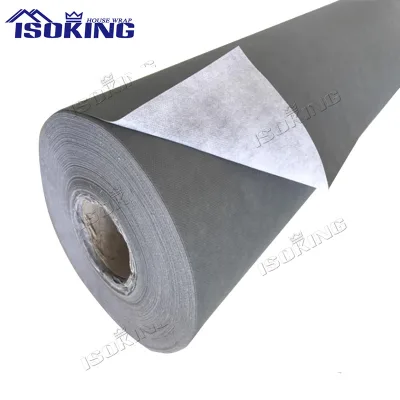


RO Membrane RO Manufactures High Quality RO Membrane for RO Water Filter System
$100.00 - $120.00
MOQ: 1 Pieces


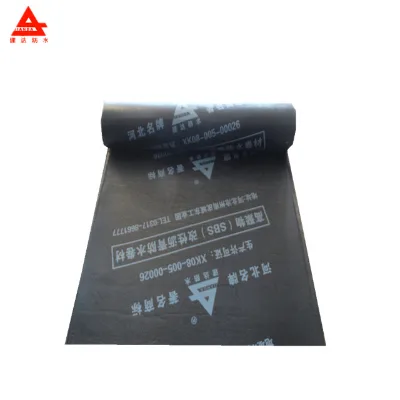


Comprehensive Sourcing Guide
Strategic Sourcing Guide for Waterproof Membrane Procurement
Understanding Technical Specifications and Material Composition
When initiating a procurement strategy for waterproof membranes, the primary focus must be on the precise technical specifications that align with the intended application environment. The market offers a diverse array of materials, ranging from composite blends to specialized polymers. Based on current market observations, a prevalent material composition involves a blend of Polyethylene and Polypropylene (PE+PP). This combination is frequently cited for its balance of flexibility and tensile strength, making it suitable for both indoor and outdoor installations. However, buyers must also consider alternative material profiles, including High-Density Polyethylene (HDPE), general plastics, and Polyurethane. The selection between these materials is not arbitrary; it is dictated by the specific chemical resistance, UV stability, and mechanical load requirements of the project.
Thickness is another critical dimension that dictates the performance and durability of the membrane. Observed product data indicates a range of thicknesses available in the supply chain, including 0.2mm, 0.8mm, 1.2mm, 1.5mm, and 2mm. Thinner gauges, such as 0.2mm, may be suitable for specific underlayment applications or temporary protection, whereas thicker variants like 2mm are often required for heavy-duty waterproofing in tunnels, basements, or high-traffic areas. The width of the rolls is equally significant, with standard offerings often at 1.5 meters, though customized widths are available to reduce seam counts and potential failure points. Length specifications also vary, with standard rolls frequently reaching 100 meters or more, which impacts logistics and installation efficiency.
Compliance, Certification, and Regulatory Verification
In the B2B procurement of construction materials, verifying compliance is as important as the physical product itself. Buyers must rigorously audit the certification status of potential suppliers. The market data highlights several key certifications that are commonly associated with high-quality waterproof membranes. ISO certification appears frequently, serving as a baseline indicator of quality management systems. More specific certifications include CE marking, which is essential for products entering the European market, and MSDS (Material Safety Data Sheets), which are critical for ensuring the chemical safety of the product during handling and installation.
While some background information suggests ISO 9001 as a standard, buyers should not assume this status without direct verification from the supplier. Instead, the procurement process must include a request for valid, up-to-date certification documents. The presence of these certifications ensures that the manufacturer adheres to international standards for production consistency and safety. Furthermore, the product origin is a factor in compliance; many observed listings indicate production in China, specifically from regions like Hebei. Buyers must ensure that the origin country's export regulations and the destination country's import standards are fully compatible to avoid customs delays or rejection of goods.
Cost Drivers and Economic Factors in Membrane Procurement
The cost structure of waterproof membranes is influenced by a complex interplay of material costs, manufacturing processes, and logistical variables. The observed price range in the market is vast, spanning from $0.10 to $1,000 per unit, reflecting the diversity in product types, thicknesses, and volumes. This wide variance underscores the importance of defining the exact scope of requirements before requesting quotes. A thin, single-layer PE+PP roll will naturally cost significantly less than a multi-layer, heavy-duty HDPE or Polyurethane system with specialized additives for UV resistance.
Beyond the unit price, the Minimum Order Quantity (MOQ) is a decisive economic factor. Data indicates MOQs ranging from 1 unit to 100,000 units. For small-scale projects or pilot runs, suppliers with low MOQs are essential, though they may carry a higher per-unit cost. Conversely, large-scale infrastructure projects can leverage high-volume orders to negotiate better pricing, provided the supply chain can handle the logistical burden. Packaging also influences cost; options include PE bags, plastic bags, or cartons. The choice of packaging affects the single gross weight and the dimensions of the shipping container, which in turn impacts freight costs. For instance, a single package size of 150x5x5 cm with a gross weight of 10 kg must be factored into the total landed cost calculation.
Typical Applications and Functional Requirements
Waterproof membranes are versatile products designed for a wide spectrum of applications, from residential renovations to massive civil engineering projects. The functional requirements vary significantly based on the usage environment. Common applications identified in the market include wall and roof waterproofing, tunnel sealing, and protection for various base surfaces. Specific building types that frequently utilize these membranes include hotels, villas, apartments, office buildings, hospitals, schools, malls, sports venues, and leisure facilities. The material must be capable of withstanding the specific stresses of each environment, such as hydrostatic pressure in tunnels or thermal expansion in roofing.
A critical functional attribute is water-tightness. High-performance membranes are often tested to withstand water pressure exceeding 3000mm H2O, a benchmark that ensures reliability in submerged or high-pressure scenarios. Additionally, UV resistance is a mandatory feature for any product intended for outdoor exposure. Without adequate UV stability, the polymer matrix can degrade rapidly, leading to cracks and failure. The design style, often categorized as industrial, and the shape of the product, available in flat sheets or rolls, also dictate the installation method. The ability to provide a total solution for projects, including onsite training and technical support, adds significant value for complex applications where installation precision is paramount.
Supplier Evaluation and Service Capabilities
Selecting a reliable supplier extends beyond the product specifications to include their service capabilities and project support. A robust supplier should offer comprehensive after-sales services, such as online technical support and onsite training. These services are crucial for ensuring that the installation team is properly trained to handle the specific membrane material, thereby minimizing the risk of installation errors. The warranty period is another key indicator of supplier confidence; observed data includes warranty terms ranging from standard support to a 5-year guarantee. A longer warranty often correlates with higher quality assurance processes and better long-term value.
Buyers should also evaluate the supplier's customization capabilities. The market shows that customization is widely available, allowing for specific colors (such as grey, white, or custom shades) and tailored dimensions. This flexibility is vital for projects with aesthetic requirements or unique structural constraints. The product standard, often defined by specific dimensions like 1.35x30m or 1.5x30m, should be clearly communicated to ensure compatibility with existing systems. Furthermore, the supplier's ability to handle large orders, indicated by standards like "40 container" capacity, is essential for large-scale procurement. The brand name, such as ISOKING, may also play a role in the buyer's decision, though the technical data and certifications should remain the primary evaluation criteria.
Quality Control and Long-Term Procurement Considerations
Effective quality control is the backbone of a successful waterproofing project. Buyers must implement a rigorous inspection protocol that verifies the physical attributes of the delivered goods against the agreed specifications. This includes checking the thickness (e.g., ensuring 1.2mm is delivered if specified), verifying the material composition (PE+PP vs. HDPE), and confirming the weight per square meter, which can range from 80g to 160g. The surface treatment and the integrity of the packaging (PE bag, plastic bag, or carton) are also critical to prevent damage during transit.
Long-term procurement considerations involve establishing a sustainable relationship with suppliers who can guarantee consistent quality over time. The delivery time, observed at approximately 15 days, should be factored into the project schedule to prevent delays. However, buyers must remain aware that lead times can fluctuate based on order volume and raw material availability. The feature set of the product, including water resistance and high strength, must be validated through third-party testing if the project specifications demand it. Ultimately, the goal is to secure a supply chain that delivers not just a product, but a reliable solution that ensures the longevity and safety of the building structure. By adhering to these disciplined sourcing practices, buyers can mitigate risks and ensure the successful execution of their waterproofing projects.
Comparative Analysis of Product Attributes
To facilitate a clearer decision-making process, the following table summarizes the key attributes observed in the current market for waterproof membranes. This comparison highlights the variability in specifications and helps buyers identify the product profile that best matches their project needs.
| Attribute Category | Observed Options / Ranges | Key Considerations for Buyers |
|---|---|---|
| Material Composition | PE+PP, Plastic, HDPE, Polyurethane | Match material to chemical/UV exposure; PE+PP common for general use. |
| Thickness | 0.2mm, 0.8mm, 1.2mm, 1.5mm, 2mm | Thicker gauges (1.5-2mm) for heavy duty; thinner (0.2-0.8mm) for underlayment. |
| Width & Length | Width: 1.5m (customizable); Length: 100m+ | Custom widths reduce seams; standard lengths optimize logistics. |
| Certifications | ISO, CE, MSDS | Verify validity; CE is critical for EU; MSDS for safety compliance. |
| Water-Tightness | > 3000mm H2O | Essential for tunnels and submerged applications. |
| UV Resistance | Yes (Standard) | Mandatory for all outdoor applications to prevent degradation. |
| Warranty | Online Support, Onsite Training, 5 Years | Longer warranties indicate higher confidence in product longevity. |
| Packaging | PE Bag, Plastic Bag, Carton | Impacts shipping weight and damage protection during transit. |
| Origin | China (e.g., Hebei) | Verify export compliance and logistics capabilities. |
| Customization | Available (Color, Size, Model) | Essential for specific aesthetic or structural requirements. |
This structured approach to evaluating waterproof membranes ensures that procurement decisions are grounded in verified data and technical requirements, rather than marketing claims. By focusing on these core elements, buyers can secure high-performance materials that meet the rigorous demands of modern construction projects.
FAQs
What certifications are available for waterproof membranes?
Products commonly hold ISO, CE, and MSDS certifications. Buyers must verify valid documents as ISO 9001 is not guaranteed by default. These certifications ensure quality management and chemical safety for international compliance.
Which thickness options exist for Waterproof Membrane rolls?
Available thicknesses range from 0.2mm to 2mm depending on the product model. Thinner gauges suit underlayment while thicker variants like 2mm are for heavy-duty applications. Custom widths are also available to reduce seam counts.
Can buyers request custom colors for waterproof membranes?
Yes, customization is available for colors including grey, white, and custom shades. Suppliers offer tailored dimensions to meet specific project needs. This flexibility supports both aesthetic requirements and unique structural constraints.
How long is the delivery time for Waterproof Membrane orders?
The standard delivery time is approximately 15 days. This duration may fluctuate based on order volume and raw material availability. Buyers should factor this into project schedules to prevent potential delays.
What material compositions are used in waterproof membranes?
Common materials include PE+PP blends, HDPE, and Polyurethane. PE+PP offers flexibility for indoor and outdoor use, while other polymers suit specific chemical resistance needs. Selection depends on UV stability and mechanical load requirements.
What is the water-tightness performance of these membranes?
High-performance membranes withstand water pressure exceeding 3000mm H2O. This benchmark ensures reliability in submerged or high-pressure scenarios like tunnels. Buyers should verify this spec for critical waterproofing projects.
Which warranty terms are offered for Waterproof Membrane products?
Warranty options include online technical support, onsite training, and up to a 5-year guarantee. Longer warranties often indicate higher quality assurance processes. Service capabilities are crucial for ensuring proper installation and long-term performance.