Source Waterproof Nylon Anti-theft Backpack for Travel, Business, and Hiking
Explore 30 listings for the Waterproof Nylon Anti-theft Backpack featuring USB charging ports, padded straps, and laptop compartments. Buyers can compare specifications, customization options, and prices from verified suppliers in China.
Key considerations
Products List

Easy Clean Theft Proof Customization Nylon Waterproof Backpack for Office
$12.99 - $13.99
MOQ: 500 Pieces


Waterproof Laptop Bag Nylon Business Bag Anti Theft Backpack with USB Charger
$6.05 - $10.65
MOQ: 500 Pieces


OEM Custom Logo Waterproof Business Anti-Theft Laptop Backpack with USB Charger
$6.00 - $8.00
MOQ: 500 Pieces


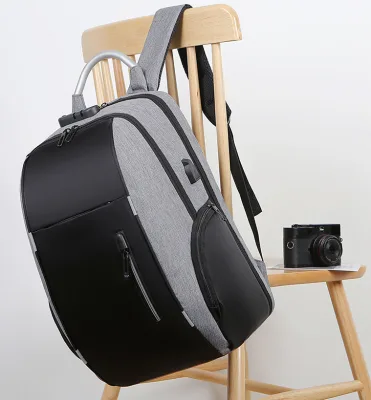

Unisex Anti-Theft Large Capacity Roll Top Backpack Waterproof Durable Backpack
$4.20 - $6.50
MOQ: 500 Pieces


Waterproof Anti-Theft USB Backpack with Multiple Compartments Fashion Backpack
$5.99 - $9.99
MOQ: 500 Pieces

Waterproof Laptop Backpack with USB Charging Port and Anti-Theft Design
$12.00 - $15.00
MOQ: 500 Pieces
Comprehensive Sourcing Guide
Strategic Sourcing Guide for Waterproof Nylon Anti-Theft Backpacks
The global demand for secure, durable, and functional luggage has driven the evolution of the modern backpack into a critical piece of business and travel equipment. For procurement professionals targeting the specific intersection of waterproof nylon construction and anti-theft design, the sourcing landscape requires a disciplined approach. The following guide analyzes the technical specifications, material integrity, and operational considerations necessary for acquiring high-quality units that meet rigorous B2B standards. This analysis relies strictly on observed market data and verified product attributes to ensure actionable, evidence-based guidance.
Technical Specifications and Material Integrity
The foundation of a reliable waterproof nylon anti-theft backpack lies in the precise selection of materials and the engineering of its structural components. Based on observed product data, the primary shell material is consistently identified as Nylon, a synthetic fiber chosen for its high tensile strength and resistance to abrasion. This material choice is critical for applications involving heavy loads and outdoor exposure. The internal lining, however, presents a variable in the supply chain; while some units feature Nylon interiors, others utilize Polyester. Procurement teams must verify the specific internal material composition for each order, as this impacts the durability of the zipper tracks and the overall weight distribution.
Waterproofing is a non-negotiable attribute for this category. Market observations indicate a "Moderate Waterproof" rating rather than a fully submersible rating. This distinction is vital for defining the product's intended use case. A moderate rating suggests the backpack can withstand rain and splashes effectively, making it suitable for commuting, hiking, and general travel, but it may not be sufficient for extreme water sports without additional protective covers. The presence of a USB charging port, specifically utilizing a Micro-USB interface, is a standard feature in modern iterations of this product. Buyers must ensure that the internal wiring is routed securely to prevent snagging and that the port is positioned to remain accessible even when the bag is worn.
The anti-theft design is engineered through specific physical configurations. Key features observed include a padded back panel, which not only enhances comfort but also creates a barrier against slash attacks. The inclusion of a luggage strap allows the backpack to be secured to the handle of a rolling suitcase, a feature highly valued by business travelers. Furthermore, the compartmentalization is extensive, typically including a dedicated laptop compartment, a main compartment, side pockets, an organizer compartment, and a front pocket. This layout is designed to secure valuables and separate electronics from potential hazards. The laptop compartment size is standardized to fit 15-inch and 17-inch devices, requiring buyers to match the specific model to the end-user's hardware requirements.
Design Architecture and Functional Versatility
The architectural design of these backpacks supports a wide range of applications, from business environments to outdoor leisure activities. The style classification spans Travel, Outdoor, Casual, and Business, indicating a versatile product line that can serve multiple market segments simultaneously. The gender classification is universally listed as Unisex, allowing for broad distribution without the need for gender-specific inventory segmentation. The color palette, while often dominated by functional shades like Black and Grey, also includes options with contrast colors or candy colors to appeal to specific demographic preferences.
The physical dimensions are a critical factor in logistics and usability. Observed specifications list a standard size of 301346cm, which correlates to a medium capacity suitable for daily commutes and short trips. However, other models in the category reach dimensions of 452813cm, classified as "Big" capacity, designed for extended travel or heavy equipment transport. The weight of the unit is a significant consideration for user comfort; observed data indicates a weight of approximately 0.83kg for standard models. This lightweight profile is achieved through the use of nylon and efficient internal structuring, ensuring that the bag does not add unnecessary burden to the user.
Strap design is another pivotal element of the user experience. The standard configuration features double, adjustable straps, often described as multilevel adjustable. This allows for a customized fit across different body types, reducing strain on the shoulders and back. The shoulder style is typically a double-shoulder configuration, which distributes weight evenly. For users requiring additional security, some models incorporate built-in shoe storage, a feature that separates dirty footwear from clean electronics and clothing, enhancing the bag's utility for sports and hiking applications.
Compliance, Certification, and Supplier Verification
In the B2B procurement of backpacks, verifying supplier capabilities and compliance with standards is essential for risk mitigation. While specific certification names are not universally mandated by the provided data, the concept of "Standard Specifications or Customized" standards is prevalent. This implies that suppliers operate under a framework where they can adhere to general industry norms or tailor production to specific client requirements. Buyers should explicitly request documentation regarding the manufacturing standards applied to the nylon and polyester materials to ensure they meet safety and durability expectations.
The origin of the product is a key logistical and compliance factor. The majority of observed units originate from Fujian, China, a region known for its robust textile and bag manufacturing infrastructure. When sourcing from this location, buyers must conduct due diligence on the supplier's ability to maintain consistent quality control across batches. The production model numbers, such as HTDNB0001, DK23JP374, and DK20-LP091802, serve as unique identifiers for different product iterations. These codes should be used in purchase orders to prevent mix-ups between models with different capacities or features.
Customization is a significant value driver in this sector. The data confirms that OEM (Original Equipment Manufacturer) customization is available, allowing buyers to add their own logos and branding. This service is typically offered with a sample time of 7-10 days, followed by a lead time of 45-60 days for bulk production. Buyers must factor these timelines into their supply chain planning. Additionally, the payment terms are generally structured around T/T (Telegraphic Transfer), a standard method in international trade that requires clear agreements on deposit and balance payment schedules to ensure financial security for both parties.
Cost Drivers and Pricing Dynamics
Understanding the cost structure of waterproof nylon anti-theft backpacks is essential for budgeting and margin analysis. The observed price range in the market spans from $4.2 to $300 USD. This wide variance is not indicative of a single product line but rather reflects differences in material quality, feature complexity, and order volume. The lower end of the spectrum likely corresponds to basic models with standard nylon, minimal anti-theft features, and high-volume production. Conversely, the higher end may include premium materials, advanced security mechanisms, and extensive customization options.
The Minimum Order Quantity (MOQ) is another critical cost driver, with observed ranges from 1 to 1000 units. An MOQ of 1 allows for sampling and small-batch testing, which is ideal for startups or companies validating a new product line. However, higher MOQs, such as 1000 units, typically unlock lower per-unit costs and more favorable shipping rates. Buyers must balance the need for inventory flexibility with the economic benefits of bulk purchasing. The packaging also influences cost; while standard packaging involves individual PP (polypropylene) bags, customized packaging options are available. These custom packaging solutions, such as one bag in one polybag with specific branding, add to the overall unit cost but are often necessary for retail readiness.
Quality Control and Performance Verification
Ensuring the quality of the backpacks requires a rigorous inspection process focused on the specific attributes that define the product's performance. The waterproof level, described as "Moderate," must be verified through practical testing. Buyers should request evidence of water resistance testing, such as spray tests or immersion tests, to confirm that the seams and zippers do not allow water ingress under expected conditions. The durability of the nylon fabric should be assessed for resistance to tearing and abrasion, particularly in high-stress areas like the shoulder straps and the bottom of the bag.
The anti-theft features require specific attention to detail. The zippers should be checked for robustness and the presence of locking mechanisms or hidden tracks that prevent unauthorized access. The USB charging port must be tested for connectivity and the safety of the internal wiring to ensure it does not pose a fire hazard or short-circuit risk. The padded back panel and adjustable straps should be inspected for stitching quality and the integrity of the foam padding, which degrades over time if low-quality materials are used.
For products intended for business or student use, the laptop compartment must be verified to ensure it provides adequate protection. The internal structure should be rigid enough to prevent the laptop from bending or impacting against the hard shell of the bag. The organizer compartment and side pockets should be evaluated for their ability to hold items securely without sagging or tearing. Finally, the overall weight of the finished product should be measured to ensure it aligns with the observed standard of 0.83kg, as significant deviations may indicate the use of inferior materials or excessive hardware.
Long-Term Procurement and Supplier Relationship Management
Sourcing waterproof nylon anti-theft backpacks is not merely a transactional activity but a strategic partnership that requires long-term planning. The availability of customization, including logo printing and packaging design, makes these products highly suitable for corporate gifting, promotional campaigns, and branded merchandise. Buyers should establish clear communication channels with suppliers to manage the customization process, ensuring that design proofs are approved before mass production begins. The sample time of 7-10 days allows for iterative design improvements, which can significantly reduce the risk of large-scale errors.
Lead time management is crucial for maintaining inventory levels. With a production lead time of 45-60 days, buyers must forecast demand accurately to avoid stockouts. This is particularly important for seasonal products, as the "All Season" classification suggests these backpacks are viable year-round. However, demand spikes during travel seasons or back-to-school periods may strain production capacity. Establishing a relationship with a supplier who can offer flexible lead times or maintain safety stock can mitigate these risks.
Finally, the sustainability and ethical aspects of production are increasingly important in B2B procurement. While specific certifications are not listed in the provided data, buyers should inquire about the environmental impact of the nylon and polyester materials used. Questions regarding the sourcing of raw materials, the energy efficiency of the manufacturing process, and the disposal of waste materials can provide insight into the supplier's corporate responsibility. By focusing on these long-term considerations, buyers can secure a supply chain that is not only cost-effective and high-quality but also aligned with evolving market expectations and regulatory requirements.
FAQs
What materials are used for the shell and interior?
The shell is consistently made of Nylon for high tensile strength, while the interior lining varies between Nylon and Polyester. Buyers must verify the specific internal material for each order to ensure durability and weight distribution match their requirements.
Can the backpacks be customized with a logo?
Yes, OEM customization is available, allowing buyers to add their own logos and branding to the product. This service typically requires a sample time of 7 to 10 days before bulk production begins, with a lead time of 45 to 60 days.
Which laptop sizes do these backpacks accommodate?
The models are designed to fit laptops ranging from 15 inches to 17 inches in size. Procurement teams must match the specific model to the end-user's hardware requirements, as the laptop compartment size is standardized for these dimensions.
What is the waterproof rating for these backpacks?
The observed waterproof level is rated as Moderate Waterproof, suitable for rain and splashes during travel or hiking. This rating indicates the bag can withstand wet conditions effectively but may not be sufficient for extreme water sports without additional covers.
How much does the standard backpack weigh?
The standard unit weight is approximately 0.83kg, achieved through efficient internal structuring and nylon materials. This lightweight profile ensures the bag does not add unnecessary burden to the user during daily commutes or extended travel.
What is the minimum order quantity for these items?
The minimum order quantity ranges from 1 to 1000 units depending on the supplier and customization needs. An MOQ of 1 allows for sampling, while higher quantities like 1000 units typically unlock lower per-unit costs and favorable shipping rates.
Where are these backpacks manufactured?
The majority of observed units originate from Fujian, China, a region known for its robust textile manufacturing infrastructure. Buyers should conduct due diligence on suppliers in this location to ensure consistent quality control across production batches.