Source Waterproof Non-Transparent Coffee Bag for Tea, Beans, and Food
Find 30 waterproof non-transparent coffee bag options from Chinese manufacturers. Compare features like zipper closures, moisture proofing, and custom printing services for tea, beans, and food packaging needs. Explore various materials including LDPE and Matopp/VMPET/PE structures. Check certifications such as BRC, QS, and ISO9001. Evaluate lead times and payment terms for bulk orders.
Updated
Key considerations
Products List


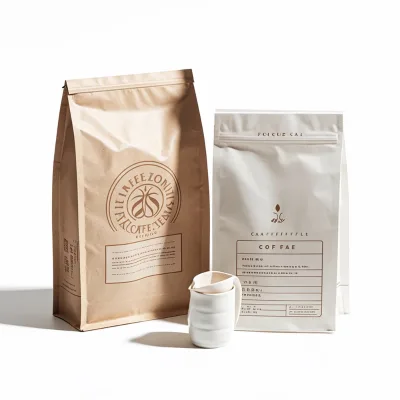
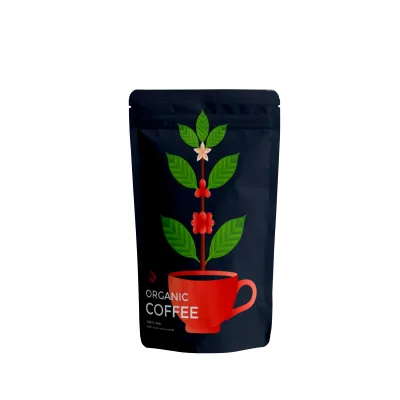


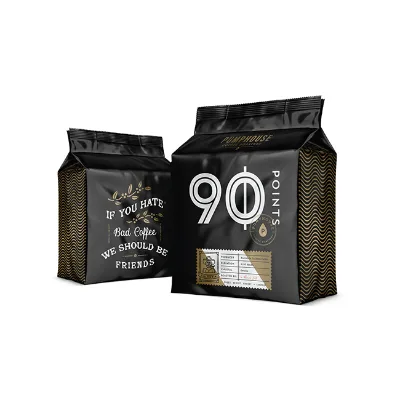
Gusseted Bottom Coffee Bag for Increased Capacity and Better Stability
$0.04 - $0.08
MOQ: 10000 Pieces

Durable Plastic Bag Waterproof Packaging Bag Flavor Lock Coffee Packing Bag
$0.10 - $0.50
MOQ: 10000 Pieces

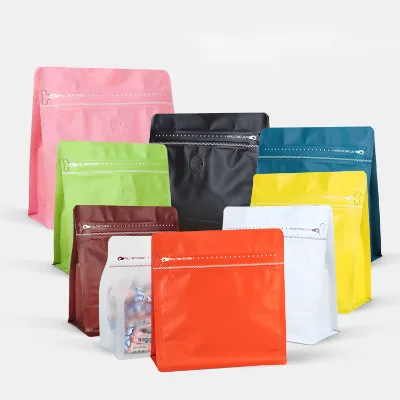
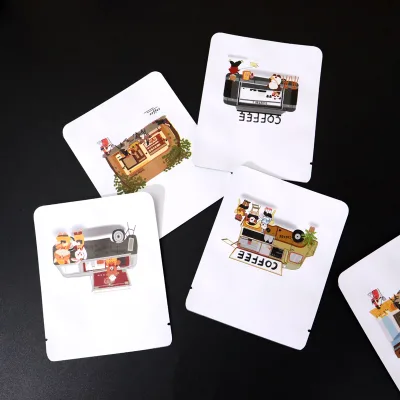


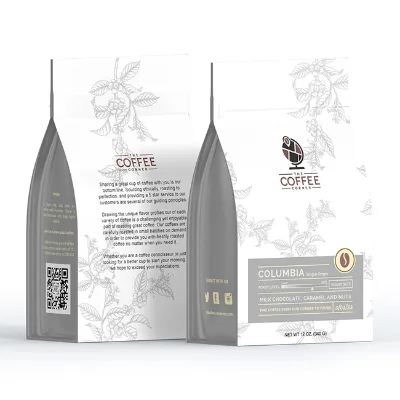
Durable Moisture Resistant Flat Bottom Coffee Bags for Custom Packaging
$0.05 - $0.07
MOQ: 20000 Pieces



Comprehensive Sourcing Guide
Waterproof Non-Transparent Coffee Bag Sourcing Guide
Sourcing waterproof, non-transparent coffee bags requires careful attention to material structure and sealing integrity to preserve product freshness. The observed market data indicates a strong focus on plastic-based solutions, with specific mentions of LDPE and multi-layer structures like Matopp/VMPET/PE. These materials are selected for their ability to provide robust moisture proofing and barrier properties essential for coffee and tea products. Buyers must verify that the chosen material structure aligns with the specific oxygen and moisture transmission rate requirements of their product, ensuring that the non-transparent nature of the bag does not compromise the visual appeal of the branding while maintaining functional integrity.
The supply chain for these packaging solutions is geographically concentrated in China, with origins noted in Hebei, Hubei, and Guangdong provinces. This regional clustering suggests a mature ecosystem for plastic packaging manufacturing, offering various bag types such as side gusset bags, stand-up pouches, and flat bottom bags. Procurement teams should leverage this diversity to find designs that best fit their filling machinery and shelf presentation needs. It is critical to confirm that the supplier’s manufacturing capabilities in these regions can consistently deliver the required waterproof performance and structural durability, especially when dealing with custom shapes and colors that may introduce variables in the production process.
Product Scope and Observed Listing Signals
The current market listings reveal a wide range of product attributes tailored to the coffee and tea industry. Key features observed include zipper closures for resealability, heat seal options for primary closure, and various industrial uses such as food packaging and specific applications for coffee beans or powder. The product names often explicitly mention "coffee bag" or "coffee pouch," indicating a specialized segment within general food packaging. Buyers should note that while many listings claim biodegradable or recyclable features, these attributes are not universal across all suppliers. It is essential to distinguish between standard plastic bags and those with eco-friendly claims, verifying the actual material composition and end-of-life disposal options provided by each manufacturer.
Pricing signals in the observed data show a low entry point, with prices ranging from $0.01 to $0.80 per unit, suggesting a highly competitive market. However, the minimum order quantities (MOQ) vary significantly, ranging from 1,000 to 30,000 pieces, with some suppliers specifying higher thresholds like 10,000-20,000 pieces for custom printed items. This disparity highlights the importance of aligning order volume with supplier capabilities. Buyers with smaller initial runs may need to seek suppliers offering lower MOQs, potentially at a higher unit cost, while larger buyers can negotiate better terms with high-volume producers. Understanding these commercial signals helps in selecting a supplier that matches the buyer’s scale and budget constraints.
Technical Specifications to Verify
When evaluating technical specifications, the material structure is a primary concern. Listings mention LDPE, PE, and complex laminates like Pet/Al/PE or Matopp/VMPET/PE. For waterproof and non-transparent requirements, the presence of aluminum foil (Al) or metallized layers (VMPET) is often crucial for providing an effective barrier against moisture and light. Buyers must verify the exact layer composition to ensure it meets the necessary barrier properties for coffee preservation. Additionally, the sealing method, whether zipper closure or heat seal, must be compatible with the filling equipment and the intended shelf life of the product. Confirming the integrity of these seals is vital to prevent spoilage and maintain the freshness of the coffee beans or powder.
Printing and customization options are also key technical considerations. Suppliers offer gravure printing, offset printing, pad printing, and silk screen printing, with capabilities for up to 10 colors. The ability to accept custom logos, shapes, and colors allows for strong brand differentiation. However, buyers should verify the print quality and durability, ensuring that the ink does not compromise the bag’s waterproof performance or safety. The model numbers and standards provided, such as HH251216 or customizable standards, should be cross-referenced with the supplier’s technical datasheets to confirm that the specific product variant meets all functional requirements. Clear communication of design files and technical constraints is essential to avoid production errors.
Compliance and Safety Documentation
Compliance with food safety standards is non-negotiable for coffee packaging. Some suppliers list certifications such as BRC, QS, ISO9001, and HACCP, which indicate a commitment to quality management and food safety protocols. Buyers must request and verify these certificates to ensure that the packaging materials are safe for direct or indirect food contact. The presence of these certifications suggests that the supplier adheres to recognized international or national standards for manufacturing processes. It is important to confirm that the certifications are current and applicable to the specific product type being ordered, as compliance requirements can vary based on the target market and regulatory environment.
In addition to general quality certifications, buyers should inquire about specific material safety data sheets and migration test results. While some listings mention features like being biodegradable or recyclable, these claims must be backed by credible testing and certification. For non-transparent bags, it is also important to ensure that the inks and adhesives used in the printing process do not contain harmful substances that could migrate into the coffee. Buyers should establish clear requirements for documentation and audit rights to ensure ongoing compliance. Regular verification of supplier credentials helps mitigate risks associated with regulatory changes and ensures that the packaging remains compliant throughout the product’s lifecycle.
Cost Drivers and Commercial Terms
Several factors influence the cost of waterproof non-transparent coffee bags. The complexity of the material structure, such as multi-layer laminates, directly impacts the raw material cost. Customization options, including unique shapes, colors, and printing designs, also add to the expense. Suppliers offering low MOQs may charge a premium to cover setup costs for printing plates and machine adjustments. Buyers should analyze the total cost of ownership, considering not just the unit price but also the efficiency of the packaging in terms of storage and shipping. Bulk orders typically yield better pricing, so consolidating requirements can help reduce overall procurement costs.
Commercial terms, including payment methods and delivery times, are critical components of the sourcing strategy. Common payment terms observed include T/T and L/C, which offer varying levels of security for both parties. Delivery lead times range from 18 to 25 days, which buyers must factor into their inventory planning. It is essential to clarify any additional costs for shipping, packaging, or customs clearance. Negotiating favorable terms, such as extended payment periods or discounted shipping for large orders, can improve cash flow and operational efficiency. Clear communication of commercial expectations helps prevent misunderstandings and ensures a smooth transaction process.
Supplier Qualification and Quality Control
Supplier qualification involves assessing the manufacturer’s production capabilities and quality control systems. Buyers should verify the supplier’s experience in producing coffee packaging and their ability to handle custom orders. Visiting the factory or conducting third-party audits can provide insights into the manufacturing environment and quality management practices. It is important to check if the supplier has dedicated lines for different bag types, such as side gusset or flat bottom bags, to ensure consistent quality. Suppliers with a strong track record in the food packaging industry are more likely to deliver products that meet strict quality standards.
Quality control measures should be clearly defined and agreed upon before production begins. This includes specifications for material thickness, seal strength, and print accuracy. Buyers should request samples for approval and conduct pre-shipment inspections to verify that the final products meet all agreed-upon criteria. Establishing a clear process for handling defects or non-conforming products is also essential. Regular communication with the supplier regarding quality issues helps maintain high standards and fosters a collaborative relationship. Implementing robust quality control protocols minimizes the risk of receiving substandard packaging and ensures that the final product protects the coffee effectively.
Long-Term Procurement Checks
Long-term procurement success depends on continuous monitoring of supplier performance and market trends. Buyers should regularly review supplier compliance with certifications and quality standards to ensure ongoing adherence to regulations. Tracking changes in material costs and market conditions can help in negotiating better terms and anticipating price fluctuations. It is also important to stay informed about new packaging technologies and sustainable materials that may offer better performance or environmental benefits. Engaging in periodic supplier evaluations helps identify areas for improvement and strengthens the partnership over time.
Building a diversified supplier base can mitigate risks associated with single-source dependencies. Buyers should consider qualifying multiple suppliers for different product lines or regions to ensure supply chain resilience. Regularly updating technical specifications and design requirements allows for continuous improvement and innovation in packaging solutions. Maintaining open lines of communication with suppliers facilitates quick resolution of issues and fosters trust. By proactively managing these long-term aspects, buyers can secure a reliable supply of high-quality waterproof non-transparent coffee bags that meet their evolving business needs.
FAQs
Can I get custom logos on waterproof coffee bags?
Yes, custom logos are accepted for these packaging solutions. Suppliers offer design services to create unique branding for your product. You can choose from various printing methods including gravure and offset printing. This allows for high-quality visual presentation on the bag surface while maintaining the required moisture-proof and waterproof performance standards for your specific application needs.
What materials are used for these coffee pouches?
These bags typically utilize multi-layer structures such as Matopp/VMPET/PE or Pet/Al/PE to ensure durability. Some variants use LDPE plastic for specific flexibility requirements. The material choice ensures the bag remains waterproof and moisture-proof, protecting the coffee beans or powder from external environmental factors while providing a secure seal for long-term storage and freshness preservation during transit.
What is the typical MOQ for custom orders?
The minimum order quantity generally ranges from 1000 to 30000 pieces depending on the supplier and specific design complexity. Some manufacturers may require higher volumes like 10000 to 20000 pieces for certain certifications or printing setups. Buyers should verify the exact MOQ with the vendor as it varies based on the bag type, such as side gusset or flat bottom styles, and customization level.
Which certifications are available for these packaging bags?
Certifications often include Brc, QS, ISO9001, and Hacpp to ensure quality and safety standards. These credentials verify that the manufacturing process meets international requirements for food packaging. Buyers can request documentation to confirm compliance before placing large orders. The availability of these certifications helps ensure the bags are suitable for commercial food distribution and meet regulatory standards in various global markets.
How long is the delivery time for these bags?
The standard delivery time typically ranges from 18 to 25 days after order confirmation. This lead time accounts for production, quality control, and packaging preparation. Factors such as customization complexity, order volume, and supplier location in regions like Hebei or Guangdong can influence the exact timeline. Buyers should plan their inventory accordingly to ensure timely receipt of the waterproof coffee bags for their business operations.