Source Waterproof Polyester Raincoat for Workers, Riders, and Hikers
Find 30 Waterproof Polyester Raincoat options from verified suppliers. Compare features like quick dry, reflective strips, and customization for workers, riders, and hikers with MOQs ranging from 100 to 3000 pieces; compare the available evidence and request quotations based on your requirements.
Updated
Key considerations
Products List


PVC Breathable Coating Safety Rainsuit Waterproof Rainwear Raincoat Rain Coat
$3.50 - $4.30
MOQ: 2000 Pieces

Waterproof Polyester Breathable Workwear Rain Jacket Raincoat Workwear Rainsuit
$4.00 - $4.90
MOQ: 2000 Pieces
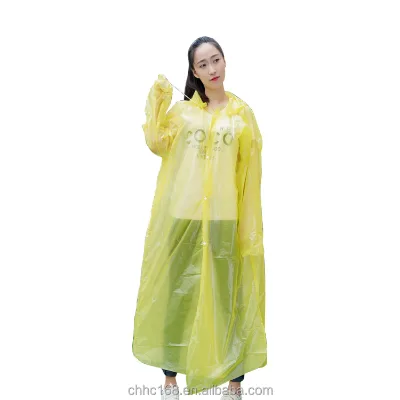
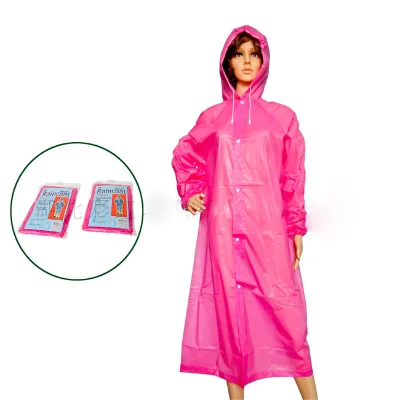
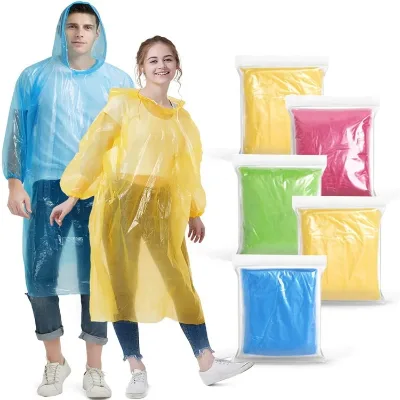
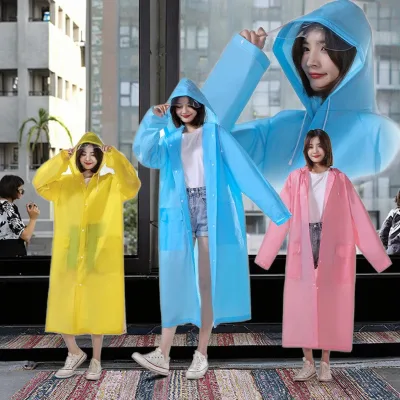


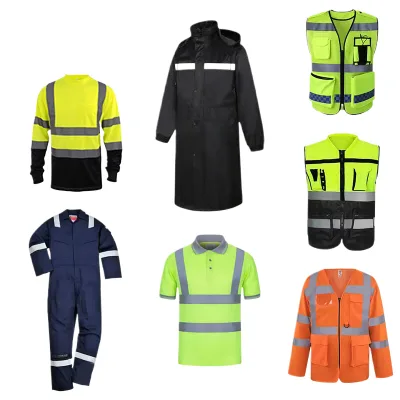

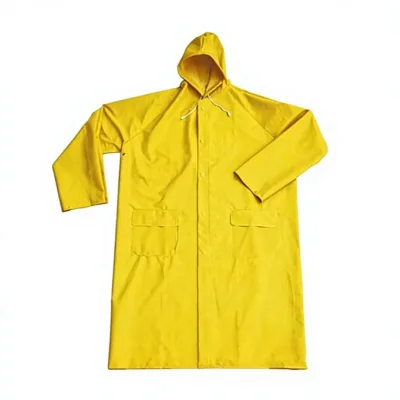
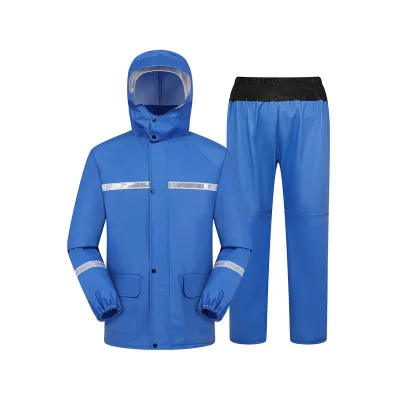



Comprehensive Sourcing Guide
Waterproof Polyester Raincoat Sourcing Guide
Procuring waterproof polyester raincoats requires a disciplined approach to material verification and functional specification alignment. Buyers must distinguish between generic polyester blends and specialized coatings that ensure true water resistance. The observed market data indicates a strong presence of polyester-based options, often paired with features like quick-dry capabilities and reflective strips for high-visibility safety. Understanding these material distinctions is critical for selecting garments that meet specific operational demands, whether for industrial work sites or outdoor recreational activities.
Commercial listings reveal a wide variance in product configurations, including split designs and open-fronted structures. Sourcing teams should prioritize suppliers who provide clear evidence of customization capabilities, such as logo printing or ODM/OEM design support. This flexibility allows organizations to brand their workforce uniforms effectively while maintaining consistent safety standards. Additionally, verifying the availability of samples before committing to bulk orders ensures that the final product matches the expected fit, durability, and aesthetic requirements of the end-users.
Product Scope and Observed Listing Signals
The current market landscape for waterproof polyester raincoats includes a diverse array of styles tailored for different user demographics. Listings frequently highlight unisex designs suitable for adult workers, with size ranges extending from small to 4XL or XXXL. This broad sizing availability supports large-scale procurement for industries with varied workforce dimensions. The observed product models, such as TR2018041905 and RG9915-6, suggest a standardized approach to manufacturing, allowing buyers to reference specific SKUs for repeat orders or quality benchmarking across different batches.
Functional attributes are prominently featured in supplier descriptions, with quick-dry and waterproof properties being key selling points. Many products include reflective strips to enhance visibility in low-light conditions, a crucial feature for workers in transportation, construction, or emergency services. The distinction between disposable and non-disposable options is also evident, with most polyester raincoats falling into the durable, reusable category. Buyers should carefully review these attributes to ensure the selected raincoat aligns with the intended usage frequency and environmental exposure levels of the target audience.
Technical Specifications to Verify
Technical verification begins with confirming the exact material composition and construction methods used in the raincoat. While polyester is a common base, the specific weave density and any applied coatings significantly impact water resistance and breathability. Buyers should request detailed specification sheets that outline the fabric weight, seam sealing techniques, and zipper quality. These technical details determine the garment’s longevity and performance under heavy rain or prolonged exposure to wet conditions, making them essential for evaluating product suitability.
Packaging and dimensional specifications are equally important for logistics planning and inventory management. Observed packing formats include individual PE bags with carton quantities of 25 or 30 pieces, which affects storage efficiency and handling costs. Additionally, some listings provide carton dimensions, such as 504037 cm, which aids in calculating shipping volume and warehouse space requirements. Verifying these logistical details early in the sourcing process helps prevent unexpected costs and ensures that the supply chain can accommodate the order volume without disruption.
Compliance and Safety Documentation
Compliance with international safety and environmental standards is a non-negotiable aspect of sourcing protective gear. Suppliers may claim adherence to standards such as EN, CE, ENSA, SO, and REACH, which indicate varying levels of regulatory compliance. Buyers must verify the validity of these certifications by requesting official documentation from accredited testing laboratories. This step ensures that the raincoats meet the legal requirements for sale and use in target markets, particularly in regions with strict occupational health and safety regulations.
Reflective strip placement and material quality are critical safety features that require independent verification. While many products advertise the inclusion of reflective strips, the retroreflective coefficient and durability of these strips under washing and wear must be confirmed. Buyers should specify the required visibility standards in their purchase agreements and request test reports that demonstrate compliance. This due diligence minimizes the risk of receiving substandard safety equipment that fails to protect workers in hazardous environments.
Cost Drivers and Commercial Terms
Cost structures for waterproof polyester raincoats are influenced by material quality, customization complexity, and order volume. The observed price range of 0.2 to 41.3 USD reflects significant variation based on these factors. Higher-priced items typically feature advanced coatings, superior reflective materials, or intricate design elements like split styles. Buyers should analyze the cost-per-unit against the expected lifespan and performance of the garment to determine the true value proposition, rather than focusing solely on the initial purchase price.
Minimum Order Quantities (MOQs) and payment terms are key commercial considerations that impact cash flow and inventory risk. MOQs observed in the market range from 100 to 3000 pieces, with some suppliers setting specific thresholds like 2000 PCS for customized orders. Understanding these thresholds helps buyers align their procurement volumes with production schedules and storage capacity. Negotiating flexible MOQs or tiered pricing structures can provide greater agility in responding to fluctuating demand while maintaining cost efficiency.
Supplier Qualification and Quality Control
Supplier qualification involves assessing the manufacturer’s production capabilities and quality management systems. Factories located in regions like Zhejiang and Hebei in China are common sources for these products, but geographic origin alone does not guarantee quality. Buyers should conduct on-site audits or request third-party inspection reports to verify production standards, worker safety practices, and environmental compliance. This due diligence ensures that the supplier can consistently deliver products that meet the specified technical and safety requirements.
Quality control protocols must be established before production begins to prevent defects and ensure consistency. Buyers should define clear acceptance criteria for stitching, seam sealing, and reflective strip adhesion. Implementing pre-shipment inspections or hiring independent quality assurance firms can help identify issues before goods are dispatched. Establishing a robust quality control framework reduces the risk of receiving non-conforming products and protects the buyer’s reputation for providing reliable safety equipment to their workforce.
Long-Term Procurement Checks
Long-term procurement success depends on continuous monitoring of supplier performance and product reliability. Buyers should track key metrics such as defect rates, delivery timeliness, and responsiveness to quality issues. Regular feedback loops with the supplier facilitate continuous improvement and address any emerging concerns promptly. This proactive approach strengthens the partnership and ensures that the supply chain remains resilient against disruptions or changes in market conditions.
Adapting to evolving safety standards and material innovations is essential for maintaining a competitive and compliant procurement strategy. Buyers should stay informed about updates to relevant standards and emerging technologies in waterproof fabric manufacturing. Periodically reviewing product specifications and re-evaluating supplier capabilities ensures that the organization continues to source high-quality, effective raincoats. This ongoing diligence supports the long-term safety and well-being of workers while optimizing total cost of ownership.
FAQs
What materials are used for these raincoats?
The raincoats are primarily made from polyester and PVC materials. These fabrics provide essential waterproof and quick-dry features suitable for various weather conditions. Buyers can choose between different material compositions based on their specific durability and comfort requirements for outdoor work or travel applications.
Can I customize the logo on the raincoat?
Yes, customization is available for these raincoats. Buyers can request customized logos through printing or other design methods. The supplier supports ODM and OEM design services, allowing businesses to brand the worker raincoats with their specific corporate identity or marketing requirements for promotional purposes.
What certifications do the raincoats hold?
The products hold various certifications including EN, CE, EN SASO, and REACH standards. These certifications ensure compliance with international safety and quality regulations. Buyers should verify specific certification requirements for their target market, as different models may carry different compliance documentation depending on the production batch and origin.
What is the minimum order quantity for these items?
The minimum order quantity varies by product model, ranging from 100 to 3000 pieces. Some specific models require a higher MOQ of 2000 pieces. Buyers should check the specific model details to determine the exact minimum order requirement, as this affects initial procurement costs and inventory planning strategies.
Are these raincoats suitable for unisex wear?
Yes, the raincoats are designed for unisex use. They are available in sizes ranging from S to 4XL or XXXL, accommodating various body types. The worker raincoat style is intended for adults, making them versatile for both male and female workers in construction, riding, or walking applications.
Do the raincoats include reflective strips?
Reflective strips are available on some models but not all. Certain products feature with reflective strips for enhanced visibility, while others are without them. Buyers should specify their preference for safety features when ordering, as this attribute varies across different product models and specifications provided by the manufacturer.