Source Waterproof Polyester Kitchen Apron for Cafes, Homes, Restaurants
Find 30 Waterproof Polyester Kitchen Apron options suitable for cafes, households, and restaurants. Buyers can compare features like waterproofing, material, and design to select the right protective gear for cooking and cleaning tasks.
Key considerations
Products List


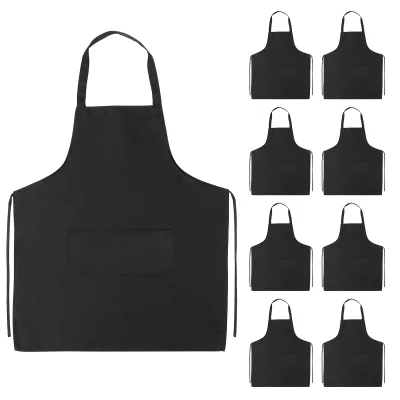


Custom Adult Kids Apron Polyester Waterproof Cooking Apron for Restaurant Kitchen
$0.60 - $2.00
MOQ: 50 Pieces


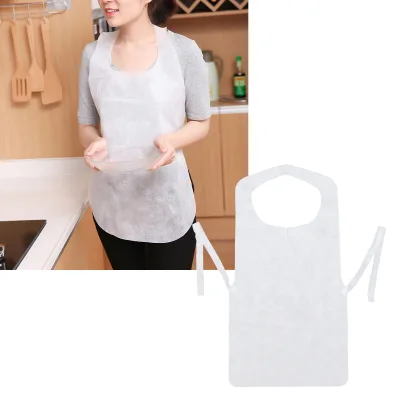


Comprehensive Sourcing Guide
Strategic Sourcing Guide for Waterproof Polyester Kitchen Aprons
Understanding Product Specifications and Material Composition
When sourcing a Waterproof Polyester Kitchen Apron, the primary focus must be on the intersection of material science and functional design. The core material, polyester, offers distinct advantages over natural fibers like cotton regarding water resistance and durability. Based on observed product attributes, the material composition is explicitly listed as polyester, which is inherently hydrophobic and suitable for environments where liquid exposure is frequent. This material choice supports the "Waterproof" and "Anti-dirty" functional claims often associated with this product category.
The physical dimensions of the apron are critical for ensuring adequate coverage and comfort. Observed specifications indicate standard sizes such as 68x78cm and 85x70cm. Buyers must verify that the specific model they select aligns with the intended user's body type and the specific tasks they will perform. For instance, a bib-style apron with dimensions of 85*70cm may offer more upper-body protection than a waist-style apron measuring 68x78cm. The classification of the product often falls under "Sleeveless Apron" or "Waist" types, though "Bib" styles are also prevalent in the market.
Design features further differentiate these products. The "Plain" and "Printed" patterns are common, with "OEM Designs" being available for customization. This allows buyers to tailor the aesthetic to their brand or specific kitchen environment. The "Fashionable Make" and "Simple" styles suggest a range of visual options, but the functional requirement of being "heat resistant" and "non-slip" remains paramount for kitchen safety. Additionally, the "Latex-Free" attribute is a significant observation, ensuring that the product is safe for users with latex allergies, a crucial consideration for food service environments.
Functional Applications and Usage Scenarios
The versatility of the Waterproof Polyester Kitchen Apron extends beyond simple cooking tasks. The observed usage categories include "Kitchen," "Safety & Protective," "Garden," and "Maternity Apron." This broad applicability indicates that the product is designed to handle a variety of protective needs. In a professional kitchen setting, the "Cleaning" and "Cooking" functions are primary, where the apron protects clothing from spills, splashes, and heat. The "Anti-dirty" and "Waterproof" features are essential for maintaining hygiene and reducing the frequency of clothing changes.
For commercial buyers, the "Advertising" usage is a notable aspect. The ability to customize logos and designs makes these aprons effective promotional tools for restaurants, catering services, and retail brands. The "Caf," "household," and "restaurant" occasion selections highlight the product's adaptability to both B2B and B2C markets. In a garden setting, the waterproof nature protects against water and soil, while the "heat resistant" feature may offer protection in outdoor cooking scenarios.
The age group specified as "Adults" confirms that the sizing and design are tailored for the general workforce rather than children or specialized pediatric use. The "Disposable" attribute is marked as "Non-Disposable," indicating that these are durable goods intended for repeated use. This durability is a key cost-saving factor for procurement teams, as it reduces the recurring expense associated with single-use protective gear. The "Eco friendly" feature, while observed as an attribute, should be verified against specific material recycling claims, as polyester is a synthetic fiber.
Cost Drivers and Pricing Dynamics
The pricing landscape for waterproof polyester kitchen aprons is influenced by several variables, including material quality, customization complexity, and order volume. The observed price range in the market spans from $0.07 to $13.70 USD. This wide disparity suggests that the lower end of the spectrum likely represents basic, non-customized units with minimal packaging, while the higher end may include premium materials, complex printing, or specialized features like reinforced stitching.
The Minimum Order Quantity (MOQ) is another significant cost driver. The observed MOQ range is between 1 and 1000 units. Buyers seeking small quantities can access individual units or small batches, which is useful for sampling or small-scale operations. However, larger orders typically benefit from economies of scale, reducing the per-unit cost. The packaging method also impacts the final price; standard packaging is listed as "1 PCS/OPP Polybag," while bulk shipping may utilize "Carton" packaging with dimensions like "523252." The transition from individual polybagging to cartonized shipping can affect logistics costs and the overall unit price.
Customization is a major factor in cost escalation. While "Customization" is listed as available, the extent of this customization—whether it involves simple logo printing or full OEM design—will directly influence the price. Buyers should anticipate that complex designs, multiple colors (such as Blue, Brown, Gray), and specific size requirements will move the product toward the higher end of the price spectrum. The "Brand Name" and "Logo" customization options are often bundled with higher MOQs, requiring a strategic balance between brand visibility and budget constraints.
Supplier Evaluation and Geographic Considerations
When evaluating suppliers for waterproof polyester kitchen aprons, geographic origin plays a pivotal role in understanding logistics, lead times, and production capabilities. The observed product origins include "Zhejiang, China," "Guangdong, China," and "Guangzhou, China." These regions are established manufacturing hubs known for textile production, offering a dense network of suppliers with varying specializations. Zhejiang and Guangdong are particularly noted for their textile industries, which can provide a competitive advantage in terms of material sourcing and manufacturing efficiency.
Supplier reliability is best assessed through their ability to meet specific product standards and provide consistent quality. The "prod_model" codes such as AP-7314, AP-7325, and AP-7331 serve as unique identifiers for different product variations. Buyers should request samples corresponding to these specific models to verify the quality of the polyester fabric, the effectiveness of the waterproof coating, and the durability of the stitching. The "prod_packing" details, such as "1 OPP/Set" or "Carton," should be confirmed to ensure that the packaging meets the buyer's shipping and storage requirements.
It is crucial to verify the supplier's capacity for customization. The "OEM Designs" and "Customized" logo attributes indicate that suppliers can tailor products to specific brand needs. However, buyers must ensure that the supplier has the technical capability to execute these designs without compromising the waterproof integrity of the fabric. The "Latex-Free" status is a critical compliance point that should be verified with the supplier to ensure it applies to the entire product line, not just specific models.
Quality Control and Compliance Verification
Quality control for waterproof polyester aprons requires a rigorous approach to verifying material integrity and functional performance. The "Waterproof" claim must be substantiated through testing, as the effectiveness of the coating can degrade over time or with repeated washing. Buyers should request test reports or data demonstrating the water resistance levels of the polyester fabric. While specific test standards are not provided in the observed data, buyers should inquire about the methods used to validate the "Anti-dirty" and "Waterproof" claims.
The "Heat resistant" feature is another critical quality metric. In a kitchen environment, aprons may be exposed to hot surfaces, steam, or splashes of hot oil. Buyers must verify the temperature thresholds at which the polyester material remains stable and does not melt or degrade. The "Non-slip" attribute suggests that the apron may have textured surfaces or specific fastening mechanisms to prevent it from shifting during movement. This feature should be tested under dynamic conditions to ensure it meets safety expectations.
Compliance with safety standards is essential, particularly regarding the "Latex-Free" attribute. Buyers should confirm that the supplier adheres to relevant safety regulations for textile products, ensuring that no harmful substances are present in the fabric or dyes. While "ISO 27001" is mentioned in the background context, it is an information security standard and not directly relevant to textile manufacturing; buyers should instead focus on textile-specific certifications and safety standards. The "Eco friendly" claim should be backed by specific documentation regarding the sourcing of materials and the manufacturing process.
Long-Term Procurement and Maintenance Strategies
Sourcing waterproof polyester kitchen aprons is not a one-time transaction but a long-term procurement strategy that requires ongoing management. The "Non-Disposable" nature of the product means that durability and washability are key factors in the total cost of ownership. Buyers should establish clear guidelines for the cleaning and maintenance of the aprons to ensure they retain their waterproof properties over time. The "Polyester" material is generally durable, but the waterproof coating may require specific care instructions to prevent degradation.
Inventory management is another consideration. With a wide range of models and customization options, buyers should maintain a clear catalog of approved SKUs to streamline reordering. The "prod_model" codes should be integrated into the procurement system to ensure consistency in future orders. The "Carton" packaging standard suggests that bulk storage is feasible, but buyers should plan for adequate warehouse space to accommodate large quantities.
Finally, the relationship with the supplier should be built on transparency and mutual benefit. Regular communication regarding production schedules, quality updates, and design changes will help maintain a steady supply chain. The "Customization" capability allows for flexibility in responding to market trends, such as seasonal color changes or new branding initiatives. By focusing on these long-term considerations, buyers can ensure a reliable supply of high-quality waterproof polyester kitchen aprons that meet their operational needs.
Comparative Analysis of Product Variations
To facilitate informed decision-making, it is helpful to compare the different product variations based on the observed attributes. The following table summarizes the key differences between the standard models identified in the market data.
| Feature | Model AP-7314 | Model AP-7325 | Model AP-7331 | Model AP-7315 | Model AP-7327 |
|---|---|---|---|---|---|
| Standard Size | 68x78cm | 68*78cm | N/A | N/A | N/A |
| Packing | 1 PCS/OPP Polybag | 1 PCS/OPP Polybag | N/A | N/A | N/A |
| Origin | Zhejiang, China | N/A | N/A | N/A | N/A |
| Material | Polyester | Polyester | N/A | N/A | N/A |
| Function | Anti-dirty, Waterproof | Anti-dirty, Waterproof | N/A | N/A | N/A |
| Style | Fashionable Make | Simple | N/A | N/A | N/A |
Note: Data points marked "N/A" indicate that specific attributes were not explicitly linked to these model numbers in the provided context. Buyers should verify these details directly with suppliers.
This comparison highlights the importance of verifying specific attributes for each model. While the core material and function remain consistent, the dimensions and packaging may vary. Buyers should use this framework to request detailed specifications for each model they are considering, ensuring that the final selection aligns with their specific operational requirements. By systematically evaluating these variations, buyers can optimize their procurement strategy and secure the most suitable waterproof polyester kitchen aprons for their needs.
FAQs
What materials are used for waterproof polyester kitchen aprons?
These aprons are primarily made from polyester to ensure water resistance and durability. Some variations may also use cotton, but polyester is the standard for waterproof performance in kitchen environments.
Can buyers customize the logo and design on these aprons?
Yes, customization is available for logos and OEM designs to suit specific brand needs. Buyers can request plain or printed patterns with customized logos to enhance brand visibility in commercial settings.
Which standard sizes are available for these kitchen aprons?
Standard sizes include dimensions like 68x78cm and 85x70cm to fit various body types. Buyers should verify the specific model dimensions to ensure adequate coverage for cooking or cleaning tasks.
How are these aprons packaged for bulk shipping?
Individual units are typically packed in 1 PCS/OPP Polybags, while bulk orders use carton packaging. Specific carton dimensions like 52x32x52cm are used for efficient storage and transport of large quantities.
Are these aprons suitable for latex-allergic users?
Yes, the products are explicitly listed as latex-free to ensure safety for users with allergies. This attribute makes them suitable for food service environments where latex exposure must be avoided.
What is the price range for ordering these aprons?
The observed price range spans from 0.07 to 13.7 USD per unit depending on specifications. Costs vary based on material quality, customization complexity, and the total order volume requested.
Can these aprons be used for advertising purposes?
Yes, the aprons are designed for advertising usage with customizable logos and designs. They serve as effective promotional tools for restaurants, catering services, and retail brands looking to increase visibility.