Source Waveguide Vent Panel for EMI Shielding and Cooling
Source Waveguide Vent Panel options from 20 verified suppliers. Compare stainless steel and aluminum honeycomb designs for MRI rooms, exterior ventilation, and office buildings. Evaluate cell sizes, thicknesses, and total project solutions; compare the available evidence and request quotations based on your requirements.
Updated
Key considerations
Products List
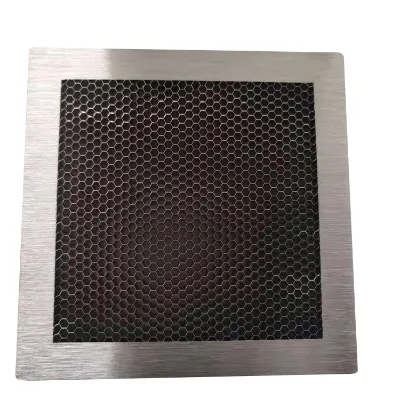
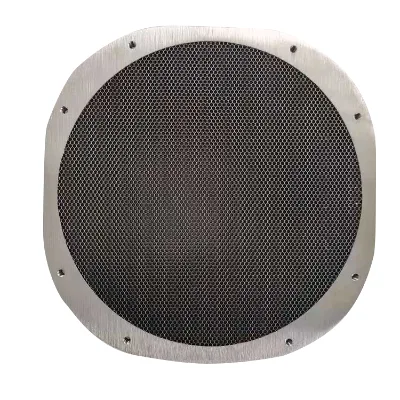
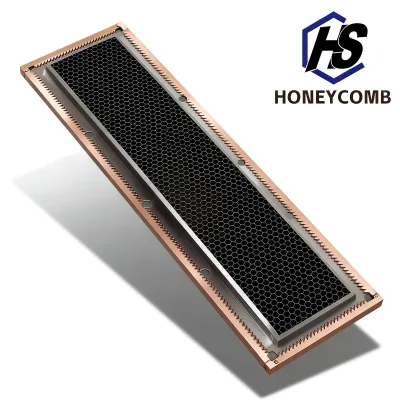
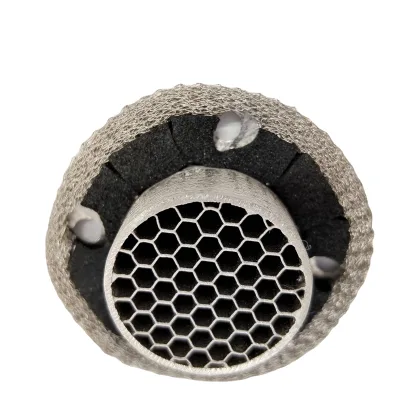
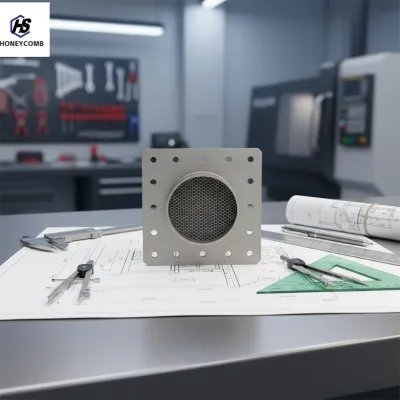
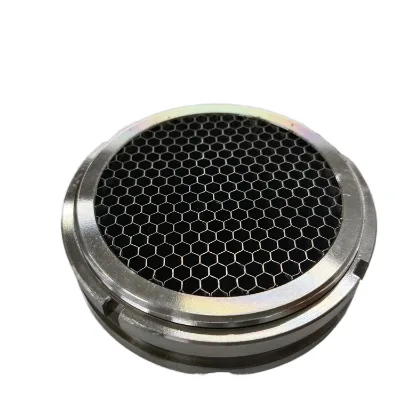

60mm Sandblasting Steel Honeycomb Waveguide Panel
$60.00 - $100.00
MOQ: 1 Pieces
Hengshi (Langfang) Precision Machinery Manufacturing Co., Ltd.


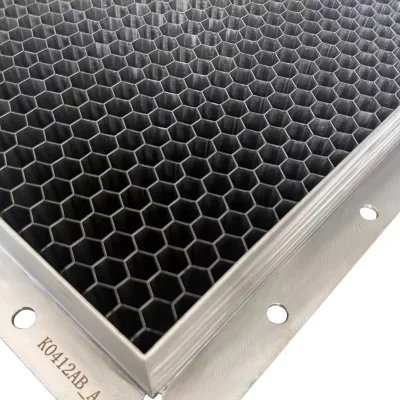
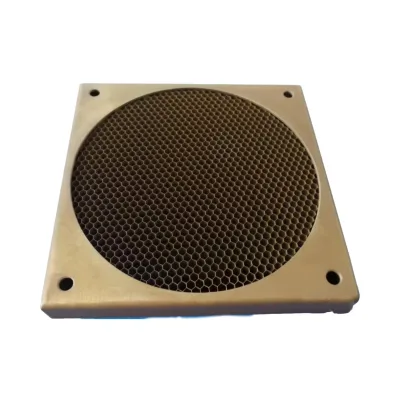
Waveguide Board Ventilation Port Chassis Electromagnetic Shielding Aluminum Sheet Chromate
$177.9716 - $188.4406
MOQ: 1 pieces
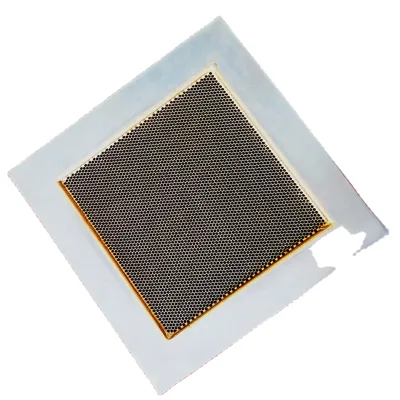
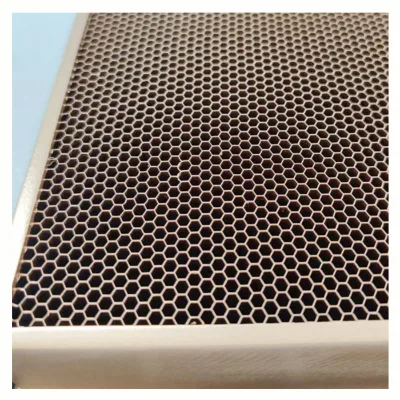
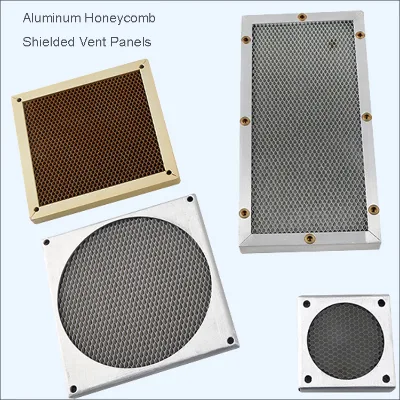


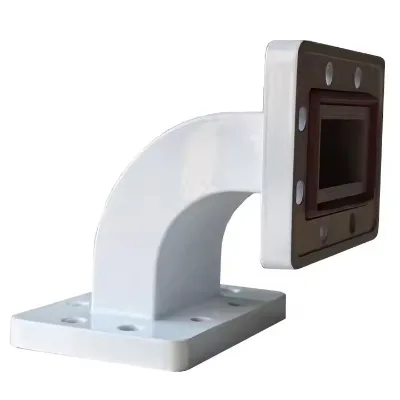

Comprehensive Sourcing Guide
Waveguide Vent Panel Sourcing Guide
Waveguide vent panels serve as critical components in electromagnetic compatibility (EMC) engineering, providing essential airflow while blocking radio frequency interference. These specialized ventilation solutions are designed for environments where thermal management must not compromise signal integrity, such as in MRI rooms, office buildings, and high-security facilities. The core function relies on the geometric properties of the waveguide cells, which allow air to pass through while attenuating electromagnetic waves above a specific cutoff frequency. Procurement teams must understand that these panels are not generic vents but precision-engineered structures tailored to specific shielding requirements.
The market for these panels is characterized by a high degree of customization, with manufacturers offering tailored solutions for diverse project needs. Buyers often encounter products described as honeycomb panels or fixed-style vents, available in various shapes including panels, frames, and round configurations. The sourcing process requires careful attention to material selection, as options range from stainless steel and aluminum to copper and specialized alloys like Hastelloy X. Understanding the specific application context, whether for exterior EMI shielding or internal cooling systems, is the first step in defining accurate technical requirements and avoiding costly mismatches between product capabilities and operational demands.
Product Scope and Observed Listing Signals
Current market listings indicate a wide price range, observed between 6.1 and 320 USD, reflecting the variability in size, material, and customization levels. Minimum order quantities (MOQ) typically span from 1 to 1000 units, suggesting that suppliers accommodate both prototype testing and large-scale industrial deployments. Buyers should note that single package sizes vary significantly, from compact 10x10x5 cm boxes to large 200x20x200 cm shipments, which directly impacts logistics planning and storage requirements. The gross weight per unit also varies, with observations ranging from 2.0 kg to 10.0 kg, influencing freight costs and handling procedures during installation.
Product descriptions frequently highlight features such as EMI shielding, corrosion resistance, and easy installation, which are vital for maintaining system reliability in harsh environments. Many suppliers offer lifetime warranties and online technical support, indicating a commitment to long-term performance and customer assistance. The materials listed often include stainless steel alloys, aluminum, and carbon steel, each offering distinct advantages in terms of strength, weight, and environmental resistance. Buyers must verify that the specific model numbers, such as Hs89 or HSS01, align with their engineering specifications, as these identifiers often correspond to unique cell sizes and thickness configurations.
Technical Specifications to Verify
Cell size is a primary technical parameter that determines the cutoff frequency of the waveguide vent, with observed ranges spanning from 0.8 mm to 30 mm. Common standard cell sizes include 1.6 mm, 3.2 mm, and 6.4 mm, but customizable options are widely available to meet precise shielding needs. Sheet thicknesses and wall thicknesses are equally critical, with observed standard wall thicknesses of 0.13 mm, 0.15 mm, and 0.2 mm. Buyers must ensure that the selected thickness provides sufficient structural integrity while maintaining the desired airflow characteristics, as deviations can impact both shielding effectiveness and pressure drop across the panel.
The mounting type and open style are essential for integration into existing infrastructure, with easy installation and fixed styles being common observations. Surface treatments such as anodizing, powder coating, and mirror finishes are available to enhance corrosion resistance and aesthetic appeal, particularly for exterior applications. Welding techniques like spot welding and vacuum brazing are used to ensure the structural integrity of the honeycomb core, preventing cell collapse under pressure. Procurement teams should verify that the single package dimensions and gross weights align with their handling capabilities, as large panels may require specialized equipment for safe installation.
Compliance and Safety Documentation
While specific certification statuses are not explicitly detailed in the provided context, buyers must verify that products meet relevant international standards for electromagnetic shielding and structural safety. The eco-friendly designation observed in some listings suggests adherence to environmental regulations, but buyers should request explicit documentation to confirm compliance with local and international environmental standards. Safety documentation should include material safety data sheets (MSDS) for the alloys used, ensuring that the materials are safe for handling and installation in occupied spaces like MRI rooms and office buildings.
Procurement teams should also verify that the total solution for project capability offered by suppliers includes comprehensive technical support and documentation. This may involve providing test reports for shielding effectiveness, airflow resistance, and mechanical strength under various conditions. Buyers must ensure that the warranty terms, such as the lifetime warranty observed, are clearly defined in the contract, specifying what constitutes valid coverage and the process for claims. Clear communication regarding compliance and safety is essential to avoid regulatory issues and ensure the long-term reliability of the installed waveguide vent panels.
Cost Drivers and Commercial Terms
The cost of waveguide vent panels is driven by several factors, including the choice of material, cell size, and level of customization. Stainless steel and specialized alloys like Hastelloy X typically command higher prices due to their superior corrosion resistance and strength, while aluminum and carbon steel offer more cost-effective alternatives for less demanding environments. The observed price range of 6.1 to 320 USD reflects these variations, with higher costs associated with larger sizes, thicker walls, and custom shapes. Buyers should analyze the total cost of ownership, considering not just the unit price but also shipping, installation, and maintenance costs over the product's lifetime.
Commercial terms such as MOQ and lead times are critical for supply chain planning, with MOQs ranging from 1 to 1000 units. Buyers should negotiate flexible terms for initial orders to test product performance before committing to larger volumes. The availability of online technical support and a total solution for projects can add value by reducing integration risks and providing ongoing assistance. It is advisable to clarify payment terms, warranty conditions, and return policies in the contract to protect against defects or non-conformance. Understanding these commercial dynamics helps buyers optimize their procurement strategy and manage budget constraints effectively.
Supplier Qualification and Quality Control
Supplier qualification should focus on their ability to provide tailored solutions and their expertise in manufacturing high-quality honeycomb panels. Buyers should verify the manufacturer's experience in producing waveguide vents for critical applications like MRI rooms and exterior EMI shielding. The observation of brands like Hengshi and Hengshi honeycomb suggests a market with established players, but buyers must conduct due diligence to ensure that the specific supplier meets their quality standards. Requesting samples and conducting independent testing for shielding effectiveness and structural integrity is a prudent step before placing large orders.
Quality control processes should include rigorous inspection of cell sizes, wall thicknesses, and surface treatments to ensure consistency and performance. Buyers should inquire about the supplier's quality management systems and whether they adhere to international standards for manufacturing and testing. The use of advanced welding techniques like vacuum brazing indicates a commitment to structural integrity, but buyers should verify that these processes are consistently applied. Establishing a clear communication channel for technical support and after-sales service is also essential, as it ensures that any issues can be addressed promptly and effectively.
Long-Term Procurement Checks
Long-term procurement success depends on establishing a reliable supply chain that can meet evolving project needs and maintain consistent quality. Buyers should monitor supplier performance over time, tracking metrics such as delivery times, product consistency, and responsiveness to technical queries. The availability of lifetime warranties and online technical support suggests a commitment to long-term customer satisfaction, but buyers must ensure that these benefits are honored consistently. Regular audits of the supplier's manufacturing processes and quality control systems can help identify potential issues before they impact production.
As technology and standards evolve, buyers should stay informed about advancements in waveguide vent technology and material science. This includes monitoring changes in EMI shielding requirements and exploring new materials or designs that offer improved performance. Building a strong relationship with the supplier can facilitate access to new products and solutions, ensuring that the procurement team remains competitive. By maintaining a proactive approach to supplier management and quality assurance, buyers can secure a stable supply of high-quality waveguide vent panels that meet their long-term operational and strategic goals.
FAQs
What materials are used for waveguide vent panels?
Waveguide vent panels are manufactured from stainless steel, aluminum, copper, nickel-plated steel, carbon steel, and Hastelloy X. These materials provide high strength, corrosion resistance, and effective EMI shielding for various industrial and medical applications.
Can waveguide vent panels be customized for specific projects?
Yes, these panels offer total project solutions with customizable shapes, cell sizes, and sheet thicknesses. Buyers can select from fixed open styles and various mounting types to ensure easy installation and tailored fit for office buildings or MRI rooms.
What are the standard cell sizes for these vents?
Standard cell sizes range from 0.8 to 30 mm, with common options including 1.6mm, 3.2mm, and 6.4mm. Custom cell sizes are also available to meet specific airflow straightening and waveguide ventilation requirements for diverse engineering projects.
How are waveguide vent panels welded and treated?
These panels utilize spot welding and vacuum brazing techniques to ensure structural integrity. Surface treatments include anodizing, powder coating, and mirror finishes, which enhance durability and aesthetic appeal while maintaining essential EMI shielding and ventilation performance characteristics.
Where are these waveguide vent panels manufactured?
These products originate from Hebei, China, with specific production locations noted in Helian. The manufacturing process supports eco-friendly practices and provides lifetime warranty coverage along with online technical support for all purchased ventilation and shielding solutions.
What is the typical packaging size for these panels?
Packaging dimensions vary by model, with single package sizes ranging from 10x10x5 cm to 200x20x200 cm. Gross weights typically range from 2.0 kg to 10.0 kg per item, ensuring safe transport for various panel configurations and sizes.