Source Wave Top Garbage Bag for Household, Grocery, and Appliance Use
Find and compare 30 Wave Top Garbage Bag options from verified Chinese manufacturers. These HDPE and PE bags feature biodegradable and recyclable properties, with customizable sizes, logos, and certifications like BSCI and ISO for household, grocery, and appliance waste management.
Key considerations
Products List




Comprehensive Sourcing Guide
Wave Top Garbage Bag Sourcing Guide
Sourcing wave top garbage bags requires a nuanced understanding of both material science and supply chain logistics, particularly when targeting the adult household and commercial waste management sectors. These bags are distinct from standard flat-top varieties due to their unique sealing geometry, which often incorporates a star-seal or wave-top design to enhance structural integrity and load-bearing capacity. Buyers must recognize that while the visual appeal of a wave top can aid in brand differentiation, the primary procurement driver is usually functional performance, including leak resistance, tensile strength, and compatibility with automated filling machinery. The market offers a wide spectrum of options, ranging from basic disposable polyethylene bags to more specialized biodegradable alternatives, each carrying different implications for cost, regulatory compliance, and end-user experience.
The procurement landscape for these products is characterized by significant variability in customization capabilities and production lead times. Suppliers frequently offer OEM services, allowing buyers to tailor logo printing, drawstring colors, and specific dimensions to match their brand identity or operational needs. However, this flexibility comes with the trade-off of longer production cycles, typically ranging from twenty to thirty days, which necessitates careful inventory planning. Furthermore, the observed market data indicates a broad price range and minimum order quantity (MOQ) spectrum, suggesting that buyers can negotiate terms based on volume commitments. Understanding these commercial dynamics is essential for establishing a sustainable supply chain that balances cost efficiency with the flexibility required to respond to fluctuating demand in the household and garbage disposal industries.
Product Scope and Observed Listing Signals
The product scope for wave top garbage bags encompasses a variety of configurations designed for household, garbage, and home appliance applications. Observed listings indicate that these bags are primarily intended for adult users and are available in both unicolor and multicolor variants, allowing for color-coding strategies in waste segregation systems. The material composition is predominantly high-density polyethylene (HDPE) or general polyethylene (PE), chosen for their durability and resistance to punctures. Some listings also highlight biodegradable and recyclable features, reflecting a growing market trend toward sustainable waste management solutions. Buyers should note that while "biodegradable" is a common attribute, it often requires specific certifications to validate, distinguishing it from standard plastic bags that may simply be recyclable.
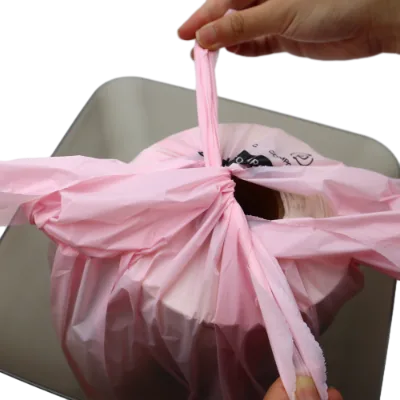
Listing signals reveal a high degree of customization in packaging and sealing methods. The bottom seal type is frequently specified as a star-seal, which provides a wider base and better stability when the bag is placed in a bin. The style is often described as wave top or flat top, with heat sealing being the standard method for ensuring a secure closure. Additionally, the inclusion of shoulder-length handles in some models suggests a focus on ease of use and hygiene, allowing users to remove full bags without direct contact with waste. The packaging is typically done in cases, sacks, or carton cases, with some suppliers offering box packaging for retail-ready units. These signals help buyers identify suppliers who can meet specific logistical and aesthetic requirements, such as bulk industrial supply versus retail-oriented packaging.
Technical Specifications to Verify
When evaluating technical specifications, buyers must prioritize the verification of material thickness and load-bearing capacity. The observed data indicates that thickness is often customizable, meaning that a single supplier may offer multiple grades of film depending on the intended use case. For heavy-duty garbage applications, verifying the weight limit is critical, with some products rated for loads exceeding ten kilograms. Buyers should request specific tensile strength and elongation at break data to ensure the bags will not tear during filling or transport. Additionally, the capacity range of two to three liters suggests that these bags are suitable for small to medium-sized bins, but buyers must confirm the exact dimensions, such as the noted standard of 22.5cm by 50cm, to ensure compatibility with their existing waste containers.
Sealing integrity and handle design are other critical technical aspects that require verification. The star-seal bottom is a key feature for wave top bags, as it prevents leakage and provides a stable base. Buyers should inspect samples to confirm that the heat seal is uniform and free from weak points that could lead to failure under load. The presence of shoulder-length handles is a significant functional advantage, but the attachment point must be robust enough to support the weight of the filled bag without tearing. Furthermore, the drawstring color and logo printing quality should be assessed to ensure they meet brand standards and do not compromise the structural integrity of the bag. Customization options for these elements should be clearly defined in the technical specifications to avoid discrepancies between the ordered product and the final delivery.
Compliance and Safety Documentation
Compliance with international standards is a paramount concern for buyers sourcing wave top garbage bags, particularly those marketed as biodegradable or recyclable. Certifications such as BSCI, TUV Ok Compost, and Seedling are observed in the market, indicating that some suppliers adhere to strict social and environmental standards. BSCI certification ensures that the supplier meets ethical labor practices, which is increasingly important for brands with sustainability commitments. TUV Ok Compost and Seedling certifications are crucial for validating biodegradability claims, providing assurance that the bags will break down under specific composting conditions. Buyers must request valid certificates and verify their authenticity with the issuing bodies to avoid greenwashing risks.
In addition to environmental certifications, food-grade and safety standards may be relevant depending on the end-use application. Certifications like ISO, BRC, and GRs (Recycled Standard) are observed, suggesting that some suppliers produce bags that meet rigorous quality and safety requirements. BRC certification, for instance, is often associated with food safety and quality management, which may be necessary if the bags are used in grocery or food-related waste applications. Buyers should also verify compliance with local regulations regarding plastic waste and recycling, as these vary significantly by region. Ensuring that the supplier can provide comprehensive documentation for all claimed certifications is essential for maintaining brand reputation and avoiding legal liabilities associated with non-compliant products.
Cost Drivers and Commercial Terms
The cost of wave top garbage bags is influenced by several key drivers, including material costs, customization complexity, and order volume. HDPE and PE prices fluctuate with global oil markets, directly impacting the base cost of the bags. Customization options such as logo printing, specific drawstring colors, and unique sealing styles add to the production cost, as they require additional setup time and specialized equipment. Buyers should expect higher per-unit costs for smaller orders due to the fixed costs associated with customization. However, larger orders can leverage economies of scale to reduce unit prices, making it essential to align order quantities with forecasted demand to optimize costs.
Commercial terms, including minimum order quantities (MOQ) and lead times, play a significant role in the total cost of ownership. The observed MOQ range of one to 320,000 units indicates that suppliers are flexible, catering to both small businesses and large enterprises. However, lower MOQs may come with higher unit prices or additional setup fees. Lead times of twenty to thirty days are standard for customized orders, requiring buyers to plan their procurement cycles carefully to avoid stockouts. Payment terms, shipping costs, and packaging requirements also contribute to the overall cost. Buyers should negotiate clear terms regarding price validity, shipping responsibilities, and penalties for delays to mitigate financial risks and ensure a predictable supply chain.
Supplier Qualification and Quality Control
Supplier qualification is a critical step in ensuring the reliability and quality of wave top garbage bags. Buyers should conduct thorough due diligence on potential suppliers, verifying their production capabilities, quality control processes, and financial stability. The observed origin of products in China, particularly in regions like Henan, suggests a concentration of manufacturing expertise in this area. Buyers should visit factories or request virtual tours to assess the condition of machinery and the cleanliness of the production environment. Additionally, verifying the supplier's experience in producing wave top bags and their ability to handle customization requests is essential for ensuring that they can meet specific technical requirements.
Quality control measures should be established to monitor production consistency and product performance. Buyers should implement a robust inspection regime, including pre-production samples, in-process checks, and final random inspections. Key quality metrics include seal strength, material thickness uniformity, and print quality. Suppliers should provide detailed quality control reports and allow for third-party inspections if necessary. Establishing clear acceptance criteria and communication channels for addressing defects is crucial for maintaining high standards. Buyers should also consider implementing a supplier scorecard to track performance over time, focusing on metrics such as on-time delivery, defect rates, and responsiveness to issues.
Long-Term Procurement Checks
Long-term procurement success depends on continuous monitoring and adaptation to market changes. Buyers should regularly review supplier performance against established KPIs and adjust strategies as needed. This includes evaluating the supplier's ability to innovate, such as introducing new biodegradable materials or more efficient sealing technologies. Staying informed about regulatory changes, particularly those related to plastic waste and sustainability, is essential for ensuring ongoing compliance. Buyers should also maintain a diversified supplier base to mitigate risks associated with supply chain disruptions, such as raw material shortages or geopolitical issues.
Building a strong partnership with suppliers can lead to better pricing, priority production, and collaborative innovation. Regular communication and joint planning sessions can help align expectations and address potential issues proactively. Buyers should also invest in market intelligence to understand trends in consumer preferences and competitor offerings. This information can inform product development and sourcing strategies, ensuring that the procured bags remain competitive and relevant. By focusing on long-term relationships and strategic alignment, buyers can secure a reliable supply of high-quality wave top garbage bags that meet their evolving business needs.
FAQs
What customization options are available for wave top garbage bags?
Customization is available for wave top garbage bags, allowing buyers to specify details like logo printing and drawstring colors. The product supports OEM services and can be tailored to specific requirements such as size and capacity, ensuring the final item meets unique operational needs.
Which certifications do these wave top garbage bags hold?
These bags hold multiple certifications including BSCI, TUV Ok Compost, Seedling, GRS, BRC, and ISO. These credentials verify compliance with social responsibility and environmental standards, ensuring the products meet international safety and sustainability requirements for various commercial and household applications.
How long is the lead time for ordering wave top garbage bags?
The standard lead time for ordering these bags is between 20 to 30 days. This duration applies to production and preparation, allowing suppliers to manage the manufacturing process efficiently while accommodating customization requests and ensuring timely delivery for bulk orders.
Can I find wave top garbage bags with specific capacity requirements?
Yes, specific capacity requirements can be met as the product offers capacities ranging from 2L to 3L. Buyers can select options that fit their usage needs for garbage, household, or home appliance applications, ensuring the bags provide adequate volume for waste disposal tasks.
What material is used to make these wave top garbage bags?
The bags are manufactured using HDPE and PE plastic types, which provide durability and flexibility. This material choice ensures the bags are suitable for various uses including garbage disposal and household tasks while maintaining structural integrity under normal handling conditions.
Which features make these wave top garbage bags suitable for home use?
These bags feature biodegradable and recyclable properties, making them eco-friendly for home use. They are designed with a wave top style and star-seal bottom, offering secure closure and easy handling for garbage, household, and home appliance waste management.
What is the minimum order quantity for wave top garbage bags?
The minimum order quantity varies, with observed ranges starting from 1 unit up to 320,000 units. This flexibility allows buyers to place small trial orders or large bulk purchases depending on their specific inventory needs and budget constraints.