Source Wear Resistance Carbide Auger Plate for Chemical, Medical, Industrial
Find 30 verified options for Wear Resistance Carbide Auger Plate suitable for chemical, medical, and industrial applications. Buyers can compare specifications like hardness, material, and surface treatment from suppliers in China.
Key considerations
Products List


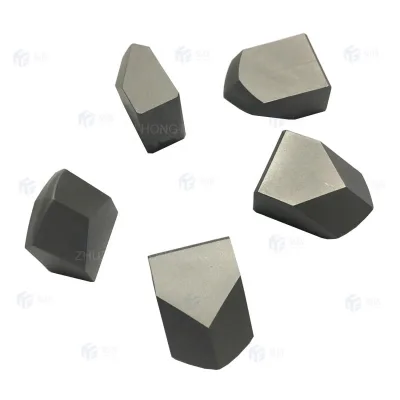
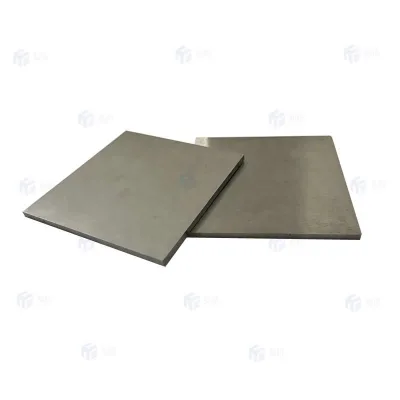
High Strength Carbide Plate for Superior Wear Resistance and Durability
$1.00 - $100.00
MOQ: 10 Pieces




Comprehensive Sourcing Guide
Strategic Sourcing Guide for Wear Resistance Carbide Auger Plates
Understanding Material Composition and Alloy Specifications
When sourcing wear resistance carbide auger plates, the primary focus must be on the material composition that dictates durability and performance under abrasive conditions. Based on the available product data, the core material for these components is frequently identified as Tungsten Carbide, often integrated with steel substrates such as AISI 4140 or general alloy steels. The supply chain for these items originates primarily from China, with specific manufacturing hubs noted in regions like Hunan and Changzhou. Buyers must recognize that the term "Alloy" appears frequently in product attributes, indicating a broad category that includes Stainless steel, Iron, and various metal composites.
The hardness of the carbide buttons and plates is a critical metric for wear resistance. The observed data indicates a range of hardness values depending on the specific model and application. For instance, certain models exhibit a hardness range of HRC 48 to 52, while others are rated between HRC 40 to 44 or HRC 38 to 42. These variations suggest that different grades of tungsten carbide are utilized for different operational intensities. A buyer should verify the specific hardness requirement for their application, as a plate designed for soft soil may differ significantly from one intended for rocky or highly abrasive environments. The unit weight of these components also varies, with observed values ranging from 0.20 kg per piece to 1.35 kg, indicating that size and density are significant factors in the final product specification.
Technical Specifications and Geometric Standards
The technical specifications of auger plates are defined by their geometric shape, size, and standard compliance. The product data highlights that these components come in various shapes, including round, semi-ballistic, flat, sharp, and serrated configurations. This variety allows for customization based on the specific material being augered. For example, a serrated shape might be preferred for cutting through fibrous materials, while a flat or semi-ballistic shape might be better for general earthmoving. The standard shapes are often referenced against international standards such as AISI, ASTM, BS, DIN, GB, and JIS, ensuring that the components meet global engineering expectations.
Size specifications are equally critical for compatibility with existing machinery. The data shows specific dimensions for tungsten carbide inserts, such as 2228 mm and 1526 mm. These precise measurements must align with the mounting holes and the overall diameter of the auger flighting. The drilling hole diameter for certain applications is noted to be between 150-200 mm, which suggests that the auger plates are designed for large-scale drilling operations. The manufacturing process often involves precision casting or die casting, followed by surface treatments like polishing or sandblasting to ensure a smooth finish and optimal performance. Buyers should verify that the model numbers, such as GBI-AT-11, 8CS, TS3, or RB36, correspond to the specific dimensions and shapes required for their machinery.
Compliance, Certification, and Quality Assurance
Quality assurance in the procurement of carbide auger plates is heavily reliant on management and product certifications. The most prominent certification observed in the product data is ISO 9001, with specific references to versions 2000 and 2008. While the presence of ISO 9001 indicates a commitment to quality management systems, buyers should verify the current validity of these certifications, as standards evolve. Additionally, product certifications such as CE are mentioned, which may be relevant for machinery operating in European markets or requiring specific safety compliance.
The manufacturing environment is also a factor in quality assurance. The data indicates that the products are manufactured in China, with specific origins in Hunan and Changzhou. These regions are known for their metallurgical industries, but buyers must ensure that the specific supplier adheres to the stated standards. The condition of the products is consistently listed as "New," and some entries mention "Condition: New" alongside certification details. This suggests that the supply chain focuses on delivering fresh, unused components. However, the absence of specific test results or performance claims in the provided data means that buyers must rely on the supplier's internal quality control processes and the validity of their ISO certifications to guarantee product reliability.
Cost Drivers and Pricing Structures
The cost of wear resistance carbide auger plates is influenced by several factors, including material composition, hardness, size, and the level of customization required. The observed price range in the market spans from $0.80 to $880 USD, a wide variance that reflects the diversity of product types, from small carbide buttons to large, custom-engineered auger plates. The unit weight of the components, ranging from 0.20 kg to 1.35 kg, directly impacts the material cost, as tungsten carbide is a premium material.
Minimum Order Quantities (MOQ) also play a significant role in the total cost of procurement. The data shows an MOQ range from 1 to 2000 units, indicating that suppliers cater to both small-scale buyers and large industrial clients. The acceptance of small orders is a notable feature, allowing buyers to test products before committing to larger volumes. Customization is available, which can increase costs due to the need for specific tooling and design adjustments. Buyers should consider the trade-off between standard off-the-shelf models, which may be more cost-effective, and custom solutions that offer better performance for specific applications. The packaging, which varies from wooden cases to cartons and plastic boxes, also contributes to the overall cost, especially for international shipping.
Typical Applications and Industry Use Cases
Wear resistance carbide auger plates are designed for a wide array of industrial applications where durability and abrasion resistance are paramount. The product data lists applications in the chemical, medical, industrial, electronics, and aviation sectors. However, the primary use case for these components is in heavy machinery and drilling operations. The specific mention of "Drilling Way: Rotary" confirms their use in rotary drilling equipment.
In the industrial sector, these plates are essential for augers used in soil sampling, foundation drilling, and mining operations. The high hardness and wear resistance of the tungsten carbide ensure that the auger plates maintain their cutting edge even when encountering hard rock or abrasive soil. In the aviation and electronics sectors, the precision and reliability of these components are crucial for maintaining the integrity of machinery used in manufacturing and maintenance. The ability to customize the shape and size of the plates allows for specialized applications in these high-tech industries. Buyers should evaluate their specific operational environment to determine the appropriate hardness and shape for their auger plates.
Supplier Evaluation and Procurement Considerations
When evaluating suppliers for wear resistance carbide auger plates, buyers should focus on several key criteria. First, verify the supplier's adherence to the stated standards, such as ISO 9001 and the various international material standards like AISI and ASTM. Second, assess the supplier's ability to provide customization, as the data indicates that customization is available. This includes the ability to produce specific shapes, sizes, and hardness levels. Third, consider the supplier's location and logistics capabilities. With origins in Hunan and Changzhou, China, buyers should be aware of potential lead times and shipping costs.
The warranty period is another important consideration. The data mentions a 6-month warranty, which provides a baseline for buyer protection. However, buyers should clarify the terms of this warranty, including what constitutes a defect and the process for claims. Additionally, the availability of small orders is a positive indicator of supplier flexibility, allowing buyers to mitigate risk by testing products before scaling up. Buyers should also inquire about the manufacturing process, such as whether the plates are produced via die casting, lost wax casting, or precision casting, as these processes affect the final product quality.
Long-Term Procurement and Maintenance Strategy
Long-term procurement of wear resistance carbide auger plates requires a strategic approach that balances cost, quality, and performance. Buyers should establish a relationship with suppliers who can consistently meet the required specifications and provide reliable after-sales support. Regular quality control checks are essential to ensure that the plates maintain their hardness and wear resistance over time. The data suggests that the hardness of the plates can vary, so buyers should implement a system to test incoming shipments against the agreed-upon standards.
Maintenance of the auger plates is also critical for extending their lifespan. Proper storage and handling can prevent damage to the carbide buttons and ensure that the plates remain in optimal condition until installation. Buyers should consider the packaging methods, such as wooden cases or cartons, to ensure that the plates are protected during transit. Finally, buyers should stay informed about advancements in carbide technology and material standards to ensure that their procurement strategy remains competitive and effective in the long term. By focusing on these areas, buyers can secure a reliable supply of high-quality wear resistance carbide auger plates for their operations.
Comparative Analysis of Product Attributes
To facilitate informed decision-making, the following table summarizes the key attributes observed in the product data, highlighting the variations in specifications and certifications.
| Attribute Category | Observed Values/Options | Relevance to Buyer |
|---|---|---|
| Material | Tungsten Carbide, AISI 4140, Alloy, Stainless Steel | Determines wear resistance and compatibility with drilling media. |
| Hardness | HRC 38 | Critical for abrasion resistance; higher values suit harder materials. |
| Shape | Round, Semi-ballistic, Flat, Sharp, Serrated | Affects cutting efficiency and material flow. |
| Dimensions | 1526 mm, 2228 mm, 150-200mm (Drill Hole) | Must match existing machinery specifications. |
| Certification | ISO 9001 (2000/2008), CE | Indicates quality management and safety compliance. |
| Origin | China (Hunan, Changzhou) | Influences logistics, lead times, and trade compliance. |
| MOQ | 1 to 2000 units | Impacts inventory management and cash flow. |
| Warranty | 6 Months | Provides baseline protection against manufacturing defects. |
This comparative overview underscores the importance of selecting the right combination of material, hardness, and geometry to meet specific operational needs. Buyers should use this data as a reference point when negotiating with suppliers to ensure that the final product meets their exact requirements.
FAQs
What materials are used for wear resistance carbide auger plates?
These plates are primarily made from Tungsten Carbide integrated with steel substrates like AISI 4140 or general alloys. The material composition ensures high durability and abrasion resistance for demanding drilling operations.
Which hardness ranges are available for these auger plates?
Hardness values typically range from HRC 38 to 52 depending on the specific model and application requirements. Buyers should select a grade that matches their operational intensity, such as HRC 48 to 52 for harder materials.
Can I order small quantities of wear resistance carbide auger plates?
Yes, small orders are accepted with Minimum Order Quantities ranging from 1 to 2000 units. This flexibility allows buyers to test products before committing to larger industrial volumes.
Which certifications do the manufacturers hold for quality assurance?
Manufacturers commonly hold ISO 9001 certifications, with references to versions 2000 and 2008, alongside CE product certifications. These standards indicate a commitment to quality management systems and safety compliance.
What shapes are available for customizing the auger plate geometry?
Plates come in various shapes including round, semi-ballistic, flat, sharp, and serrated configurations. These options allow for customization based on the specific material being augered or the cutting requirements.
How long is the warranty period for these carbide components?
A standard warranty period of 6 months is provided for the wear resistance carbide auger plates. Buyers should verify the specific terms regarding defects and claims with the supplier.