Source Tyre Studs Cemented Carbide Pins for Mining, Roads, and Industry
Source 30 Tyre Studs Cemented Carbide Pins from Zhuzhou suppliers. Compare grades like K10 and JX55, hardness ratings, and custom sizes for mining, winter road safety, and industrial wear applications; compare the available evidence and request quotations based on your requirements.
Key considerations
Products List


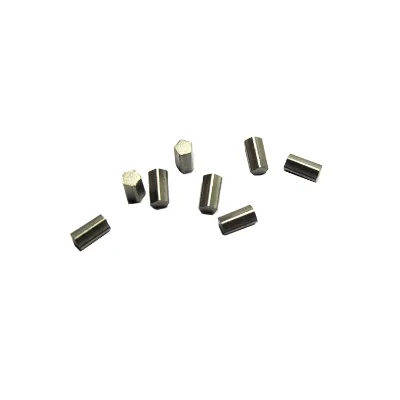

Long Life Gradient Carbide Cold Heading Punch Pin for Automotive Fasteners
$1.00 - $20.00
MOQ: 100 Pieces


Customizable Pins Studs Polished Virgin Tungsten Carbide Pegs for Sand Mill
$20.00 - $100.00
MOQ: 1 Pieces


Comprehensive Sourcing Guide
Tyre Studs Cemented Carbide Pins Sourcing Guide
Procuring tyre studs and cemented carbide pins requires a precise understanding of the specific tungsten carbide grades available, such as JX55 or the K-series variants like K10 through K40. Buyers must recognize that these components are engineered for high-wear environments, including metal cutting, recycling machinery, and specifically for tyre studs, spikes, and shoe applications. The material composition typically involves 100% virgin WC+Co powder with cobalt percentages ranging from 3% to 30%, directly influencing the final hardness and impact resistance of the pin.
When evaluating listings, buyers should verify that the product origin is Zhuzhou City, Hunan, China, a recognized hub for tungsten carbide manufacturing. The observed market signals indicate a wide range of customization options, from solid carbide pegs to those with brazed taps, often available in ultra-fine to coarse grain sizes. It is critical to distinguish between standard export packing and custom packaging demands, ensuring the supplier can meet specific logistical requirements for single items or bulk orders without compromising the integrity of the fragile carbide components during transit.
Product Scope and Observed Listing Signals
The product scope for cemented carbide pins extends beyond simple fasteners to include specialized wear parts like solid tungsten carbide core pins and custom non-standard wear components. Listings frequently highlight applications in metal casting, engraving, and processing machinery, alongside the specific use case of tyre studs for vehicles such as horses, buses, and trucks. Buyers must scrutinize the listed model numbers, such as DIa2.35, to ensure dimensional compatibility with their existing drilling, endmill, or reamer tooling systems.
Observed listing signals reveal a diverse range of surface finishes, including both polished and unpolished options, which can affect friction and wear characteristics in different operational contexts. The availability of customization is a key signal, with many suppliers offering tailored solutions for specific industrial needs rather than just off-the-shelf inventory. However, buyers should be cautious of inconsistent product descriptions, as some entries may list the material simply as "alloy" while others specify "tungsten carbide," necessitating a direct confirmation of the exact material grade before placing an order.
Technical Specifications to Verify
Technical verification must begin with the density and hardness ranges, which typically fall between 14.5 to 14.8g/Cm³ and Hra88 to Hra91.5 respectively, depending on the specific grade selected. These physical properties are non-negotiable for applications requiring resistance to wear, corrosion, and impact, particularly in the harsh conditions faced by tyre studs and heavy-duty metal processing machinery. Buyers should request test data or material certificates that explicitly confirm these values for the specific batch being supplied, rather than relying on general product descriptions.
Grain size selection is another critical technical parameter, with options ranging from ultra-fine to coarse, each offering a different balance between hardness and toughness. The cobalt percentage, which varies from 3% to 30% based on the grade, directly dictates the material's ability to withstand shock loads without fracturing. Procurement teams must ensure that the selected grain size and cobalt content align with the specific operational stresses of the intended application, whether it is for a high-speed cutting tool or a heavy-duty tyre spike, to prevent premature failure in the field.
Compliance and Safety Documentation
Compliance documentation for cemented carbide pins should prominently feature ISO 9001 certification, which is frequently cited in supplier listings as a baseline for quality management systems. While some entries mention ISO9001-2015 specifically, buyers must verify the validity of these certificates and ensure they cover the specific manufacturing processes for the tungsten carbide components being purchased. It is essential to confirm that the certification applies to the actual production facility in Zhuzhou, China, rather than being a generic corporate credential that does not reflect the quality of the specific batch.
Safety and material safety data sheets (MSDS) are often implied through the mention of "New" condition and specific material grades, but explicit documentation should be requested to ensure safe handling and storage. The standard compliance landscape includes a mix of international standards such as DIN, AISI, ASTM, BS, GB, and JIS, which buyers should cross-reference against their local regulatory requirements. Ensuring that the supplier adheres to these recognized standards helps mitigate risks associated with material inconsistencies and ensures that the pins meet the necessary safety thresholds for industrial machinery and vehicle applications.
Cost Drivers and Commercial Terms
Cost drivers for these components are heavily influenced by the grade of tungsten carbide used, the complexity of the customization, and the specific grain size selected. The observed price range of 0.03 to 100 USD suggests significant variation based on whether the item is a standard pin or a custom-engineered wear part, with higher costs associated with tighter tolerances and specialized surface finishes. Buyers should analyze the total cost of ownership, considering that lower initial prices might correlate with lower cobalt content or less rigorous quality control, potentially leading to higher replacement costs over time.
Commercial terms often include flexible payment methods such as TT, Western Union, and PayPal, alongside minimum order quantities that can range from 2KG to 500 units depending on the supplier. The packaging requirements, which may vary from plastic inner boxes to standard export cartons, also impact the final landed cost and must be clearly defined in the purchase agreement. Buyers need to negotiate clear terms regarding lead times and shipping, especially since the origin is Zhuzhou, China, and ensure that the single gross weight and package dimensions are accurately declared to avoid unexpected logistics fees.
Supplier Qualification and Quality Control
Supplier qualification should prioritize manufacturers with a proven track record in Zhuzhou, the primary hub for tungsten carbide production in China, and those who explicitly support custom service requirements. Buyers must verify that the supplier can consistently deliver the specified grades, such as JX55 or the Y-series variants, and that they maintain strict control over the powder metallurgy process to ensure uniform density and hardness across batches. The presence of a warranty, such as the 6-month term observed in some listings, can serve as an indicator of the supplier's confidence in their product quality and manufacturing consistency.
Quality control protocols must include rigorous inspection of the final product for defects, ensuring that the pins meet the specified hardness and density ranges before shipment. Buyers should request evidence of in-process quality checks, particularly for custom orders where the model number and dimensions are non-standard. It is also vital to confirm that the supplier uses 100% virgin material for the WC+Co powder, as the use of recycled or substandard materials can significantly degrade the performance and lifespan of the tyre studs or core pins in demanding industrial applications.
Long-Term Procurement Checks
Long-term procurement strategies should focus on establishing a stable supply chain that can consistently meet the evolving demands of tyre stud and carbide pin applications. Buyers need to monitor the supplier's ability to maintain the specified grain sizes and cobalt percentages over time, as fluctuations in these parameters can lead to inconsistent performance in the field. Regular audits of the supplier's production capabilities and quality control records are essential to ensure that the long-term supply remains reliable and that the components continue to meet the required technical specifications.
Performance tracking of the installed pins is another critical aspect of long-term procurement, requiring a systematic approach to monitor wear rates and failure modes in actual operating conditions. Buyers should maintain detailed records of the product model numbers, grades, and batch numbers to facilitate traceability in case of quality issues or warranty claims. By fostering a collaborative relationship with the supplier and maintaining open communication regarding performance data, buyers can proactively address potential supply chain disruptions and ensure the continued reliability of their critical machinery and vehicle components.
FAQs
What grades of tungsten carbide are available for these pins?
Available grades include K10, K20, K30, K40, Yl10.2, Yg6, Yg6X, Yg8, Yg10X, and JX55. These grades determine the specific hardness and density properties required for different industrial applications like drill bits or tyre studs.
Can I request custom dimensions for these carbide pins?
Yes, customization is available for both model numbers and specific dimensions. You can request non-standard wear parts or solid tungsten carbide core pins tailored to your machinery requirements, with options for polished or unpolished finishes.
What is the minimum order quantity for these products?
The minimum order quantity is 2 kilograms for bulk purchases. However, some listings indicate a general MOQ range of 1 to 500 units depending on the specific product type and customization level requested by the buyer.
Where are these tungsten carbide pins manufactured?
These products originate from Zhuzhou City in Hunan Province, China. This region is a known hub for tungsten carbide production, ensuring access to high-quality raw materials and established manufacturing processes for cemented carbide pins.
Which certifications do these carbide pins hold?
The products are certified under ISO 9001 and ISO9001-2015 standards. This certification ensures that the manufacturing processes meet international quality management requirements for materials like tungsten carbide used in metal processing and casting machinery.
What is the hardness range for these cemented carbide pins?
The hardness ranges from HRA 88 to HRA 91.5 depending on the specific grade selected. This variation allows users to choose the optimal balance between wear resistance and toughness for applications like metal cutting or recycling machines.
How are these products packaged for export?
Standard export packaging includes a plastic inner box followed by an export carton. Customized packing is also available to meet specific customer demands, ensuring the safety of solid tungsten carbide core pins during international shipping.