Source Wear Resistant Hdpe Plastic Rod for Industrial Use
Compare 30 listings for wear resistant hdpe plastic rod, featuring tensile strengths from 30 to 80 MPa and diameters up to 400mm. Options include virgin PE material with low water absorption and customizable sizes for diverse industrial applications; compare the available evidence and request quotations based on your requirements.
Key considerations
Products List




Comprehensive Sourcing Guide
Wear Resistant HDPE Plastic Rod Sourcing Guide
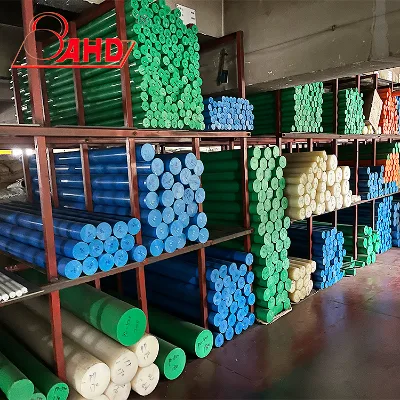
Buyers must first distinguish between solid rods and hollow profiles, as the observed listings show a mix of solid hard plastic rods and thermoplastic pipe types. The product scope includes diameters ranging from 6mm to 400mm, with specific solid rod offerings often falling between 20mm and 350mm. This variation requires clear definition of the required cross-section to ensure the selected item matches the mechanical load and dimensional constraints of the intended application.
Procurement teams should also verify the material quality claims, as listings indicate both virgin and pure raw material options. The observed data suggests a focus on polyethylene grades, with some suppliers specifying common types like PE300, PE500, or PE1000. Confirming the specific resin grade is critical because it directly influences the wear resistance and fatigue properties required for long-term industrial performance in demanding environments.
Product Scope and Observed Listing Signals
The market presents a diverse range of physical dimensions, with diameter specifications spanning from 6mm up to 400mm depending on the specific product model. Some listings highlight a standard diameter range of 20mm to 300mm, while others extend to 350mm, indicating that custom sizing is a common capability. Buyers should treat these ranges as available options rather than fixed standards, ensuring that the requested size aligns with the specific machinery or structural component being manufactured.
Length and shape variations further complicate the scope, with some products offered as standard 1040mm bars while others are custom-made to specific requests. The observed data includes rectangular shapes and various thicknesses up to 130mm, alongside standard cylindrical forms. This diversity means that a single inquiry often requires multiple clarifications regarding cross-sectional geometry and length to avoid receiving a product that is technically correct but dimensionally unsuitable for the assembly line.
Technical Specifications to Verify
Tensile strength is a primary performance metric that varies significantly across the observed listings, with values ranging from 30 to 40MPa in some cases and 51 to 80MPa in others. Buyers must explicitly request the tensile strength data for the specific batch or grade they intend to purchase, as this property dictates the rod's ability to withstand pulling forces without permanent deformation or failure under load.
Water absorption and contraction percentages are equally critical for dimensional stability in varying environmental conditions. Observed data shows water absorption as low as 0.01% in high-performance grades, while other listings indicate ranges between 0.2% and 0.3%. Similarly, contraction percentages vary from less than 0.4% to as high as 1.4%, requiring verification to ensure the material will maintain its precise dimensions after processing or during temperature fluctuations.
Compliance and Safety Documentation
Safety and regulatory compliance are often highlighted through specific certifications such as RoHS and ISO9001, which appear in the product standards of various suppliers. While some listings explicitly mention these standards, buyers should not assume universal compliance and must request current certification documents to verify that the specific product batch meets the necessary environmental and safety requirements for their industry.
Surface finish and chemical resistance characteristics also serve as indirect indicators of quality and compliance with industry norms. The observed surface options include glossy, matte, embossed, and textured finishes, which can impact friction and wear resistance in moving parts. Additionally, the material's ability to resist fatigue and wear is a key safety factor, and buyers should verify that the supplier can provide test results confirming these mechanical properties for the specific application.
Cost Drivers and Commercial Terms
Pricing in this market is influenced heavily by the material quality, with virgin material and 100% pure raw material options commanding different price points compared to recycled or mixed content. The observed price range of 1 to 100 USD suggests a wide variance based on diameter, length, and the specific grade of polyethylene used, making it essential for buyers to compare unit costs relative to the verified material purity and mechanical specifications.
Minimum Order Quantities (MOQ) and packaging requirements also significantly impact the total cost of ownership, with observed MOQs ranging from 1 to 1000 units. Packaging is typically provided on wooden pallets or in wooden cabinets, which adds to the shipping weight and cost. Buyers should negotiate these terms carefully, as larger orders may reduce the per-unit cost but increase the upfront capital requirement and storage needs.
Supplier Qualification and Quality Control
Geographic origin plays a role in logistics and quality perception, with suppliers located in regions like Hebei and Jiangsu Yangzhong offering distinct production capabilities. Buyers should verify the specific manufacturing location of the product they are ordering, as different facilities may have varying levels of process control and quality assurance protocols that affect the consistency of the final rod product.
Quality control processes should be validated through the supplier's ability to provide consistent test results for key attributes like impact strength and temperature resistance. The observed data indicates that some products are rated for temperature ranges from -200 to +80 degrees and possess no-break impact strength, but these claims must be backed by recent third-party or internal test reports to ensure reliability before committing to a large purchase.
Long-Term Procurement Checks
Sustained procurement requires monitoring the consistency of material properties over time, particularly regarding the contraction percentage and water absorption rates. Since these values can vary between batches, buyers should establish a protocol for periodic re-testing of incoming stock to ensure that the wear-resistant properties remain within the specified limits required for their specific operational environment.
Supplier relationship management is also vital for maintaining supply chain stability, especially when custom dimensions or specific material grades are required. Buyers should maintain open communication channels to discuss potential changes in raw material availability or production standards, ensuring that any shifts in the supply chain do not compromise the mechanical integrity or dimensional accuracy of the wear-resistant HDPE plastic rods.
FAQs
What is the tensile strength of wear resistant hdpe plastic rod?
The tensile strength typically ranges from 30 to 80 MPa depending on the specific grade and formulation. High-density polyethylene offers robust mechanical performance for industrial applications. This range ensures durability under load while maintaining flexibility. Buyers should verify exact specifications with suppliers to match their structural requirements.
Can wear resistant hdpe plastic rod be customized in size?
Yes, customization is available for diameter and length. Standard diameters range from 6mm to 400mm, with lengths often cut to request. Some suppliers offer custom-made sizes up to 1040mm or specific sheet dimensions. This flexibility allows precise fitting for machinery parts and fabrication projects without waste.
Which certifications apply to wear resistant hdpe plastic rod?
Common certifications include ISO9001, SGS, and RoHS compliance. These standards verify quality management systems and material safety. RoHS ensures restricted hazardous substances are absent, suitable for electronics and food contact. Buyers should request valid certificates from manufacturers to confirm regulatory adherence for their specific market.
How does water absorption affect wear resistant hdpe plastic rod?
Water absorption is extremely low, typically less than 0.01% for pure polyethylene grades. This property prevents swelling or degradation in wet environments. Some variants may show slightly higher absorption up to 0.3%. Low moisture uptake ensures dimensional stability and consistent performance in outdoor or submerged industrial applications.
What is the minimum order quantity for wear resistant hdpe plastic rod?
The minimum order quantity generally ranges from 1 to 1000 units. This flexibility supports both sample testing and bulk production needs. Suppliers often adjust MOQ based on customization complexity and material availability. Buyers can negotiate terms directly with factories to secure favorable quantities for their specific project scale.
Where are wear resistant hdpe plastic rods typically manufactured?
Production is primarily located in China, with key hubs in Hebei and Jiangsu Yangzhong. These regions offer established supply chains for polyethylene processing. Manufacturers utilize virgin materials to ensure purity and consistent quality. Sourcing from these areas provides access to competitive pricing and extensive manufacturing capacity for global buyers.