Source Wear Resistant Rubber Tyres for Trucks, Off-Road, and Construction
Compare 30 listings of Wear Resistant Rubber Tyres designed for trucks, off-road vehicles, and construction equipment. Buyers can evaluate specifications like tread patterns, sizes, and certifications to find suitable options for their fleet needs; compare the available evidence and request quotations based on your requirements.
Key considerations
Products List


Excellent Heat Resistance Solid Rubber Tires12.00-20 Provide Long Service Life on Sale
$480.00 - $620.00
MOQ: 20 Pieces

High Load Quality Natural Rubber 22X14X16 Solid Tyre Low Rolling Resistance
$165.00 - $183.00
MOQ: 2 Pieces


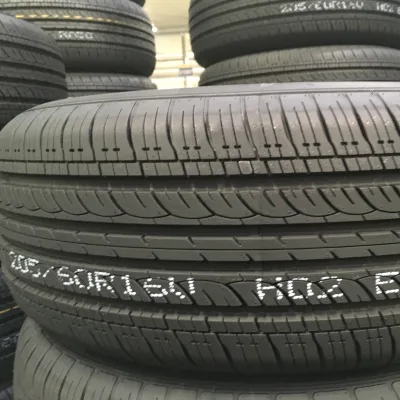

$6000.00 - $8000.00
MOQ: 1000 piece


Comprehensive Sourcing Guide
Wear Resistant Rubber Tyres Sourcing Guide
Procuring Wear Resistant Rubber Tyres requires a disciplined approach to balancing material durability with operational efficiency. Buyers must recognize that "wear resistance" is not a single standardized metric but a composite performance characteristic influenced by tread compound formulation, carcass construction, and specific tread pattern geometry. The observed market data indicates a wide variance in product specifications, ranging from solid industrial tyres to radial passenger car tyres, each demanding distinct verification protocols. Understanding these fundamental differences is the first step in defining a precise technical requirement that aligns with your fleet or machinery operational profile.
This guide provides a structured framework for evaluating suppliers based on observable listing signals and verifiable technical attributes. By focusing on concrete evidence such as cord material composition, tire design type, and certified standards, buyers can mitigate the risk of selecting products that fail under heavy load or abrasive conditions. The following sections detail the critical parameters for technical verification, compliance documentation, and commercial terms, ensuring that procurement decisions are grounded in factual data rather than marketing claims. This methodical approach helps secure tyres that deliver the promised longevity and safety performance across diverse operating environments.
Product Scope and Observed Listing Signals
The current market landscape for Wear Resistant Rubber Tyres exhibits significant heterogeneity in product types and intended applications. Listings reveal a spectrum ranging from solid tyres designed for industrial machinery to radial and diagonal tyres for automotive use. Key observed attributes include the presence of cross-country and highway tread patterns, indicating specialized use cases for off-road durability versus on-road efficiency. Additionally, the availability of customization options and various packing methods, such as pallets or woven bags, suggests that suppliers cater to diverse logistical requirements. Buyers should carefully match these observed product signals with their specific operational needs, noting that a tyre suitable for highway use may not withstand the abrasion of off-road terrain.
Material composition and structural design are critical differentiators in this category. Observed facts highlight the use of nylon cord materials and rubber compounds, which are fundamental to the tyre's structural integrity and wear characteristics. The distinction between tubeless and tubeless-without-inner-tube designs further complicates the selection process, as each has unique maintenance and safety implications. Furthermore, the presence of certifications such as CCC, ISO, and CE on some listings provides a baseline for quality assurance, though buyers must verify that these certifications apply to the specific model being ordered. Understanding these diverse listing signals allows buyers to filter out irrelevant products and focus on suppliers who offer the specific tyre configurations required for their application.
Technical Specifications to Verify
Verifying technical specifications is paramount to ensuring that the selected tyres meet the rigorous demands of wear resistance and operational safety. Buyers must confirm the exact size, diameter, and width dimensions, as observed listings show a wide range from 15-16 inches to specific models like 26.5-25. The tire design, whether radial or diagonal, significantly impacts heat dissipation and traction, which are crucial for long performance life. Additionally, the tread pattern, such as cross-country or highway designs, must be aligned with the intended terrain to maximize wear resistance. It is essential to request detailed technical datasheets that specify the rubber compound properties and cord material strength, as these factors directly influence the tyre's ability to withstand abrasion and mechanical stress over time.
Further verification should focus on the tyre's construction details and performance attributes. The presence or absence of an inner tube is a critical specification that affects maintenance procedures and potential failure modes. Buyers should also inquire about the service life expectations and warranty terms, as observed listings mention warranties of one year and service lives under fifteen years. The quality level, often described as high in listings, should be substantiated by independent test results or manufacturer guarantees. Additionally, the heat emission characteristics and wet traction performance are vital for safety, particularly in all-season applications. By meticulously verifying these technical specifications, buyers can ensure that the tyres they procure will deliver the expected durability and performance in their specific operating conditions.
Compliance and Safety Documentation
Compliance with international and regional safety standards is a non-negotiable aspect of tyre procurement. Observed listings indicate that suppliers may hold various certifications, including CCC, ISO, CE, ECE, FCC, DOT, RoHS, and GS. Buyers must verify which of these certifications apply to the specific tyre model and region of use, as standards vary significantly between markets. For instance, DOT certification is crucial for the US market, while ECE and GS are relevant for European compliance. It is essential to request valid certification documents and ensure they are up-to-date, as expired or invalid certifications can lead to regulatory penalties and safety liabilities. Understanding the specific regulatory requirements for your target market is the first step in ensuring that the procured tyres are legally compliant and safe for use.
Beyond regulatory certifications, buyers should also consider additional safety and environmental standards. The presence of REACH compliance, although noted with low confidence in some contexts, indicates a commitment to environmental safety and chemical management. Buyers should inquire about the tyre's compliance with environmental regulations regarding material composition and disposal. Additionally, the warranty terms, such as the one-year warranty observed in some listings, provide a layer of protection against premature failure. However, buyers should carefully review the warranty conditions to understand what is covered and what constitutes voided coverage. By prioritizing suppliers with robust compliance documentation and clear warranty terms, buyers can mitigate legal and operational risks associated with tyre procurement.
Cost Drivers and Commercial Terms
Understanding the cost drivers in the wear resistant rubber tyre market is essential for effective budgeting and negotiation. The observed price range of 4 to 8000 USD reflects the vast diversity in tyre types, sizes, and quality levels. Key factors influencing cost include the material composition, such as the use of nylon cords and specialized rubber compounds, as well as the complexity of the tread pattern and construction. Customization options, such as specific packing requirements or branded tyres, can also impact the final price. Buyers should request detailed quotations that break down costs by component, allowing for a transparent comparison between suppliers. Additionally, the minimum order quantity (MOQ), observed to range from 1 to 1000 units, can significantly affect the unit price and overall procurement strategy.
Commercial terms, including payment conditions and lead times, are critical components of the procurement process. Buyers should negotiate favorable payment terms, such as letters of credit or installment payments, to manage cash flow and mitigate risk. Lead times can vary based on production capacity and customization requirements, so it is essential to confirm delivery schedules early in the negotiation process. The observed listing of "as Your Request" for packing suggests flexibility, but buyers should clarify any additional costs associated with specific packaging or labeling requirements. Furthermore, the warranty terms, such as the one-year warranty observed, should be clearly defined in the contract to ensure recourse in case of premature failure. By carefully managing these commercial terms, buyers can optimize the total cost of ownership and ensure a smooth procurement experience.
Supplier Qualification and Quality Control
Supplier qualification is a critical step in ensuring the reliability and consistency of Wear Resistant Rubber Tyres. Buyers should conduct thorough due diligence on potential suppliers, verifying their manufacturing capabilities, quality management systems, and track record. The observed listings indicate that suppliers are located in China, with some specifically in Jiangsu province, which is a known hub for tyre manufacturing. Buyers should request evidence of quality control processes, such as ISO certification and internal testing protocols, to ensure that the tyres meet the specified standards. Additionally, inquiring about the supplier's experience with similar products and their ability to handle customization requests can provide insights into their operational flexibility and expertise.
Quality control measures should extend beyond initial supplier qualification to include ongoing monitoring and inspection. Buyers should implement a robust inspection regime, including pre-shipment inspections and random sampling, to verify that the delivered tyres meet the agreed-upon specifications. The observed attribute of "High" quality level should be substantiated by independent test results or third-party verification. Buyers should also establish clear communication channels with suppliers to address any quality issues promptly. Furthermore, reviewing the supplier's warranty claims history and customer feedback can provide valuable insights into their after-sales support and product reliability. By prioritizing suppliers with strong quality control systems and a proven track record, buyers can minimize the risk of receiving substandard products and ensure consistent performance.
Long-Term Procurement Checks
Long-term procurement success depends on establishing continuous improvement mechanisms and regular performance reviews. Buyers should implement a system for tracking tyre performance in the field, including metrics such as wear rate, failure modes, and maintenance costs. This data should be regularly shared with suppliers to facilitate collaborative problem-solving and product improvement. The observed attribute of "Long Performance Life" should be validated through real-world usage data, rather than relying solely on manufacturer claims. By maintaining open communication with suppliers and providing feedback on product performance, buyers can drive continuous improvement and ensure that the tyres meet evolving operational requirements.
Additionally, buyers should periodically review their supplier base to ensure continued compliance with quality and safety standards. This includes verifying that certifications remain valid and that suppliers adhere to updated regulatory requirements. The observed listing of "Service Life: <15 Years" suggests a long-term perspective, but buyers should monitor actual service life to ensure it aligns with expectations. Furthermore, buyers should stay informed about industry trends and technological advancements in tyre manufacturing, such as new materials or tread designs, that could enhance wear resistance and performance. By adopting a proactive approach to supplier management and product evaluation, buyers can secure a reliable supply of high-quality Wear Resistant Rubber Tyres that support their long-term operational goals.
FAQs
What certifications are available for Wear Resistant Rubber Tyres?
Certifications such as CCC, ISO, CE, ECE, FCC, DOT, RoHS, and GS are available for Wear Resistant Rubber Tyres. These standards ensure compliance with regional safety and quality regulations. Buyers should verify specific certification requirements for their target markets to ensure smooth customs clearance and product acceptance.
Can Wear Resistant Rubber Tyres be customized for specific needs?
Yes, Wear Resistant Rubber Tyres offer available customization options for buyers. Customization includes tailored tread patterns, sizes, and packaging requests. Suppliers can accommodate specific design requirements to meet unique operational demands, ensuring the final product aligns precisely with the buyer's application and performance expectations.
What is the typical MOQ for Wear Resistant Rubber Tyres?
The typical MOQ for Wear Resistant Rubber Tyres is 200 units. However, the observed range spans from 1 to 1000 units depending on the supplier and product type. Buyers should confirm the exact MOQ with the manufacturer, as it may vary based on customization levels and production schedules.
Which specifications are offered for Wear Resistant Rubber Tyres?
Specifications include sizes like 12.00-20, 26.5-25, and 225/45/17, with diameters ranging from 15 to 16 inches. Options cover radial and diagonal tire designs, tubeless and tube types, and various tread patterns. Buyers can select from optional sizes to match their vehicle or machinery requirements.
Where are Wear Resistant Rubber Tyres manufactured?
Wear Resistant Rubber Tyres are manufactured in China, with specific origins noted in Jiangsu. The products are made from high-quality rubber materials with nylon cord reinforcement. Buyers can expect consistent production standards and reliable supply chains from these established manufacturing regions in China.
What features do Wear Resistant Rubber Tyres provide?
Key features include wear resistance, long performance life, and anti-slip properties. These tyres are designed for all-season use and offer excellent wet traction. The construction ensures good heat emission and durability, making them suitable for diverse operating conditions and demanding industrial or automotive applications.