Source Wear Resistant Sisal Cat Scratch Pad for Homes, Shelters, and Retail
Compare 30 wear resistant sisal cat scratch pad options from China. Evaluate materials like sisal and jute, backing types, and customization services for OEM/ODM needs. Find suitable indoor solutions for cats with varying thickness and size requirements; compare the available evidence and request quotations based on your requirements.
Key considerations
Products List


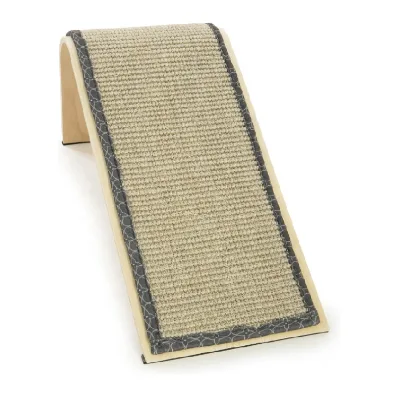


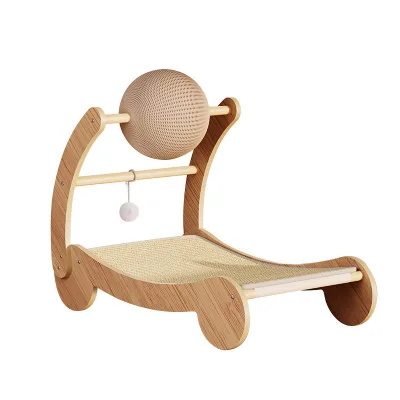
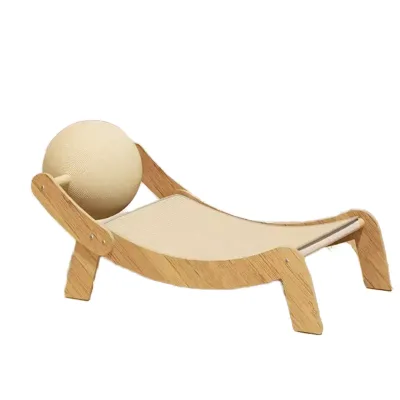


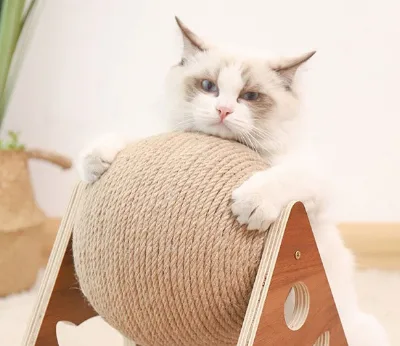


Comprehensive Sourcing Guide
Wear Resistant Sisal Cat Scratch Pad Sourcing Guide
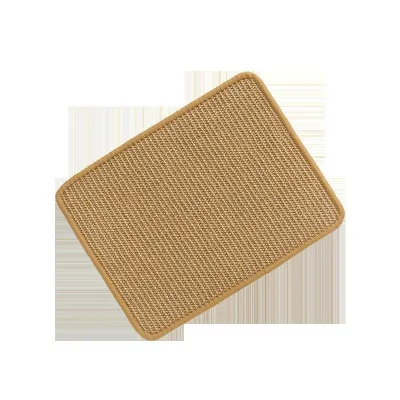
Procurement teams must first distinguish between general sisal mats and specialized scratch pads designed for feline durability. The available market data indicates a product range that includes specific models like the "Sisal cat scratch mat" and "MG Cat Scratch Pad," which are explicitly engineered for cats. Buyers should verify that the selected item matches the intended use case, as some listings describe general woven bags or cartons for packing rather than the specific functional design required for active pet scratching.
When evaluating product scope, it is critical to note that customization is a primary feature across the observed listings, with options for customized sizes and designs available upon discussion. This flexibility allows buyers to tailor the scratch pad dimensions to specific retail requirements or interior design themes. However, the core material composition remains consistent, typically utilizing sisal or jute fibers, which are essential for providing the necessary texture to satisfy a cat's natural scratching instincts while maintaining structural integrity over time.
Product Scope and Observed Listing Signals
Buyers should carefully analyze the physical dimensions and weight specifications to ensure the product fits logistical and retail constraints. The observed data reveals significant variation in single package sizes, ranging from compact units like 49.0x21.0x17.0 cm to larger configurations such as 51.0x22.0x20.0 cm. Additionally, weight metrics fluctuate between 0.700 kg and 1.57 kg per unit, which directly impacts shipping costs and shelf-space planning. Procurement teams must align these physical attributes with their specific distribution channels to avoid unexpected freight expenses.
The visual and stylistic attributes of the scratch pads also vary, with options including "CUTÉ" and "Classic" styles, as well as color choices like beige or specific sisal and jute combinations. Some models feature added elements like balls, while others maintain a basic type design. It is essential to confirm whether the supplier offers logo printing services, as this capability is listed as available but not universal across all SKUs. Buyers must explicitly request samples to verify that the aesthetic finish matches their brand identity before committing to a bulk order.
Technical Specifications to Verify
Technical verification must begin with the material composition, as the durability of the scratch pad relies heavily on the quality of the sisal or jute fibers used. The supplied facts confirm that materials include sisal, jute, and sometimes a combination of both, often backed by natural latex or nonwoven anti-slip backing. Procurement teams should insist on detailed material specifications to ensure the backing provides sufficient stability during use, preventing the pad from sliding on smooth floors. This structural integrity is a key differentiator between low-quality imitations and genuine wear-resistant products.
Thickness and density are equally critical parameters that define the lifespan of the scratch pad. One observed specification lists a thickness of 4.5mm, while another mentions a weight range of 3-3.2kg/M2 for similar woven products. Buyers must verify that the specific model they select meets the required density to withstand aggressive scratching without rapid degradation. It is also necessary to confirm the maximum width capabilities, as some listings indicate a max width of 4m, which may be relevant for custom-sized orders or large-scale installations.
Compliance and Safety Documentation
Safety compliance is paramount when sourcing pet products, and buyers must verify that the scratch pads meet relevant environmental and toxicity standards. The observed data highlights that products are characterized as environmentally friendly and non-toxic, which is a crucial selling point for health-conscious pet owners. Procurement teams should request specific test reports or declarations confirming that the sisal fibers and any adhesives or backing materials do not contain harmful substances that could pose a risk to cats or their owners.
Certification status varies among suppliers, with some listings explicitly mentioning CCC and ISO certifications. While these certifications indicate a level of quality management and product safety, buyers must not assume all products in a category automatically possess them. It is the buyer's responsibility to audit the supplier's documentation to ensure that the specific batch being purchased holds valid, up-to-date certifications. Relying on general claims without verifying the actual certificate for the specific model can lead to regulatory non-compliance in the destination market.
Cost Drivers and Commercial Terms
Cost structures for wear-resistant sisal cat scratch pads are heavily influenced by the degree of customization requested. The market data shows that customization is widely available, including options for customized sizes, designs, and logo printing. These value-added services typically increase the unit price and may affect the minimum order quantity (MOQ). Buyers should anticipate that standard, off-the-shelf models will likely have lower costs and more flexible MOQs compared to fully customized orders that require unique tooling or design adjustments.
Commercial terms also vary significantly based on the packaging and shipping requirements. Observed packing methods include woven bags, cartons, and specific box packaging, each carrying different cost implications for protection and logistics. The single gross weight of the items, ranging from 0.700 kg to 1.400 kg, further influences freight calculations. Procurement teams must negotiate clear terms regarding who bears the cost of specialized packaging and how volume discounts are applied, especially given the wide range of observed MOQs from 2 to 1200 units.
Supplier Qualification and Quality Control
Supplier qualification should focus on their ability to deliver consistent OEM and ODM services, as the market data confirms that these services are accepted by multiple vendors. Buyers must assess the supplier's capacity to handle custom orders while maintaining the structural integrity of the sisal fibers. It is essential to verify that the supplier has a proven track record in producing pet products, specifically scratch pads, to ensure they understand the unique wear patterns and durability requirements of feline products.
Quality control protocols must be established to monitor the consistency of the backing and the tightness of the sisal weaving. Since the products are manufactured in China, with specific origins noted in Zhejiang, buyers should implement pre-shipment inspections to verify that the physical attributes match the agreed specifications. This includes checking the weight, thickness, and the effectiveness of the anti-slip backing. Establishing a clear quality acceptance criteria before production begins is vital to prevent receiving substandard goods that fail to meet the wear-resistant expectations of the end consumer.
Long-Term Procurement Checks
Long-term procurement success depends on maintaining a stable supply chain for materials that are subject to natural variations. Sisal and jute are natural fibers, and their quality can fluctuate based on harvest seasons and processing methods. Buyers should establish a relationship with suppliers that guarantees consistent material sourcing and offers the flexibility to adjust orders based on seasonal availability. This proactive approach helps mitigate the risk of supply disruptions and ensures that the product quality remains uniform over time.
Continuous monitoring of supplier performance is necessary to ensure that customization capabilities and service levels remain high. Since the market offers a wide range of models and styles, buyers should regularly review the supplier's ability to introduce new designs or adapt to changing market trends. Maintaining open communication regarding design updates and material innovations will help buyers stay competitive. Regular audits and feedback loops are essential to ensure that the supplier continues to meet the evolving demands of the pet product market.
FAQs
Can I request custom sizes for the sisal cat scratch pad?
Yes, customized sizes are accepted for this product line. Buyers can discuss specific dimensions with the supplier to meet unique requirements. The standard thickness is 4.5mm, and the maximum width available is 4 meters. This flexibility supports various indoor room spaces and pet needs.
What certifications do these cat scratch pads hold?
The products hold CCC and ISO certifications to ensure safety and quality standards. They are also characterized as environmentally friendly and non-toxic. These attributes make them suitable for indoor use with cats. Buyers should verify specific certification documents during the sourcing process.
How is the product packed for shipping?
Packaging options include woven bags, cartons, or boxes depending on the specific model. Some items are packed in crates for added protection. The single package size varies by model, such as 51.0 by 22.0 by 20.0 cm. This ensures safe transport during international shipping.
Which materials are used to make the scratch pad?
The primary materials used are sisal and jute, which are durable and natural. The backing is either natural latex or nonwoven anti-slip material. These materials provide a stable surface for cats while remaining environmentally friendly. The product is designed for all seasons of indoor use.
Can I add my own logo to the product?
Logo printing is available with or without customization based on buyer discussions. The supplier offers OEM and ODM services to accommodate brand requirements. Buyers can discuss specific design details directly with the manufacturer. This service allows for personalized branding on the final product.
What is the weight of the sisal cat scratch pad?
The weight varies by model, ranging from 0.7 kg to 3.2 kg per square meter. Specific single gross weights include 1.4 kg and 1.57 kg for certain packages. The product density ensures stability during use. Buyers should check the specific model details for exact weight specifications.
Where is the product manufactured?
The products originate from China, specifically from the Zhejiang region. This location is a known hub for pet product manufacturing. The supplier offers customization services from this origin point. Buyers can expect standard lead times associated with this manufacturing region.