Source Welding Brazing Mapp Gas for HVAC repair, pipe joining, and metal cutting
Find 30 verified options for Welding Brazing Mapp Gas and related torch equipment. Buyers can compare specifications, pricing, and supplier details for industrial applications including pipe joining and metal cutting.
Key considerations
Products List


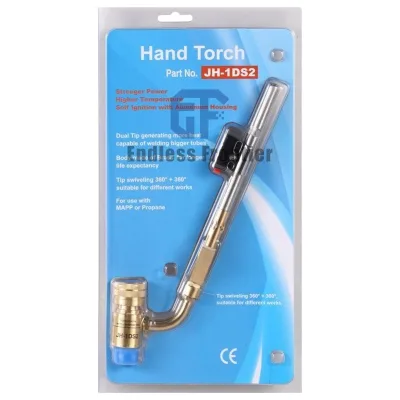
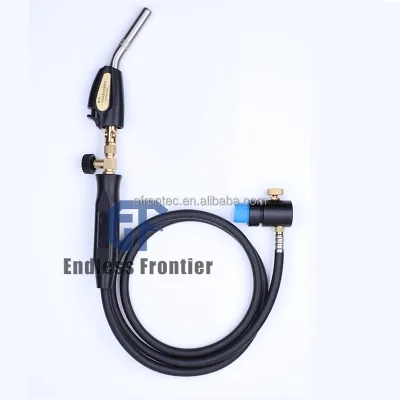
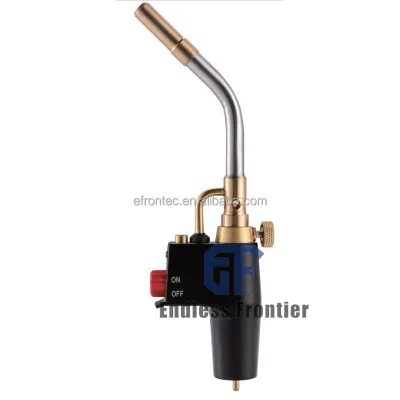
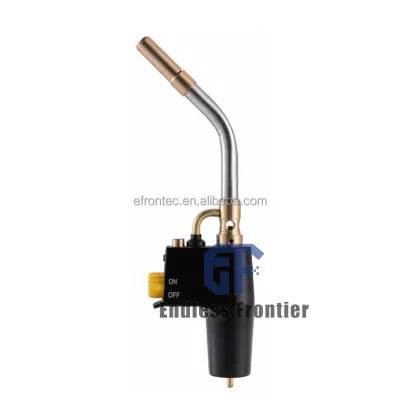


99.99% Pure Mapp Gas Cylinder, Welding Gun Mapp Gas for Welding and Brazing
$1.90 - $3.00
MOQ: 1200 Pieces

China Manufacturer Supply 16oz Welding Soldering Gas Mapp Gas with Brazing Torch
$1.90 - $3.00
MOQ: 1200 Pieces


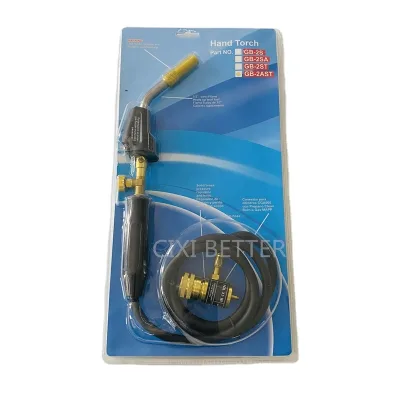


16oz 453.6g Mapp Gas in CE Certified Cylinder for Welding Brazing and Soldering
$3.95 - $4.10
MOQ: 7000 Pieces


16oz 453.6g Mapp/PRO in CE Certified Cylinder for Welding Brazing and Soldering
$3.95 - $4.10
MOQ: 7000 Pieces
Comprehensive Sourcing Guide
Strategic Sourcing Guide for Welding, Brazing, and MAPP Gas Solutions
Understanding the Core Product Landscape and Technical Composition
When sourcing solutions for welding and brazing operations, particularly those involving MAPP gas, buyers must first distinguish between the fuel gas itself and the equipment designed to utilize it. The supplied data indicates a clear bifurcation in the product catalog. On one side, there are consumable fuel products characterized as a mixture of methylacetylene and propadiene. These are classified under alkynes and are specifically noted as alicyclic hydrocarbons with a cyclic structure. The chemical properties define this substance as an inflammable gas, carrying a hazardous class of 2.1 and a UN number of 1060. The purity for these gas products is observed at 99.99%, with an ODP (Ozone Depletion Potential) of 0, which is a critical factor for environmental compliance in modern manufacturing.
On the other side of the spectrum are the application tools, specifically welding torches. The technical attributes for these devices include a balanced pressure type mechanism, a straight torch head, and an ignition type that is manual. The material composition for these torches is identified as brass, a standard choice for durability and thermal conductivity in high-heat applications. The physical dimensions vary, with specific models showing a length of 580mm and a diameter of 8mm. The maximum welding thickness capability for these tools is listed between 10 and 15mm, indicating their suitability for medium-duty fabrication tasks rather than heavy industrial structural welding. The combustible gases these torches are designed to handle include acetylene, hydrogen, propane, natural gas, and LPG, suggesting a degree of versatility in fuel compatibility, though the primary focus for this guide remains on the methylacetylene-propadiene mixture known as MAPP gas.
Regulatory Compliance and Certification Verification
Navigating the regulatory landscape is paramount when importing industrial gas and equipment. The provided facts highlight specific certifications associated with the products, namely CE and GS. These marks are not merely marketing labels but indicate adherence to specific safety and quality standards within the European and German markets, respectively. For a buyer, the presence of these certifications suggests that the manufacturer has undergone third-party evaluation for electrical safety and mechanical integrity. However, the data also notes that video outgoing inspection is not available, which implies that buyers must rely on the provided machinery test reports and certification documents rather than real-time visual verification of the production line.
The hazardous classification of the gas as Class 2.1 requires strict adherence to transportation and storage regulations. The UN number 1060 is the specific identifier for methylacetylene-propadiene mixtures, and any logistics partner must be aware of this classification to ensure compliant shipping. Furthermore, the product origin is listed as China, specifically from the Shandong province. Buyers must verify that the CE and GS certifications are current and applicable to the specific batch being imported, as regulatory requirements can vary by destination country. The industrial grade standard is the baseline quality level, but for critical applications, buyers should request documentation proving that the 99.99% purity claim is maintained through the supply chain, as contamination can significantly alter flame temperature and safety profiles.
Cost Drivers and Pricing Structure Analysis
The economic landscape for sourcing welding and MAPP gas solutions is influenced by several distinct factors. The observed price range in the market spans from $0.77 to $23.60 USD. This wide variance is likely attributable to the difference between the fuel gas cylinders and the welding torch equipment, as well as variations in packaging and volume. The minimum order quantity (MOQ) ranges from 100 to 7,000 units, indicating that suppliers cater to both small-scale workshops and large industrial distributors.
For the gas product, the cost is heavily driven by the purity level and the packaging type. The data specifies a disposable steel cylinder with a standard weight of 16oz (453.6g). The high purity of 99.99% is a premium attribute that will command a higher price point compared to lower-grade industrial gases. Conversely, the welding torches, such as the JH-1 and JH-1S models, are sold in paper boxes or cartons, with a single package size of 52x35x37 cm and a gross weight of 22.000 kg. The cost of these tools is influenced by the material (brass), the customization options available (OEM, ODM, OBM), and the brand name (JH). Buyers should note that the warranty periods vary, with some products offering 1 year and others 3 years, which is a significant factor in the total cost of ownership. The ability to customize the product, including branding and specific technical specifications, will also add to the unit cost but may reduce long-term operational expenses by improving efficiency.
Typical Applications and Operational Scope
The operational scope of MAPP gas and the associated welding torches is defined by their specific chemical and mechanical properties. The primary application listed is "welding working," with a specific focus on hand-held operations. The torches are designed with a single flame configuration, which is ideal for precise heating, brazing, and light welding tasks. The maximum welding thickness of 10-15mm suggests that these tools are best suited for sheet metal work, pipe fitting, and general fabrication where extreme heat input is not required.
The compatibility of the torches with various combustible gases, including acetylene, hydrogen, propane, and LPG, offers flexibility in scenarios where MAPP gas might be unavailable or too expensive. However, the specific mention of the methylacetylene-propadiene mixture highlights the unique advantages of MAPP gas, such as a higher flame temperature compared to propane and a safer handling profile compared to acetylene. The "Hand" application attribute confirms that these are portable solutions, often used in field repairs, HVAC maintenance, and automotive work. The "Portable" size specification further reinforces their utility in mobile environments where heavy, stationary equipment is impractical. Buyers should ensure that the specific torch model selected matches the intended thickness of the material to be welded, as exceeding the 10-15mm limit could result in incomplete fusion or equipment damage.
Supplier Evaluation and Customization Capabilities
Evaluating a supplier for welding and gas products requires a deep dive into their manufacturing capabilities and flexibility. The data confirms that customization is available, with support for OEM (Original Equipment Manufacturer), ODM (Original Design Manufacturer), and OBM (Original Brand Manufacturer) services. This indicates that suppliers are willing to adapt the product to the buyer's specific branding and technical requirements. The brand name "JH" is associated with these products, and the model numbers JH-1 and JH-1S suggest a range of options within the supplier's portfolio.
When assessing a supplier, buyers should verify the "machinery test report" which is listed as provided. This document is crucial for validating the performance claims of the welding torches, such as the maximum amperage of 40A and the acceptable voltage range of AC 220V. The absence of video outgoing inspection means that the test report becomes the primary evidence of quality control. Buyers should also consider the warranty terms, which range from 1 to 3 years, as an indicator of the supplier's confidence in their product durability. The location in Shandong, China, is a known industrial hub, but buyers should verify the specific factory's capacity to meet the observed MOQ ranges of 100 to 7,000 units. The ability to produce in "Paper Box" or "Carton" packaging, with a package count of 25pcs, suggests a robust logistics infrastructure capable of handling bulk shipments.
Quality Control and Long-Term Procurement Considerations
Ensuring consistent quality in the procurement of hazardous gases and precision tools requires a rigorous quality control strategy. The "Industrial Grade" standard is the baseline, but for critical applications, buyers must demand proof of the 99.99% purity and the 0 ODP rating. The hazardous class 2.1 status necessitates that the packaging, identified as disposable steel cylinders, meets international safety standards for pressurized gases. Any deviation in the cylinder integrity could lead to catastrophic failure, making the verification of the UN number 1060 compliance essential.
For the welding torches, the brass material and the balanced pressure type mechanism are key quality indicators. Buyers should inspect the single gross weight of 22.000 kg for the packaged units to ensure that the contents match the specifications. The warranty period is a critical long-term consideration; a 3-year warranty on a torch implies a higher quality of construction compared to a 1-year warranty. However, buyers must understand that warranties often cover manufacturing defects and not wear and tear, so the expected lifespan of the brass components under heavy use should be factored into the procurement plan. The "video outgoing inspection" being unavailable suggests that buyers should implement their own third-party inspection protocols before the goods leave the supplier's facility in Shandong.
| Feature | Gas Product (MAPP) | Welding Torch (JH-1/JH-1S) |
|---|---|---|
| Classification | Alkynes / Mixture | Balanced Pressure Type |
| Purity | 99.99% | N/A (Material: Brass) |
| Hazardous Class | 2.1 | N/A |
| Packaging | Disposable Steel Cylinder | Paper Box / Carton |
| Standard | Industrial Grade | Industrial Grade |
| Warranty | N/A | 1 Year / 3 Years |
| Origin | China (Shandong) | China (Shandong) |
| Certification | CE, GS | CE, GS |
Final Procurement Strategy and Risk Mitigation
The final step in the procurement process involves synthesizing the technical, regulatory, and economic data to make an informed decision. Buyers should prioritize suppliers who can provide comprehensive machinery test reports and valid CE/GS certifications. The wide price range and MOQ flexibility allow for strategic sourcing based on immediate needs versus long-term inventory planning. For the gas, the focus should be on purity and safe transport, while for the torches, the focus should be on material quality and warranty coverage.
Risk mitigation involves verifying the specific batch certifications and ensuring that the packaging meets the requirements for hazardous materials transport. The customization options provide an opportunity to align the product with specific brand identities, but buyers must ensure that these customizations do not compromise the safety standards. The "Hand" application and "Portable" nature of the tools make them ideal for distributed workforces, but the lack of video inspection requires a robust pre-shipment inspection protocol. By adhering to the observed specifications and verifying the provided documentation, buyers can secure a reliable supply chain for welding and brazing operations that balances cost, quality, and safety. The data confirms that while the products are sourced from a specific region, the technical attributes and certifications are sufficient to support a wide range of industrial applications when managed with due diligence.
FAQs
What is the purity level of the MAPP gas mixture?
The MAPP gas mixture maintains a purity level of 99.99 percent. This high-grade industrial standard ensures optimal flame performance while carrying a hazardous class of 2.1 for safe transport handling.
Which certifications are available for these welding torches?
The welding torches carry CE and GS certifications for safety compliance. These marks indicate adherence to European and German standards, though video outgoing inspection is not available for real-time verification.
Can the torches handle multiple types of combustible gases?
Yes, the torches are designed to handle acetylene, hydrogen, propane, natural gas, and LPG. This versatility allows users to switch fuels depending on availability while maintaining a single flame configuration.
What is the maximum welding thickness these tools support?
These balanced pressure type torches support a maximum welding thickness of 10 to 15 millimeters. This specification makes them suitable for medium-duty fabrication tasks rather than heavy structural welding applications.
How is the gas product packaged for shipping?
The gas is supplied in disposable steel cylinders with a standard weight of 16 ounces. The packaging is designed for portability and safety, meeting the requirements for hazardous class 2.1 materials.
Which customization options are available for the torch models?
Customization is available with support for OEM, ODM, and OBM services. Buyers can request specific branding or technical modifications while the manufacturer maintains the industrial grade standard and brass material composition.
What warranty periods are offered for the welding equipment?
Warranty periods vary between one year and three years depending on the specific product model. These terms cover manufacturing defects, but buyers should verify the specific coverage for their selected JH brand torch.