Source Wine Bottle Net for Packaging, Transport, and Storage
Compare 24 Wine Bottle Net options from Chinese manufacturers offering PE, LDPE, and PP materials. Buyers can select from various mesh sizes, widths, and customization services for protecting wine bottles during transport and storage.
Key considerations
Products List

Flexible Wine Bottle Net Wine Bottle Protective Net Bottle Protective Net
$0.02 - $0.03
MOQ: 10000 Pieces

Flexible Wine Bottle Net Plastic Mesh Bottle Guard Wine Bottle Protective Net
$0.02 - $0.03
MOQ: 10000 Pieces


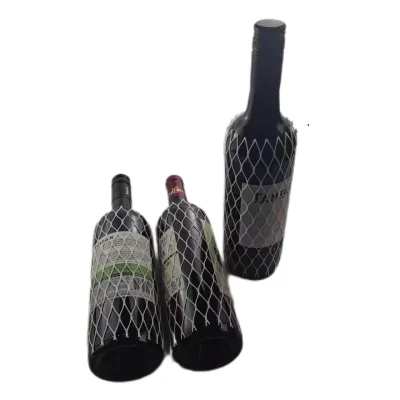
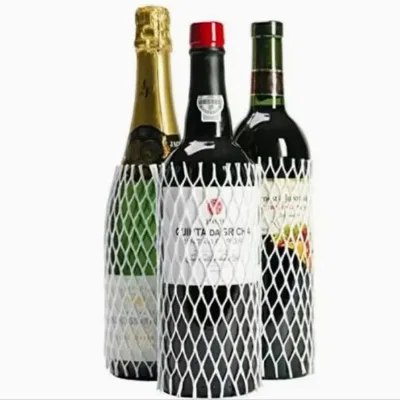


Wine Bottle Protective Netting Sleeve High Flexibility 18 Meshes in a Loop
$0.03 - $0.03
MOQ: 50000 Pieces


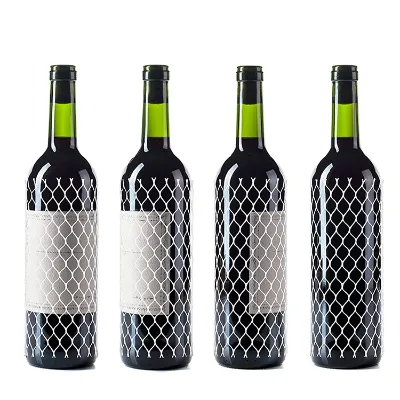
Comprehensive Sourcing Guide
Strategic Sourcing Guide for Wine Bottle Protective Netting
Understanding Product Specifications and Material Variations
When sourcing wine bottle protective netting, buyers must first navigate a complex landscape of material compositions and dimensional specifications that vary significantly across the market. The core product, often identified as a bottle sleeve net or shockproof wine bottle protective netting, is primarily manufactured from polyethylene (PE), low-density polyethylene (LDPE), or polypropylene (PP). The specific material choice directly influences the net's elasticity, tensile strength, and suitability for different bottle shapes. For instance, some listings explicitly identify the material as PE, while others specify LDPE or PP, indicating that the extrusion process and polymer blend are critical differentiators.
Dimensional consistency is equally vital for procurement success. The physical attributes of these nets are not uniform; buyers will encounter a wide range of mesh sizes and wire diameters. Observed specifications include mesh sizes ranging from 5 mm × 5 mm to larger configurations like 15 mm × 15 mm. The wire diameter, which dictates the structural integrity of the net, varies between 0.6 mm and 1.5 mm. Furthermore, the width of the netting is a frequent point of variation, with standard offerings spanning from 1 cm to 10 cm, and specific product models adhering to narrower bands such as 1-8 cm or 2-8 cm. Length specifications are often customizable, with standard lengths observed at 20 cm or 21 cm, though "as requested" options are common for tailored packaging solutions.
The manufacturing process also plays a pivotal role in the final product quality. Most high-quality protective nets are produced through extrusion and stretching techniques, which align the polymer chains to enhance durability. Some products are further processed through cutting services to meet specific length requirements. Buyers should verify that the manufacturing process aligns with their quality expectations, as extruded nets generally offer superior uniformity compared to woven alternatives. The GSM (grams per square meter) is another critical metric, with observed values ranging from lightweight 8 GSM options to heavier 20-30 GSM variants, directly impacting the net's protective capacity and cost.
Compliance, Certification, and Origin Verification
In the B2B procurement of packaging materials, verifying the origin and compliance status of the supplier is a fundamental step. The supplied data indicates that these products originate from specific manufacturing hubs in China, with Wuhan and Jiangsu provinces cited as primary locations of origin. While the data confirms the geographic source, it does not provide specific certification statuses, such as ISO 9001 or FDA compliance, for every listed product. Therefore, buyers must treat origin claims as observations and actively verify the supplier's ability to meet destination market regulations.
Compliance checks should extend beyond the product itself to the packaging and labeling standards. The product is often packed in boxes, rolls, or individual pieces, with single package sizes varying significantly, such as 43 cm × 43 cm × 41 cm for certain configurations. Buyers must ensure that the packaging method complies with international shipping standards to prevent damage during transit. Additionally, the "prod_standard" field in some listings references specific dimensions like 21 cm, but this should be interpreted as a product-specific standard rather than a universal industry regulation.
When evaluating suppliers, buyers should request documentation regarding the materials used, particularly if the end product (wine bottles) is intended for export to regions with strict food-contact regulations. Although the product is a protective net and not a direct food contact surface, the materials (PE, LDPE, PP) must be free from harmful contaminants. Buyers should verify that the supplier can provide material safety data sheets (MSDS) or equivalent documentation confirming the purity of the polymers. The absence of explicit certification data in the initial product listing necessitates a proactive approach where the buyer requests proof of compliance from the supplier before finalizing any order.
Cost Drivers and Pricing Dynamics
The pricing structure for wine bottle protective nets is influenced by a multitude of factors, including material costs, order volume, and customization requirements. The observed price range in the market is extensive, spanning from $0.01 to $3,300, which reflects the diversity of product types, from single-piece samples to bulk industrial orders. This wide variance underscores the importance of understanding the cost drivers specific to a buyer's needs.
Material composition is a primary cost driver. Networks made from LDPE or PP may carry different price points compared to those made from standard PE, depending on current global commodity prices. The GSM weight is another significant factor; heavier nets with a GSM of 20-30g/meter will inherently cost more than lighter 8 GSM variants due to the increased material usage. Furthermore, the complexity of the manufacturing process, such as the need for specific stretching or cutting services, can add to the production cost.
Order volume, represented by the Minimum Order Quantity (MOQ), is a critical determinant of unit pricing. The observed MOQ range is vast, extending from 1 unit to 100,000 units. Some suppliers list an MOQ of 5 kg, while others may require bulk purchases of 100,000 units to achieve the lowest per-unit cost. Buyers must balance their inventory needs with cash flow constraints, recognizing that smaller orders often incur higher per-unit costs. Customization is another variable; requests for specific colors (white, transparent, red, blue, black) or non-standard dimensions can increase production time and cost. The "Customization: Available" attribute suggests that tailored solutions are possible but likely come with a premium over standard stock items.
Typical Applications and Functional Requirements
The primary application of wine bottle protective netting is to safeguard glass bottles from damage during storage, handling, and transportation. The product is explicitly designed to protect wine bottles from impact, making it an essential component in the logistics chain for wineries and beverage distributors. The functional requirement is to absorb shock and prevent breakage, which is critical given the fragility of glass containers.
Beyond standard wine protection, these nets are versatile and can be adapted for various packaging scenarios. The "Multi-Color Shockproof Wine Bottle Protective Netting" designation suggests that these products are also used for branding and aesthetic purposes, allowing wineries to match the net color to their label or brand identity. The availability of colors such as white, transparent, red, blue, and black supports this marketing application.
The useful life of the product is another consideration for buyers. Some specifications indicate a useful life of up to 5 years, suggesting that the material is durable and resistant to degradation over time. This longevity is crucial for buyers who may store bottles for extended periods before distribution. The weight of the net, ranging from 6.3g per piece to 20-30g per meter, also influences its application; lighter nets may be preferred for single-bottle shipping, while heavier nets might be used for bulk palletizing.
Supplier Evaluation and Selection Criteria
Selecting the right supplier for wine bottle protective nets requires a rigorous evaluation process that goes beyond the initial product listing. Buyers should prioritize suppliers who demonstrate transparency in their manufacturing capabilities and supply chain logistics. The presence of specific details such as "Processing Service: Cutting" and "Manufacturing Process: Extruded" indicates a level of technical capability that buyers should verify through site audits or detailed questionnaires.
Key evaluation criteria include the supplier's ability to meet customization requests, their quality control processes, and their track record for on-time delivery. Since the "Customization: Available" attribute is common, buyers should assess the supplier's flexibility in handling non-standard orders. Additionally, the "Place of Origin" being Jiangsu or Wuhan, China, suggests a concentration of manufacturing expertise in these regions, but buyers should still verify the specific factory's capacity and reliability.
Buyers should also consider the supplier's packaging capabilities. The observed packing methods, including boxes, rolls, and individual pieces, indicate that different suppliers may have different strengths. A supplier that offers roll packing might be more suitable for high-volume automated packaging lines, while those offering box packing might be better for retail-ready shipments. The "Single gross weight" and "Single package size" data points should be used to calculate shipping costs and optimize container utilization.
Quality Control and Long-Term Procurement Considerations
Implementing a robust quality control (QC) strategy is essential for maintaining the integrity of the wine bottle protective net supply chain. Buyers should establish clear acceptance criteria based on the observed specifications, such as mesh size consistency, wire diameter tolerance, and color accuracy. The variation in mesh sizes (5 mm to 15 mm) and wire diameters (0.6 mm to 1.5 mm) means that QC protocols must be specific to the ordered product to ensure it meets the required protective standards.
Long-term procurement considerations involve building a sustainable relationship with suppliers who can consistently deliver high-quality products. The "Useful life: 5 years" attribute suggests that the product should maintain its properties over time, but buyers should verify this through real-world testing or third-party validation. Additionally, the "Keyword: bottle protective net" and "Product Name: bottle sleeve net" indicate that the market is competitive, and buyers should seek suppliers who offer value-added services such as design support or inventory management.
Buyers should also monitor market trends and material availability. Fluctuations in the price of raw materials like PE, LDPE, and PP can impact the cost of the final product. Establishing a long-term contract with a supplier can help mitigate these risks by locking in prices or securing supply. Finally, buyers should consider the environmental impact of the packaging, as sustainability is becoming an increasingly important factor in the beverage industry. While the supplied data does not explicitly mention recyclability, buyers should inquire about the recyclability of the PE, LDPE, or PP materials used in the nets.
Comparative Analysis of Product Attributes
To facilitate informed decision-making, the following table summarizes the key attributes observed in the wine bottle protective net market. This comparison highlights the variability in specifications and helps buyers identify the most suitable product for their specific needs.
| Attribute | Observed Range/Options | Key Considerations for Buyers |
|---|---|---|
| Material | PE, LDPE, PP | Verify material purity and suitability for food-contact environments. |
| Mesh Size | 5 mm × 5 mm to 15 mm × 15 mm | Smaller meshes offer tighter protection; larger meshes may be more breathable. |
| Wire Diameter | 0.6 mm to 1.5 mm | Thicker wires provide higher tensile strength but may reduce flexibility. |
| Width | 1 cm to 10 cm (specific: 1-8cm, 2-8cm) | Ensure width matches bottle circumference for optimal fit. |
| Length | 20 cm, 21 cm, or Custom | Standard lengths are common, but customization is available for unique bottles. |
| Color | White, Transparent, Red, Blue, Black | Color choice impacts branding and aesthetic appeal. |
| GSM | 8 GSM to 20-30 g/meter | Higher GSM indicates denser, more protective netting. |
| Packing | Box, Roll, Piece | Select packing method based on storage and automation requirements. |
| MOQ | 1 unit to 100,000 units (e.g., 5 kg) | Balance order volume with cost efficiency and storage capacity. |
| Origin | Wuhan, Jiangsu, China | Verify factory location and logistics capabilities for shipping. |
This table serves as a reference point for buyers to compare potential suppliers and ensure that the selected product aligns with their technical and operational requirements. By carefully evaluating these attributes, buyers can secure a reliable supply of wine bottle protective netting that meets their quality standards and business objectives.
FAQs
What materials are used for wine bottle protective nets?
These nets are primarily made from PE, LDPE, or PP polymers. The specific material choice influences elasticity and tensile strength, with options ranging from lightweight 8 GSM to heavier 20-30 GSM variants depending on the required protection level.
Which mesh sizes are available for bottle sleeve nets?
Standard mesh sizes include 5 mm by 5 mm, 10 mm by 10 mm, and 15 mm by 15 mm configurations. Buyers can also find wire diameters varying between 0.6 mm and 1.5 mm to suit different bottle protection needs.
Can I customize the width and length of the netting?
Yes, customization is available for width and length specifications. Standard widths range from 1 cm to 10 cm, while lengths are typically 20 cm or 21 cm but can be requested as specific custom dimensions for tailored packaging solutions.
How does the manufacturing process affect net quality?
Most high-quality nets are produced through extrusion and stretching techniques to enhance durability. Some products also undergo cutting services to meet specific length requirements, ensuring uniformity and structural integrity for wine bottle protection.
What is the typical useful life of these protective nets?
The useful life of the product can be up to 5 years, indicating strong resistance to degradation. This longevity ensures the nets remain effective for long-term storage and repeated handling during the logistics chain for wine bottles.
Where are these wine bottle nets manufactured?
Products originate from manufacturing hubs in China, specifically Wuhan and Jiangsu provinces. Buyers should verify the specific factory location and capacity to ensure reliable supply chain logistics and compliance with destination market regulations.