Source Wood Tenon Machine for Furniture, Doors, and Cabinetry
Compare 30 Wood Tenon Machine models from China. Evaluate specifications like spindle power, working dimensions, and automation levels to find the right equipment for your woodworking production needs. These machines support horizontal and vertical configurations with varying capacities to suit diverse manufacturing requirements.
Key considerations
Products List


Double End CNC Tenon Machine CNC Tenoner Wood Working Tenoner Machine
$30000.00 - $50000.00
MOQ: 1 Pieces

Horizontal CNC Tenon and Mortise Machine Mortising Machine Tenoning Machine
$1000.00 - $9000.00
MOQ: 1 Pieces


Woodworking CNC Tenon Mortising Machine Mortising Tenoner Made in China
$20000.00 - $30000.00
MOQ: 1 Pieces

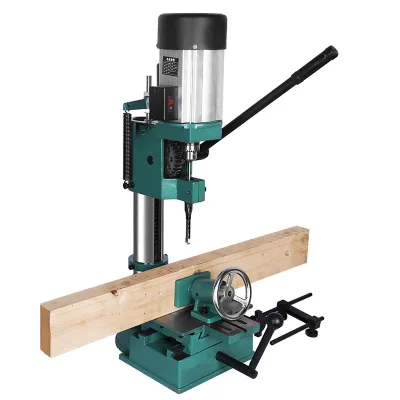


Woodworking Machinery Automatic Finger Tenoning Tenoner Tenon Machine
$3000.00 - $4000.00
MOQ: 1 Pieces

Double-End Tenon Equipment CNC Tenon and Mortise Machine Woodworking Tenon Machine
$18000.00 - $31000.00
MOQ: 1 Pieces

Double End Tenoning Machine Round End Mortise Machine Wood Tenon Machine
$18000.00 - $31000.00
MOQ: 1 Pieces


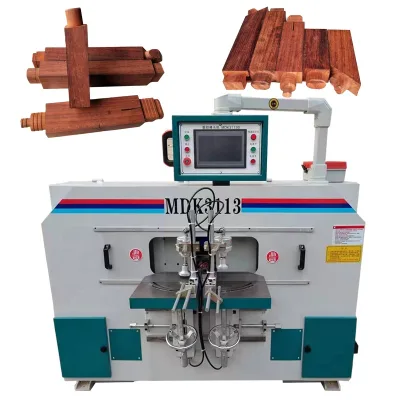

High Quality Woodworking Tenoning Mortise and Tenoner Moritse CNC Tenon Groove Machine
$8800.00 - $9000.00
MOQ: 1 Pieces

High Quality Horizontal Woodworking Tenoning Tenoner Single Head Tenon CNC Machine
$7300.00 - $7500.00
MOQ: 1 Pieces

Tenon Cutting for Solid Wood Woodworking CNC Tenoning Machine with Factory Price
$8800.00 - $9000.00
MOQ: 1 Pieces


Mortise and Tenoner Moritse Woodworking Tenoning CNC Tenon Machine with Factory Price
$8800.00 - $9000.00
MOQ: 1 Pieces


Wood Tenon Machine Wood Finger Joint Line Finger Joint Machine for Solid Wood
$38000.00 - $50000.00
MOQ: 1 Sets


Timber and Board Automatic Tenoning Machine
$124499.00 - $124500.00
MOQ: 1
Guangdong Shunde Jiufengheng Machinery Automation Equipment Co., Ltd

Comprehensive Sourcing Guide
Wood Tenon Machine Sourcing Guide
The Wood Tenon Machine market presents a diverse array of automated solutions designed for precision joinery in cabinetry and furniture manufacturing. Buyers must distinguish between horizontal and vertical configurations, as the observed listings reveal distinct structural approaches tailored to specific production workflows. Understanding these mechanical differences is the first step in aligning equipment capabilities with the intended volume and complexity of joinery tasks.
Procurement decisions should prioritize the specific working dimensions required for your production line, as observed models vary significantly in capacity. The available data indicates a wide range of working widths and thicknesses, from compact units handling 30mm workpieces to larger systems accommodating widths up to 2500mm. Selecting the correct machine architecture ensures that the equipment can process your standard stock sizes without requiring costly custom modifications or limiting production throughput.
Product Scope and Observed Listing Signals
Current market listings for wood tenon machines display a broad spectrum of automation levels, ranging from fully automatic systems to specialized manual or semi-automatic units. The observed product attributes confirm that high-end models feature dual spindle configurations with substantial power ratings, such as 5.5kw per spindle, which are essential for maintaining consistent cutting speeds during heavy-duty operations. Buyers should verify if the specific listing matches their need for full automation versus a more manual feeding process.
Listing signals also highlight significant variations in physical footprint and weight, which directly impact factory floor planning and logistics. Observed net weights range from approximately 850kg for compact sliding table units to over 5800kg for large industrial processing centers. These substantial differences in mass and overall dimensions, such as the 4300mm length found in larger models, necessitate careful verification of shipping requirements and foundation specifications before finalizing any purchase agreement.
Technical Specifications to Verify
Buyers must rigorously verify the maximum working dimensions to ensure the machine can handle the full range of stock sizes in their inventory. The observed specifications show working widths extending up to 2500mm and thicknesses ranging from 6mm to 85mm, but individual models may have narrower limits, such as a 120mm maximum width on specific horizontal units. Confirming these exact limits prevents the acquisition of equipment that cannot process your largest or thickest workpieces efficiently.
Power consumption and spindle speed are critical technical parameters that determine the machine's cutting efficiency and suitability for different wood densities. Listings indicate total power ratings varying from 9.2kw to 58.46kw, with spindle speeds reaching up to 8000r/Min for milling operations. It is essential to match these power and speed specifications to your specific material requirements, as insufficient power can lead to poor surface finishes or motor overload during continuous production cycles.
Compliance and Safety Documentation
Safety compliance is paramount when operating heavy machinery with high-speed rotating cutters and automated feeding mechanisms. Buyers should request detailed documentation confirming that the machine meets international safety standards for electrical systems, particularly regarding the 380V voltage requirements observed in many industrial models. Ensuring that the electrical components are certified for your local grid voltage and frequency is a non-negotiable step before installation.
Documentation regarding the mechanical safety features, such as emergency stops and guarding for the cutterheads and saw blades, must be thoroughly reviewed. The observed specifications include various saw diameters and spindle sizes, which require specific safety interlocks to prevent accidental contact during operation. Procurement teams should verify that the supplier provides a comprehensive safety manual and that the machine design includes all necessary protective covers for the 125mm to 300mm diameter saw components.
Cost Drivers and Commercial Terms
The total cost of ownership is heavily influenced by the machine's structural complexity and automation level, with fully automatic horizontal units commanding higher prices than vertical or manual alternatives. The observed price range spans from approximately $141 to over $124,000, reflecting the vast difference between basic tenoning tools and complete automated production lines. Buyers must align their budget with the specific automation features required to avoid overspending on unnecessary capabilities or underestimating the cost of essential functions.
Commercial terms regarding packaging and shipping are significant cost drivers given the substantial weight and dimensions of these industrial machines. Observed listings specify plywood case packaging for units weighing up to 5800kg, which requires specialized handling and freight arrangements. Procurement contracts should explicitly define who bears the cost of crating, loading, and international freight, as the 4300mm length of some models may exceed standard container dimensions and require specialized shipping solutions.
Supplier Qualification and Quality Control
Supplier qualification should focus on the manufacturer's origin and their track record in producing heavy industrial woodworking equipment. The observed data points to Shandong, China, as a primary manufacturing hub for these machines, indicating a concentration of specialized suppliers in this region. Buyers should verify the specific factory location and request references from other clients who have purchased similar models to ensure the supplier has a proven history of reliable production.
Quality control processes must be validated through on-site audits or detailed third-party inspection reports before shipment. Given the precision required for tenon dimensions, such as the 140x80mm maximum square tenon size observed, the supplier must demonstrate rigorous calibration and testing procedures. Buyers should insist on pre-shipment inspection reports that verify the accuracy of the sliding table dimensions and the alignment of the cutterheads to ensure the machine meets the specified tolerances.
Long-Term Procurement Checks
Long-term procurement success depends on the availability of spare parts and the technical support infrastructure provided by the supplier. The complex mechanical systems, including dual spindles and sliding tables, require regular maintenance and occasional part replacement to maintain optimal performance. Buyers should confirm the supplier's inventory of critical components like cutterheads, saw blades, and spindle bearings to minimize downtime during the machine's operational life.
Warranty terms and the availability of technical training are essential factors for sustaining production efficiency over the long term. The observed specifications include detailed dimensions and power ratings that require specialized knowledge for setup and troubleshooting. Procurement agreements should clearly outline the duration of the warranty, the scope of coverage for electrical and mechanical failures, and the supplier's commitment to providing on-site or remote technical assistance for operator training.
FAQs
What are the max working dimensions for the KMDK1330 model?
The KMDK1330 model supports a maximum working width of 120mm and a maximum thickness of 40mm. It handles lengths ranging from 290mm to 1960mm. This horizontal CNC machine features a 5.5kw*2 spindle power and operates on 380V voltage. Its net weight is 4200kg, making it suitable for stable, high-precision woodworking tasks in professional environments.
How much power does the KDET8825 Wood Tenon Machine consume?
The KDET8825 model requires a total power of 58.46kw to operate efficiently. It features a Miller spindle speed of 7500r/Min and a feeding speed between 5-25m/Min. The machine weighs 5800kg and measures 4300*4000*1950mm. This high-capacity unit is designed for heavy-duty processing with a working width of 250-2500mm.
Can the Kct3113b machine handle square tenons up to 140mm?
Yes, the Kct3113b machine can process a maximum square tenon size of 140X80mm. It supports a max tenon thickness of 60mm and a minimum of 8mm. The unit has an installed power of 5.8kw and a spindle speed of 8000r/Min. Weighing 850kgs, it offers compact dimensions of 1800X1120X1350mm for efficient workshop integration.
What is the net weight of the KFDT2018C model?
The KFDT2018C model has a net weight of 680kgs. It operates with a total power of 9.2kw and features a standard size of 1900*1650*1180mm. The machine accommodates workpiece widths from 30-120mm and thicknesses from 10-55mm. This lightweight design facilitates easier installation and movement within standard manufacturing facilities.
Are customization options available for these wood tenon machines?
Customization is available for these wood tenon machines to meet specific production requirements. Buyers can request modifications to suit unique workflow needs or specialized material processing. The machines originate from Shandong, China, and are packed in plywood cases for safe shipping. Contact suppliers directly to discuss tailored specifications and engineering adjustments for your facility.