Source Zinc Galvanized Self Drilling Screws for Industry, Railways, and Machinery
Compare 30 listings of Zinc Galvanized Self Drilling Screws from Chinese manufacturers. Buyers can evaluate grades, surface finishes, and delivery times for industrial, railway, and machinery applications.
Key considerations
Products List
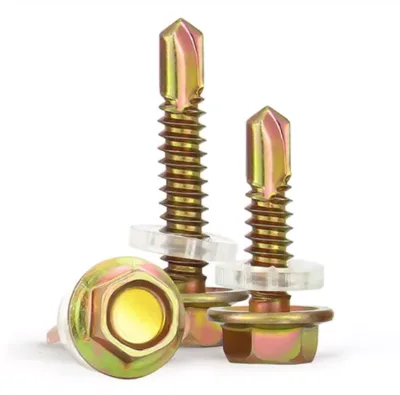


Various Specifications of Galvanized or Stainless Steel Self Drilling Screws
$0.04 - $0.05
MOQ: 10000 Pieces


Hardware Zinc Plated Phillips Flat Countersunk Head Self Drilling Screws
$0.01 - $0.02
MOQ: 1000 Pieces


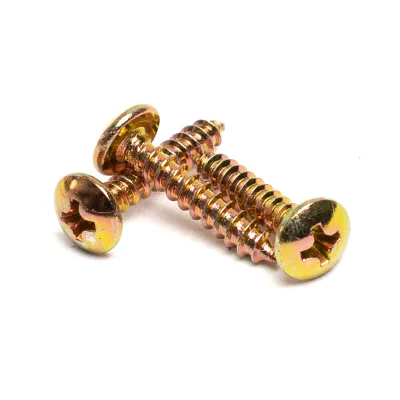
Zinc Coated Cross Head Bugle Screws - Carbon Steel Self-Drilling Design
$0.02 - $0.20
MOQ: 100000 Pieces


Comprehensive Sourcing Guide
Zinc Galvanized Self Drilling Screws Sourcing Guide
Sourcing zinc galvanized self-drilling screws requires a disciplined approach to balancing technical precision with commercial viability. These fasteners are engineered to drill, tap, and clamp materials in a single operation, making them indispensable in metal construction, HVAC ductwork, and steel framing applications. Buyers must navigate a complex landscape of material grades, head styles, and surface treatments to ensure the selected screws meet both structural integrity and corrosion resistance requirements. The following guide outlines the critical verification steps, compliance checks, and supplier evaluation criteria necessary for successful procurement.
Product Scope and Observed Listing Signals
The market for zinc galvanized self-drilling screws presents a wide variance in specifications, with observed price ranges extending from $0.01 to $1,600 USD and minimum order quantities (MOQs) spanning from 1 to 100,000 units. This broad spectrum indicates that buyers will encounter everything from small-batch custom orders to massive industrial bulk shipments. The presence of such diverse pricing and MOQs suggests that suppliers cater to different segments, from retail and small-scale manufacturing to large-scale railway and heavy machinery projects. Procurement teams must clearly define their volume requirements early to avoid being quoted for premium small-batch rates or facing excessive lead times associated with large-scale production runs.
Observed product attributes reveal a strong emphasis on customization and standardized metric systems. Many listings highlight the availability of custom shapes, head types, and packaging solutions, including cartons, pallets, and bulk bags. The core material composition frequently includes carbon steel, stainless steel, and high-strength steel, with surface finishes predominantly featuring zinc plating in white or yellow variants. Buyers should note that while "zinc galvanized" is the core keyword, specific surface treatments may also include nickel or brass plating depending on the supplier’s capabilities. Verifying the exact material grade, such as Class 8.8 or 4.8, is essential, as these designations directly impact the screw’s tensile strength and suitability for load-bearing applications.
Technical Specifications to Verify
Technical verification begins with confirming the screw’s dimensional accuracy and head geometry. Self-drilling screws are typically available in metric sizes (e.g., M4, M5, M6) and imperial equivalents (e.g., #8, #10), with diameter ranges commonly spanning 2mm to 12mm and lengths from 5mm to 200mm. The head shape is a critical selection factor, with hexagon heads and countersunk heads being the most prevalent options observed in the market. Buyers must ensure that the chosen head style aligns with their installation tools and aesthetic requirements, particularly for applications where flush mounting is necessary. Additionally, the thread type, often described as triangle lock screws, must be compatible with the base material to prevent stripping or inadequate clamping force.
Material grade and surface treatment are equally vital for performance assurance. High-strength steel grades, such as Class 8.8, are standard for demanding industrial applications, while lower grades like 4.8 may suffice for lighter duties. The zinc plating process, whether white or yellow, provides essential corrosion resistance, but buyers should verify the plating thickness and quality to ensure longevity in harsh environments. Some suppliers offer cold-rolled techniques for enhanced strength, while others may provide alternative finishes like nickel or brass plating for specialized needs. Confirming the standard compliance, such as DIN, ISO, GB, ANSI, or ASTM, ensures that the screws meet international quality benchmarks and are suitable for regulated industries like construction and manufacturing.
Compliance and Safety Documentation
Compliance with international standards is non-negotiable for industrial procurement. Buyers must request documentation that verifies adherence to recognized standards such as ISO, GS, RoHS, CE, AISI, and JIS. These certifications indicate that the manufacturer has undergone rigorous testing for quality, safety, and environmental impact. For instance, RoHS compliance ensures that the screws are free from hazardous substances, which is crucial for electronics and consumer goods manufacturing. CE marking is particularly important for products intended for the European market, signaling conformity with health, safety, and environmental protection standards. Procurement teams should treat these certifications as baseline requirements rather than optional extras.
In addition to product certifications, buyers should verify the supplier’s quality management systems and traceability protocols. Documentation should include material test reports, hardness tests, and salt spray test results to validate corrosion resistance claims. While specific test data may not always be publicly listed, reputable suppliers should be able to provide these documents upon request. Ensuring that the screws meet the specific standards required by the end-use industry, such as railway or machinery manufacturing, is critical for avoiding liability issues and ensuring long-term reliability. Buyers should also confirm that the supplier accepts custom drawings, allowing for tailored solutions that meet unique project specifications.
Cost Drivers and Commercial Terms
Several factors influence the final cost of zinc galvanized self-drilling screws, including material prices, surface treatment complexity, and order volume. Carbon steel is generally more cost-effective than stainless steel, but the latter offers superior corrosion resistance for specific environments. The choice of head style, thread type, and packaging method can also impact pricing, with custom configurations often incurring higher costs. Buyers should anticipate MOQs starting at 1 ton for many suppliers, with larger orders potentially securing better unit prices. Understanding these cost drivers allows procurement teams to negotiate more effectively and align their purchasing strategy with budget constraints.
Commercial terms, including delivery times and payment conditions, vary significantly among suppliers. Observed delivery windows range from 15 to 45 days, depending on the order size and customization requirements. Suppliers with higher production capacities, such as those claiming 50 to 10,000 tons per month, may offer more flexible lead times for large orders. Buyers should clarify packaging details, such as whether items are shipped in cartons, bags, or on wooden pallets, as this affects logistics and handling costs. Establishing clear terms for samples, including whether free samples are available for stock items, can also help in evaluating product quality before committing to large purchases.
Supplier Qualification and Quality Control
Supplier qualification is a critical step in mitigating procurement risks. Buyers should prioritize suppliers with established production facilities in key manufacturing regions, such as Hebei and Zhejiang in China, which are known for their robust fastener industries. Verifying the supplier’s production capacity and technical capabilities, such as cold-rolling techniques and surface finishing processes, ensures they can meet volume and quality demands. Suppliers that offer customization services and accept customer drawings demonstrate flexibility and a commitment to meeting specific project requirements. Engaging with suppliers who have a proven track record in industries like manufacturing, retail, and railways adds an additional layer of confidence in their reliability.
Quality control measures should be rigorously assessed before finalizing any contract. Buyers should inquire about the supplier’s internal inspection processes, including random sampling and full batch testing protocols. Requesting references or case studies from previous clients in similar industries can provide insights into the supplier’s consistency and problem-solving capabilities. Additionally, verifying the supplier’s ability to provide traceability for materials and production batches is essential for maintaining quality standards. Establishing a clear communication channel for addressing defects or discrepancies ensures that any issues can be resolved promptly, minimizing disruption to the supply chain.
Long-Term Procurement Checks
Long-term procurement success depends on continuous monitoring of supplier performance and market dynamics. Buyers should establish key performance indicators (KPIs) to track delivery reliability, product quality, and responsiveness to issues. Regular audits of the supplier’s quality control processes and compliance documentation help ensure ongoing adherence to standards. Maintaining a diversified supplier base can mitigate risks associated with single-source dependencies, allowing for greater flexibility in sourcing and negotiation. Periodic reviews of market prices and material costs enable buyers to adjust their strategies in response to economic fluctuations.
Building a strong relationship with suppliers through consistent communication and fair negotiation practices fosters mutual trust and long-term partnership. Buyers should remain open to exploring new technologies and materials that may offer improved performance or cost savings. Staying informed about changes in industry standards and regulations ensures that procurement practices remain compliant and competitive. By adopting a proactive approach to supplier management and quality assurance, buyers can secure a reliable supply of zinc galvanized self-drilling screws that meet their operational needs and support their business objectives.
FAQs
What certifications do the zinc galvanized screws have?
The screws hold ISO, GS, RoHS, and CE certifications. These standards ensure compliance with international safety and quality requirements for industrial and manufacturing applications.
How long is the delivery time for these screws?
Delivery typically takes between 15 to 45 days depending on order specifics. This timeframe accounts for production scheduling and logistics from the manufacturing facilities in China.
Can I request custom packaging for bulk orders?
Yes, customization is available for packaging requirements. Options include cartons, bags, or wooden pallets tailored to specific customer needs and shipping constraints.
What is the minimum order quantity for these screws?
The minimum order quantity starts at 1 ton. This threshold applies to standard orders and allows flexibility for various industrial procurement volumes.
Which head shapes are available for these screws?
Available head shapes include hexagon and countersunk designs. These options suit different fastening requirements across machinery, railways, and general manufacturing sectors.
What material grades are used for these screws?
Screws are manufactured in grades 4.8 and 8.8 using carbon steel or stainless steel. These grades provide varying levels of strength for diverse industrial applications.
Where are these screws manufactured and supplied from?
Products originate from provinces like Hebei and Zhejiang in China. The supply capacity reaches up to 10,000 tons per month to meet global demand.