Source Zinc Plated Agriculture Wheel for Car, Machinery, Marine
Find and compare 30 listings for Zinc Plated Agriculture Wheel with hardened tooth surfaces and bevel wheel shapes. Buyers can evaluate options for car, agricultural machinery, and marine applications with varying bore types and surface treatments like black oxide or zinc plating.
Key considerations
Products List


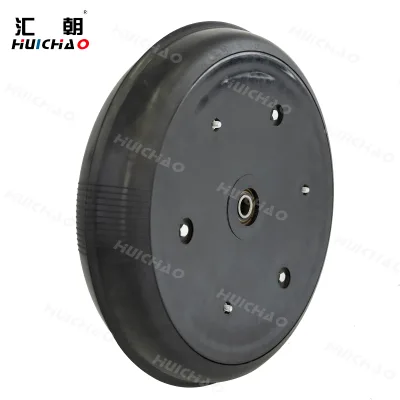
Rubber and Steel Material Press Wheel for Farm Industries Bearing and Part Type
$23.43 - $28.52
MOQ: 100 pieces


Comprehensive Sourcing Guide
Strategic Sourcing Guide for Zinc Plated Agriculture Wheels
Understanding Technical Specifications and Material Composition
When sourcing zinc-plated agriculture wheels, buyers must first distinguish between the specific mechanical requirements of agricultural machinery and the general automotive or industrial wheel categories often found in mixed catalogs. The core keyword implies a component designed for durability in harsh, outdoor environments where soil, moisture, and chemical exposure are constant. Based on available product data, the material composition for these components is predominantly steel, which provides the necessary structural integrity for heavy loads. However, it is critical to note that some listings in the broader wheel category specify nylon as a material, which serves a different application, such as light-duty cultivators or specific non-metallic components. For a standard zinc-plated agriculture wheel, the steel construction is the primary expectation.
The manufacturing method for these steel components is often identified as cast gear or cast wheel production. This process influences the grain structure and final hardness of the product. The observed data indicates a "Hardened Tooth Surface" for gear-related components, suggesting that if the wheel assembly includes integrated gear mechanisms or sprockets, the surface treatment is critical for wear resistance. The toothed portion shape is frequently described as a bevel wheel, which is a specific geometric configuration used in power transmission. While a standard rim wheel may not have teeth, the presence of bevel gear attributes in the data suggests that some suppliers offer complex wheel assemblies that integrate transmission elements. Buyers must verify if the specific agricultural application requires a simple rolling rim or a complex gear-integrated wheel.
The surface treatment is the defining feature of the "zinc plated" requirement. The observed data lists "Zinc Plated" alongside "Black Oxide" as available surface treatments. Zinc plating is essential for agriculture because it offers superior corrosion resistance compared to untreated steel or black oxide finishes alone. The color of the finished product is typically described as "Nature Steel" or "Black," depending on the thickness and type of the plating and any subsequent painting or coating. The bore configuration is another technical variable; options include "Finished Bore" and "Precossing Bore" (likely referring to pre-processing or unfinished bores). The buyer must confirm the exact bore dimensions to ensure compatibility with the axle of the specific agricultural machine, as the wheel hub diameter in the observed data ranges from under 16 inches to 16-20 inches, indicating a wide variety of sizes.
Compliance, Certification, and Standard Verification
Navigating the compliance landscape for agricultural machinery components requires a clear understanding of the standards and certifications that validate product quality. The supplied data explicitly lists several international standards, including ANSI, DIN, and ISO. These standards govern the dimensional tolerances, material properties, and performance criteria of the wheels. When evaluating a supplier, the buyer should request documentation proving that the specific zinc-plated wheels conform to these standards. For instance, a wheel claimed to meet DIN standards must adhere to the specific German industrial norms for wheel dimensions and load ratings.
Certification status is a critical factor in procurement. The data mentions "DOT" (Department of Transportation) and "ISO" certifications. While DOT certification is typically associated with road-legal vehicles, its presence in the data suggests that some of these wheels may be intended for agricultural vehicles that operate on public roads or require specific safety compliance. The ISO certification, likely referring to ISO 9001 for quality management, is a strong indicator of a supplier's commitment to consistent manufacturing processes. However, buyers should be cautious not to assume that every listed product automatically possesses these certifications. The data indicates that certification status varies by product listing, and the buyer must verify the specific certification for the item being purchased.
The "machinery test report" is another vital document to request. The observed data confirms that such reports are provided for certain products. This report serves as empirical evidence of the wheel's performance under stress, verifying that the zinc plating adheres correctly and that the steel core meets the required hardness. Without a test report, the buyer is relying solely on the supplier's word regarding the product's durability. Additionally, the "warranty" period is listed as 1 year in the provided data. This warranty serves as a risk mitigation tool, offering the buyer recourse if the zinc plating fails prematurely or if the wheel structure cracks under normal agricultural use.
Cost Drivers and Pricing Dynamics
The pricing for zinc-plated agriculture wheels is influenced by a complex interplay of material costs, manufacturing complexity, and order volume. The observed price range in the market is vast, spanning from $1.20 to $1,500 USD. This extreme variance indicates that the keyword covers a broad spectrum of products, from small, lightweight components to large, heavy-duty wheel assemblies for tractors or large loaders. A wheel priced at the lower end of the spectrum likely represents a smaller, simpler component, possibly with a thinner plating layer or a smaller diameter. Conversely, the higher price points correspond to larger wheels, such as the 16-inch or 20-inch models, which require more raw steel and more extensive surface treatment processes.
The Minimum Order Quantity (MOQ) is a significant cost driver. The data shows an MOQ range from 1 to 500 pieces, with a specific listing noting an MOQ of 100 pieces. For small-scale farms or repair shops, an MOQ of 100 or 500 may be prohibitive, forcing them to pay a higher unit price or seek out suppliers with lower thresholds. Conversely, large agricultural equipment manufacturers or distributors can leverage high-volume orders to negotiate better pricing. The "One stop" service mentioned in the data suggests that some suppliers offer bundled purchasing options, which can reduce overall logistics costs but may require meeting a higher aggregate MOQ.
Packaging also impacts the final landed cost. The observed data lists "Wooden Box," "Pallet," and "Carton or Pallets" as packing methods. Wooden boxes are generally more expensive and heavier than cartons, increasing shipping costs, but they offer superior protection for heavy, high-value wheels. For zinc-plated wheels, which are susceptible to scratching and plating damage during transit, robust packaging is essential. The choice of packaging should be factored into the total cost of ownership, especially for international shipments where freight charges are calculated by weight and volume.
Typical Applications and Usage Scenarios
The versatility of zinc-plated agriculture wheels is evident in the diverse applications listed in the product data. The primary use cases include "Car," "Agricultural Machinery," "Marine," "Machinery," and "Motor." For the specific context of agriculture, the data highlights "Cultivators" and "Loader" as key applications. A wheel designed for a cultivator must be robust enough to handle the vibration and impact of tilling operations while resisting corrosion from soil moisture. Similarly, wheels for loaders must support significant static and dynamic loads, often in muddy or wet conditions.
The drive wheel configuration is another application-specific detail. The data mentions "RWD" (Rear Wheel Drive), indicating that these wheels are often part of a drive system rather than just a support wheel. This distinction is crucial for buyers sourcing wheels for tractors or self-propelled agricultural equipment, as the wheel must be capable of transmitting torque without slipping or failing. The "Equipped with Tyre" attribute, with a specific size of 405/70-20, suggests that some listings include the tire as part of the assembly. This is a significant consideration, as the buyer must ensure the tire size matches the wheel rim and the specific agricultural vehicle's requirements.
The "Spoke Type" is listed as "Equal Diameter Spoke," which is a common design for steel wheels used in heavy machinery. This design provides uniform strength distribution around the wheel hub. The wheel hub diameter specifications, ranging from less than 16 inches to 16-20 inches, further define the application. Smaller diameters are typical for lighter implements, while larger diameters are required for heavy tractors or large loaders. The "Size" attribute also includes specific dimensions like "16 Inch" and "15 Inch," which correspond to standard rim sizes. Buyers must match these dimensions precisely to their equipment to ensure proper fitment and safety.
Supplier Evaluation and Sourcing Strategy
Evaluating suppliers for zinc-plated agriculture wheels requires a rigorous approach that goes beyond simple price comparison. The origin of the products is a key factor, with "Hebei" and "China" frequently cited as the places of origin. Hebei is a major industrial hub in China known for its manufacturing capabilities in steel and machinery components. While this indicates a strong supply base, buyers should verify the specific factory's capabilities and reputation. The "brand name" "HUICHAO" is mentioned in the data, serving as an example of a specific manufacturer, but buyers should not limit their search to this single brand. Instead, they should look for suppliers with a proven track record in the agricultural sector.
The "Service" attribute, described as "One stop," suggests that some suppliers offer comprehensive solutions, including design, manufacturing, and logistics. This can be advantageous for buyers looking to streamline their procurement process. However, the "After Warranty Service" being listed as "Service" is a generic term that requires clarification. Buyers should ask specific questions about the nature of the after-sales support, such as the availability of replacement parts, technical assistance, and the process for handling warranty claims. The "Quality" attribute is described as "Excellent," but this is a subjective claim. Buyers must rely on objective evidence, such as the machinery test reports and certification documents, to validate the quality of the product.
When comparing suppliers, the "MOQ" and "Lead Time" (though not explicitly quantified in the data, implied by the production context) are critical decision factors. A supplier with a low MOQ but high lead time may not be suitable for urgent repair needs, while a supplier with a high MOQ but fast lead time might be better for bulk inventory planning. The "Product Name" and "prod_model" (e.g., 4M20T, 16X10LB, 15X10LB) provide specific identifiers that buyers can use to cross-reference specifications across different suppliers. Ensuring that the model numbers match the exact requirements of the agricultural machinery is essential to avoid compatibility issues.
Quality Control and Long-Term Procurement Considerations
Quality control is paramount when sourcing zinc-plated agriculture wheels, as the failure of a wheel in the field can lead to significant downtime and safety hazards. The "Hardened Tooth Surface" and "Zinc Plated" attributes indicate that the surface integrity is a primary quality concern. Buyers should verify the thickness of the zinc plating, as this directly correlates to the corrosion resistance of the wheel. The "Black Oxide" option mentioned in the data is an alternative finish, but for agricultural applications, zinc plating is generally preferred for its superior protection against rust. The "Color" of the wheel, whether "Nature Steel" or "Black," can also be an indicator of the quality of the finish; a uniform color suggests a consistent plating process.
The "Warranty" period of 1 year is a baseline expectation. However, for long-term procurement, buyers should consider the total cost of ownership, which includes maintenance, replacement frequency, and potential downtime costs. A wheel with a higher initial cost but a longer lifespan and better warranty coverage may be more economical in the long run. The "machinery test report" is a crucial tool for quality assurance, providing data on the wheel's performance under stress. Buyers should request these reports for every batch of products to ensure consistency.
Long-term procurement also involves building a relationship with a reliable supplier. The "One stop" service and "After Warranty Service" attributes suggest that some suppliers are willing to engage in long-term partnerships. Buyers should look for suppliers who offer ongoing support, such as technical training and timely delivery of replacement parts. The "prod_packing" method, whether "Wooden Box" or "Pallet," should be evaluated for its ability to protect the product during long-term storage and shipping. Proper packaging ensures that the zinc plating remains intact until the wheel is installed, preserving its quality and extending its service life.
Comparative Analysis of Product Attributes
To facilitate a clearer understanding of the diverse options available in the market, the following table summarizes the key attributes observed in the product data. This comparison highlights the variations in specifications, materials, and certifications that buyers must navigate.
| Attribute Category | Specific Observation | Relevance to Agriculture |
|---|---|---|
| Material | Steel, Nylon | Steel is standard for heavy loads; Nylon for light-duty cultivators. |
| Surface Treatment | Zinc Plated, Black Oxide | Zinc Plated is critical for corrosion resistance in wet/muddy conditions. |
| Standard | ANSI, DIN, ISO | Ensures dimensional accuracy and safety compliance. |
| Certification | DOT, ISO | Validates safety and quality management systems. |
| Application | Car, Agricultural Machinery, Loader, Cultivator | Defines the specific use case and load requirements. |
| Size/Dimension | 14-20 Inch, 16X10LB, 15X10LB | Must match the axle and tire specifications of the machinery. |
| MOQ | 1-500 Pcs | Influences unit cost and inventory strategy. |
| Warranty | 1 Year | Provides protection against premature failure. |
| Origin | Hebei, China | Indicates the manufacturing region and potential supply chain dynamics. |
This table serves as a reference point for buyers to quickly assess the critical differences between various product listings. It underscores the importance of verifying each attribute against the specific needs of the agricultural operation. By carefully evaluating these factors, buyers can make informed decisions that balance cost, quality, and performance, ensuring the reliable operation of their agricultural machinery.
FAQs
What materials are used for zinc plated agriculture wheels?
The primary material is steel, which provides structural integrity for heavy loads. Some listings also specify nylon for light-duty cultivators or specific non-metallic components, but steel is the standard for durable agricultural applications.
Which certifications are available for these wheel products?
Available certifications include DOT and ISO, which validate safety and quality management. Buyers must verify the specific certification for each item, as status varies by product listing and not every item automatically possesses these credentials.
How does the minimum order quantity affect purchasing?
The MOQ ranges from 1 to 500 pieces, with some specific listings requiring 100 pieces. Lower thresholds suit small farms, while high-volume orders allow manufacturers to negotiate better pricing and leverage bulk purchasing advantages.
What surface treatments protect the wheels from corrosion?
Zinc plating is the defining treatment for corrosion resistance in harsh environments. Options also include black oxide, and the finished color is typically nature steel or black depending on the plating thickness and subsequent coating processes.
Where are these wheels manufactured and what are the origins?
The products originate from Hebei, China, a major industrial hub for steel and machinery components. Buyers should verify the specific factory capabilities and reputation within this region to ensure consistent manufacturing quality and reliability.
Can these wheels be customized for specific machinery needs?
Customization is available to meet specific mechanical requirements and dimensional tolerances. Buyers should confirm bore configurations, such as finished or pre-processing bores, to ensure compatibility with the axle of their specific agricultural machine.