Source Zinc Plated Fire Water Gun for Firefighting, Rescue, and Protection
Find and compare 30 Zinc Plated Fire Water Gun options for firefighting, rescue, and protection. Evaluate specifications like pressure range, reach, and nozzle patterns to select the right tool for industrial and emergency applications.
Key considerations
Products List


$1.00 - $70.00
MOQ: 50 Pieces


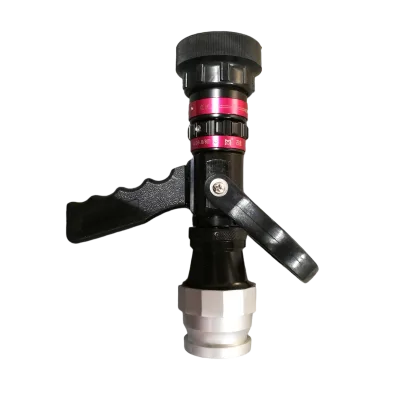
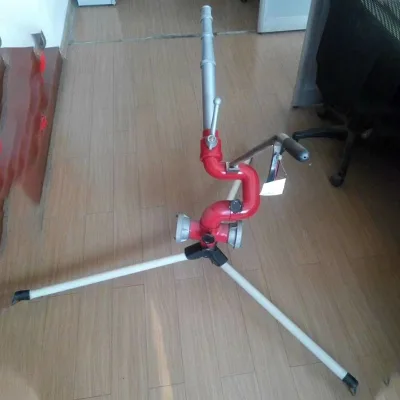
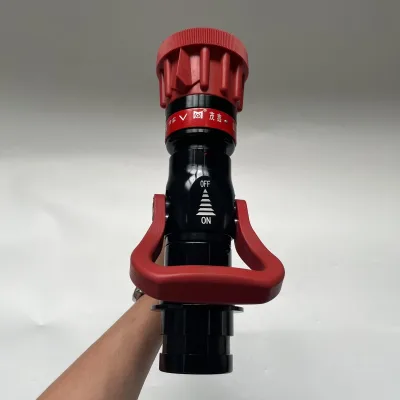
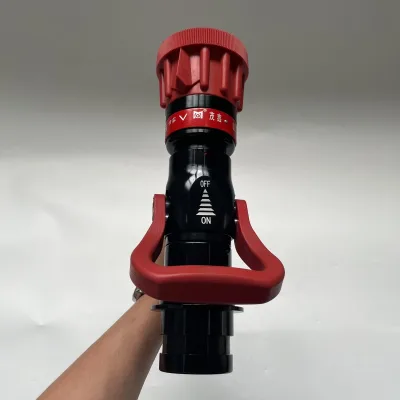
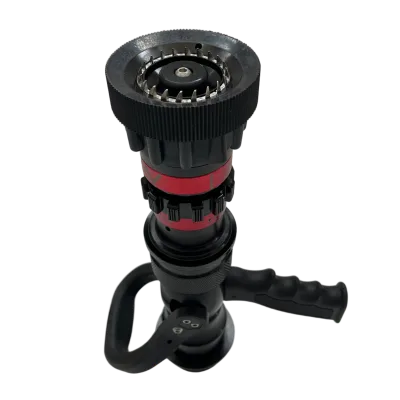
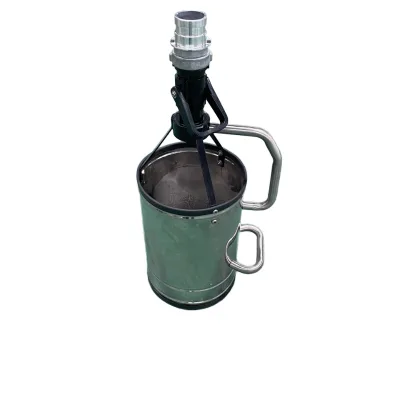


Versatile Foam Water Gun with 0.7MPa and 20m Range for Firefighter Tools
$31.00 - $32.00
MOQ: 1 Pieces
Comprehensive Sourcing Guide
Zinc Plated Fire Water Gun Sourcing Guide
Procuring a zinc-plated fire water gun requires a precise understanding of the specific operational environment, as the plating serves as a critical barrier against corrosion in both fresh and saltwater applications. The zinc coating is not merely aesthetic; it provides the necessary galvanic protection to extend the service life of the underlying steel components when exposed to harsh firefighting conditions or marine environments. Buyers must verify that the plating thickness and uniformity meet industry expectations for durability, ensuring the nozzle does not degrade prematurely during high-pressure operations or storage in humid conditions.
The market for these devices spans from industrial fire protection systems to specialized rescue operations where mobility and rapid deployment are essential. While the core keyword suggests a specific finish, the actual product landscape includes variations in nozzle type, such as DC guns and multiple-use water cannons, which dictate the specific plating requirements. Sourcing decisions should be driven by the intended media, whether it is fresh water, sea water, or foam concentrate, as the compatibility of the zinc plating with these substances varies significantly and impacts long-term reliability.
Product Scope and Observed Listing Signals
The current market listing signals indicate a diverse range of product models, from the 627-8 to specialized units like the FRD-ADN800 and QLD40/7III-25, each with distinct packing and dimensional standards. Buyers should note that while some listings describe products with a "Funny" usage attribute, the technical specifications for fire water guns clearly align with serious applications such as firefighting rescue and fire protection. This discrepancy highlights the need for rigorous filtering to distinguish between promotional items and genuine industrial-grade equipment, ensuring the selected unit matches the required operational profile.
Observed material compositions in the listings include plastic, alloy, and stainless steel, which suggests that "zinc plated" may refer to specific components rather than the entire assembly. The presence of stainless steel and alloy options indicates that buyers must carefully inspect the product description to confirm where the zinc plating is applied, as it is often used on steel fittings or nozzles to prevent rust while maintaining the structural integrity of the main body. The variation in packing, ranging from sealed colorboxes to cartons with foam, further signals that packaging standards are not uniform and must be verified to ensure safe transit of these precision instruments.
Technical Specifications to Verify
When evaluating technical specifications, the working pressure and flow rate are the primary determinants of a fire water gun's effectiveness in an emergency scenario. The observed data points to a working pressure of 0.7 MPa (7 Bar) with a maximum reach of 40 meters, alongside flow rates that can include 500 liters per minute for a straight stream and 300 liters per minute for fog. Buyers must confirm that the specific unit they are sourcing can sustain these pressures without failure, as the zinc plating must remain intact under the mechanical stress of high-pressure water discharge to prevent corrosion-induced leaks.
The nozzle configuration and coupling types are equally critical, with listings showing options for Storz, Inst, Nh, and Bsp couplings, as well as patterns ranging from spray and jet to straight stream and fog. The maximum fog angle of 120 degrees and the ability to handle multiple media types, including foam concentrate, require precise engineering to ensure the zinc-plated internal surfaces do not corrode when exposed to chemical additives. Verification of the drive mechanism, whether motorized or manual, and the operation type, such as movable or fixed, is essential to ensure the device integrates seamlessly into the existing fire suppression infrastructure.
Compliance and Safety Documentation
Compliance with international standards is a non-negotiable aspect of sourcing fire safety equipment, with ENASTM and CE certifications appearing as key markers of quality in the available product data. These certifications indicate that the product has undergone testing for safety and performance, which is particularly important for zinc-plated components that must withstand high-pressure environments without structural failure. Buyers should request valid certification documents for each batch to ensure that the plating process and the final assembly meet the rigorous safety requirements mandated by local and international fire codes.
Safety documentation must also address the specific application context, such as industrial fire protection or rescue operations, to ensure the equipment is suitable for the intended hazard level. The presence of a "Defense Fire Nozzle" classification in some listings suggests specialized use cases that may require additional validation beyond standard certifications. Procurement teams should verify that the supplier provides comprehensive safety data sheets and usage manuals that detail the limitations of the zinc plating, ensuring that operators understand the environmental conditions under which the equipment remains safe and effective.
Cost Drivers and Commercial Terms
The cost of a zinc-plated fire water gun is influenced by the complexity of the nozzle design, the quality of the plating, and the specific material composition of the main body. Listings show a wide price range, from $0.50 to over $500, which reflects the disparity between simple plastic components and complex alloy or stainless steel units with advanced flow control features. Buyers must analyze the cost structure to understand whether the lower price points correspond to basic models with limited durability or if they represent competitive pricing for standard industrial units, ensuring that the budget aligns with the required performance specifications.
Commercial terms, including minimum order quantities (MOQ) and lead times, vary significantly across suppliers, with observed MOQs ranging from 1 to 1440 units. This variability allows for flexibility in procurement strategies, but buyers must negotiate terms that balance inventory costs with the need for immediate availability in emergency scenarios. The origin of the products, primarily from China and specifically Fujian, suggests that logistics and shipping costs will be a factor in the total landed cost, and buyers should factor these into their budgeting to avoid unexpected expenses that could impact the overall project timeline.
Supplier Qualification and Quality Control
Supplier qualification should focus on the manufacturer's ability to consistently produce zinc-plated components that meet the specified corrosion resistance and pressure ratings. Given the observed diversity in materials and models, buyers must assess the supplier's quality control processes to ensure that the plating thickness is uniform and that the final assembly is free from defects that could compromise performance. The presence of customization options, such as logo printing and specific packing requirements, indicates that the supplier should have the flexibility to adapt to buyer needs while maintaining strict quality standards.
Quality control checks must include visual inspections of the zinc plating for uniformity and adhesion, as well as functional testing of the nozzle under simulated operating conditions. Buyers should request third-party test reports that verify the flow rates, pressure ratings, and reach capabilities of the specific models being sourced. The observation of various packing methods, from sealed colorboxes to cartons with foam, suggests that the supplier's packaging quality control is also critical to prevent damage during transit, which could otherwise lead to corrosion or mechanical failure before the equipment is even deployed.
Long-Term Procurement Checks
Long-term procurement strategies should prioritize the availability of spare parts and the consistency of the zinc plating quality over the lifespan of the equipment. Since fire water guns are critical safety devices, buyers must ensure that the supplier can provide a steady supply of replacement nozzles and fittings that match the original specifications, preventing the need for costly system upgrades due to component incompatibility. The observation of different product models and standards suggests that a standardized approach to procurement is necessary to maintain interoperability across different fire protection systems.
Regular audits of the supplier's production processes and quality assurance protocols are essential to maintain the integrity of the zinc-plated components over time. Buyers should establish a schedule for periodic testing of the equipment to verify that the plating has not degraded due to environmental exposure or wear. By maintaining a close relationship with the supplier and demanding transparency in their manufacturing and testing processes, procurement teams can ensure that the fire water guns remain reliable and effective throughout their intended service life, safeguarding both personnel and property.
FAQs
What certifications are available for fire water guns?
Available fire water guns typically hold ENASTM and CE certifications. These standards ensure compliance with international safety and performance requirements for firefighting equipment. Buyers should verify specific certification documents with suppliers to confirm that the products meet the regulatory needs of their target markets and operational environments.
What materials are used in fire water gun construction?
Manufacturers use various materials including plastic, alloy, and stainless steel for fire water guns. The choice depends on the intended application, such as industrial firefighting or general rescue operations. Stainless steel offers durability for harsh environments, while plastic options may provide lightweight alternatives for specific tactical or training scenarios.
What is the maximum reach of a 7 Bar fire water gun?
A fire water gun operating at 7 Bar typically achieves a maximum reach of 40 meters. This performance is standard for many DC jet spray models designed for firefighting rescue. The reach ensures effective water delivery to distant fire sources while maintaining pressure stability for consistent stream patterns during emergency operations.
Can fire water guns be customized for specific logos?
Customization is available for many fire water gun models, including logo printing. Suppliers often offer simple color imprinting or pad print options to brand equipment for specific organizations. Buyers should confirm customization capabilities and minimum order quantities with manufacturers to ensure the branding meets their organizational identity requirements.
What is the typical MOQ for fire water gun orders?
The minimum order quantity for fire water guns ranges from 1 to 1440 units depending on the supplier and product model. Lower MOQs are often available for standard models, while higher volumes may be required for customized specifications. Buyers should check specific product listings to determine the exact MOQ for their desired configuration.
What is the working pressure for standard fire water guns?
Standard fire water guns often operate at a working pressure of 0.7 MPa or 7 Bar. This pressure range supports effective flow rates for both straight stream and fog patterns. The design ensures reliable performance for firefighting rescue and protection applications while maintaining safety standards for operator handling and equipment durability.