Source Zinc Plated Self Drilling Screws for steel, wood, and drywall
Compare 30 listings for Zinc Plated Self Drilling Screws from verified Chinese manufacturers. Buyers can evaluate grades, head styles, and surface treatments to find fasteners for steel, wood, and drywall applications.
Key considerations
Products List


Hardware Zinc Plated Phillips Flat Countersunk Head Self Drilling Screws
$0.01 - $0.02
MOQ: 1000 Pieces


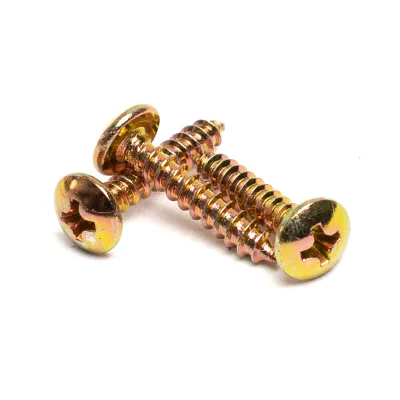


Various Specifications of Galvanized or Stainless Steel Self Drilling Screws
$0.04 - $0.05
MOQ: 10000 Pieces


Comprehensive Sourcing Guide
Zinc Plated Self Drilling Screws Sourcing Guide
Sourcing zinc-plated self-drilling screws requires a disciplined approach to balancing corrosion resistance, mechanical strength, and supply chain reliability. These fasteners are engineered to drill their own pilot hole and tap threads in a single operation, making them indispensable in metal-to-metal assemblies where pre-drilling is inefficient or structurally impractical. Buyers must navigate a market characterized by significant variance in material grades, plating thickness, and head styles, ensuring that the selected components meet the specific structural and environmental demands of the end application.
The procurement process is further complicated by the diversity of manufacturing origins and certification standards. While many suppliers operate in major industrial hubs in China, the quality of the final product is heavily dependent on the supplier’s adherence to international standards such as DIN, GB, and ANSI. Procurement teams must establish clear verification protocols for material composition and surface treatment to prevent failures related to hydrogen embrittlement, thread stripping, or premature corrosion, which are common risks when specifications are loosely defined.
Product Scope and Observed Listing Signals
The observed market for zinc-plated self-drilling screws reveals a wide spectrum of product configurations, ranging from countersunk heads to hexagonal heads, each serving distinct assembly needs. Listings frequently indicate customization availability, allowing buyers to tailor thread pitches, lengths, and head geometries to specific project requirements. The presence of attributes such as "High Tension" and various head styles suggests that the market caters to both general-purpose fastening and high-stress structural applications, requiring buyers to carefully match the screw’s mechanical properties to the load-bearing demands of their assembly.
Material composition and plating characteristics are critical differentiators in this category. While carbon steel is a common base material, stainless steel options are also available, offering superior corrosion resistance at a higher cost point. The zinc plating, often described as white or yellow zinc-plated, provides a sacrificial barrier against rust, but the effectiveness of this protection varies significantly based on plating thickness and post-treatment processes. Buyers should note that observed listings often include surface treatments like polishing, galvanizing, or hot-dipping, which can alter the aesthetic and functional performance of the fastener, necessitating precise specification alignment.
Technical Specifications to Verify
Verifying the technical specifications of self-drilling screws is paramount to ensuring assembly integrity and long-term durability. Buyers must confirm the screw’s grade and hardness, as these factors directly influence its ability to penetrate metal sheets without breaking or stripping. The observed data indicates a range of grades, including 4.8 and higher tension variants, which correspond to different tensile strengths and yield points. It is essential to verify that the selected grade matches the thickness and type of material being fastened, as under-specifying the grade can lead to fastener failure under load.
Thread geometry and drill point design are equally critical technical parameters. The screw must feature a self-drilling tip with a specific point style (such as E, F, or T point) suitable for the thickness of the sheet metal being penetrated. Additionally, the thread pitch and diameter must be compatible with the tapped hole created in the mating material. Buyers should verify the measurement system, typically metric for DIN and GB standards, and ensure that the screw’s length and shank diameter are appropriate for the joint’s grip length. Misalignment in these dimensions can result in loose connections or damage to the workpiece.
Compliance and Safety Documentation
Compliance with international standards is a non-negotiable aspect of sourcing zinc-plated self-drilling screws. Buyers should require documentation that confirms adherence to recognized standards such as DIN, GB, and ANSI, which govern dimensions, mechanical properties, and testing methods. The presence of certifications like ISO 9001 indicates a supplier’s commitment to quality management systems, while specific product certifications, such as EN 14592, may be relevant for applications in construction or structural engineering. Verifying these certifications ensures that the fasteners meet consistent quality benchmarks and are suitable for regulated industries.
Safety and environmental compliance are also key considerations, particularly regarding the materials used in manufacturing and plating. Certifications such as RoHS and CE suggest that the products comply with restrictions on hazardous substances and meet European safety requirements. Buyers should request test reports or material safety data sheets (MSDS) to verify that the zinc plating and any underlying coatings do not contain prohibited substances. This due diligence is essential for maintaining compliance with environmental regulations and ensuring the safety of workers during installation and the end-users during the product’s lifecycle.
Cost Drivers and Commercial Terms
The cost of zinc-plated self-drilling screws is influenced by several factors, including raw material prices, plating thickness, and order volume. Carbon steel prices fluctuate based on global market conditions, directly impacting the base cost of the fasteners. Additionally, the complexity of the manufacturing process, such as the precision required for self-drilling tips and the quality of the zinc plating, adds to the production cost. Buyers should anticipate that higher grades and specialized head styles will command a premium, while bulk orders may offer economies of scale.
Commercial terms, including minimum order quantities (MOQ) and delivery times, play a significant role in the total cost of ownership. Observed listings indicate MOQs ranging from small quantities to large tonnage orders, with delivery times typically spanning 15 to 30 days. Buyers should negotiate clear terms regarding packaging, shipping methods, and payment schedules to avoid hidden costs. Understanding the supplier’s lead time capabilities is crucial for inventory planning, especially for projects with tight deadlines. Additionally, the availability of free samples can help buyers evaluate product quality before committing to large orders, reducing the risk of costly mismatches.
Supplier Qualification and Quality Control
Supplier qualification is a critical step in mitigating the risks associated with sourcing fasteners from diverse manufacturing locations. Buyers should conduct thorough audits of potential suppliers, focusing on their production capabilities, quality control processes, and track record. Suppliers located in major industrial regions like Tianjin and Hebei in China often have established supply chains, but buyers must verify their ability to maintain consistent quality across large production runs. Requesting references and reviewing past performance data can provide insights into the supplier’s reliability and responsiveness.
Quality control measures should be explicitly defined in the procurement contract, including inspection protocols for incoming materials, in-process checks, and final product testing. Buyers should require suppliers to implement statistical process control (SPC) to monitor key variables such as thread pitch, head height, and plating thickness. Additionally, third-party inspection services can be engaged to verify compliance with specifications before shipment. Establishing a clear process for handling non-conforming products, including returns and replacements, is essential for maintaining supply chain continuity and protecting the buyer’s interests.
Long-Term Procurement Checks
Long-term procurement success depends on continuous monitoring of supplier performance and market dynamics. Buyers should establish key performance indicators (KPIs) to track metrics such as on-time delivery, defect rates, and responsiveness to issues. Regular reviews of these metrics can help identify potential problems early and facilitate corrective actions. Additionally, staying informed about changes in industry standards and regulations is crucial for ensuring that the sourced fasteners remain compliant and suitable for evolving application requirements.
Building a resilient supply chain involves diversifying suppliers and maintaining open communication channels. Buyers should cultivate relationships with multiple qualified suppliers to mitigate the risk of supply disruptions. Regularly reviewing and updating technical specifications based on feedback from engineering and production teams can help optimize the fastener selection process. By maintaining a proactive approach to supplier management and quality assurance, buyers can ensure a steady supply of high-quality zinc-plated self-drilling screws that support their operational goals and product integrity.
FAQs
What certifications do Zinc Plated Self Drilling Screws have?
These screws hold ISO9001:2008 and En 14592:2008+A1:2012 certifications. Some listings also mention ISO, GS, RoHS, and CE marks. Buyers should verify specific certificates with the supplier before ordering to ensure compliance with local regulations.
How long is the delivery time for these fasteners?
The standard delivery time ranges from 15 to 30 days. This period applies to most orders but may vary based on order volume and customization requirements. Buyers should confirm the exact timeline with the manufacturer before finalizing the purchase agreement.
Which standards are used for manufacturing these bolts?
Manufacturers produce these items according to GB, DIN, and ANSI standards. Specific product models like XRF-134 and XRF-135 follow these guidelines. Customers can request custom specifications to match their unique engineering requirements or existing project standards.
Can I get free samples of Zinc Plated Self Drilling Screws?
Free samples are available for potential buyers to evaluate product quality. This offer allows customers to test the material and finish before committing to a larger order. Buyers should contact the supplier directly to arrange sample collection or shipping details.
What packaging options are available for these fasteners?
Products are packed in bags, cartons, boxes, or wooden boxes depending on the order. Some suppliers offer ordinary packaging while others provide color boxes. Custom packaging solutions are also accepted to meet specific logistical or branding needs of the buyer.
What is the minimum order quantity for these screws?
The minimum order quantity varies significantly, ranging from 1 unit up to 100,000 units. Some suppliers set a specific MOQ of 1 ton for bulk transactions. Buyers should check the specific requirements of the manufacturer to ensure their order meets the threshold.
Which materials are used to make these self drilling screws?
These screws are primarily made from carbon steel and stainless steel. The material grade often includes 4.8 or 8.0 classifications for strength. The zinc plating provides corrosion resistance, available in white or yellow finishes for different environmental conditions.