Source zn-al-mg solar mounting bracket for Commercial, Residential, and Industrial Projects
Explore 30 listings for the zn-al-mg solar mounting bracket designed for commercial, residential, and industrial applications. Buyers can compare specifications like wind speed, snow load, and surface treatments to find the right ground bracket solution.
Key considerations
Products List


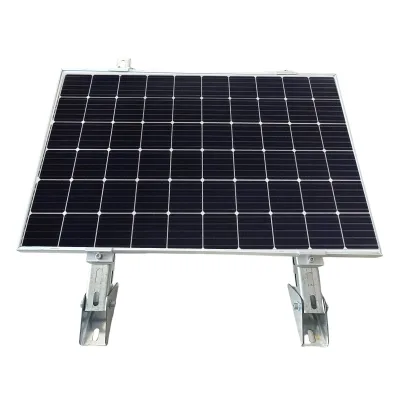
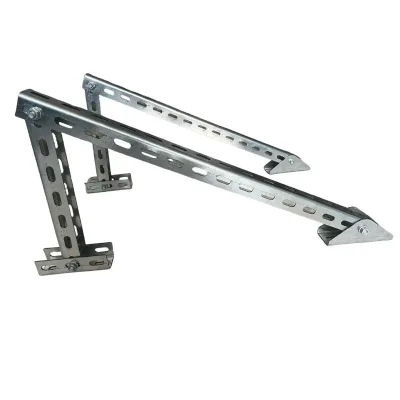


Comprehensive Sourcing Guide
Strategic Sourcing Guide for Zn-Al-Mg Solar Mounting Brackets
Understanding Zn-Al-Mg Technology in Solar Mounting Systems
The core keyword "zn-al-mg solar mounting bracket" refers to a specific class of photovoltaic (PV) support structures utilizing a Zinc-Aluminum-Magnesium alloy coating. This material technology represents a significant evolution in corrosion protection for outdoor infrastructure. Unlike traditional galvanized steel, which relies solely on zinc, the addition of aluminum and magnesium creates a multi-phase protective layer that offers superior barrier protection and self-healing capabilities against scratches and cuts. In the context of solar procurement, this coating is critical for extending the service life of the mounting system, particularly in harsh environments where salt spray, humidity, or industrial pollutants are prevalent.
The primary material composition for these brackets often involves a steel substrate, specifically grades such as Q235B, which provides the necessary structural rigidity. The surface treatment process involves a specialized coating that can be described as Magnesium Aluminum Zinc or Zn-Al-Mg. This treatment is distinct from simple anodizing, which is typically reserved for aluminum alloy components. While some product listings indicate anodized finishes for aluminum alloy brackets, the specific Zn-Al-Mg technology is applied to steel substrates to achieve high-performance corrosion resistance. Buyers must distinguish between these two material paths: steel with Zn-Al-Mg coating versus aluminum alloy with anodized finishes, as their mechanical properties and cost structures differ significantly.
Technical Specifications and Performance Parameters
When evaluating Zn-Al-Mg solar mounting brackets, procurement teams must scrutinize a specific set of technical specifications that define the product's suitability for a given project. The structural integrity of the bracket is often defined by its thickness, which typically ranges from 1.0mm to 2.5mm depending on the load requirements. The physical dimensions of the bracket, such as the cross-sectional profile (e.g., 4050mm or 4060mm), determine the compatibility with specific solar panel frames and rail systems.
Environmental performance is another critical dimension. The brackets are engineered to withstand extreme weather conditions, with wind speed resistance capabilities observed in the range of 0-60m/s. This high tolerance ensures stability in regions prone to typhoons or high-velocity winds. Similarly, snow load capacity is a vital metric, with specifications indicating a resistance of up to 1.4 kN/m² or snow accumulation depths of 0-150cm. These figures are not universal; they vary by model and must be verified against the specific site's meteorological data.
The installation characteristics also play a role in the total cost of ownership. Features such as "Quick Installation" and "Tilt Angle Adjustment Range" (often customizable) are essential for reducing labor costs and adapting to site-specific topography. The brackets are designed for fixed rail installation sites and are compatible with landscape array configurations. Accessories required for a complete system typically include solar clamps, rail splices, screws, and joints, which should be sourced as part of a cohesive package to ensure material compatibility.
Compliance, Certification, and International Standards
Navigating the regulatory landscape for solar mounting systems requires a rigorous verification of certifications and adherence to international standards. The procurement process must confirm that the supplier provides valid documentation for key certifications. Commonly observed certifications for these products include CE (Conformité Européenne) and ISO standards. Specific product inspections may be supported by ISO9001 certification and a formal product inspection report, which serves as evidence of quality management system compliance.
Beyond general certifications, the mechanical performance of the brackets must align with regional building codes and solar industry standards. For projects in Australia and New Zealand, compliance with AS/NZS1170 is mandatory. Similarly, for installations in Japan, the Jisc8955:2017 standard must be met. These standards dictate the load calculations and safety factors required for the mounting structure. Buyers should verify that the supplier explicitly states adherence to these specific standards rather than relying on generic "Normal" or unspecified classifications.
The corrosion resistance grade is another area where compliance is critical. While some products are rated for IP65 protection, the specific "Outdoor Corrosion Resistant" claim for Zn-Al-Mg coatings must be backed by salt spray test data. The procurement team should request test reports that validate the longevity of the coating under accelerated weathering conditions. Without this data, the "20-25 years" service life claim often associated with these systems remains an observation rather than a verified guarantee.
Cost Drivers and Procurement Economics
The pricing of Zn-Al-Mg solar mounting brackets is influenced by several dynamic factors, primarily raw material costs, coating complexity, and order volume. The observed price range in the market can vary significantly, with unit costs potentially ranging from $0.01 to $5.00, though this wide range often reflects differences in unit definitions (e.g., per piece vs. per set) and order quantities. The Minimum Order Quantity (MOQ) is a critical cost driver, with observed ranges spanning from 1 unit to 100,000 units. However, a specific constraint noted in product data is an MOQ of 1 Cbm (Cubic Meter), which suggests that logistics and container utilization play a significant role in the final pricing structure.
Lead times also impact the overall cost of procurement. Typical lead times for these brackets are observed between 5 to 15 days, with some variations extending to 7-15 days depending on the supplier's production schedule and order volume. Buyers must factor in these timelines when planning project schedules to avoid delays that could incur penalty costs.
The mode of transportation selected for shipping affects the landed cost. Options such as Sea, Air, CIF (Cost, Insurance, and Freight), and FOB (Free on Board) offer different risk and cost profiles. Sea freight is generally the most cost-effective for large volumes, while air freight may be necessary for urgent, low-volume orders. The packaging method, which often involves Box+Wooden/Steel Pallet or individual cartons, also influences shipping volume and cost efficiency.
Supplier Evaluation and Geographic Considerations
Identifying a reliable supplier requires a thorough evaluation of their operational capabilities and geographic location. The supply chain for these brackets is heavily concentrated in China, with specific origins noted in Fujian, Hebei, and Xiamen. These regions host a dense network of manufacturers specializing in metal fabrication and solar mounting solutions. When evaluating suppliers, buyers should verify the "Place of Origin" to ensure it aligns with their quality expectations and logistical preferences.
Supplier capabilities extend beyond manufacturing to include customization and service offerings. The availability of OEM (Original Equipment Manufacturer) and ODM (Original Design Manufacturer) services is a key differentiator. Many suppliers accept OEM requests, allowing buyers to brand the products or request specific modifications to the bracket design. The "Customization" attribute is widely available, enabling adjustments to tilt angles, colors (Silver, Black, or Customized), and specific dimensions to match project requirements.
However, buyers must exercise caution regarding the consistency of product attributes across different suppliers. For instance, while some listings specify "Aluminum Alloy" as the material, others specify "Steel" or "Q235B." This discrepancy highlights the need for precise specification in the Request for Quotation (RFQ) to ensure the buyer receives the exact Zn-Al-MG coated steel product intended. Additionally, the "Brand Name" (e.g., TUOERLU) may be a factor in brand recognition, but the technical specifications should remain the primary evaluation criterion.
Quality Control and Long-Term Procurement Strategy
Ensuring the long-term reliability of Zn-Al-Mg solar mounting brackets requires a robust quality control (QC) strategy. The procurement process should include a pre-shipment inspection that verifies the thickness of the coating, the integrity of the surface treatment, and the dimensional accuracy of the brackets. The "Feature" of being "Corrosion-resistant" and "Quick Installation" must be validated through physical testing or third-party inspection reports.
For long-term procurement, buyers should consider the total cost of ownership rather than just the initial unit price. A bracket with a higher initial cost but a verified 20-25 year service life may offer better value than a cheaper alternative with an unverified lifespan. The compatibility of the brackets with the rest of the solar array, including the rails and clamps, is essential to prevent galvanic corrosion or structural failure.
The packaging and shipping process also contribute to product quality. Brackets packed in "Steel Plate" or "Cartons" must be protected against damage during transit. The "Mode of Transportation" should be selected to minimize the risk of moisture ingress, which could compromise the Zn-Al-Mg coating before installation. Buyers should also verify the "Standard" of the product, ensuring it meets the specific requirements of the project site, whether it is a commercial application or a specific residential setup.
Comparative Analysis of Product Attributes
To facilitate informed decision-making, the following table summarizes the key attributes observed in the market for Zn-Al-Mg solar mounting brackets. This comparison highlights the variability in specifications and helps buyers identify the critical parameters for their specific needs.
| Attribute Category | Observed Specification Range | Critical Verification Point |
|---|---|---|
| Material | Steel (Q235B), Aluminum Alloy | Confirm substrate material matches design requirements. |
| Surface Treatment | Zn-Al-Mg, Anodized, Magnesium Aluminum Zinc | Verify coating type and thickness for corrosion resistance. |
| Certification | CE, ISO, ISO9001, Product Inspection Report | Ensure valid certificates for target markets (e.g., CE for EU). |
| Standards | AS/NZS1170, Jisc8955:2017, Normal | Match standards to local building codes and wind/snow loads. |
| Wind/Snow Load | 0-60m/s Wind, 0-150cm Snow / 1.4kn/M2 | Validate against site-specific meteorological data. |
| Lead Time | 5-15 Days, 7-15 Days | Align with project installation schedule. |
| MOQ | 1 Unit to 100,000 Units, 1 Cbm | Confirm minimum order constraints and container utilization. |
| Customization | Available, Color (Silver/Black), Tilt Angle | Assess feasibility of specific design modifications. |
| Origin | China (Fujian, Hebei, Xiamen) | Verify location for logistics and supply chain transparency. |
Final Procurement Considerations
The procurement of Zn-Al-Mg solar mounting brackets is a complex process that balances technical performance, regulatory compliance, and economic efficiency. Buyers must move beyond generic product descriptions and demand specific data regarding the coating composition, load-bearing capacity, and certification validity. The wide range of observed specifications, from material types to load limits, underscores the necessity of a detailed RFQ process.
By focusing on the verified attributes provided in the market data, such as the specific wind and snow load capacities and the adherence to standards like AS/NZS1170, buyers can mitigate the risk of project failure. The availability of customization and OEM services offers flexibility, but this must be managed through clear communication and rigorous quality control. Ultimately, the success of a solar project depends on the selection of mounting systems that are not only cost-effective but also engineered to withstand the specific environmental challenges of the installation site for decades.
FAQs
How long is the lead time for zn-al-mg solar mounting bracket orders?
The typical lead time ranges from 5 to 15 days depending on order volume. Some specific models may require up to 15 days for production and packaging before shipment.
What certifications are available for zn-al-mg solar mounting bracket products?
Products commonly carry CE and ISO certifications to ensure compliance with international standards. Some listings also include ISO9001 product inspection reports to verify quality management systems.
Can I customize the tilt angle for zn-al-mg solar mounting bracket systems?
Yes, customization is available for the tilt angle adjustment range to suit specific site topography. Buyers can request specific dimensions and colors like silver or black to match project needs.
Which materials are used for zn-al-mg solar mounting bracket construction?
The brackets are primarily constructed from steel grades like Q235B or aluminum alloy substrates. The steel versions feature a Magnesium Aluminum Zinc coating for superior corrosion resistance.
What is the minimum order quantity for zn-al-mg solar mounting bracket shipments?
The minimum order quantity varies from 1 unit up to 100,000 units depending on the supplier. Some transactions may also be constrained by a minimum volume of 1 cubic meter for logistics.
How does the zn-al-mg solar mounting bracket handle high wind speeds?
The brackets are engineered to withstand wind speeds ranging from 0 to 60 meters per second. This capacity ensures stability in regions prone to typhoons or high-velocity wind conditions.
Where are the factories for zn-al-mg solar mounting bracket located?
Manufacturing facilities are located in China, specifically in regions like Fujian, Hebei, and Xiamen. Buyers should verify the place of origin to align with their logistical and quality expectations.