Auto Radiator Suppliers and Manufacturers in China
Source from 10 verified Auto Radiator suppliers in China. Compare ISO certifications, lead times, and pricing for aluminum plate bar coolers. Contact suppliers directly to request quotes and verify OEM capabilities; review the available evidence before requesting comparable quotations from suitable candidates.
Suppliers List

Wuxi Yuda Heat-Exchanger Co., Ltd.
- Verified by BV
- Combined
- China Jiangsu
- Lead time23 days
- Avg. response≤ 15h
Main productsOil Cooler, Radiator, Heat Exchanger, Aluminum Plate Bar Cooler, Air Dryer Heat Exchanger, Intercooler, Intercooler Core, Plate Fin Cooler, Hydraulic Oil Cooler, Evaporator
Main marketsSouth America,Africa,Southeast Asia/ Mideast,East Asia(Japan/ South Korea),Domestic,Europe,Australia,North America

Ningbo Govi Auto Parts Co., Ltd.
- Verified by BV
- Trading Company
- China Zhejiang
- Lead time30 days
- Avg. response≤ 15h
Main productsAir Filter, Flexible Pipe, Aluminum Pipe, Muffler, Silicone Hose, Auto Parts, Exhaust Tip, Oil Catch Tank, Spare Parts, Throttle Body
Main marketsSoutheast Asia/ Mideast,Australia,North America

NANJING MAJESTIC AUTO PARTS CO., LTD.
- Manufacturer/Factory
- China Jiangsu
- Lead time23 days
- Avg. response≤ 14h
Main productsRadiator Tube, Radiator, Cooling System, Heat Exchanger System, Aluminum Tube, High Frequency Welded Tube, Intercooler Tube, Oil Cooler Tube, Intercooler, Oil Cooler
Main marketsSouth America,Eastern Europe,Mid East,North America,Southeast Asia,Eastern Asia

Yizheng Aoxing Auto Parts Co., Ltd.
- Combined
- China Jiangsu
- Lead time30 days
- Avg. response≤ 4h
Main productsAuto Radiator, Auto Parts, Engine Parts, Intercooler, Air Cooler, Heat Exchanger, Oiler, Water-Cooling Plate, Cooling Fan, Tank
Main marketsDomestic,Europe,North America

Guangdong Fangyuyuan Refrigeration Industrial Co.,Ltd.
- Verified by TUVRHEINLAND
- Manufacturer/Factory
- China Guangdong
- Lead time23 days
- Avg. response≤ 7h
Main productsAutomotive Air Conditioning Accessories, Automotive Air Conditioning, Bus Air Conditioner, Truck Refrigeration Units, Compressor, Condenser Assembly, Evaporator Core, Receiver Drier, Evaporator Blower, Alternator
Main marketsSouth America,Eastern Europe,Mid East,North America,Southeast Asia,Eastern Asia,Oceania,Western Europe,Africa
Wuxi Ideal New Energy Co., Ltd.
- Manufacturer, Trading Company
- Jiangsu, China
- Lead time7 days
- Avg. response≤ 14h
Main productsSolar Panel,Flexible Solar Panel,Lithium Battery,Solar Inverter,Solar System
Main marketsDomestic Market(100.00%), Eastern Europe(30.00%), Western Europe(16.00%), North America(10.00%), Southeast Asia(7.00%), South America(5.00%), South Asia(5.00%), Mid East(5.00%), Oceania(5.00%), Africa(5.00%), Southern Europe(4.00%), Central America(3.00%), Northern Europe(3.00%), Eastern Asia(2.00%)

Wuxi Kingful Corporation., Ltd
- Verified by BV
- Trading Company
- China Jiangsu
- Lead time23 days
- Avg. response≤ 19h
Main productsAluminum Plate Bar Cooler, Heat Exchanger, Radiators, Oil Coolers, Aftercoolers, Cooling Tower, Hydraulic Oil Cooler, Shell and Tube Heat Exchanger, Compressor Cooler, Excavator Radiator
Main marketsSoutheast Asia/ Mideast

Changzhou Santian Vehicle Industry Technology Co., Ltd.
- Verified by SGS
- Combined
- China Jiangsu
- Lead time30 days
- Avg. response≤ 3h
Main marketsDomestic

Heavy-Duty Cooler Radiator for Reliable Engine Cooling Auto Spare Parts
$30.00 - $199.00
MOQ: 50 Pieces

Aluminum Intercooler Radiator for Auto Parts with Customized Specifications
$30.00 - $199.00
MOQ: 50 Pieces

Intercooler Auto Parts Car Radiator for Superior Cooling System Functionality
$30.00 - $199.00
MOQ: 50 Pieces


Durable Intercooler Auto Spare Part Radiator for Optimal Engine Cooling Performance
$30.00 - $199.00
MOQ: 50 Pieces

Heavy-Duty Cooler Intercooler Radiator for Superior Car Parts Performance
$30.00 - $199.00
MOQ: 50 Pieces

Anhui Jagrow Auto Parts Co., Ltd.
- Verified by TUVRHEINLAND
- Trading Company,Manufacturer/Factory
- China Anhui
- Lead time45 days
- Avg. response≤ 6h
Main productsPerformance Parts, Exhaust System, Air Intake System, Cooling System, Carbon Fiber Parts, Exhaust Downpipe, Exhaust Manifold, Exhaust Catback, Oil Cooler, Turbo Intercooler
Main marketsSouth America,Eastern Europe,Mid East,North America,Southeast Asia,Eastern Asia,Oceania,Western Europe,Africa

Wuxi TECFREE International Trade Co., Ltd.
- Trading Company,Manufacturer/Factory
- China Jiangsu
- Lead time23 days
- Avg. response≤ 9h
Main productsHeat Exchanger, Radiator, Charge Air Cooler, Oil Cooler, Intercooler, Heat Exchange Fin, Heat Exchange Core, Forklift Radiator, Industrial Muffler
Main marketsNorth America,Southeast Asia,Western Europe

Cooling System Auto Parts Aluminum Custom Charge Air Cooler Cooling System
$200.00 - $400.00
MOQ: 2 Pieces


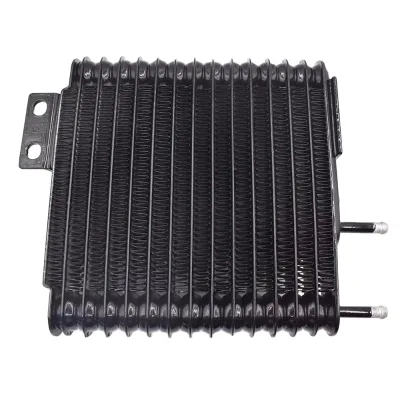


Comprehensive Sourcing Guide
Auto Radiator Supplier Concentration and Factory Types
The current supplier landscape for auto radiators reveals a distinct geographic concentration in China, with specific manufacturing hubs identified in Jiangsu and Zhejiang provinces. These regions serve as critical nodes for the production of cooling system components, including radiators, intercoolers, and heat exchangers. Suppliers in Jiangsu are often characterized as combined entities, suggesting a blend of manufacturing capabilities and trading operations, which can offer flexibility in both production volume and product variety. In contrast, suppliers located in Zhejiang are frequently identified as trading companies, which may provide access to a broader network of factories but might introduce additional layers in the supply chain. Understanding this distinction is vital for buyers seeking either direct factory pricing or the logistical convenience of a consolidated supplier. The presence of these specific locations indicates that sourcing strategies should be tailored to the regional strengths, with Jiangsu potentially offering more direct manufacturing oversight and Zhejiang providing diverse product assortments through trading channels.
Factory types vary significantly across the available results, impacting how buyers should approach engagement. Some suppliers offer ODM, OEM, and own brand services, indicating a robust capacity for custom engineering and private labeling, which is essential for brands seeking unique product differentiation. Others may focus primarily on trading, leveraging existing relationships with multiple factories to fulfill orders. This diversity means that buyers must carefully assess whether their priority is cost efficiency through direct manufacturing or speed and variety through trading companies. The combination of these factory types within the same geographic regions suggests a mature industrial ecosystem where specialized manufacturers coexist with generalist traders. Buyers should evaluate their specific needs for customization, volume, and lead time to determine which factory type aligns best with their procurement strategy, ensuring that the chosen supplier model supports their long-term business goals without unnecessary complexity or cost.
How to Verify Auto Radiator Suppliers
Verification is a critical step in mitigating risk when sourcing auto radiators, and buyers should prioritize suppliers with recognized third-party validations. In the current results, some suppliers display BV verification, which serves as a tangible indicator of operational legitimacy and compliance with international standards. This verification status provides a baseline level of trust, suggesting that the supplier has undergone external scrutiny regarding their business practices and capabilities. Buyers should actively look for such verification badges when evaluating potential partners, as unverified suppliers may pose higher risks regarding quality consistency and delivery reliability. Additionally, system certifications such as ISO9001:2015 and ISO14001:2015 are present in the supplier data, indicating adherence to quality management and environmental standards. These certifications are not merely decorative; they reflect a structured approach to production control and process improvement, which is crucial for maintaining the performance and durability of auto radiators.
Beyond certifications, buyers should verify the responsiveness and operational efficiency of suppliers through direct interaction. Response times, such as the 14.07 and 14.94 hours observed in the results, offer insight into the supplier’s communication infrastructure and customer service readiness. A faster response time often correlates with better project management and quicker issue resolution, which are vital during the sourcing process. Buyers should test these response times by sending detailed inquiries and assessing the quality and speed of the replies. Furthermore, checking the supplier’s main product focus ensures they are specialized in auto radiators rather than generalists who may lack deep expertise. Suppliers listing radiators, intercoolers, and heat exchangers as main products are more likely to possess the technical knowledge required to address specific engineering queries. By combining verification badges, certification checks, and responsiveness testing, buyers can build a comprehensive profile of supplier reliability before committing to any orders.
What to Compare Across Auto Radiator Suppliers
When comparing suppliers, lead time is a primary metric that directly impacts inventory management and customer satisfaction. The observed lead times of 23 and 30 days highlight the variability in production schedules across different suppliers. Buyers must align these lead times with their sales forecasts and stock replenishment cycles to avoid stockouts or excess inventory. A shorter lead time, such as 23 days, may be preferable for agile supply chains, while a 30-day lead time might require more advanced planning. Additionally, minimum order quantities (MOQ) vary, with some suppliers requiring as few as one unit, while others mandate 100 units. This disparity allows buyers to choose suppliers based on their order volume capabilities, with low MOQs suitable for testing new markets or small batches, and higher MOQs offering potential economies of scale for larger orders. Comparing these operational metrics helps buyers identify suppliers that fit their logistical and financial constraints.
Price and customization options are equally critical factors in supplier comparison. The price ranges for auto radiators and related components vary significantly, with some products listed between $50 and $66, while others range from $100 to $150. Buyers should analyze these prices in the context of product specifications, such as material quality and certification levels, to ensure they are getting fair value. Customization availability is another key differentiator, with many suppliers offering available customization for design and specifications. This flexibility is essential for buyers seeking specific performance characteristics or branding requirements. By comparing lead times, MOQs, prices, and customization capabilities, buyers can create a weighted scoring system to objectively evaluate suppliers. This structured approach ensures that decisions are based on comprehensive data rather than isolated factors, leading to more robust and sustainable supplier partnerships.
Common Auto Radiator Sourcing Risks
One significant risk in sourcing auto radiators is the potential mismatch between product specifications and actual delivery, particularly when dealing with complex components like intercoolers and heat exchangers. The variety of product types, including water-to-air intercoolers, plate bar coolers, and aluminum radiators, introduces complexity in quality control. Buyers must ensure that the technical specifications, such as cooling fluid type, body material, and certification standards, are clearly defined and agreed upon before production begins. Ambiguities in these details can lead to products that do not meet performance requirements, resulting in costly returns or production delays. Additionally, the use of different materials, such as aluminum and steel, requires careful verification to ensure durability and corrosion resistance. Buyers should request detailed technical drawings and material certificates to mitigate this risk, ensuring that the final product matches the agreed-upon standards.
Another risk is the variability in supplier reliability and communication, which can disrupt the supply chain. The observed response times and lead times indicate that not all suppliers operate with the same level of efficiency. Delays in communication or production can cascade into broader logistical issues, affecting downstream customers. Furthermore, the presence of trading companies adds a layer of complexity, as they may not have direct control over production schedules or quality assurance processes. Buyers should establish clear communication protocols and regular check-ins to monitor progress and address issues promptly. It is also important to verify the supplier’s capacity to handle order volumes, especially during peak seasons, to avoid bottlenecks. By proactively identifying and addressing these risks through detailed contracts and continuous monitoring, buyers can safeguard their supply chain against disruptions and ensure consistent product quality.
Auto Radiator Regional Sourcing and Logistics
Sourcing auto radiators from specific regions in China, such as Jiangsu and Zhejiang, offers logistical advantages due to the concentration of manufacturing infrastructure and export facilities. Jiangsu, with its combined factory types, provides a robust manufacturing base that can support large-scale production and complex engineering requirements. Zhejiang, dominated by trading companies, offers a diverse product range and flexible sourcing options, leveraging the region’s extensive trade networks. Buyers should consider the proximity of these regions to major ports, which can reduce shipping times and costs. Additionally, the regional specialization in cooling system components suggests a mature supply chain ecosystem, with access to raw materials and specialized labor. This concentration can lead to competitive pricing and faster turnaround times, as suppliers benefit from shared resources and established logistics routes.
Logistics planning should also account for the specific packaging and handling requirements of auto radiators and related components. Products are often packed in plywood cases or boxes to protect against damage during transit, as indicated in the supplier data. Buyers should ensure that their logistics partners are equipped to handle these packaging types and that the shipping routes are optimized for efficiency. Furthermore, understanding the regional trade regulations and export procedures is essential to avoid delays at customs. Buyers should work with suppliers who have experience in international shipping and can provide necessary documentation, such as certificates of origin and compliance certificates. By leveraging the logistical advantages of these regions and planning for proper packaging and compliance, buyers can streamline their supply chain and reduce overall procurement costs.
Auto Radiator Commercial Terms and Order Planning
Commercial terms, including payment conditions and warranty policies, play a crucial role in the financial planning of Auto Radiator sourcing. The observed product attributes, such as a one-year guarantee, provide a baseline level of protection for buyers, ensuring that defects are addressed within a reasonable timeframe. Buyers should negotiate clear warranty terms that specify the scope of coverage and the process for claims, minimizing potential disputes. Additionally, delivery times, ranging from 25-30 days for some products, should be factored into order planning to align with production schedules and customer demand. Buyers should establish a buffer period to account for potential delays, ensuring that inventory levels remain sufficient to meet market needs. Clear communication of these terms in the purchase agreement helps prevent misunderstandings and ensures that both parties are aligned on expectations.
Order planning should also consider the scalability of the supplier’s production capacity and their ability to handle fluctuations in demand. Suppliers offering ODM and OEM services can adapt to changing requirements, providing flexibility for buyers who need to adjust product specifications or volumes. Buyers should assess the supplier’s capacity to ramp up production during peak seasons and their ability to maintain quality consistency across large orders. Establishing long-term partnerships with reliable suppliers can lead to better pricing and priority treatment during high-demand periods. By carefully planning orders based on lead times, capacity, and commercial terms, buyers can optimize their procurement strategy, reduce costs, and enhance supply chain resilience. This proactive approach ensures that the sourcing process supports the buyer’s business objectives and contributes to long-term success.
FAQs
What is the price range for auto radiators?
Auto Radiator prices typically range from $50 to $160 per unit depending on the specific model and application. Basic intercooler cores start around $50, while specialized turbo intercoolers can reach $160. Buyers should verify exact pricing for their required specifications before placing orders.
What certifications do these auto radiators have?
Manufacturers generally hold ISO9001:2015 and ISO14001:2015 system certifications. Product-level certifications often include ISO and CE marks. Buyers should request valid certificates to ensure compliance with international quality and environmental standards for their specific automotive cooling system requirements.
What is the typical lead time for orders?
Standard lead times range from 23 to 30 days for production and delivery. Some suppliers offer delivery within 25-30 days for specific models. Buyers should confirm exact timelines with suppliers to align with their inventory needs and avoid production delays.
What is the minimum order quantity for radiators?
Minimum order quantities vary significantly by supplier. Some manufacturers accept orders as low as one unit for testing, while others require a minimum of 100 units. Buyers should check specific supplier requirements to determine the best fit for their volume needs.
Where are these Auto Radiator suppliers located?
Suppliers are primarily located in China, specifically in Jiangsu and Zhejiang provinces. Key manufacturing hubs include Wuxi and Ningbo. Buyers can source from these regions to access established industrial clusters for automotive cooling components and related parts.
What materials are used in Auto Radiator construction?
Common body materials include aluminum and steel. Aluminum is frequently used for plate bar heat exchangers and intercoolers due to its lightweight properties. Steel is also utilized for specific radiator cores. Buyers should select materials based on their performance and durability requirements.