Auto Pillow Compress Packaging Machine Suppliers and Manufacturers
Explore 15 verified options for the Auto Pillow Compress Packaging Machine from China. Compare locations, lead times, certifications, and response times to find the right factory. Contact suppliers directly to request quotes and verify specifications; review the available evidence before requesting comparable quotations from suitable candidates.
Suppliers List

HE NAN PENG HUI MACHINERY AND EQUIPMENT CO., LTD.
- Verified by CTI
- Manufacturer/Factory
- China Henan
- Lead time15 days
- Avg. response≤ 3h
Main productsMeat Processing Machine, Fruit Processing Machine, Vegetable Processing Machine, Seafood Processing Machine, Grain Product Processing Machine, Snack Machine, Nuts Processing Machine, Quilting Machine, Textile Machine, Paper Product Processing Machine
Main marketsSouth America,Eastern Europe,Mid East,North America,Southeast Asia,Eastern Asia,Oceania,Western Europe,Africa

Automatic Pillow Roll Compression Packing Compressing Packaging Machine
$1800.00 - $2000.00
MOQ: 1 Pieces

Fiber Pillow Cushion Compressing Rolling Machine Pillow Roll Compression Packing Packaging Machine
$1800.00 - $2000.00
MOQ: 1 Pieces

Blanket Cushion Pillow Compressing Rolling Packing Machine Latex Foam Quilts Compression Machine
$1800.00 - $2000.00
MOQ: 1 Pieces

Pillow Vacuum Press Packing Machine Quilt Clothes Pillow Compression Packaging Sealing Machine
$1000.00 - $2000.00
MOQ: 1 Pieces

Automatic Pillow Quilt Cushion Pressing Rolling and Packing Machine Pillow Compression Machine
$1800.00 - $2000.00
MOQ: 1 Pieces

Shanghai Chengqi Packing Machinery Co., Ltd.
- Combined
- China Shanghai
- Lead time15 days
- Avg. response≤ 3h
Main productsShrink Packaging Machine, Shrink Wrapping Machine, Shrink Tunnel, Shrink Wrapper, Sealing Shrink Machine, Heat Shrink Machine, Cellophane Wrapping Machine, Compress Packaging Machine, Shrink Machine
Main marketsSouth America,Africa,Southeast Asia/ Mideast,East Asia(Japan/ South Korea),Domestic,Europe,Australia,North America

Qingdao Seanoel Industry and Trade Co., Ltd.
- Manufacturer/Factory
- China Shandong
- Lead time15 days
- Avg. response≤ 20h
Main productsQuilting Machine, Pillow Machine, Polyester Wadding Machine, Home Textile Machine, Fiber Filling Machine, Fiber Opening Machine, Mattress Machine, Quilt Machine, Plush Toy Filling Machine, Foam Cutting Machine

Auto Compression and Fluffy Compressor Compress Machine Cushion Pillow Packing
$2800.00 - $2850.00
MOQ: 1 set


High Speed Pillow Roll Packing Machine Horizontal Pillow Packaging Machine
$2800.00 - $2850.00
MOQ: 1 set

QINGDAO JINYING MACHINERY CO., LTD.
- Trading Company
- China Shandong
- Lead time23 days
- Avg. response≤ 4h
Main productsSingle Needle Quilting Machine, Multi Needle Quilting Machine, Coccon Bobbin, Coccon Bobbin Winding Machine, Pillow Filling Machine
Main marketsEurope,North America


New Arrival Pneumatic Driven Automatic Pillow Compress Packing Machine for Sale
$2030.00
MOQ: 1 Pieces

Pillow Core Compression Packaging Machine for Cotton/Polyester/Down Pillows
$1500.00 - $7000.00
MOQ: 1 Sets


Zhengzhou Kovi Machinery Co., Ltd
- Verified by TUVRHEINLAND
- Manufacturer/Factory
- China Henan
- Lead time15 days
- Avg. response≤ 4h
Main productsFiber Opening Machine, Toy Stuffing Machine, Paper Tube Cutting Machine, Fabric Pleating Machine, Glass Edging Machine, Fiber Carding Machine, Pipe Punching Machine, Ball Fiber Machine, Cotton Opening Machine, Textile Waste Recycling Machine
Main marketsSouth America,Eastern Europe,Mid East,North America,Southeast Asia,Eastern Asia,Oceania,Western Europe,Africa

Textile Pillow Type Vacuum Compression Packaging Machine Cushion Compressing Press Sealing Machine
$1600.00 - $1800.00
MOQ: 1 Set


$1600.00 - $1800.00
MOQ: 1 Sets


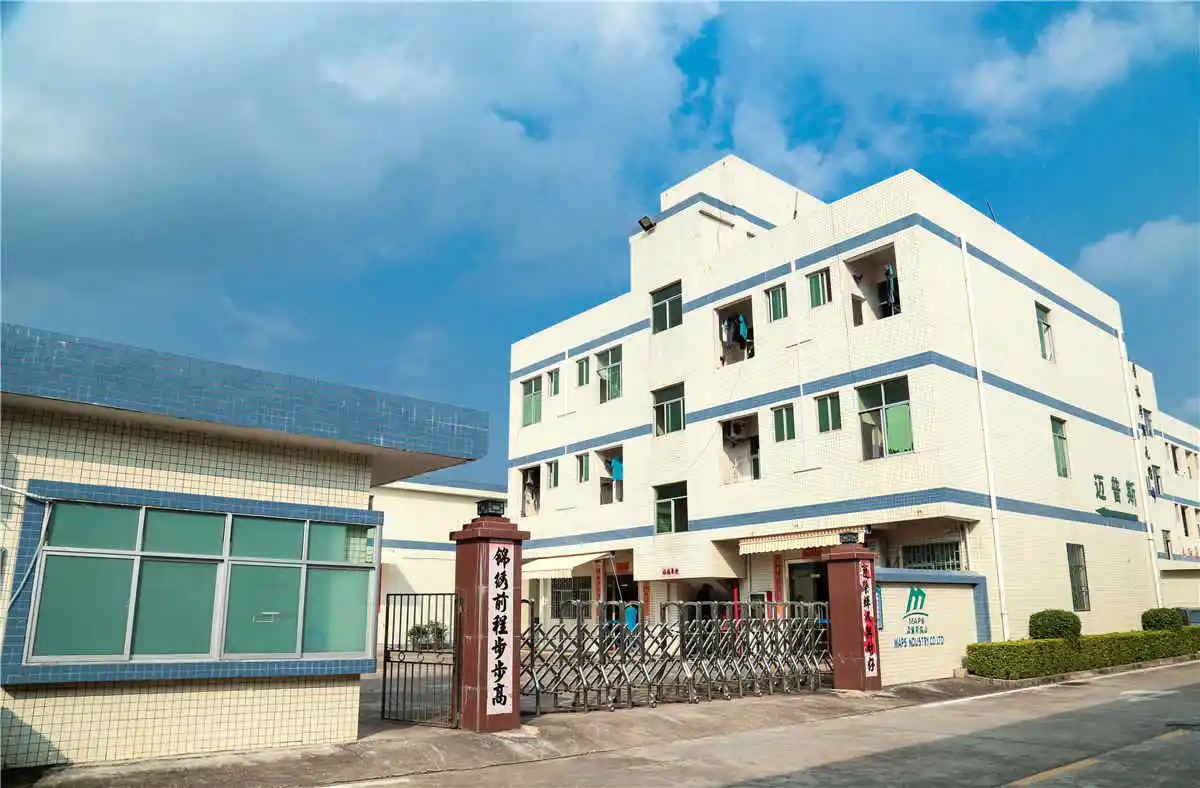
Huizhou Maps Industry Co., Ltd.
- Manufacturer
- Guangdong, China
- Lead time28 days
- Avg. response≤ 3h
Main productsAuto Pillow Machine,Crush Machine,Roll Packing Machine,Sponge Cutter,Ball Fiber Machine
Main marketsNorth America(30.00%), Eastern Europe(25.00%), South America(15.00%), Western Europe(5.00%), Mid East(5.00%), Oceania(5.00%), Africa(5.00%), Southeast Asia(5.00%), Southern Europe(3.00%), Domestic Market(2.00%)
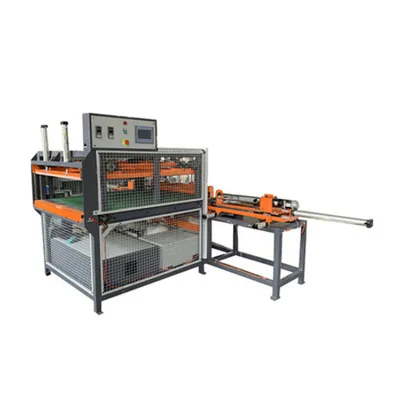
Compress Volume Sealing Packaging Pet Bed Compress Cushion Rolling Packing Machine
$13000.00 - $16500.00
MOQ: 1 pieces
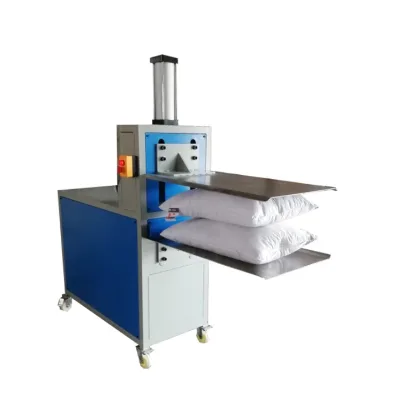
Packaging Machine for Small Business Fully Automatic Pillow Automatic Packaging Machine
$2800.00 - $3000.00
MOQ: 1 pieces

Wuxi Tian Yuan Computer Quilting Machine Co., Ltd.
- Verified by TUVRHEINLAND
- Combined
- China Jiangsu
- Lead time30 days
- Avg. response≤ 4h
Main productsQuilting Machine, Pillow Filling Machine, Ball Fiber Machine, Packing Machine, Opening Machine, Carding Machine, Quilting Machinery, Computerized Quilting Machine, Quilting, Glue-Free Wadding Production Line
Main marketsSouth America,Others(foreignTradeCapacity.exportBusinessCapacityMarketOther),Southeast Asia/ Mideast,Domestic


Auto Compress Packing Machine for Pillow Quilt Duvet Bedding Setts Mattress Blanket
$1000.00 - $6000.00
MOQ: 1 Sets

Fibre Pillow Roll Packing Machine Pillow Compress Rolling Packing Machine
$8000.00 - $10000.00
MOQ: 1 Sets


TAIZHOU FINGTEX SEWING MACHINE CO., LTD.
- Trading Company,Manufacturer/Factory
- China Zhejiang
- Lead time90 days
- Avg. response≤ 17h
Main productsSewing Machine, Industrial Sewing Machine, Locksttich Sewing Machine, Overlock Sewing Machine, Interlock Sewing Machine, Multi-Needle Sewing Machine, Zig Zag Sewing Machine, Shoes Sewing Machine, Bartacking Machine, Fusing Machine
Main marketsSouth America,Eastern Europe,Africa

Hefei Chunhui Machinery Manufacturing Co., Ltd.
- Combined
- China Anhui
- Lead time23 days
- Avg. response≤ 5h
Main productsPackaging Machinery, Liquid Packing Machine, Flow Type Pillow Packing Machine, Tissue Paper Packing Machine, Bottle Water Liquid Prodcution Line, Food Processing Machinery, RO Water Purify System, Pre-Shaped Bag Filling and Sealing Machine
Main marketsAfrica,Domestic

SHENZHEN ZHONGLIDA MACHINERY CO., LTD.
- Verified by BV
- Combined
- China Guangdong
- Lead time23 days
- Avg. response≤ 2h
Main productsSofa Machinery
Main marketsSouth America,Southeast Asia/ Mideast,Europe,North America


Cushion Compress Vacuum Packing Machine Cushion Pillow Compression Packing Machine
$3580.00
MOQ: 1 Pieces


- Trading Company,Manufacturer/Factory
- China Zhejiang
- Lead time60 days
- Avg. response≤ 18h
Main productsPacking Machine, Vacuum Packing Machine, Thermoforming Packing Machine, Sealing Machine, Vacuum Thermoformer, Vacuum Sealer, Packaging Machine, Packing Machinery, Plastic Tube Filling Sealing Machine, China Automatic Form Fill Seal Machine
Main marketsSouth America,Eastern Europe,Mid East,North America,Oceania,Western Europe,Africa

Heavy Pressure Mattress Compress Packing Machine, Pillow Compression Machine
$4000.00 - $18000.00
MOQ: 1 Pieces


Zhengzhou Aslan Machinery Co., Ltd.
- Trading Company
- China Henan
- Lead time15 days
- Avg. response≤ 13h
Main productsFood Machine
Main marketsSouth America,Others(foreignTradeCapacity.exportBusinessCapacityMarketOther),Southeast Asia/ Mideast,Europe,Australia,North America


Fluffy Pillow Compress Packing Sealing Machine / Mattress Compress Vacuum Packing Machine
$900.00 - $1500.00
MOQ: 1 Pieces


Zhengzhou Dream Machinery Co., Ltd.
- Verified by SGS
- Trading Company
- China Henan
- Lead time15 days
- Avg. response≤ 4h
Main productsquilting machine
Main marketsSouth America,Others(foreignTradeCapacity.exportBusinessCapacityMarketOther),Southeast Asia/ Mideast,North America

Qingdao Tokays Machinery Co., Ltd.
- Trading Company,Manufacturer/Factory
- China Shandong
- Lead time30 days
- Avg. response≤ 3h
Main productsPillow Filling Machine, Fiber Opening Machine, Plush Toy Filling Machine, Build a Bear Machine, Ball Fiber Machine, Textile Fabric Waste Recycling Machine, Pillow Packing Machine, Down Filling Machine, Kapok Filling Machine, Polystyrene Beads Filling Machine
Main marketsSouth America,Eastern Europe,Mid East,North America,Southeast Asia,Eastern Asia,Oceania,Western Europe,Africa


Pillow Vacuum Pressing Packing Machine Cushion Pillow Packaging Sealing Machine with CE
$1000.00 - $10000.00
MOQ: 1 Pieces


Linyi Tato International Trading Co., Ltd.
- Verified by SGS
- Trading Company,Manufacturer/Factory
- China Shandong
- Lead time23 days
- Avg. response≤ 3h
Main productsKitchen Cleaning Pads, Stainless Steel Scrubber, Scrubber Making Machine, Cleaning Sponge, Green Scourer Pads, Sponge Scourer Pads, Stainless Steel Wire, Steel Fabric, Packing Machine, Galvanized Scourer
Main marketsSouth America,Eastern Europe,Mid East,North America,Southeast Asia,Western Europe,Africa


Comprehensive Sourcing Guide
Auto Pillow Compress Packaging Machine Supplier Concentration and Factory Types
Current data indicates a concentration of manufacturers and factories located in China, specifically within the Henan, Shanghai, and Shandong provinces. These regions host suppliers offering diverse product lines that include meat processing, textile machinery, and specialized pillow compression equipment. The supplier types observed range from direct manufacturers and factories to combined entities and trading companies, each presenting different operational models for buyers. Manufacturers in Henan and Shandong often list extensive capabilities in OEM, ODM, and own-brand production, suggesting a strong capacity for custom engineering and volume scaling.
In contrast, suppliers in Shanghai are identified as combined entities or trading companies, which may offer a broader portfolio of shrink wrapping and sealing machines alongside compression units. These combined entities often provide ODM and OEM services but may differ in their direct manufacturing depth compared to pure factories. Buyers should note that while some suppliers explicitly state their establishment years, such as those operating since 2003, others do not provide this historical data in the current results. Identifying the specific factory type is crucial, as it influences the ability to customize machinery specifications and the directness of technical support available during the procurement process.
How to Verify Auto Pillow Compress Packaging Machine Suppliers
Verification of supplier credibility relies heavily on checking for specific third-party certifications and verification badges provided in the search results. Several suppliers in the dataset display ISO 9000 or ISO 9001 system certifications, which serve as a baseline indicator of quality management processes. Additionally, some suppliers have undergone verification by CTI, a recognized third-party inspection body, which adds a layer of confidence regarding their business legitimacy. However, not all suppliers in the current results show these certifications; some list their system certification as NIL, requiring buyers to request proof of compliance directly before proceeding with negotiations.
Beyond certifications, buyers must scrutinize the response time metrics provided for each supplier to gauge their operational responsiveness. The observed response times vary significantly, with some suppliers showing a rapid response time of approximately 2.80 hours, while others exhibit a much slower response time of nearly 19.47 hours. This disparity can indicate differences in staffing levels, time zone alignment, or customer service priorities. A supplier with a slow response time may delay critical communication regarding machine specifications or shipping logistics. Buyers should prioritize suppliers with faster response metrics and verify their claim of being a manufacturer or factory by requesting detailed facility tours or video calls to confirm their physical production capabilities.
What to Compare Across Auto Pillow Compress Packaging Machine Suppliers
When evaluating potential partners, buyers should compare key operational dimensions such as lead time, minimum order quantity, and pricing structures to ensure alignment with project requirements. The current data reveals a lead time of 15 days for certain suppliers, which serves as a benchmark for production scheduling. Pricing varies widely across the results, with some machines listed at a minimum of 500.00 and others reaching up to 2850.00, reflecting differences in automation levels, power sources, and included features. Buyers must carefully analyze these price ranges against the specific technical attributes, such as whether the machine is pneumatic, electric, or gas-powered, to understand the value proposition of each quote.
Another critical comparison point is the customization availability and the specific forming functions offered by each supplier. Many suppliers indicate that customization is available, allowing for tailored bag moulding, sealing types, and automatic grades to fit specific production lines. However, the forming species and functions, such as "Bag Moulding" or "Seal," must be matched precisely to the buyer's packaging needs. Additionally, the main products listed by each supplier provide insight into their specialization; some focus heavily on pillow and quilt compression, while others offer a broader range of textile and food processing machinery. Buyers should verify if the supplier's primary focus aligns with their specific need for high-speed pillow roll packing or specialized latex foam compression to ensure technical expertise.
Common Auto Pillow Compress Packaging Machine Sourcing Risks
One significant risk in sourcing these machines involves the variability in power sources and automation levels, which can lead to compatibility issues with existing factory infrastructure. The results show machines powered by electricity, pneumatics, and even gas, meaning a buyer must confirm the specific power requirements of their facility before ordering. Selecting a machine with an incompatible power source, such as a gas-powered unit in a facility designed only for electric operations, can result in costly retrofits or operational downtime. Furthermore, the presence of different sealing types, including hot melt sealing and vacuum sealing, requires careful verification to ensure the chosen technology meets the specific sealing integrity standards required for the products being packaged.
Another risk pertains to the lack of standardized documentation and the potential for missing technical specifications in the initial product listings. While some suppliers provide detailed attributes like air cylinder pressure and quantity, others may omit critical data such as the exact dimensions or the specific model numbers required for spare parts. The absence of a clear establishment year for some suppliers also poses a risk regarding their long-term stability and ability to provide after-sales support. Buyers should be wary of suppliers who do not clearly state their main products or who list a wide array of unrelated machinery, as this may indicate a lack of specialized focus. Verifying the origin of the machine and the specific export packing standards, such as the use of standard wooden boxes, is essential to prevent damage during transit.
Auto Pillow Compress Packaging Machine Regional Sourcing and Logistics
Sourcing from the identified regions in China, including Henan, Shanghai, and Shandong, offers distinct logistical advantages and challenges that buyers must navigate. Suppliers in these provinces typically utilize standard export wooden boxes for packing, which helps protect the machinery during international shipping. However, the specific dimensions of the machines, ranging from 7007001410mm to larger configurations, will directly impact freight costs and container utilization. Buyers should calculate the volumetric weight of the equipment based on the provided standard dimensions to estimate shipping expenses accurately and ensure that the chosen logistics partner can handle oversized industrial machinery.
The regional concentration of suppliers also influences the speed of communication and the potential for on-site inspections. Suppliers in Shanghai, often classified as combined entities, may offer easier access for international buyers due to the city's status as a major port and business hub. In contrast, suppliers in Henan and Shandong, while offering direct manufacturing capabilities, may require more travel time for physical verification. Buyers should consider the time zone differences and the specific response times observed, such as the 2.80-hour average for some, when planning their communication schedule. Establishing a clear logistics plan that accounts for the origin of the machine and the specific export packaging requirements is vital to ensure timely delivery and minimize the risk of damage during the transit phase.
Auto Pillow Compress Packaging Machine Commercial Terms and Order Planning
Commercial terms for these machines often include specific minimum order quantities and flexible pricing structures that depend on the level of customization required. The data indicates that some suppliers accept orders with a minimum quantity of just one unit, which is beneficial for small-scale buyers or those testing new machinery. However, pricing can fluctuate based on the specific configuration, such as the inclusion of pneumatic devices or the choice of automatic grade. Buyers should negotiate based on the total cost of ownership, including the price range observed from 500.00 to 2850.00, and clarify whether the quoted price includes the standard export wooden box and any necessary installation manuals.
Order planning must also account for the lead time and the specific production capacity of the supplier. With a lead time of 15 days noted for some suppliers, buyers should factor this into their production schedule to avoid delays in their own operations. Additionally, the capacity for OEM and ODM services allows for tailored solutions, but buyers must provide clear specifications early in the process to ensure the final product meets their expectations. It is crucial to verify the supplier's ability to meet the required production standards, such as the 400KG capacity mentioned for certain models, and to confirm the availability of spare parts. Establishing a clear timeline for production, shipping, and installation is essential to ensure a smooth integration of the new Auto Pillow Compress Packaging Machine into the buyer's facility.
FAQs
Where are the manufacturers of these machines located?
Manufacturers are located in China, specifically in Henan, Shanghai, and Shandong provinces. Buyers can find facilities in these regions offering various processing solutions for pillows and textiles.
What is the typical lead time for delivery?
The lead time for these machines is typically 15 days. This duration applies to standard orders from verified manufacturers in China, ensuring timely production and shipment for international buyers.
Do suppliers offer customization for these machines?
Yes, customization is available for many models. Buyers can request specific forming species, sealing functions, or packaging materials to match their production needs while maintaining automatic operation standards.
What certifications do the suppliers hold?
Many suppliers hold ISO 9000 and ISO 9001 certifications. Some also display CE certification for specific models, ensuring compliance with international safety and quality standards for industrial machinery operations.
What is the minimum order quantity required?
The minimum order quantity is one unit for most models. This allows buyers to purchase a single machine for testing or small-scale production without needing to meet high volume thresholds.
How quickly do suppliers typically respond to inquiries?
Response times vary, with some suppliers responding within 2.8 hours. Others may take longer, so checking individual supplier profiles is recommended to ensure timely communication regarding your specific needs.
What is the price range for these machines?
Prices range from 500 to 3000 USD depending on the model and specifications. Specific models like the YS800/1E or automatic compression units fall within this competitive market price bracket.
Are there manufacturers established for many years?
Some manufacturers have been established since 2003, indicating long-term industry experience. Buyers should verify specific company histories to ensure reliability and consistent support for their machinery requirements.