Custom Palestinian Flag Suppliers and Manufacturers
Source Custom Palestinian Flag products from 28 verified suppliers in Zhejiang, China. Compare digital printing capabilities, polyester materials, and lead times of 15 days. Request quotes to verify MOQs and response times for your specific flag dimensions; review the available evidence before requesting comparable quotations from suitable candidates.
Suppliers List
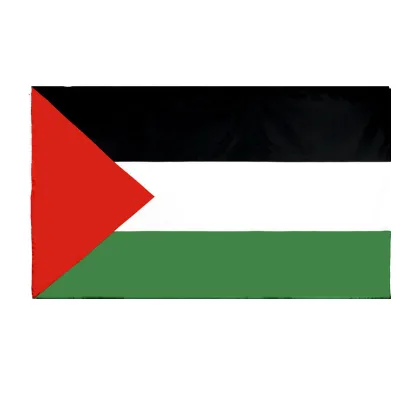
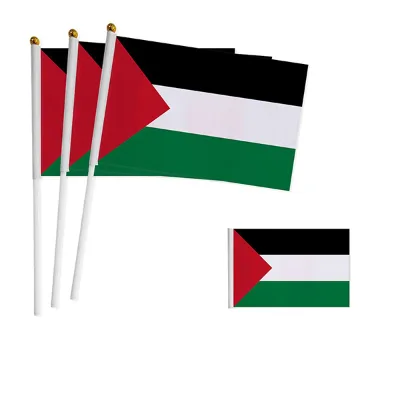
Ningbo Exhibest Display Equipment Co., Ltd.
- Manufacturer
- Zhejiang, China
- Lead time15 days
- Avg. response≤ 8h
Main productsbeach flag,banner,flag pole,flag base,teardrop flag
Main marketsWestern Europe(40.00%), South America(25.00%), North America(10.00%), Oceania(10.00%), Eastern Europe(10.00%), Eastern Asia(5.00%)
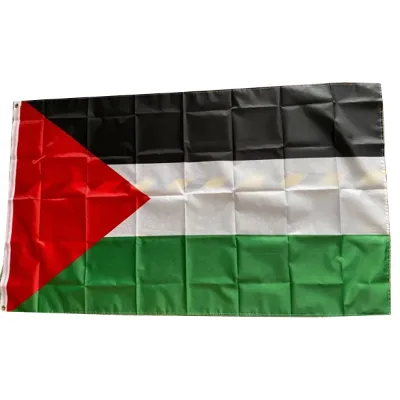
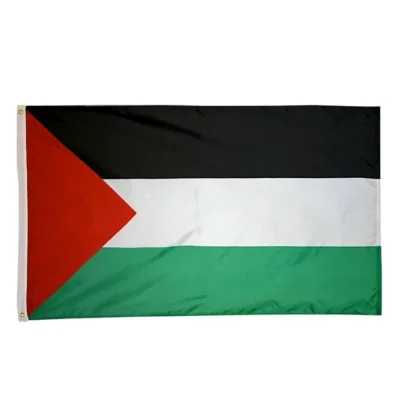
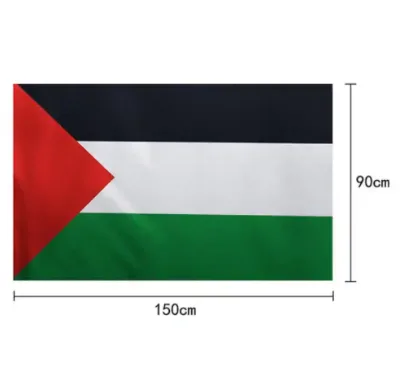
$0.36 - $2.27
MOQ: 25 Minimum
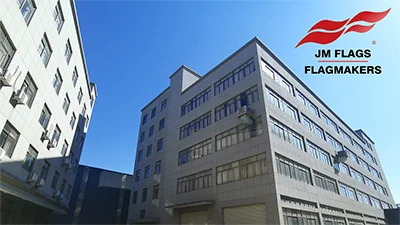
Dongyang Junmei Flags Co., Ltd.
- Manufacturer, Trading Company
- Zhejiang, China
- Lead time7 days
- Avg. response≤ 8h
Main productsCustom Flags/ String Flags/ Stick Flags/ Car Flags; Scarfs
Main marketsNorth America(30.00%), Domestic Market(30.00%), Western Europe(20.00%), Northern Europe(10.00%), Southern Europe(5.00%), Eastern Europe(5.00%)
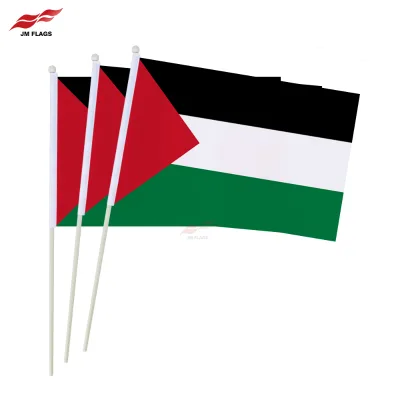
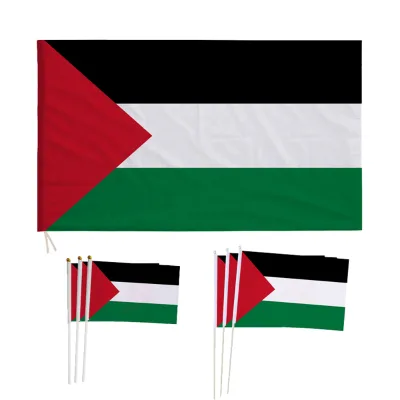
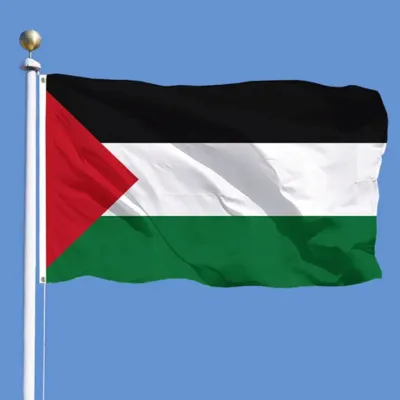
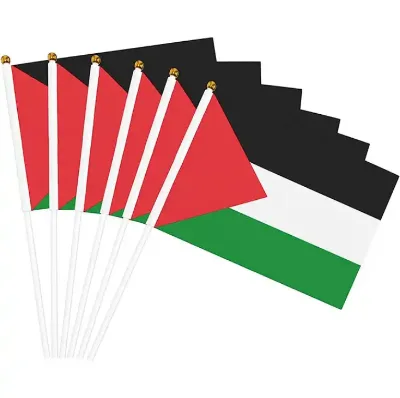
Custom Design Palestine Hand Waving Flag Normal Palestine Flag With Plastic Rod
$0.06 - $0.08
MOQ: 100
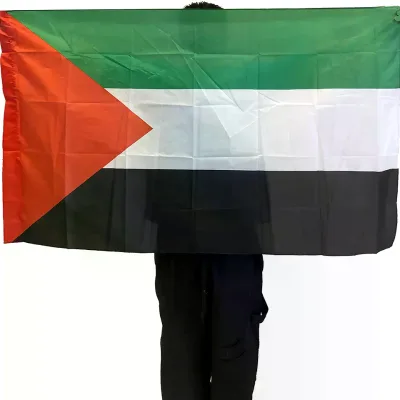
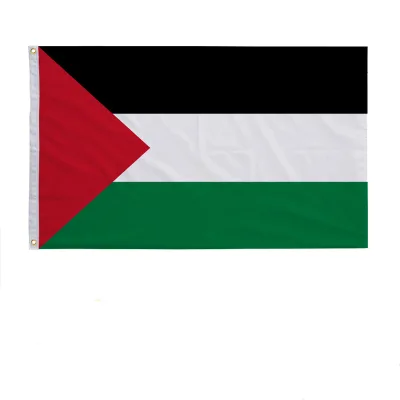
Wholesale Price Screen Printing Custom Flag Polyester World Flags Palestine Big Flag
$0.64 - $1.00
MOQ: 100

Hefei Jingyi Image Printing Co., Ltd.
- Verified by CTI
- Trading Company,Manufacturer/Factory
- China Anhui
- Lead time15 days
- Avg. response≤ 9h
Main productsTent, Inflatable Arch, Flag, Banner, Sticker, Photo Booth Props, Event Display Stands, Pop up Tent, Star Tent, Inflatable Advertising
Main marketsSouth America,Eastern Europe,Mid East,North America,Southeast Asia,Eastern Asia,Oceania,Western Europe,Africa

Sporting Events Custom Palestinian Country Polyester Mini Palestine Hand Waving Flag
$0.80 - $1.80
MOQ: 10 Pieces

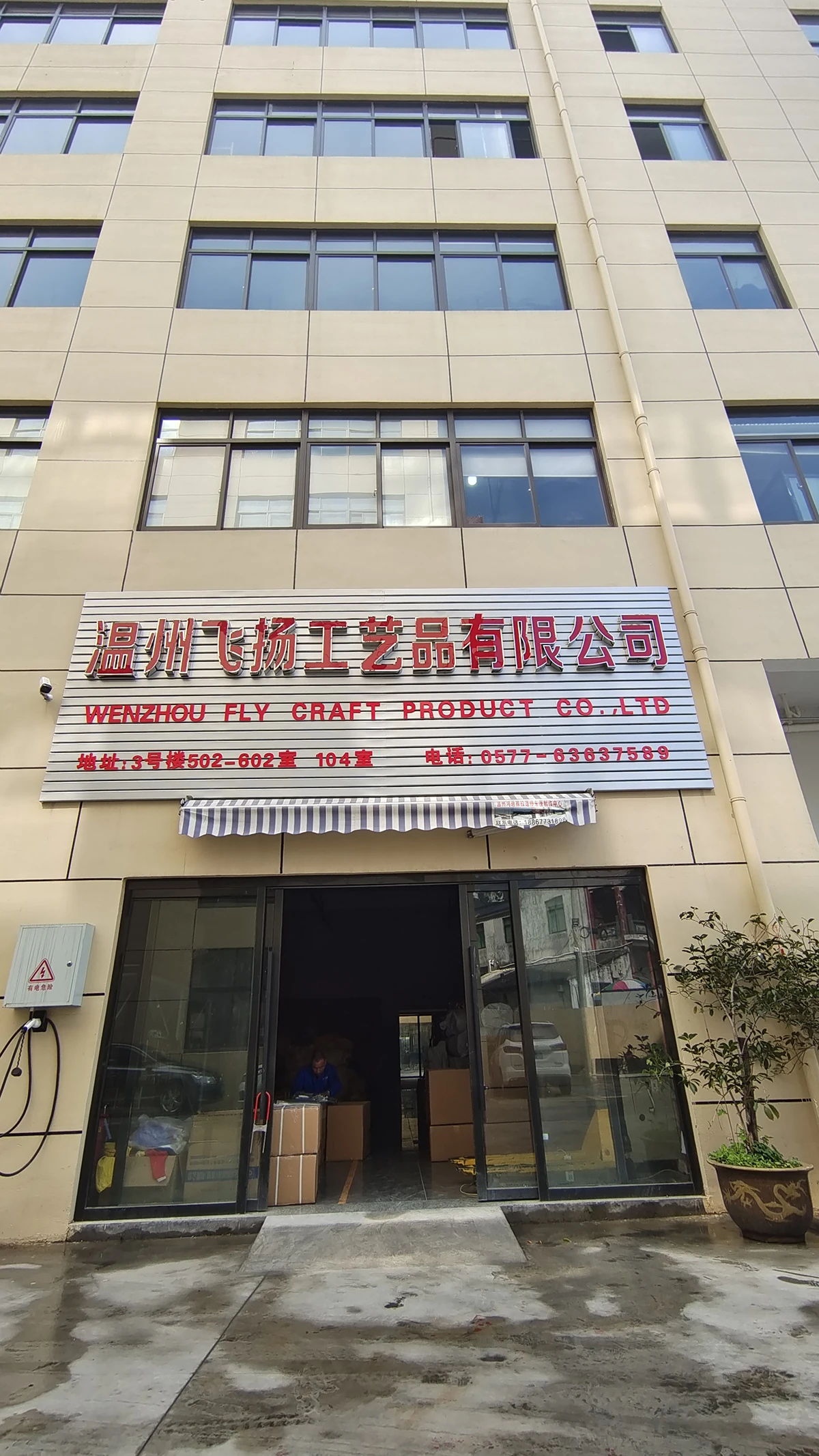
Wenzhou Fly Craft Product Co., Ltd.
- Manufacturer, Trading Company
- Zhejiang, China
- Lead time18 days
- Avg. response≤ 6h
Main productsFlags,Safety flag,Felt pennant,Cotton bag,Hoodies
Main marketsMid East(100.00%), Oceania(100.00%), South Asia(100.00%), Central America(20.00%), North America(20.00%), Eastern Europe(15.00%), Southern Europe(10.00%), Western Europe(10.00%), Northern Europe(10.00%), Domestic Market(9.00%), Africa(2.00%), Southeast Asia(2.00%), Eastern Asia(1.00%), South America(1.00%)
Yiwu Hannuo Import & Export Co., Ltd.
- Trading Company
- Zhejiang, China
- Lead time0 days
- Avg. response≤ 4h
Main productsBanner, Flags, Advertising Tent, Promotional Gifts
Main marketsNorth America(30.00%), South America(10.00%), Western Europe(10.00%), Eastern Europe(10.00%), Mid East(10.00%), Oceania(5.00%), Southern Europe(5.00%), Northern Europe(5.00%), Africa(5.00%), Central America(3.00%), Southeast Asia(3.00%), South Asia(2.00%), Eastern Asia(2.00%)

Linyi Aozhan Import and Export Co., Ltd.
- Verified by SGS
- Manufacturer/Factory
- China Shandong
- Lead time23 days
- Avg. response≤ 3h
Main productsFlag, Banner, Car Falg, National Flag, Hand Waving Flag, Advertising Flag, Christmas Decoration Banner Flag, Pennant Sports Scarf, Garden Flag, Beach Feather Flag
Main marketsSouth America,Eastern Europe,Mid East,North America,Southeast Asia,Eastern Asia,Oceania,Western Europe,Africa


High Quality Cheap Custom Size Palestine Flag National Flag, Banners All Countries of The World Flag
$0.99 - $1.70
MOQ: 100 Pieces


Flying Flags, Blue White Israel National Flag, Israel Nation Flag, Car Window Flag
$0.99 - $2.99
MOQ: 100 Pieces

Hot Sell Indoor Outdoor Custom Any Size Small or Large National Flag Palestine Flag
$0.99 - $1.70
MOQ: 100 Pieces

Hebei New Sight Outdoor Products Co., Ltd.
- Verified by SGS
- Combined
- China Hebei
- Lead time23 days
- Avg. response≤ 6h
Main productspop up tent
Main marketsEurope
- Verified by Intertek
- Manufacturer, Trading Company
- Lead time7 days
- Avg. response≤ 3h
Main productsCustom Flags And Banners , Promotion Gifts, Promotion Apparel And Accessories, Advertising Display , Sports Entertainment Gifts
Main marketsNorth America(43%), Western Europe(25%), Oceania(16%)

- Verified by TUVRHEINLAND
- Combined
- China Hubei
- Lead time15 days
- Avg. response≤ 3h
Main productsFlag, Banner, Stubby Cooler, Tent, Umbrella, T Shirt, Drawstring Bag, Towel, Scarf, Protection Face Mask
Main marketsSouth America,Africa,Southeast Asia/ Mideast,East Asia(Japan/ South Korea),Europe,Australia,North America


150 X 90cm Cheap Palestine Flag Polyester Gaza Palestinian Office/Parade/Festival
$0.25 - $1.98
MOQ: 100 Pieces
Yiwu Hannuo Import And Export Co., Ltd.
- Verified by TüVRheinland
- Trading Company
- Lead time0 days
- Avg. response≤ 6h
Main productsBanner, Flags, Advertising Tent, Promotional Gifts
Main marketsNorth America(26%), South America(12%), Mid East(12%)
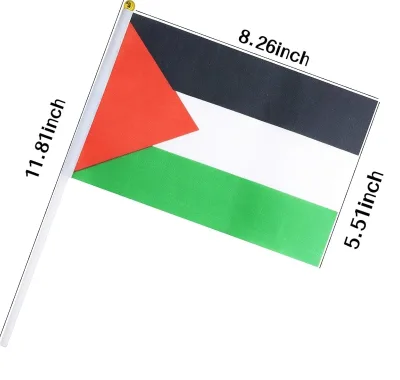
14*21Cm Flag of Palestine Hand-Waved Flag of the World Flag Custom Palestinian
$0.08 - $0.15
MOQ: 100 pieces
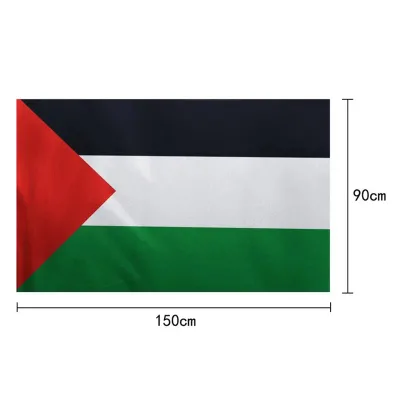
High Quality Low Price Custom 90X150cm Palestine National Polyester Flag for Promotion Supply
$0.60 - $1.20
MOQ: 100 pieces
$0.70 - $1.20
MOQ: 200 pieces
Hangzhou D&d Import And Export Co., Ltd.
- Trading Company
- Zhejiang, China
- Lead time20 days
- Avg. response≤ 3h
Main productsFlag Banner, Flag Gifts
Main marketsNorth America(60.00%), Western Europe(10.00%), Mid East(10.00%), Southeast Asia(10.00%), South America(5.00%), Africa(5.00%)
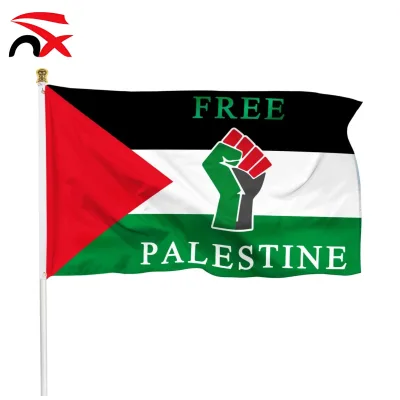
$0.83 - $1.14
MOQ: 100 pieces
Hefei Jiayin Technology Co., Ltd.
- Verified by SGS Group
- Trading Company
- Lead time6 days
- Avg. response≤ 2h
Main productsAdvertising Tent, Advertising Banner, Advertising Flag, Display Stand, Sticker
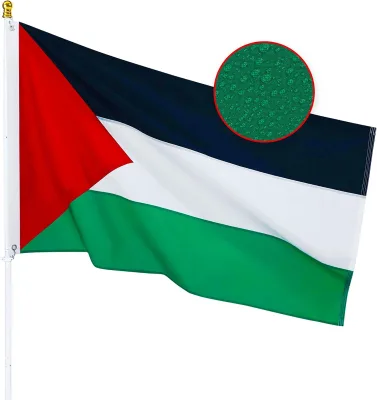
Wholesale High Quality Cheap Flying Flag Flag of Palestine Custom Polyester Campaign Flag
$0.80 - $2.30
MOQ: 10 pieces
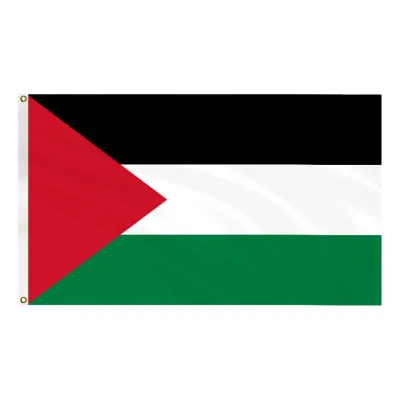
Shenzhen Feshion Trade Co., Ltd.
- Verified by SGS Group
- Trading Company
- Lead time10 days
- Avg. response≤ 4h
Main productsNational Flag, Beach Flag, Embroidery Flag, Custom Banner, Car Flag
Main marketsNorth America(31%), Oceania(20%), Eastern Europe(8%)
Guangzhou Mangou Craft Co., Ltd.
- Verified by TüVRheinland
- Trading Company
- Lead time5 days
- Avg. response≤ 2h
Main productsPromotion Gift Set, Advertising Umbrella, Lanyard, Advertising T-shirt, Keychain
Main marketsNorth America(25%), Eastern Europe(20%), South America(10%)

Dongying Mingyang Advertising Co., Ltd.
- Trading Company
- China Shandong
- Lead time0 days
- Avg. response≤ 1h
Main productsTents, Flag, Event Tents, Custom Flags, Tension Fabric Wall, Sales Tents, Beach Flag, Camping Tents, Banner

High-End Custom Flags, Banners and National Flags of The United Arab Emirates
$2.50 - $11.50
MOQ: 10 Pieces


Customized Syrian Arab Flag of The Syrian Republic 3X5FT, 100% Polyester-Free
$2.50 - $11.50
MOQ: 10 Pieces


Guangzhou Mangou Arts and Crafts Co., Ltd.
- Verified by SGS
- Manufacturer/Factory
- China Guangdong
- Lead time15 days
- Avg. response≤ 4h
Main productsLanyards, Rubber Keychains / Soft PVC Keyring, Mouse Pads, Canvas Bags, Silicone Bracelets / Fabric Bracelets, Advertising Flags, Drawstring Bags, Car Paper Air Freshener, Caps / Hats, Ballpoint Pens
Main marketsSouth America,Eastern Europe,Mid East,North America,Southeast Asia,Eastern Asia,Oceania,Western Europe,Africa

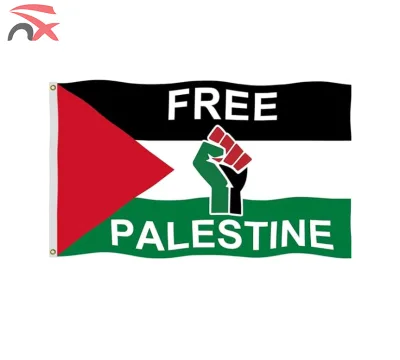
Wholesale Free Palestine Flag Custom Size Palestine Large Flag Palestine Hand-Waving Flag
$0.12 - $0.50
MOQ: 100 Pieces

Custom Free Palestine Clothes Palestine Flag T-Shirt Palestine Promotional Product
$0.12 - $0.50
MOQ: 100 Pieces

New Product Explosion Custom Palestinian Flag Logo Business Promotional Gifts
$0.12 - $0.50
MOQ: 100 Pieces
Foshan Dasi Metal Technology Co., Ltd.
- Verified by SGS Group
- Manufacturer, Trading Company
- Lead time15 days
- Avg. response≤ 1h
Main productsBeach Flags, Backdrop Stand, Tents, LED Light Box, Flags and Banners
Main marketsSoutheast Asia(25%), North America(20%), Mid East(12%)

Zhongshan Niya Metal Manufacture Co., Ltd.
- Verified by BV
- Manufacturer/Factory
- China Guangdong
- Lead time15 days
- Avg. response≤ 2h
Main productsKeychain, Lapel Pin, Medal, Coin, Bottle Opener, Cufflinks, Metal Cards, Wine Stopper, Fridge Magnet, Dog Tag
Main marketsSouth America,Eastern Europe,Mid East,North America,Southeast Asia,Eastern Asia,Oceania,Western Europe,Africa

$0.45 - $0.79
MOQ: 300 Pieces

$0.45 - $0.79
MOQ: 300 Pieces


Wholesale Country Palestine Flag Lapel Metal Pins Badge Palestine Hard Enamel Pin Badge
$0.45 - $0.79
MOQ: 300 Pieces

- Manufacturer
- China Guangdong
- Lead time30 days
- Avg. response≤ 3h
Main productsBanner, Blanket
Main marketsEurope
Shaoxing Fangni Textile Technology Co., Ltd.
- Trading Company
- Zhejiang, China
- Lead time0 days
- Avg. response≤ 5h
Main productsflag,flag fans scarf,flags bandanas,flag accessories,sports
Main marketsNorth America(40.00%), South America(20.00%), Western Europe(15.00%), Southern Europe(5.00%), Northern Europe(5.00%), Eastern Europe(5.00%), Eastern Asia(5.00%), Mid East(5.00%)

Zhongshan Keychain Gifts & Crafts Co., Ltd.
- Combined
- China Guangdong
- Lead time15 days
- Avg. response≤ 6h
Main productsKey Ring, Key Chain, Metal Key Chain, Bag Hanger, Compact Mirror, Medal, Key Chain with Bottle Opener, Promotional Gift, Souvenir, Badge
Main marketsSouth America,Europe,Australia,North America


Factory Custom Cheap Enamel Gold Palestine Flag Pin Brooch Arabs Country Peace Badge
$0.20 - $0.40
MOQ: 100 Pieces

Free Artwork Cheap Gold Enamel Flag Badge Free Palestine Brooch Pins Custom
$0.20 - $0.38
MOQ: 100 Pieces

Factory Price Cheap Metal Printing Logo Epoxy Palestine Flag Lapel Pin Custom
$0.20 - $0.37
MOQ: 100 Pieces

Promotion Gold Enamel Arab Country Flag Brooch Lapel Pin Free Palestine Badge Wholesale
$0.20 - $0.38
MOQ: 100 Pieces

Wholesale Cheap Metal Printing Logo Epoxy Free Arab Country Palestine Flag Brooch
$0.20 - $0.37
MOQ: 100 Pieces

Zhongshan Echo Crafts Co., Ltd.
- Verified by BV
- Combined
- China Guangdong
- Lead time15 days
- Avg. response≤ 4h
Main productsMedal, Badge, Keychain, Coin, Lanyard, Wristband, Bottle Opener, Dog Tags, Lapel Pin, Key Ring
Main marketsSouth America,Southeast Asia/ Mideast,Europe,Australia,North America

Manufacturer Custom Israeli Flag Metal Badge Soft Enamel Palestine Badge Flag Pin
$0.35 - $0.50
MOQ: 50 Pieces

Manufacturers Custom Palestine Flag Enamel Pins Badge Metal Free Palestine Flag Pin with Epoxy
$0.35 - $0.50
MOQ: 50 Pieces

Wholesale Cheap Custom Metal Iron Stamping National Country Flag Enamel Pin Badge Flag Pin
$0.21 - $0.50
MOQ: 50 Pieces

- Verified by SGS
- Combined
- China Guangdong
- Lead time15 days
- Avg. response≤ 3h
Main marketsSouth America,Africa,Southeast Asia/ Mideast,East Asia(Japan/ South Korea),Europe,Australia,North America
Jiangxi Zhouhe Trading Co., Ltd.
- Trading Company
- Jiangxi, China
- Lead time0 days
- Avg. response≤ 7h
Main productsCustom fabric flag banner,Beach flag,Custom Company Flag banner,Custom PVC/Vinyl Banner,National flag
Main marketsNorth America(25.00%), Eastern Europe(15.23%), Western Europe(11.50%), Southeast Asia(10.00%), South America(10.00%), Mid East(8.50%), Southern Europe(8.00%), Northern Europe(3.00%), Eastern Asia(2.00%), Domestic Market(2.00%), Oceania(2.00%), Central America(0.99%), South Asia(0.98%), Africa(0.80%)

Yiwu Huidong Industrial & Trade Co., Ltd.
- Verified by TUVRHEINLAND
- Trading Company
- China Zhejiang
- Lead time15 days
- Avg. response≤ 5h
Main productsSoccer Ball, Basketball, Volleyball, Badminton, Teble Tennis, Tennis, Whistle, Skipping Rope, Flag, Beach Bat
Main marketsSouth America,North America

$0.05 - $0.08
MOQ: 3000 Pieces

National Wholesale Free Palestine Flag 90X150cm 100% Polyester Palestine Flag National Country Flag
$0.93 - $1.00
MOQ: 200 Pieces
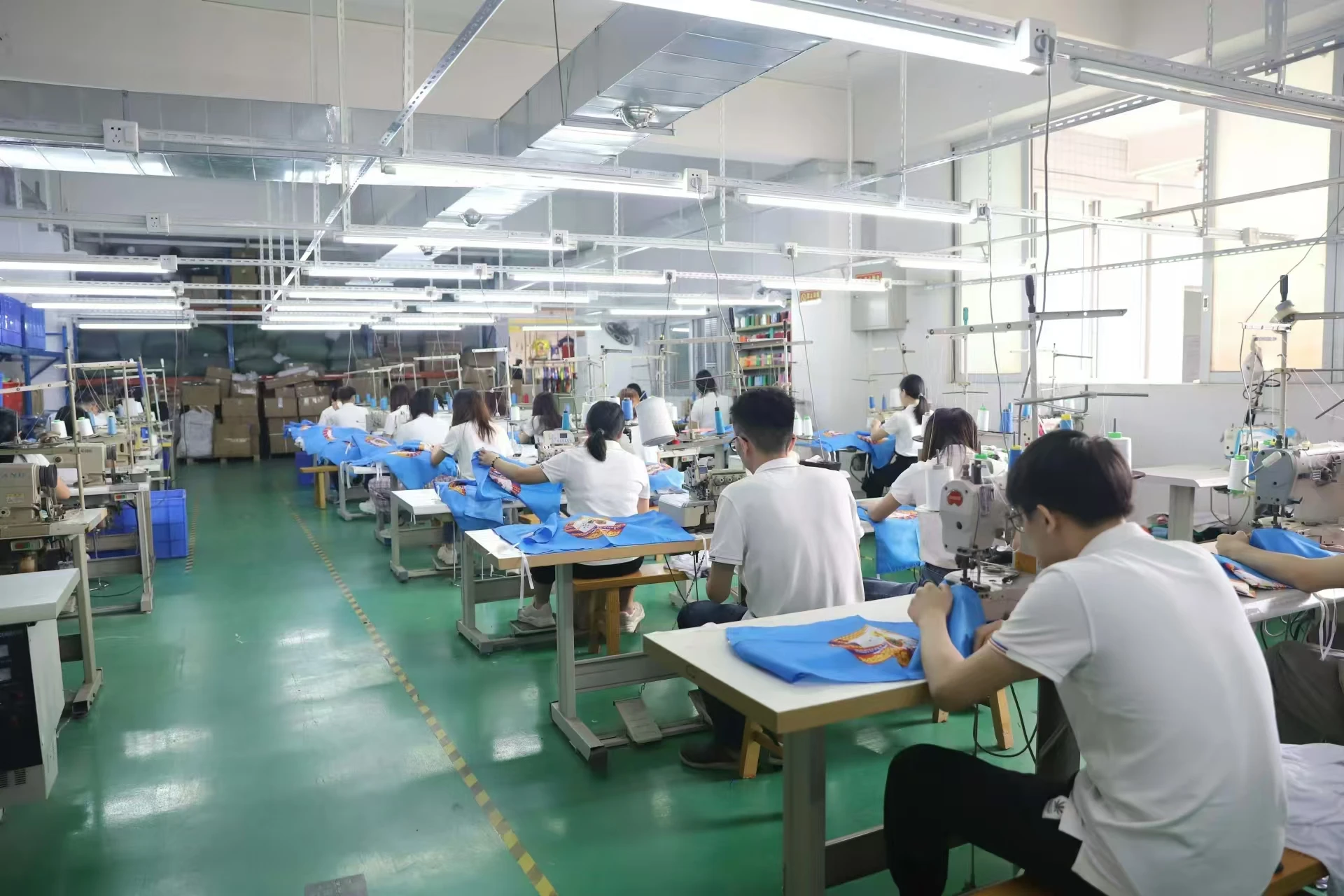
Nanjing Xingchi Import And Export Co., Ltd.
- Trading Company
- Jiangsu, China
- Lead time7 days
- Avg. response≤ 1h
Main productsFlags,Banner,Display Accessories,Electric bikes
Main marketsEastern Asia(30.00%), Mid East(20.00%), North America(20.00%), South Asia(12.00%), Western Europe(10.00%), Eastern Europe(8.00%)
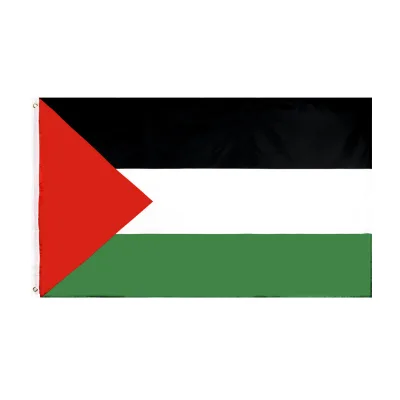
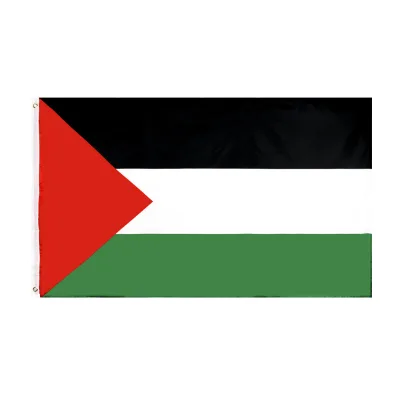
Custom 3X5Ft Factory Wholesale Cheap Palestinian Flag, Polyester, Screen Printing Flag
$0.69 - $1.28
MOQ: 20 pieces
Shaoxing Bolisi Clothing Co., Ltd.
- Verified by SGS Group
- Manufacturer, Trading Company
- Lead time15 days
- Avg. response≤ 7h
Main productsFlags, Scarf, Bags, Fans, Car Accessories
Main marketsNorth America(20%), Eastern Europe(20%), Western Europe(20%)

- Verified by TUVRHEINLAND
- Trading Company,Manufacturer/Factory,Group Corporation
- China Fujian
- Lead time15 days
- Avg. response≤ 9h
Main productsFlag, Banner, Flagpole, Pop up Display, Table Cover, Display Flags, Bandana Scarf, Tents, Vinyl Banner, Drawstring Bag
Main marketsSouth America,Eastern Europe,Mid East,North America,Southeast Asia,Eastern Asia,Oceania,Western Europe,Africa








Comprehensive Sourcing Guide
Custom Palestinian Flag Supplier Concentration and Factory Types
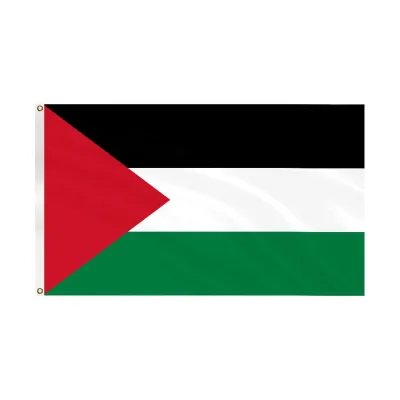
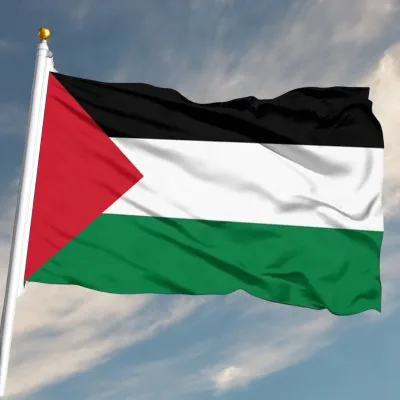
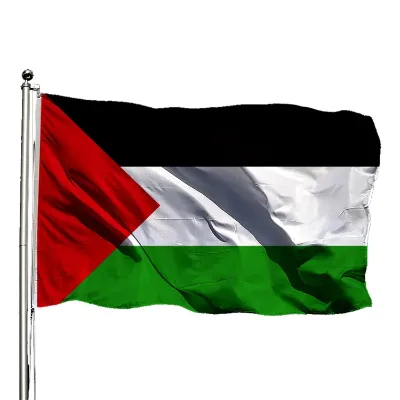
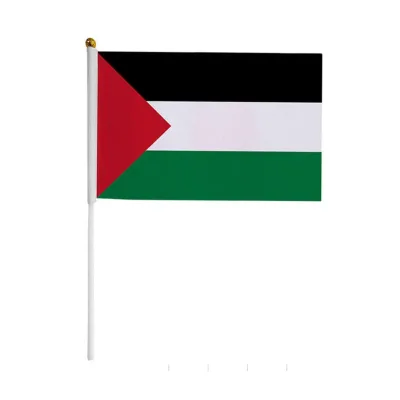
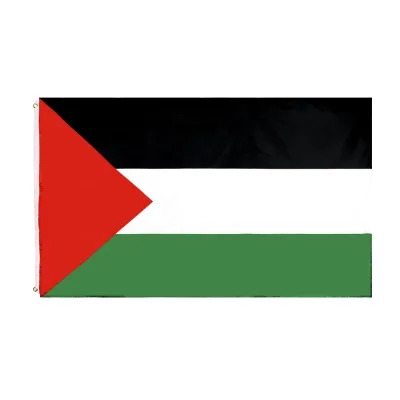
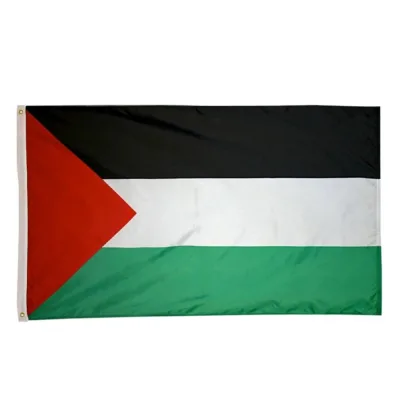
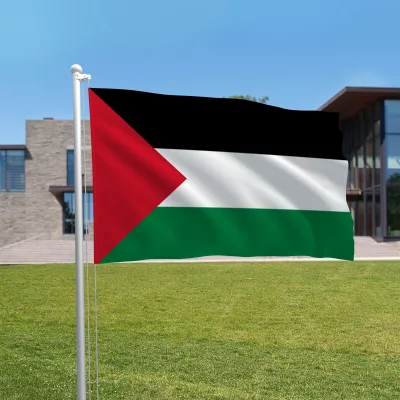
The available data indicates a significant concentration of manufacturers specializing in custom Palestinian flags within the Zhejiang province of China. This region hosts factories that list beach flags, banners, and flag poles as their primary product lines, suggesting a specialized industrial cluster for textile display goods. These suppliers are identified as manufacturers rather than trading companies, which often implies direct control over the production process for items like digital printed polyester flags. The presence of multiple product listings with specific model numbers and brand names like "EB" within this location reinforces the existence of established production facilities capable of handling custom orders.
Buyers should verify if other potential suppliers operate from different regions, as some product attributes list origins in Jilin, China, indicating a broader geographic spread of manufacturing capabilities. When assessing factory types, the distinction between a manufacturer and a trading company is critical for understanding supply chain transparency. A manufacturer typically offers direct communication regarding production adjustments, while a trading company might aggregate orders from various workshops. The observed supply ability of 100,000 pieces per month for specific flag models suggests that these Zhejiang-based factories have the capacity to handle large-scale promotional campaigns or bulk orders for international events.
How to Verify Custom Palestinian Flag Suppliers
Verification begins with scrutinizing the specific product attributes provided in the supplier listings, such as the declared place of origin and material composition. For instance, confirming that the flag material is polyester and the printing method is digital or screen printing helps validate the supplier's technical capability. Buyers must cross-reference the stated response time, which appears to be eight hours in some records, against actual communication to ensure the supplier is active and responsive. It is essential to check if the supplier provides detailed packaging information, such as the use of OPP bags or specific carton quantities, as this reflects their operational maturity.
Additionally, buyers should request proof of the supplier's ability to meet specific size requirements, as the data shows options ranging from 20x30cm to 90x150cm. The presence of custom design capabilities and the ability to print on various sizes like 3x5ft or 70x100cm are key indicators of a flexible manufacturing partner. Verification also involves checking the port of dispatch, with Ningbo appearing as a specific location for some listings, which aids in logistics planning. Buyers must ensure that the supplier's claimed supply ability, such as 100,000 pieces per month, aligns with their actual order volume and production schedule to avoid delays.
What to Compare Across Custom Palestinian Flag Suppliers
When evaluating multiple suppliers, the primary comparison points should include lead times, minimum order quantities, and response speeds. The data reveals a lead time of 15 days for certain orders, which serves as a benchmark for production scheduling. Buyers should compare this against other suppliers to determine who can meet their specific deadline requirements. Minimum order quantities vary significantly, with some listings showing an MOQ of 2 pieces while others require 25, allowing buyers to select partners that match their inventory strategy. Response times are another critical metric, with an observed eight-hour window indicating a high level of customer service readiness.
Price is another vital factor, with unit costs ranging from approximately 0.36 to 2.27 depending on the specific product configuration and printing method. Buyers must compare these price points against the quality of materials, such as the use of Italy Environmental Ink or specific polyester fabrics, to ensure value. The application of the flags, whether for sports events, tradeshow giveaways, or advertising, should also influence the comparison, as different suppliers may specialize in different use cases. Additionally, the availability of custom designs and the variety of flag styles, including flying, hanging, or pennant types, should be weighed to find the best fit for the buyer's specific promotional needs.
Common Custom Palestinian Flag Sourcing Risks
One significant risk involves the discrepancy between the stated place of origin and the actual manufacturing location, as some listings mention Jilin while others cite Zhejiang. This inconsistency can lead to confusion regarding shipping routes, tariffs, and the reliability of the supply chain. Buyers must verify the actual factory location to ensure that the logistics costs and delivery times are accurately calculated. Another risk is the variation in material quality and printing durability, as different suppliers may use different inks or fabric weights that affect the flag's longevity in outdoor conditions.
Furthermore, the risk of inconsistent product specifications exists when suppliers offer a wide range of sizes and styles without clear standardization. For example, the availability of custom sizes like 70x100cm or 60x90cm alongside standard 3x5ft flags requires careful communication to prevent errors in the final order. The potential for supply chain disruptions is also a concern, especially if a supplier claims a high supply ability but lacks the infrastructure to fulfill large orders during peak seasons. Buyers should also be wary of suppliers who do not provide clear packaging details, as this can lead to damage during transit or difficulties in inventory management upon arrival.
Custom Palestinian Flag Regional Sourcing and Logistics
The regional sourcing landscape for custom Palestinian flags is heavily influenced by the location of the manufacturing hubs, with Zhejiang and Jilin emerging as key production centers. Suppliers in Zhejiang, such as those dispatching from Ningbo, offer logistical advantages due to the proximity to major shipping ports, which can reduce transit times and costs for international buyers. The specific port of dispatch mentioned in the data provides a concrete starting point for freight forwarders to calculate shipping rates and delivery schedules. Buyers should prioritize suppliers with established port connections to ensure smoother logistics operations and fewer delays in the supply chain.
However, buyers must also consider the logistics implications of sourcing from different regions, as the distance from the factory to the port can vary significantly. For instance, a supplier in Jilin may have different shipping routes compared to one in Zhejiang, potentially affecting the overall cost and time of delivery. The packaging details, such as the single package size and weight, are crucial for calculating freight charges and optimizing container space. Buyers should verify the specific shipping terms and ensure that the supplier's logistics capabilities align with their delivery requirements to avoid unexpected costs or delays in receiving their custom flags.
Custom Palestinian Flag Commercial Terms and Order Planning
Commercial terms for custom Palestinian flags often include specific minimum order quantities and pricing structures that vary by supplier. The data indicates that some suppliers accept orders as low as two pieces, while others require a minimum of 25, which impacts the buyer's ability to test the market or fulfill small orders. Pricing is also dynamic, with unit costs fluctuating based on the printing method, material quality, and order volume. Buyers must carefully review these terms to ensure they align with their budget and inventory planning strategies before committing to a large order.
Order planning should also account for the lead time and production capacity of the selected supplier. With a lead time of 15 days observed in some cases, buyers need to factor this into their overall project timeline to ensure timely delivery. The supply ability of 100,000 pieces per month suggests that suppliers can handle large orders, but buyers should confirm this capacity during the planning phase to avoid bottlenecks. Additionally, the availability of custom designs and the flexibility to adjust sizes or colors are essential considerations for order planning, as they allow buyers to tailor the product to their specific promotional needs while maintaining a clear understanding of the production timeline and costs.
FAQs
Where are these custom Palestinian flags manufactured?
Most suppliers listed are located in Zhejiang, China, with one facility in Jilin. These regions specialize in textile printing and flag production. Buyers should verify the specific factory address for each order to ensure accurate shipping calculations and compliance with local trade regulations.
What is the typical lead time for custom orders?
The standard lead time observed is 15 days for production. This duration covers material sourcing, digital or screen printing, and quality checks. Expedited options may vary, so confirm the exact delivery schedule with the manufacturer before finalizing payment terms for urgent promotional events.
What are the minimum order quantities for these flags?
Minimum order quantities vary by supplier and printing method. Some vendors accept orders as low as two pieces for digital printing, while others require 25 units for specific bulk deals. Always check the specific product listing to confirm the MOQ before requesting a formal quotation.
How quickly do suppliers typically respond to inquiries?
Suppliers on this page generally respond within 8 hours of receiving a message. This rapid response helps clarify customization details like size, material, and logo placement. Prompt communication ensures that production schedules remain on track and reduces the risk of delays in your promotional campaign.
What materials are used for these custom flags?
The primary material used is polyester, which offers durability and weather resistance for outdoor advertising. Some listings specify eco-friendly inks and waterproof features. Buyers can choose from various sizes, including standard 3x5 feet or fully customized dimensions to fit specific display requirements.
What printing methods are available for these flags?
Available printing techniques include digital printing, screen printing, dye sublimation, and heat transfer. Digital printing is common for small batches, while screen printing suits larger volumes. The choice affects color vibrancy and cost, so discuss your specific design needs with the manufacturer to select the best method.
What is the price range for a single flag?
Prices range from approximately 0.36 to 2.27 USD per unit depending on size and printing complexity. Bulk orders often reduce the per-unit cost significantly. Specific pricing depends on the selected material, customization level, and the total quantity ordered from the specific supplier.