Eco Friendly Polyester Custom Flag Suppliers and Manufacturers
Compare 23 verified suppliers offering eco friendly polyester custom flags with dimensions like 3x5ft and 90x150cm. Review response times, lead times, and certifications such as BSCI and SGS before requesting quotes; review the available evidence before requesting comparable quotations from suitable candidates.
Updated
Suppliers List
- Manufacturer, Trading Company
- Lead time旺季: "1 - 3000":7,"> 3000":"To be negotiated", 淡季: "1 - 3000":7,"> 3000":"To be negotiated"
- Avg. response≤ 3h
Main productsCustom Flags And Banners , Promotion Gifts, Promotion Apparel And Accessories, Advertising Displays , Promotion Bags
Wholesale Advertising Flags With Logo Custom Print Cheap Custom Made Red Flag Yellow Green
$1.997 - $2.3772
MOQ: 1 pieces

Linyi Aozhan Import and Export Co., Ltd.
- Verified by SGS
- Manufacturer/Factory
- China Shandong
- Lead time23 days
- Avg. response≤ 2h
Main productsFlag, Banner, Car Falg, National Flag, Hand Waving Flag, Advertising Flag, Christmas Decoration Banner Flag, Pennant Sports Scarf, Garden Flag, Beach Feather Flag
Main marketsSouth America,Eastern Europe,Mid East,North America,Southeast Asia,Eastern Asia,Oceania,Western Europe,Africa

Changzhou Onestopflag Co., Ltd.
- Combined
- China Jiangsu
- Lead time15 days
- Avg. response≤ 4h
Main productsFeather Flag, Nation Flag, Garden Flag, Car Flag, Advertising Flag, Outdoor Banner, Beach Flag
Main marketsDomestic,Europe,North America


Flag Factory Custom Flag Custom Banner Advertising Flag Polyester Flag Banner
$13.00 - $16.00
MOQ: 5 Pieces

Flag Wholesale Custom Flag Custom Banner Flag Durable Spun Woven Polyester Flag
$13.00 - $16.00
MOQ: 5 Pieces


Flag Wholesale Polyester Flag Fabric Flag Outdoor Promotion Nation Flag Custom Banner
$3.50 - $4.00
MOQ: 5 Pieces
Changsha Bannerking Intelligent Technology Co., Ltd.
- Verified by Intertek
- Manufacturer, Trading Company
- Lead time7 days
- Avg. response≤ 2h
Main productsBeach Flag, Banners, Table Cloth, Straight Backdrop, Exhibition Tents
Main marketsNorth America(47%), Western Europe(15%), Oceania(10%)
4*6 Personalized American Football Flag Custom Flag Polyester Durable Printed Football Flag
$2.69 - $5.99
MOQ: 2 pieces
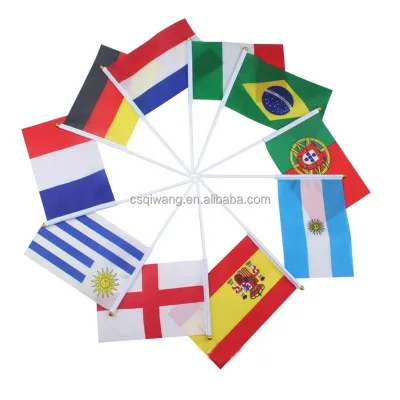
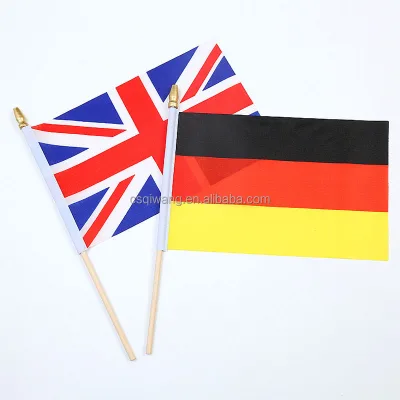
Wholesale Polyester Custom Logos and Patterns Promo Flags Custom Logo Flag Flags Promotion
$0.08 - $0.20
MOQ: 50 pieces

Hebei New Sight Outdoor Products Co., Ltd.
- Verified by SGS
- Combined
- China Hebei
- Lead time23 days
- Avg. response≤ 5h
Main productspop up tent
Main marketsEurope


Promotion Supermarket Printing Flag Advertising Flags Custom Promotional Flags
$2.39 - $5.98
MOQ: 100 Pieces

Promotional Flags Banners Custom Promotion Printing Flag Promotion Printing Flag
$2.39 - $5.98
MOQ: 100 Pieces


- Verified by Intertek
- Manufacturer, Trading Company
- Lead time7 days
- Avg. response≤ 2h
Main productsCustom Flags And Banners , Promotion Gifts, Promotion Apparel And Accessories, Advertising Display , Sports Entertainment Gifts
Main marketsNorth America(43%), Western Europe(25%), Oceania(16%)
Xiongxian Rongmiao Trading Co., Ltd.
- Trading Company
- Hebei, China
- Lead time15 days
- Avg. response≤ 3h
Main productsFlags and Banners,Flagpole,Hats,Tent,Embroidered And Printing
Main marketsSouth America(30.00%), North America(30.00%), Northern Europe(10.00%), Eastern Europe(3.00%), Central America(3.00%), Western Europe(3.00%), Eastern Asia(3.00%), Mid East(3.00%), Domestic Market(3.00%), South Asia(3.00%), Southeast Asia(3.00%), Oceania(2.00%), Africa(2.00%), Southern Europe(2.00%)
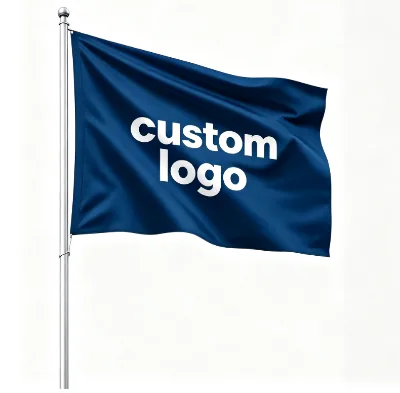
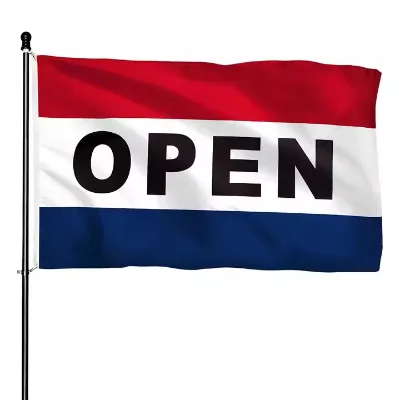
$0.9266 - $1.6467
MOQ: 30 pieces
Xiamen Jiang Xi E-Commerce Co., Ltd.
- Manufacturer
- Fujian, China
- Lead time15 days
- Avg. response≤ 2h
Main productsCustom Hat,Custom Ski Mask,Baseball Caps,Custom Beanies,Winter Hats
Main marketsNorth America(38.00%), South America(12.00%), Eastern Europe(11.00%), Oceania(10.00%), Domestic Market(5.00%), Mid East(5.00%), Southeast Asia(4.00%), Africa(4.00%), South Asia(2.00%), Southern Europe(2.00%), Northern Europe(2.00%), Central America(2.00%), Eastern Asia(2.00%), Western Europe(1.00%)

Yiwu Norton Craft Product Co., Ltd.
- Verified by BV
- Manufacturer/Factory
- China Zhejiang
- Lead time15 days
- Avg. response≤ 7h
Main productsStickers, Shopping Bags, Playing Cards, Flag Banner, Bamboo Fan, Koozie, Paper Coasters, Washi Tape, Brochures, Printing Flyers
Main marketsSouth America,Eastern Europe,Mid East,North America,Southeast Asia,Eastern Asia,Oceania,Western Europe,Africa
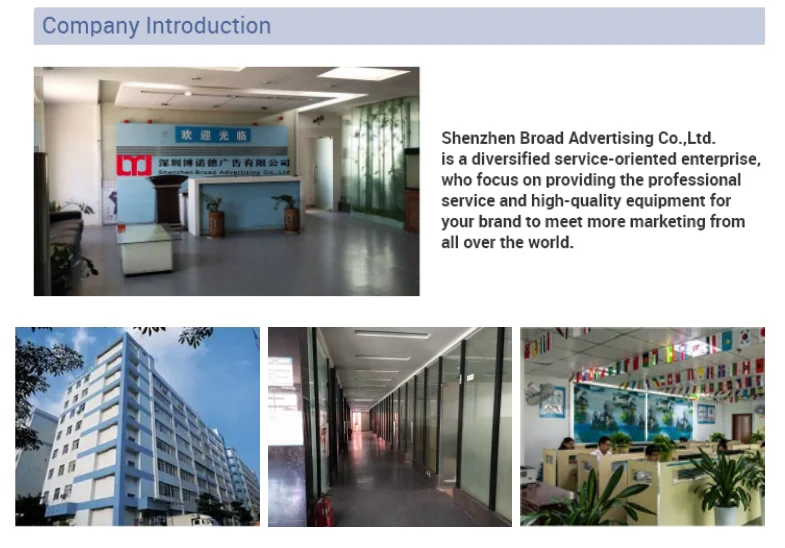
Shenzhen Broad Advertising Co., Ltd.
- Manufacturer, Trading Company
- Guangdong, China
- Lead time8 days
- Avg. response≤ 3h
Main productsTrade show tent,Advertising tent,beach flag,Gazebo tent,pop up backdrop
Main marketsNorth America(30.00%), Eastern Europe(20.00%), Central America(15.00%), Western Europe(15.00%), South America(10.00%), South Asia(5.00%), Africa(5.00%)

Jinjiang Naike Eco Technology Co., Ltd.
- Verified by SGS
- Trading Company
- China Fujian
- Lead time30 days
- Avg. response≤ 2h
Main productsKeychain, Promotional Gifts, Shoes Charm, Straw Toppers, Pencil Toppers, Christmas Decoration, Party Decoration, Toy, Metal Craft, Silicone Products
Main marketsEurope,North America


Promotional Custom Printing Double Sided Polyester Football Team Flags Banner Business Flag
$1.57 - $1.69
MOQ: 500 Pieces

High Quality Custom Polyester Advertising Promotional Country Feather Flag Promotional Banners Flags
$1.15 - $1.23
MOQ: 500 Pieces

Wholesale Highest Quality Polyester Flag Custom Logo Banner Design Outdoor Flying Flag
$1.42 - $1.88
MOQ: 500 Pieces

Personalized Custom Design Countries Sports Sublimation Polyester Flags with Logo Print
$1.12 - $1.20
MOQ: 500 Pieces


- Verified by TUVRHEINLAND
- Trading Company
- China Zhejiang
- Lead time15 days
- Avg. response≤ 3h
Main productsLanyard, Promotional Gift, Baseball Cap, Bags, T-Shirt, Ceramic Mug, Sport Water Bottle, PU Toys
Main marketsEurope,Australia,North America


Celebration Body Flag, Cape Flag, Printed Custom Sports Flag, Promotion Body Flag
$0.95 - $1.50
MOQ: 100 Pieces

Linhai C & S Arts & Crafts Co., Ltd.
- Verified by TüVRheinland
- Manufacturer, Trading Company
- Lead time20 days
- Avg. response≤ 3h
Main productsFlag, Garden Flag, Advertising Flag, Flag Pole, Cushion
Main marketsNorth America(52%), Western Europe(22%), Oceania(18%)
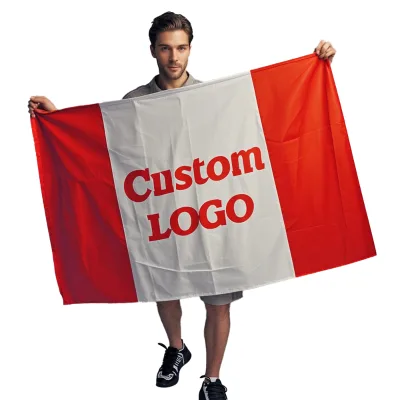
$0.8278 - $1.5524
MOQ: 1 pieces
Hefei Hanhang Advertising Co., Ltd.
- Verified by TüVRheinland
- Manufacturer, Trading Company
- Lead time30 days
- Avg. response≤ 2h
Main productsBanner, Flag, Sticker, Yard Sign, Display Stand
Main marketsNorth America(60%), Oceania(15%), Western Europe(15%)

$1.5329 - $2.247
MOQ: 20 pieces
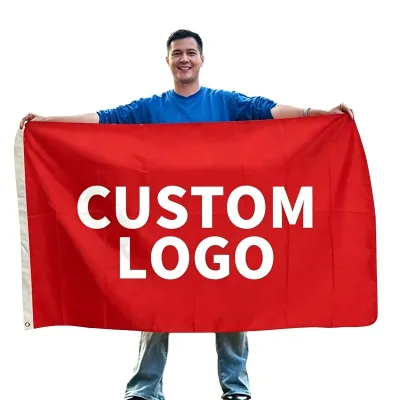
3 X 5 Flag Custom Printed logo High Quality Custom Flags for Outdoor Activities
$0.80 - $1.50
MOQ: 2 pieces


- Verified by TUVRHEINLAND
- Trading Company,Manufacturer/Factory,Group Corporation
- China Fujian
- Lead time15 days
- Avg. response≤ 6h
Main productsFlag, Banner, Flagpole, Pop up Display, Table Cover, Display Flags, Bandana Scarf, Tents, Vinyl Banner, Drawstring Bag
Main marketsSouth America,Eastern Europe,Mid East,North America,Southeast Asia,Eastern Asia,Oceania,Western Europe,Africa

Foshan Dasi Metal Technology Co., Ltd.
- Verified by SGS
- Combined
- China Guangdong
- Lead time15 days
- Avg. response≤ 3h
Main productsFlag & Banner, Beach Flags, Backdrop, Tents, Promotion Table, Pop up Wall, a Frame Banner, Beach Flagpole, Beach Flagbase, Display Accessories
Main marketsDomestic,Europe

Changzhou Sitan Imp. and Exp. Co., Ltd.
- Verified by BV
- Trading Company
- China Jiangsu
- Lead time15 days
- Avg. response≤ 10h
Main productsFitness Equipment, Barbell Series, Resistance Bands, Agility & Speed, Yoga Ball, Massage Series, Power Rack, Weight Ball, Charging Notebook, Custom Logo Goods
Main marketsSoutheast Asia/ Mideast,Domestic,Europe,North America

Dongying Mingyang Advertising Co., Ltd.
- Trading Company
- China Shandong
- Lead time0 days
- Avg. response≤ 1h
Main productsTents, Flag, Event Tents, Custom Flags, Tension Fabric Wall, Sales Tents, Beach Flag, Camping Tents, Banner

- Verified by BV
- Trading Company
- China Shanghai
- Lead time15 days
- Avg. response≤ 4h
Main productsCanopy Tent, Advertising Flag, Table Cover, Light Box, Advertising Tent, Exhibition Booth, Adjustable Banner Display, Tension Backdrop, Inflatable Tent, Sports Wear
Main marketsSouth America,Africa,Southeast Asia/ Mideast,East Asia(Japan/ South Korea),Europe,Australia,North America

All Color Printing Wholesale Polyester Flying Custom Flags and Banners Flag
$25.00 - $80.00
MOQ: 1 Pieces


Foshan Dasi Metal Technology Co., Ltd.
- Verified by SGS Group
- Manufacturer, Trading Company
- Lead time15 days
- Avg. response≤ 1h
Main productsBeach Flags, Backdrop Stand, Tents, LED Light Box, Flags and Banners
Main marketsSoutheast Asia(25%), North America(20%), Mid East(12%)

Jinjiang Jiaxing Supply Management Co., Ltd.
- Verified by TUVRHEINLAND
- Trading Company
- China Fujian
- Lead time30 days
- Avg. response≤ 1h
Main productsEVA Clogs, Flip Flop, Shoe Charms, Shopping Bags, Wristbands, Gifts, Promotional Gifts, Slipper, Sport Cap, Ball
Main marketsNorth America
Yiwu Hannuo Import And Export Co., Ltd.
- Verified by TüVRheinland
- Trading Company
- Lead time0 days
- Avg. response≤ 6h
Main productsBanner, Flags, Advertising Tent, Promotional Gifts
Main marketsNorth America(29%), South America(11%), Mid East(11%)

High Quality Best Sell Cheap Custom Country Flag Hand Waving Flag for Activities
$0.05 - $0.07
MOQ: 2000 pieces
Anhui Tengxin Flag Manufacturing Co., Ltd.
- Manufacturer, Trading Company
- Anhui, China
- Lead time30 days
- Avg. response≤ 10h
Main productsFlag
Main marketsDomestic Market(30.00%), Northern Europe(23.00%), Oceania(18.00%), South America(10.00%), North America(10.00%), Western Europe(9.00%)









Comprehensive Sourcing Guide
Eco Friendly Polyester Custom Flag Supplier Concentration and Factory Types
The landscape for sourcing eco-friendly polyester custom flags features a mix of manufacturing entities and trading companies, each offering distinct advantages for different procurement strategies. Current data indicates that suppliers are primarily located in China, with specific manufacturing hubs identified in Shandong and Jiangsu provinces. These regions are known for their textile and printing industries, which provide a robust infrastructure for producing high-volume flag orders. Buyers should note that the supplier base includes both dedicated manufacturers and combined entities that may blend trading and production capabilities. Understanding this distinction is crucial for evaluating who holds the actual production control versus who manages the sales interface. The presence of factory-type suppliers suggests direct access to production lines, which can facilitate better customization and quality control for complex flag designs. Conversely, trading companies might offer a broader portfolio of related promotional items, such as banners and apparel, allowing for consolidated shipping if a buyer is sourcing multiple marketing materials simultaneously.
When assessing the type of entity, buyers must look beyond the company label to understand the operational reality. Some suppliers are verified by third-party inspection services like SGS, which adds a layer of credibility to their claims about manufacturing capabilities and quality standards. The availability of OEM and ODM services is a key indicator of a supplier’s flexibility in handling custom designs. Suppliers offering these services are typically equipped to handle unique branding requirements, from specific color matching to custom flagpole attachments. It is important to verify whether the supplier has the in-house capacity for digital printing and double-stitching, as these are common requirements for durable polyester flags. The concentration of suppliers in specific provinces like Shandong and Jiangsu allows buyers to potentially visit facilities or arrange local inspections, reducing the risk associated with remote sourcing. However, buyers should not assume that all suppliers in these regions have identical capabilities; due diligence is required to confirm that the specific factory can meet the eco-friendly material specifications and production timelines required for the order.
How to Verify Eco Friendly Polyester Custom Flag Suppliers
Verification is the cornerstone of mitigating risk when sourcing custom flags, especially when eco-friendly claims are involved. Buyers should prioritize suppliers who hold recognized certifications such as BSCI, SGS, ISO, and EN71, as these indicate adherence to social, quality, and safety standards. The presence of these certifications on supplier profiles provides tangible evidence of their commitment to ethical manufacturing and product safety. Additionally, verification badges from independent inspection agencies like SGS serve as a strong signal of reliability, suggesting that the supplier’s operations have been audited and meet specific benchmarks. Buyers must actively check for these credentials rather than relying on self-reported claims, as third-party validation offers a higher degree of confidence in the supplier’s legitimacy. It is also advisable to review the supplier’s response time and history, as a consistent and quick response often correlates with professional management and operational efficiency. A supplier with a response time under two hours, for instance, demonstrates a level of attentiveness that is critical for resolving issues during the production process.
Beyond certifications and response metrics, buyers should scrutinize the specific product attributes and material specifications provided by the supplier. For eco-friendly polyester flags, it is essential to confirm that the material is indeed 100% polyester and that the printing process, such as digital printing, aligns with environmental standards. Suppliers should provide clear details on the flag’s characteristics, including waterproof properties and edge finishing techniques like double-stitched hemming, which contribute to the product’s longevity and reduced waste. Buyers should also verify the supplier’s capacity for customization, ensuring they can handle specific size and shape requirements without compromising quality. It is crucial to ask for samples or detailed product data sheets that outline the environmental impact of the materials used. If a supplier cannot provide clear evidence of their eco-friendly practices or if their certifications are outdated, buyers should proceed with caution. Engaging in direct communication to clarify these details can help buyers assess the supplier’s transparency and willingness to cooperate, which are vital indicators of a trustworthy partnership.
What to Compare Across Eco Friendly Polyester Custom Flag Suppliers
When evaluating multiple suppliers, buyers must compare key operational metrics to determine the best fit for their specific needs. Lead time is a critical factor, as it directly impacts the ability to meet marketing campaign deadlines. Data shows that lead times can vary significantly, with some suppliers offering production within 15 to 23 days, while others may require negotiation for larger orders. Buyers should also compare the minimum order quantities (MOQ), which can range from as low as one unit to 100 units or more, depending on the supplier and product type. A lower MOQ is advantageous for testing new designs or for smaller promotional campaigns, while higher MOQs may offer better unit pricing for bulk orders. Response time is another important metric, with some suppliers responding within hours, indicating a high level of customer service and operational readiness. Comparing these metrics across suppliers helps buyers identify those who can balance speed, flexibility, and cost effectively. It is also important to consider the supplier’s main products and capabilities, as those specializing in flags may offer better expertise and quality control than general trading companies.
Price and payment terms are equally important considerations in the comparison process. Unit prices for custom polyester flags can vary based on size, printing complexity, and order volume, with some suppliers offering prices as low as $0.20 per unit for certain specifications. Buyers should request detailed quotes that break down costs for materials, printing, and shipping to ensure transparency. Additionally, comparing the supplier’s capacity for OEM and ODM services can reveal their ability to handle custom branding and design requirements. Suppliers with strong R&D capabilities may offer more innovative solutions for flag design and material selection. It is also beneficial to compare the supplier’s verification status and certifications, as these can impact the overall risk profile of the partnership. Buyers should look for suppliers who offer comprehensive product attributes, such as waterproof features and eco-friendly certifications, as these add value to the final product. By systematically comparing these factors, buyers can make informed decisions that align with their budget, timeline, and quality expectations, ensuring a successful sourcing outcome.
Common Eco Friendly Polyester Custom Flag Sourcing Risks
One of the primary risks in sourcing custom flags is the potential discrepancy between claimed eco-friendly attributes and actual material composition. Buyers must be vigilant against suppliers who use vague terminology without providing verifiable evidence of sustainable practices. The risk of receiving non-compliant materials can lead to reputational damage and regulatory issues, particularly if the flags are marketed as environmentally friendly. Another significant risk is the variability in production quality, especially when dealing with suppliers who have high MOQs or long lead times. Inconsistent stitching, fading colors, or poor waterproofing can result in product failures and customer dissatisfaction. Buyers should also be aware of the risk associated with communication barriers, as misunderstandings regarding design specifications can lead to costly rework or delays. Suppliers with slow response times may struggle to address issues promptly, exacerbating these problems. Additionally, the risk of intellectual property infringement exists if suppliers share proprietary designs with competitors, so buyers should ensure that their designs are protected through clear contractual agreements.
Logistical risks are also prevalent, particularly when sourcing from distant regions like China. Delays in shipping, customs clearance issues, and unexpected tariffs can disrupt supply chains and increase costs. Buyers should consider the risk of relying on a single supplier, as any disruption in their production capacity can halt the entire order. It is also important to be aware of the risk of price fluctuations, as raw material costs can impact the final price of the flags. Buyers should negotiate fixed prices or include clauses that protect against sudden cost increases. Furthermore, the risk of inadequate packaging can lead to product damage during transit, so buyers should verify that suppliers use appropriate carton packaging and protective measures. By identifying and mitigating these risks through thorough due diligence and clear communication, buyers can protect their interests and ensure a smoother sourcing process. It is essential to maintain open lines of communication with suppliers to address potential issues early and to have contingency plans in place for unexpected disruptions.
Eco Friendly Polyester Custom Flag Regional Sourcing and Logistics
Sourcing from specific regions like Shandong and Jiangsu in China offers logistical advantages due to their established manufacturing clusters. These areas are well-connected to major ports, facilitating efficient export processes for international buyers. Buyers should consider the proximity of suppliers to these ports when planning logistics, as it can reduce transit times and shipping costs. However, buyers must also account for the potential for regional disruptions, such as weather events or local policy changes, which can impact production and shipping schedules. It is advisable to work with suppliers who have experience in international shipping and can handle customs documentation efficiently. Buyers should also consider the environmental impact of transportation, opting for suppliers who use sustainable shipping practices when possible. The concentration of suppliers in these regions allows for easier comparison and selection, but buyers should still verify the specific capabilities of each supplier to ensure they meet their requirements. Additionally, buyers should be aware of the time zone differences and plan communication accordingly to maintain effective collaboration with suppliers.
Logistics planning should also include considerations for inventory management and storage. Buyers should assess the lead times and production capacities of suppliers to determine optimal order quantities and timing. Working with suppliers who offer flexible MOQs can help buyers manage inventory levels more effectively, reducing the risk of overstocking or stockouts. Buyers should also consider the use of third-party logistics providers to handle shipping and warehousing, which can provide additional flexibility and control over the supply chain. It is important to establish clear communication channels with suppliers and logistics partners to track shipments and address any issues that arise during transit. Buyers should also consider the environmental impact of their logistics choices, such as selecting carriers with lower carbon footprints. By carefully planning logistics and leveraging the advantages of regional sourcing, buyers can optimize their supply chain and reduce costs while maintaining high standards of quality and sustainability.
Eco Friendly Polyester Custom Flag Commercial Terms and Order Planning
Commercial terms such as payment methods, warranty policies, and after-sales support are critical components of order planning. Buyers should negotiate favorable payment terms, such as partial payments or escrow services, to protect their financial interests. It is important to clarify the warranty policy for the flags, including coverage for defects in materials and workmanship. Buyers should also inquire about the supplier’s after-sales support, including their ability to handle returns or replacements for defective products. Clear communication of these terms helps prevent misunderstandings and ensures a smooth transaction process. Buyers should also consider the impact of currency fluctuations on pricing and negotiate fixed prices or include clauses that address exchange rate changes. Additionally, buyers should plan for the total cost of ownership, including shipping, duties, and storage, to ensure accurate budgeting. By carefully reviewing and negotiating commercial terms, buyers can mitigate financial risks and establish a solid foundation for a successful partnership with their suppliers.
Order planning should also involve detailed specification of design requirements, including size, color, and printing details. Buyers should provide comprehensive design files and clear instructions to minimize the risk of errors. It is advisable to request samples before placing bulk orders to verify quality and compliance with specifications. Buyers should also plan for production timelines, allowing sufficient time for design approval, production, and shipping. Regular communication with suppliers throughout the production process helps ensure that the order stays on track and any issues are addressed promptly. Buyers should also consider the scalability of their orders, planning for potential increases in demand or changes in design requirements. By integrating commercial terms and order planning into a cohesive strategy, buyers can optimize their sourcing process and achieve their business objectives effectively. This approach ensures that all aspects of the order are managed efficiently, from initial design to final delivery.
FAQs
What is the price range for custom polyester flags?
Prices for custom polyester flags typically range from $0.20 to $4.70 per unit. The final cost depends on the order quantity, specific size requirements, and printing complexity. Buyers can find options starting at low minimum order quantities with competitive pricing for bulk orders.
What are the minimum order quantities for custom flags?
Minimum order quantities vary significantly by supplier and product type. Some manufacturers accept orders as low as one piece for samples, while others require a minimum of 50 or 100 units for standard production. Buyers should verify the specific MOQ with the supplier before placing an order.
How long does production take for custom flags?
Production lead times generally range from 15 to 23 days for standard orders. During peak seasons, lead times may extend up to 300 days for large volumes exceeding 3,000 units, requiring negotiation. Buyers should confirm specific timelines with the supplier to ensure timely delivery for their projects.
Are custom polyester flags waterproof and durable?
Yes, custom polyester flags are typically waterproof and designed for outdoor use. They feature digital printing and double-stitched hemming for durability. The material is eco-friendly and suitable for advertising, display, and decoration purposes, ensuring longevity even in various weather conditions for outdoor applications.
What certifications do flag suppliers hold?
Suppliers often hold certifications such as BSCI, SGS, ISO, and EN71. These certifications ensure compliance with international standards for safety and quality. Buyers can verify these credentials to ensure the products meet specific regulatory requirements and ethical manufacturing standards for their international sourcing needs.
Where are these flag manufacturers located?
Flag manufacturers are primarily located in China, specifically in Shandong and Jiangsu provinces. These regions are known for their strong manufacturing capabilities and supply chain efficiency. Buyers can source directly from these locations to benefit from established industrial clusters and competitive logistics options for global shipping.
What customization options are available for flags?
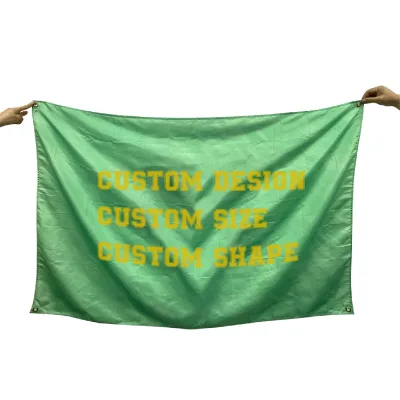
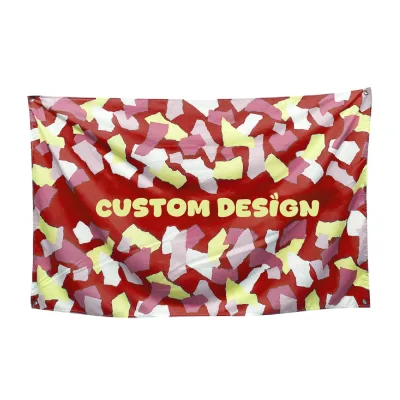
Suppliers offer extensive customization including size, shape, color, and logo design. Options include digital printing, embroidery, and various edge finishes like double-stitched hemming. Buyers can choose from standard sizes or request fully customized dimensions to meet specific branding and display requirements for their marketing campaigns.