IP66 Corridor Light Suppliers and Manufacturers in China
Explore 33 verified options for IP66 Corridor Light from Zhejiang and Guangdong factories. Compare response times, lead times, certifications, and pricing to find suitable partners. Contact suppliers directly to request quotes; review the available evidence before requesting comparable quotations from suitable candidates.
Suppliers List

Cixi Yuanhui Lighting Electric Co., Ltd.
- Verified by SGS
- Combined
- China Zhejiang
- Lead time30 days
- Avg. response≤ 16h
Main productsTri-Proof Light, Waterproof Light, LED Bulkhead, IP65 LED Triproof Light, IP65 Waterproof Fluorescent Light, LED Waterproof Light, IP65 Industrial Light, Non-Corrossive Light, LED Tri-Proof Light, LED Ceiling Lamp
Main marketsAfrica,Southeast Asia/ Mideast,Europe,Australia,North America
Jiangmen Xinghong Lighting Co., Ltd.
- Verified by TUVRHEINLAND
- Manufacturer/Factory
- China Guangdong
- Lead time23 days
- Avg. response≤ 8h
Main productsDown Light Panel Light Ceiling Light, Magnetic Track Light, Wall Light Spot Light etc.
Main marketsSouth America,Eastern Europe,Mid East,North America,Southeast Asia,Eastern Asia,Oceania,Western Europe,Africa

Changzhou D & Y Electrical Lighting Co., Ltd.
- Verified by SGS
- Trading Company,Manufacturer/Factory
- China Jiangsu
- Lead time23 days
- Avg. response≤ 14h
Main productsLED Ceiling Light, LED Tri-Proof Light, LED Buikhead Light, LED Integration Light, LED Batten Light, LED Tunnel Light, LED Emergency Light, LED Panel Light, LED Fire Rated Downlight, LED Plant Growth Light
Main marketsSouth America,Eastern Europe,Mid East,North America,Southeast Asia,Eastern Asia,Oceania,Western Europe,Africa
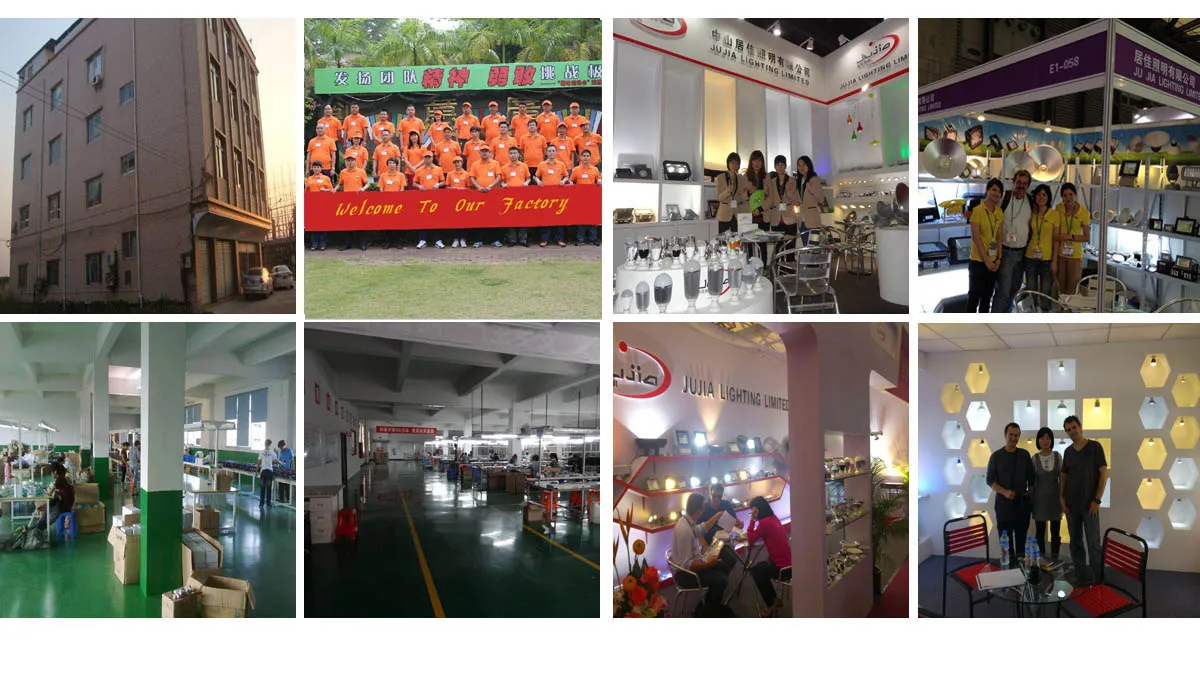
Zhongshan Jujia Lighting Co., Ltd.
- Trading Company
- Guangdong, China
- Lead time10 days
- Avg. response≤ 1h
Main productsled garden lamp,led wall lamp,led wall light,led flood light,led lawn light
Main marketsNorthern Europe(18.74%), Eastern Europe(16.35%), Western Europe(15.33%), Southern Europe(12.95%), North America(11.24%), Central America(6.81%), South America(5.11%), Mid East(5.11%), Southeast Asia(3.41%), South Asia(1.72%), Eastern Asia(1.70%), Oceania(1.36%), Africa(0.17%)

Shenzhen Enrich Lighting Co., Ltd.
- Trading Company,Manufacturer/Factory,Group Corporation,Other
- China Guangdong
- Lead time23 days
- Avg. response≤ 7h
Main productsLED Linear Light, LED Ceiling Light, Modern LED Pendant Lamp, LED Circular Chandeliers Light, LED Curved Profile Lighting, LED Curved Profile Light, LED Ring Suspended Light, LED Circular Suspended Light, LED Aluminium Profile Light, LED Ring Chandeliers Light
Main marketsSouth America,Eastern Europe,Mid East,North America,Southeast Asia,Eastern Asia,Oceania,Western Europe,Africa

IP65 Exterior Wall Mounted LED Linear Light Corridor Facade Lighting Fixture
$33.00 - $89.00
MOQ: 1 Pieces

Linear Wall Lamp Outdoor IP65 Waterproof Corridor Light Wall Mounted LED Linear Light
$35.00 - $90.00
MOQ: 10 Pieces

IP65 Waterproof LED Linear Light Slim Size 35mm Width for Corridor Warehouse Hotel
$32.00 - $35.00
MOQ: 10 Pieces

Linkable Waterproof LED Linear Light IP65 Exterior Hanging Light for Corridor
$35.00 - $90.00
MOQ: 10 Pieces

Aluminum Profile Wall Light IP65 Waterproof LED Linear Light for Corridor
$35.00 - $90.00
MOQ: 10 Pieces

Zhongshan Dingsheng Lighting Technology Co., Ltd.
- Manufacturer, Trading Company
- Guangdong, China
- Lead time30 days
- Avg. response≤ 2h
Main productsOutdoor wall lamp,Lawn lamp,corner lamp,Floodlight
Main marketsMid East(80.00%), South America(15.00%), Domestic Market(5.00%)
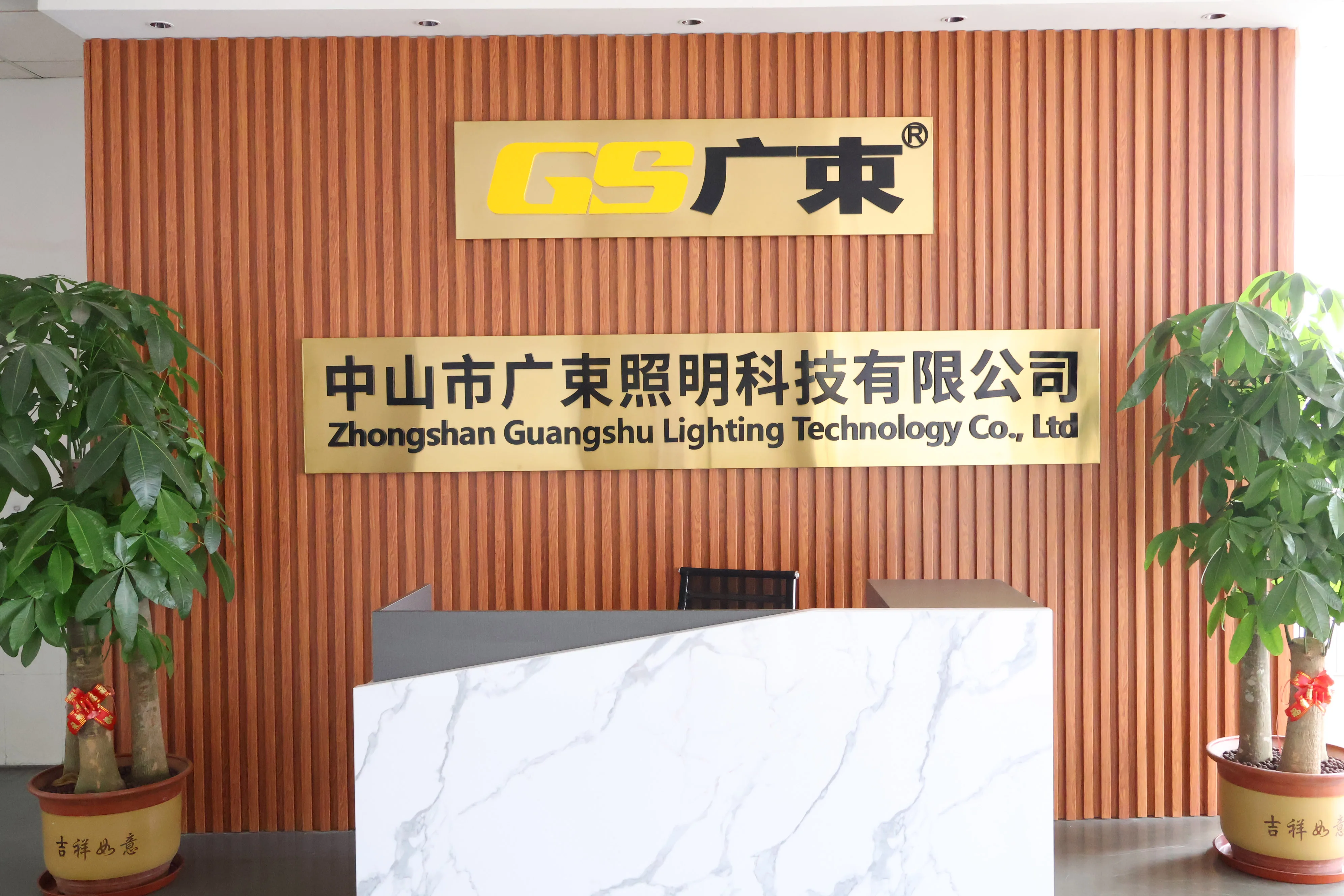
Zhongshan GONSU Lighting Technology Co., Ltd.
- Manufacturer, Trading Company
- Guangdong, China
- Lead time20 days
- Avg. response≤ 2h
Main productsStep Light,Sensor Step Light,Outdoor Step Light,Indoor Step Light
Main marketsMid East(20.00%), Southern Europe(20.00%), Western Europe(15.00%), Eastern Europe(15.00%), Southeast Asia(10.00%), Domestic Market(10.00%), Northern Europe(10.00%)
Fuzhou Sansheng Industry and Trade Co., Ltd.
- Verified by CTI
- Combined
- China Fujian
- Lead time30 days
- Avg. response≤ 9h
Main productsPorcelain Lamp Holder Insulator Knife Swith, Fuse Holder Plastic Lamp Holder
Main marketsDomestic
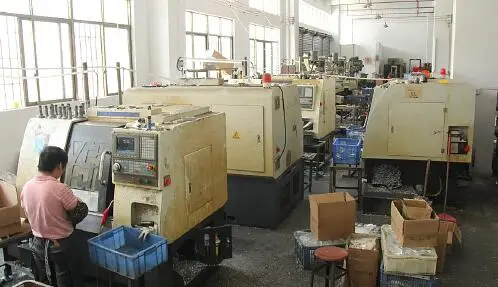
- Trading Company
- Fujian, China
- Lead time15 days
- Avg. response≤ 4h
Main productsLed Stair light,LED underground light,led garden light,led wall light,led street light
Main marketsSouth Asia(10.00%), Southern Europe(10.00%), Northern Europe(10.00%), Central America(10.00%), Western Europe(10.00%), Mid East(10.00%), Africa(10.00%), Eastern Europe(10.00%), South America(10.00%), North America(10.00%)

Anboo (Shenzhen) Technology Co., Ltd
- Verified by TUVRHEINLAND
- Manufacturer/Factory
- China Guangdong
- Lead time23 days
- Avg. response≤ 2h
Main productsLED Linear Light, LED Downlight, LED Tri-Proof Light, LED Tubular Light, LED Spot Light, LED Track Light, LED Solar Light
Main marketsSouth America,Eastern Europe,North America,Southeast Asia,Eastern Asia,Western Europe
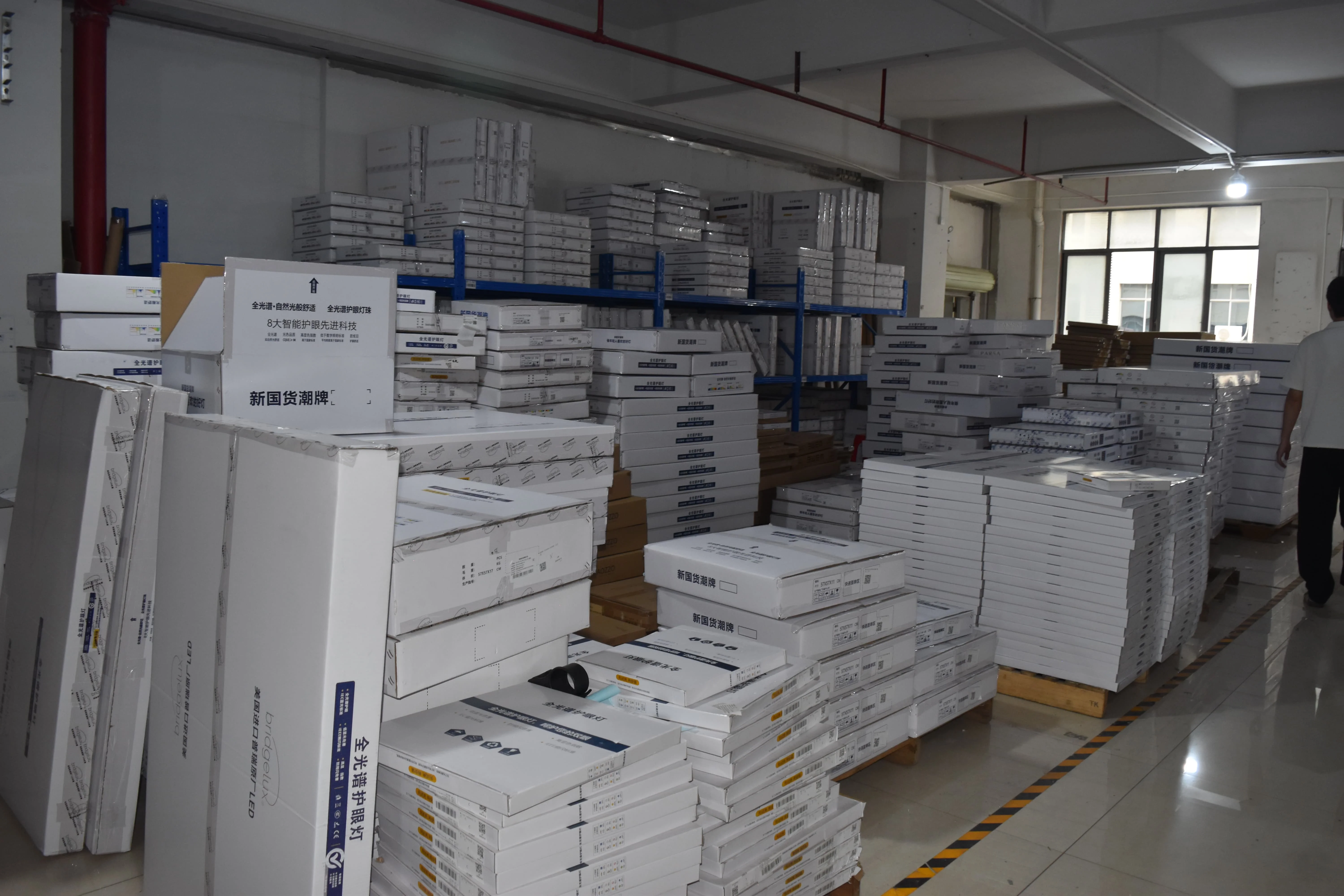
Hefei Bahe Import Export Co., Ltd.
- Manufacturer
- Anhui, China
- Lead time7 days
- Avg. response≤ 2h
Main productsChandeliers & Pendant Lights,Floor Lamps,Wall Lamps,Table Lamps,LED Ceiling Fans
Main marketsNorth America(60.00%), Western Europe(15.00%), Mid East(5.00%), Oceania(5.00%), Eastern Europe(5.00%), Southern Europe(3.00%), Northern Europe(3.00%), South America(3.00%), Domestic Market(1.00%)

Quzhou Shine Electronics Co., Ltd.
- Trading Company,Manufacturer/Factory
- China Zhejiang
- Lead time23 days
- Avg. response≤ 2h
Main productsLED Spotlight, LED Bulb, LED Tube, LED Floodlight, LED Panel Light, LED Downlight, LED Strip, LED Street Lamp, CFL, LED High Bay Light
Main marketsSouth America,Eastern Europe,Mid East,North America,Southeast Asia,Eastern Asia,Oceania,Western Europe,Africa

Aluminum Outdoor Wall Lighting Fixture Corridor Stair Light Hotel Wall Lamp
$2.59 - $3.59
MOQ: 200 Pieces

Aluminum External Interior Wall Light IP65 Waterproof for Corridor Balcony up-and-Down LED Wall Lamp
$14.50 - $16.50
MOQ: 100 Pieces
Zhongshan Hedihui Technology Co., Ltd.
- Trading Company
- Guangdong, China
- Lead time5 days
- Avg. response≤ 8h
Main productsneon light,emergency bulb,floodlight,led modules,strip light
Main marketsNorth America(50.00%), Mid East(30.00%), Eastern Asia(20.00%)
Zhongshan Ray-soft Lighting Co., Ltd
- Manufacturer/Factory
- China Guangdong
- Lead time23 days
- Avg. response≤ 2h
Main productsWall Light, Garden Light, Solar Street Light, LED Step Light, LED Bollard Light, LED Spike Spotlight, LED Tree Light, LED Underground Light, LED Underwater Light, Solar Garden Light
Main marketsSouth America,Eastern Europe,Mid East,North America,Southeast Asia,Eastern Asia,Oceania,Western Europe,Africa
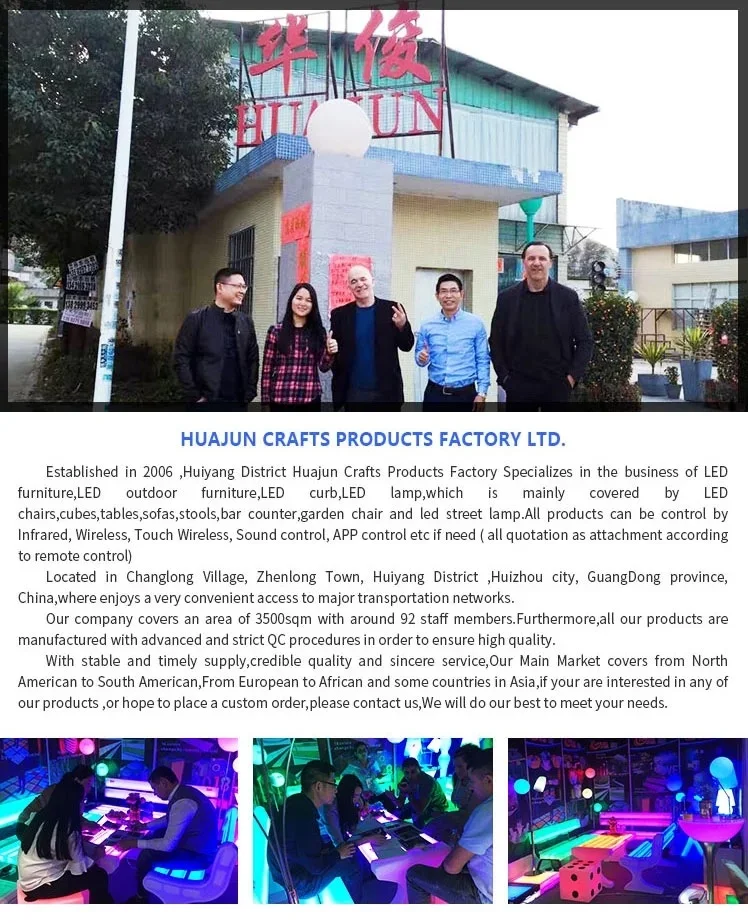
Huizhou City Huiyang District Zhenlong Brave Crafts Products Factory
- Manufacturer
- Guangdong, China
- Lead time20 days
- Avg. response≤ 2h
Main productsDecorative Light, LED Light
Main marketsNorth America(35.00%), Eastern Asia(8.00%), South America(8.00%), Western Europe(8.00%), Southern Europe(8.00%), Southeast Asia(6.00%), Oceania(5.00%), Northern Europe(5.00%), Eastern Europe(5.00%), Mid East(5.00%), Domestic Market(3.00%), South Asia(2.00%), Central America(1.00%), Africa(1.00%)

HANGZHOU XINMENGYANG ELECTRIC CO., LTD.
- Trading Company
- China Zhejiang
- Lead time30 days
- Avg. response≤ 3h
Main productsLED Flood Light, LED Filament Bulb, LED Bulb Light, LED Tube Light, Energy Saving Lamp, LED Tri-Proof Light
Main marketsSouth America,Southeast Asia/ Mideast,Europe,North America

IP44 Underground Safety Corridor Exit Sign Light Recessed Emergency Light
$3.90 - $4.20
MOQ: 300 Pieces

Waterproof Underground Safety Corridor Exit Sign Light Recessed Emergency Lamp
$3.90 - $4.20
MOQ: 300 Pieces
Esun (Xiamen) Electronic Co., Ltd
- Verified by SGS Group
- Trading Company
- Lead time15 days
- Avg. response≤ 1h
Main productsRechargeable Work Light , LED Spot Light, LED Down Light, LED Ceiling Light, LED Street Light
Main marketsNorth America(45%), Southeast Asia(20%), Western Europe(20%)
NINGBO DECORA LIGHTING CO., LTD.
- Trading Company
- Zhejiang, China
- Lead time30 days
- Avg. response≤ 7h
Main productsLED bollard,led garden light,led street light,led wall light,led solar light
Main marketsEastern Asia(20.00%), Central America(20.00%), Western Europe(10.00%), South America(10.00%), Mid East(10.00%), North America(10.00%), Eastern Europe(10.00%), Domestic Market(5.00%), Southeast Asia(2.00%), Northern Europe(2.00%), South Asia(1.00%)
Zhejiang Efon Lighting Co., Ltd.
- Verified by SGS
- Trading Company,Manufacturer/Factory
- China Zhejiang
- Lead time23 days
- Avg. response≤ 2h
Main productsLED Spotlight, LED Bulb, LED Tube, LED Floodlight, LED Panel Light, LED Downlight, LED Strip, LED Street Lamp, CFL, LED High Bay Light
Main marketsSouth America,Eastern Europe,Mid East,North America,Southeast Asia,Eastern Asia,Oceania,Western Europe,Africa

Mounted Waterproof IP65 Outdoor Wall Lamps Corridor LED Outdoor Lighting
$7.95 - $8.95
MOQ: 200 Pieces

Anhui Baoyang Lighting Technology Co., Ltd.
- Verified by SGS
- Trading Company,Manufacturer/Factory,Group Corporation
- China Anhui
- Lead time15 days
- Avg. response≤ 5h
Main productsLED Wall Light, LED Flood Light, LED Wall Washer, LED Brick Light, LED Garden Light, LED Solar Light, LED Pixel Light, LED Street Light, LED Pendant Light, Spc Flooring
Main marketsSouth America,Eastern Europe,Mid East,North America,Southeast Asia,Eastern Asia,Oceania,Western Europe,Africa

Indoor Corridor Wall Lighting Recessed LED Wall Lamp PIR Motion Sensor Stair Case Light Step Light
$8.56 - $13.25
MOQ: 20 pieces


NINGBO SELLWELL LIGHTING APPLIANCE CO., LTD.
- Trading Company,Manufacturer/Factory
- China Zhejiang
- Lead time30 days
- Avg. response≤ 7h
Main productsSmart LED Light, LED Bulb, LED Filament Lamp Bulb, LED Flood Light, LED Panel Light, LED T5 T8 Tube, LED Wall Light, LED Decorative Bulb, LED Street Light, LED ceiling Light
Main marketsEastern Europe,Western Europe

Aluminum Motion Sensor Wall Light Stair Corridor Garden Steps Light with IP65
$2.00 - $10.00
MOQ: 10 Pieces

Wholesale LED White Minimalist Corridor Stairs Yard IP54 Waterproof Wall Mounted Lamps
$0.50 - $2.00
MOQ: 100 Pieces

Difanmax Tech Lianyungang Co., Ltd.
- Verified by BV
- Manufacturer/Factory
- China Jiangsu
- Lead time23 days
- Avg. response≤ 3h
Main productsConsumer Electronics, Kinesiology Tape Adhesive Tapes, Industrial Tools, Home & Garden, Gifts & Crafts, Sport Products Entertainment, Health & Medical, Auto Parts E-Bike Auto Tools & Components, Clothes Apparel, Bicycle Hardware Laboratory Measuring Protective
Main marketsSouth America,North America,Southeast Asia,Oceania,Western Europe

Jiangmen Synno Lighting Co., Ltd.
- Verified by TUVRHEINLAND
- Combined
- China Guangdong
- Lead time30 days
- Avg. response≤ 4h
Main productsDownlight, Garden Light, Underground Light, Inground Light, Swimming Pool Light, LED Flood Lights, LED Track Lights, LED Under Water Light, LED Ceiling Light, Landscape Lighting
Main marketsSoutheast Asia/ Mideast
Shenzhen Xin Hengstar Technology Co., Ltd.
- Trading Company
- Guangdong, China
- Lead time15 days
- Avg. response≤ 4h
Main productsLED Street Light,LED Flood Light,LED Solar Light,LED Wall Light,LED Downlight
Main marketsWestern Europe(40.00%), Eastern Europe(15.00%), Southern Europe(10.00%), North America(10.00%), Oceania(10.00%), South America(10.00%), Northern Europe(5.00%)
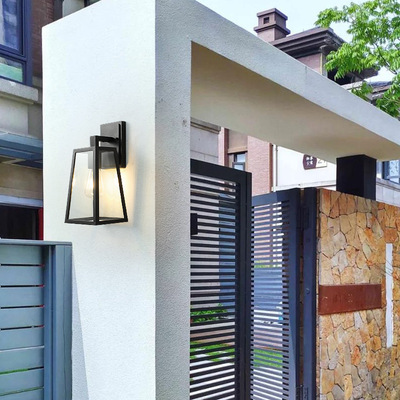
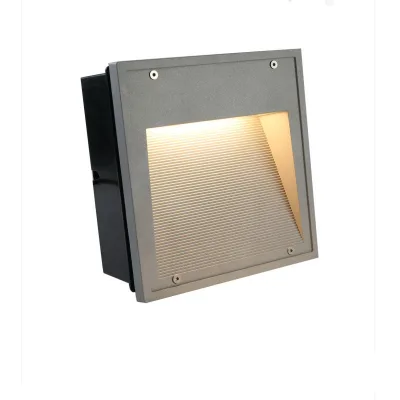
IP65 COB Replaceable Outdoor Wall Light Garden Floor Stair Lamp Underground Step Light
$25.00 - $26.90
MOQ: 1 pieces
Changsha Oh Sci & Tec., Co., Ltd.
- Trading Company
- Hunan, China
- Lead time7 days
- Avg. response≤ 4h
Main productsLED Garden Light,LED Wall Light,LED Street Light,LED Solar Light,LED Flood Light
Main marketsMid East(10.00%), South Asia(10.00%), Central America(10.00%), Southeast Asia(10.00%), Western Europe(10.00%), South America(10.00%), North America(10.00%), Oceania(5.00%), Southern Europe(5.00%), Northern Europe(5.00%), Africa(5.00%), Eastern Europe(5.00%), Eastern Asia(5.00%)
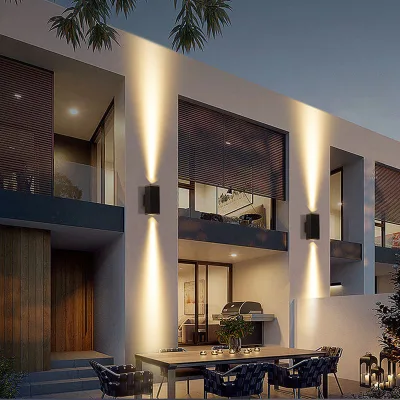
Led Square Waterproof Upper and Lower Spotlights Corridor Wall Lights E27 Double Head Wall Lights
$6.50 - $6.90
MOQ: 2 pieces
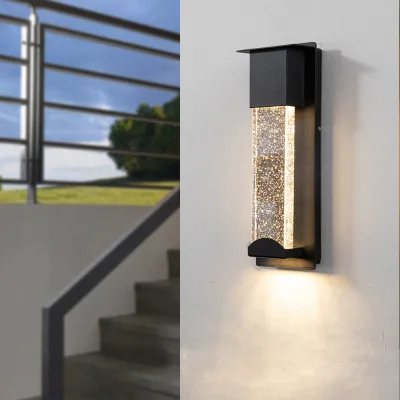
$28.05 - $28.15
MOQ: 2 pieces
Dongguan WBovision Lighting Ltd.,
- Manufacturer
- China Guangdong
- Lead time15 days
- Avg. response≤ 8h
Main productsLED Outdoor Light, LED Spot Garden Light, LED Inground Light, LED Underwater Light, LED Recessed Wall Light, LED Wall Washer Light, LED Flood Light, LED Fountain Light
Main marketsSoutheast Asia/ Mideast,Australia,North America

Modern Decoration Wall Mounted Porch Corridor Sconce Lights Wall Light Waterproof IP65
$20.00 - $30.00
MOQ: 5 Pieces

Factory 3W/5W/6W IP65 Modern Recessed LED Stair Light for Commercial Corridor
$35.00 - $55.00
MOQ: 10 Pieces


Jiangmen Hezhongyi Technology Co., Ltd
- Manufacturer, Trading Company
- guangdong, China
- Lead time7 days
- Avg. response≤ 8h
Main productsLED STRIP LIGHT,POWER SUPPLY,SOLAR SYSTEM,LED COB STRIP,LED MODULES
Main marketsMid East(20.00%), Southeast Asia(16.00%), South America(15.00%), Eastern Asia(10.00%), South Asia(5.00%), Western Europe(5.00%), Eastern Europe(5.00%), North America(5.00%), Oceania(5.00%), Africa(5.00%), Central America(3.00%), Southern Europe(3.00%), Northern Europe(3.00%)
Wuxi Opulent Led Lighting Technology Co., Ltd
- Verified by CTI
- Trading Company
- China Jiangsu
- Lead time23 days
- Avg. response≤ 2h
Main productsLED Outdoor Light, LED Glass Lens, Solar Light, LED Light
Main marketsSouth America,Southeast Asia/ Mideast,Domestic,Europe,North America


$14.78 - $22.00
MOQ: 20 Pieces
Guangzhou EBY Optoelectronic Technology Co., Ltd.
- Trading Company
- Guangdong, China
- Lead time10 days
- Avg. response≤ 7h
Main productsElectrical Wire,LED Connector,LED Connect Wire,LED Splitter Box,Power Supply
Main marketsWestern Europe(40.00%), North America(30.00%), Domestic Market(15.00%), Oceania(5.00%), Southeast Asia(5.00%), Mid East(5.00%)
$0.21 - $2.06
MOQ: 500 Minimum
New Shine Lighting (Guangzhou) Co., Ltd
- Verified by SGS
- Combined
- China Guangdong
- Lead time15 days
- Avg. response≤ 4h
Main productsArchitectural Lighting, LED Linear Lighting, Circle Ring Lighting, Acoustic Lighting, Ceiling Lighting, LED Pendant Lights, Hanging Lights, Commercial Lighting
Main marketsNorth America

Shenzhen Well House Lighting Co.,Ltd
- Verified by SGS
- Manufacturer
- China Guangdong
- Lead time15 days
- Avg. response≤ 5h
Main productsChandelier Lighting, Ceiling Lights, Pendant Lights, LED Wall Lamp, Table Lamp, Floor Lamp, Ceiling Fan, Crystal Chandelier, Mirror Lamp, LED Lamp

Waterproof Garden Corridor Exterior Retro Vintage Outdoor LED Light (WH-HR-56)
$1.00 - $100.00
MOQ: 10 Pieces

Creative Waterproof Aisle Sconce Corridor Step Round Simple Outdoor Porch Light (WH-HR-44)
$1.00 - $100.00
MOQ: 10 Pieces
Yangzhou Jieyao Lighting Equipment Co., Ltd
- Verified by SGS
- Combined
- China Jiangsu
- Lead time15 days
- Avg. response≤ 1h
Main marketsAfrica,Southeast Asia/ Mideast,Europe,North America

Jiangsu Century Fujing Intelligent Technology Co., Ltd.
- Verified by SGS
- Combined
- China Jiangsu
- Lead time23 days
- Avg. response≤ 7h
Main productsLED Street Light, LED High Bay Light, LED Flood Light, LED Stadium Light, LED Canopy Light, LED Gas Station Light, LED Tunnel Light, LED Tri-Proof Light, Solar LED Street Light, LED Linear Light
Main marketsSouth America,Africa,Others(foreignTradeCapacity.exportBusinessCapacityMarketOther),Southeast Asia/ Mideast,Domestic,Europe,Australia












Comprehensive Sourcing Guide
IP66 Corridor Light Supplier Concentration and Factory Types
The current supplier landscape for IP66 Corridor Light reveals a concentration of manufacturing activity primarily within China, with specific clusters identified in Zhejiang and Guangdong provinces. Fact-based observations confirm that suppliers in Zhejiang, such as those in Cixi and Ningbo, specialize in products like IP65 and IP66 waterproof corridor lights, often listing main products that include Tri-Proof Lights and LED Bulkheads. These facilities frequently operate as combined entities, offering both manufacturing and trading capabilities, which allows for a broader range of product lines including waterproof fluorescent lights and industrial lighting solutions. The presence of verified status from agencies like SGS in these regions suggests a baseline of operational scrutiny, though buyers must verify individual factory credentials rather than assuming all listed entities share the same verification level.
In contrast, suppliers located in Guangdong province demonstrate a different operational profile, often identifying as Manufacturer/Factory entities with a focus on modern lighting fixtures. These suppliers may list main products such as Down Lights, Panel Lights, and Magnetic Track Lights alongside corridor lighting solutions. The distinction between combined companies and pure manufacturers is critical for buyers, as combined entities might offer more flexible sourcing options while manufacturers may provide deeper technical control over the production process. The data indicates that while some suppliers offer ODM and OEM capabilities, others focus on specific product attributes like IP ratings and customization. Buyers should not assume a uniform distribution of factory types across all regions but should instead investigate the specific company type listed for each potential partner to ensure alignment with their sourcing strategy.
How to Verify IP66 Corridor Light Suppliers
Verification of IP66 Corridor Light suppliers requires a rigorous examination of third-party credentials and system certifications rather than relying solely on platform badges. The available data highlights that some suppliers hold ISO9001:2015 and ISO14001:2015 certificates, which indicate adherence to quality and environmental management standards. Additionally, verification statuses from recognized bodies such as SGS and TÜV Rheinland serve as external validations of a supplier's business legitimacy and operational capacity. However, these certifications are not universal; buyers must check each supplier's profile to confirm if they possess these specific documents. Relying on a general assumption that all suppliers are verified can lead to sourcing from unvetted entities, so the presence of a verification badge must be cross-referenced with the specific certification details provided in the supplier's profile.
Beyond external verification, buyers should scrutinize the product-specific evidence provided to ensure the supplier can meet technical requirements for Ip66 Corridor Lights. Product attributes such as IP ratings, certification lists including CE, RoHS, UL, and VDE, and specific model numbers like LMF36-1160 or YH2 T8 provide concrete evidence of product compliance. The data shows that some products list certifications like CCC, CQC, and C-tick, which are essential for specific market entries. Buyers must verify that the certifications listed for the specific product model match the regulatory requirements of their target market. Furthermore, the availability of customization and the specific materials used, such as plastic lamp bodies or specific LED chips like Epistar, should be confirmed through direct communication. This detailed verification process ensures that the supplier's claims about product quality and compliance are substantiated by tangible evidence rather than marketing assertions.
What to Compare Across IP66 Corridor Light Suppliers
When evaluating potential partners for IP66 Corridor Light procurement, buyers must systematically compare key operational metrics such as lead time, minimum order quantity, and response speed to determine logistical feasibility. The observed data indicates significant variation in lead times, with some suppliers reporting a 30-day production window while others offer a 23-day turnaround. Similarly, minimum order quantities (MOQ) differ substantially, ranging from 100 units to 150 units depending on the specific product model and supplier capacity. Response times also vary, with some suppliers demonstrating a rapid response capability of approximately 7 hours, while others may take over 15 hours to reply. These differences directly impact project timelines and inventory planning, making it essential for buyers to align their order schedules with the specific capabilities of each supplier rather than assuming a standard industry average.
In addition to operational metrics, buyers should compare the scope of customization, product specifications, and pricing structures to ensure value alignment. The data reveals that customization is available across various suppliers, allowing for tailored solutions regarding voltage, color temperature, and lamp body materials. However, the specific attributes offered, such as the inclusion of Osram drivers or Lextar chips, vary by supplier and product line. Pricing also shows a wide range, with some products listed between $5 and $20, while others range from $30 to $50 or even $45 to $50. Buyers must analyze these price points in the context of the included certifications, warranty periods, and packaging standards. A lower price might not always indicate better value if it excludes critical certifications or uses inferior components. Therefore, a comprehensive comparison must weigh the total cost of ownership, including potential risks associated with lower-priced options, against the reliability and quality assurances provided by higher-priced suppliers.
Common IP66 Corridor Light Sourcing Risks
One of the primary risks in sourcing Ip66 Corridor Lights involves the discrepancy between claimed product specifications and actual manufacturing capabilities. While product listings often highlight high IP ratings like IP65 or IP66, buyers must verify that these ratings are tested and certified for the specific model being ordered. The data shows that some products list IP ratings alongside other attributes, but the consistency of these claims across different suppliers is not guaranteed. There is a risk that a supplier may advertise a high IP rating without the necessary testing infrastructure or third-party validation, leading to potential failures in harsh environments. Buyers should request test reports or certification documents specifically for the IP rating to mitigate this risk, rather than accepting the product description at face value.
Another significant risk relates to the variability in supply chain stability and after-sales support, particularly regarding warranty and customization fulfillment. The observed data indicates that warranty periods can vary, with some suppliers offering two-year warranties while others may not explicitly state their terms. Additionally, while customization is listed as available, the actual ability to meet custom requirements depends on the supplier's R&D capacity and production flexibility. Suppliers with ODM and OEM capabilities may handle custom orders better than those with limited capacity. There is also the risk of inconsistent quality control if the supplier lacks proper system certifications like ISO9001. Buyers must assess the supplier's track record and the depth of their quality assurance processes to ensure that the final delivered products meet the required standards and that any issues can be resolved through a reliable warranty mechanism.
IP66 Corridor Light Regional Sourcing and Logistics
Sourcing Ip66 Corridor Lights from specific regions in China, such as Zhejiang and Guangdong, offers distinct logistical advantages and challenges that buyers must navigate. Suppliers in Zhejiang, particularly in Cixi and Ningbo, are noted for their focus on industrial and waterproof lighting solutions, often utilizing established supply chains for components like LED chips and drivers. The proximity of these manufacturing hubs to major ports can facilitate efficient export logistics, potentially reducing shipping times and costs for international buyers. However, buyers should verify the specific port of origin for each supplier, as this can impact freight forwarding arrangements and customs clearance procedures. The concentration of suppliers in these regions suggests a mature ecosystem, but buyers must confirm the exact location to ensure accurate logistics planning.
Conversely, suppliers in Guangdong offer a different logistical profile, often associated with a broader range of lighting products including modern wall lamps and corridor lights. The region's extensive manufacturing base and infrastructure can support large-scale production and rapid dispatch, but buyers need to account for potential variations in lead times and shipping routes. The data indicates that some suppliers have lead times as short as 23 days, while others require 30 days, which can affect inventory management strategies. Buyers should also consider the impact of regional policies and trade regulations on shipping, as these can vary between provinces. It is crucial to confirm the specific shipping terms and the supplier's experience with international logistics to avoid delays. By understanding the regional strengths and logistical nuances, buyers can optimize their supply chain for efficiency and reliability.
IP66 Corridor Light Commercial Terms and Order Planning
Effective order planning for Ip66 Corridor Lights requires a clear understanding of commercial terms, including pricing structures, payment conditions, and packaging standards. The data shows that product prices can vary widely, with some models priced between $5 and $20, while others range from $30 to $50. Buyers must analyze these price points in the context of the included certifications, warranty periods, and packaging details to determine the true value. Packaging standards also vary, with some suppliers using inner boxes and carton boxes, while others may use cotton or specific box types. These differences can impact shipping costs and product protection, making it essential to clarify packaging requirements before finalizing an order. Buyers should ensure that the commercial terms align with their budget and logistical capabilities to avoid unexpected expenses.
In addition to pricing and packaging, buyers must plan for the specific requirements of customization and minimum order quantities to ensure a smooth procurement process. The data indicates that MOQs can range from 100 to 150 units, and customization options are available for many suppliers. However, the extent of customization, such as specific voltage requirements or color temperatures, must be confirmed in advance to avoid production delays. Buyers should also consider the response times of suppliers, as faster response times can facilitate quicker negotiations and order confirmations. By carefully planning the order details and confirming all commercial terms, buyers can minimize risks and ensure that the procurement process proceeds efficiently. This proactive approach helps in managing expectations and maintaining a strong relationship with the supplier throughout the order lifecycle.
FAQs
What is the difference between IP65 and IP66 corridor lights?
IP66 offers a higher level of protection than IP65, meaning it is fully protected against powerful water jets from any direction. For corridor lights in wet or washdown-prone areas, IP66 is the safer choice. IP65 still resists water jets but with a lower intensity rating, so confirm the actual ingress rating marked on the fixture before ordering.
What certifications should an IP66 Corridor Light have for export?
Common certifications requested include CE, RoHS, EMC, GS, SAA, UL, and VDE, depending on the destination market. Ask suppliers to provide current, valid certificates matched to the exact model you plan to buy, not just the product family. Also request test reports so you can verify the IP66 rating was achieved by an accredited laboratory.
What is a typical minimum order quantity for corridor lights?
Minimum order quantities for LED corridor and waterproof lights commonly range from around 100 to 150 pieces per model in this category. The MOQ often varies by wattage, housing color, and whether customization is requested. Always confirm the MOQ for your specific configuration in writing, and ask whether sample orders are possible before committing to volume.
How long is the typical lead time for waterproof corridor lights?
Lead times in this product category are commonly in the range of roughly three to four weeks after order confirmation. Lead time can extend if you request custom branding, special color temperatures, or certification testing for a new model. Confirm the lead time for your exact quantity and specification, and factor in shipping time to your destination port.
Can I get customized or OEM corridor lights from Chinese suppliers?
Yes, many suppliers in this category offer OEM and ODM services, and some also carry their own brands. Customization can cover logo printing, packaging, housing color, wattage, and technical specifications. Expect customization to affect MOQ, unit price, and lead time, so request a written quotation that itemizes these changes before placing a trial order.
What price range should I expect for IP-rated LED corridor lights?
Listed unit prices in this category span roughly from single digits to several dozen US dollars depending on wattage, materials, and certification scope. Lower-wattage plastic fixtures sit at the low end, while higher-power models with broader certifications cost more. Treat listed prices as a starting point and request quotations based on your exact wattage, quantity, and required certifications.
How do I verify a supplier's IP66 claim is genuine?
Ask the supplier for the laboratory test report that demonstrates the IP66 rating for the specific model, since a listing description alone is not proof. Check that the report references the model number you intend to purchase and is issued by a recognized testing body. You can also arrange independent inspection or third-party testing of production samples before shipment.
Where are most IP-rated corridor light suppliers located in China?
Suppliers of waterproof and tri-proof corridor lights are concentrated in Zhejiang province, particularly around Ningbo and Cixi, with additional manufacturers in Guangdong. Zhejiang clusters specialize in tri-proof and waterproof fixtures, while Guangdong suppliers often cover broader indoor and outdoor lighting lines. Consider proximity to ports like Ningbo when comparing freight costs and lead times.