Japanese Wabi Sabi Floor Lamp Suppliers and Manufacturers
Explore 29 verified options for Japanese Wabi Sabi Floor Lamp from Guangdong and Anhui factories. Compare lead times, certifications, and product specs like material and voltage before requesting quotes; review the available evidence before requesting comparable quotations from suitable candidates.
Suppliers List
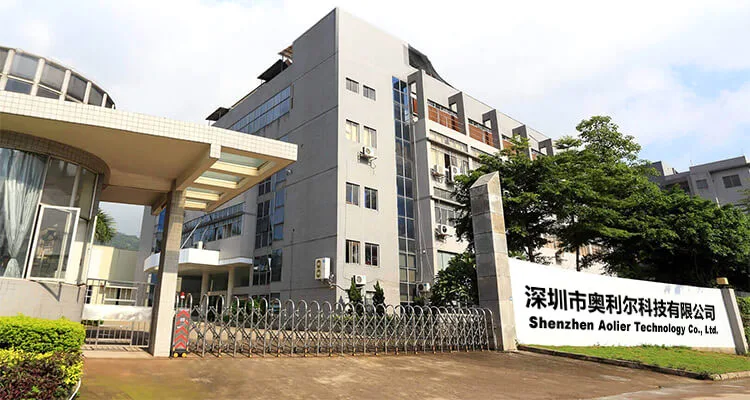
Shenzhen Aolier Technology Co., Ltd.
- Trading Company
- Guangdong Province, China
- Lead time30 days
- Avg. response≤ 2h
Main productsChandeliers, Crystal Chandelier Pendant Light, Customized Lighting Fixtures, Wall Lamps, Floor Lamp
Main marketsSoutheast Asia(30.00%), Mid East(30.00%), North America(20.00%), Africa(15.00%), South America(15.00%), Domestic Market(10.00%), South Asia(10.00%), Southern Europe(10.00%), Northern Europe(10.00%), Central America(10.00%), Western Europe(10.00%), Eastern Asia(10.00%), Eastern Europe(10.00%), Oceania(10.00%)
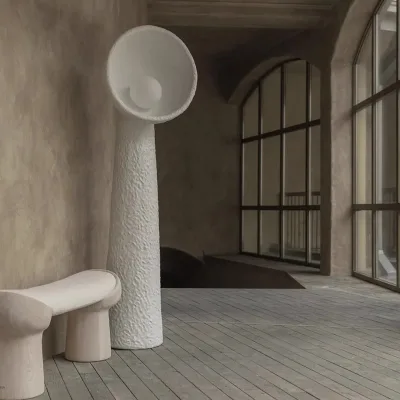
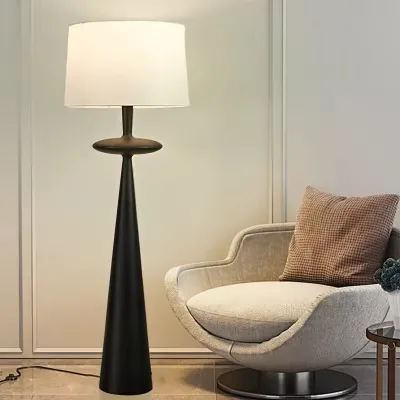
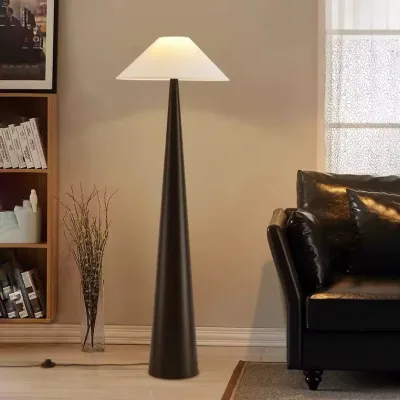
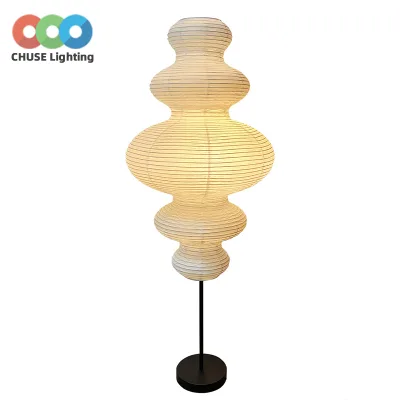
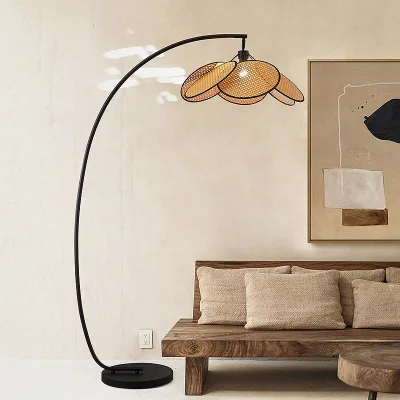
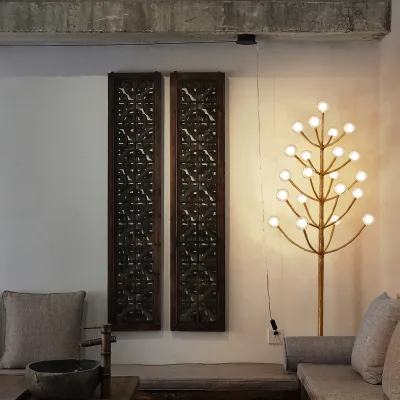
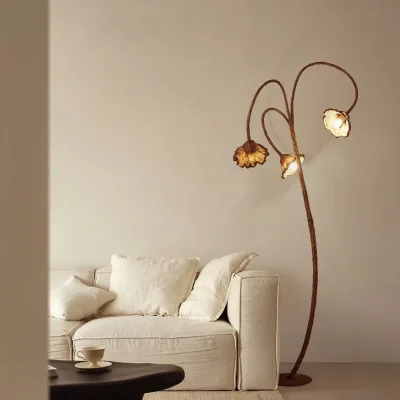
Japanese Wabi-sabi Wind Unique Floor Lamp Bedroom Living Room Atmosphere Floor Lamp
$42.92 - $57.23
MOQ: 2 pieces
Hefei Bahe Import Export Co., Ltd.
- Manufacturer
- Anhui, China
- Lead time7 days
- Avg. response≤ 2h
Main productsChandeliers & Pendant Lights,Floor Lamps,Wall Lamps,Table Lamps,LED Ceiling Fans
Main marketsNorth America(60.00%), Western Europe(15.00%), Mid East(5.00%), Oceania(5.00%), Eastern Europe(5.00%), Southern Europe(3.00%), Northern Europe(3.00%), South America(3.00%), Domestic Market(1.00%)
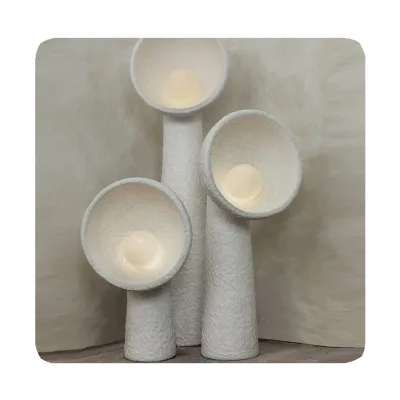
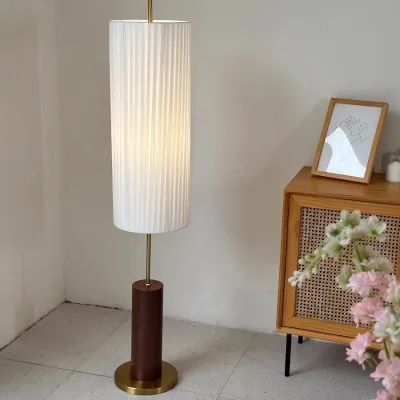
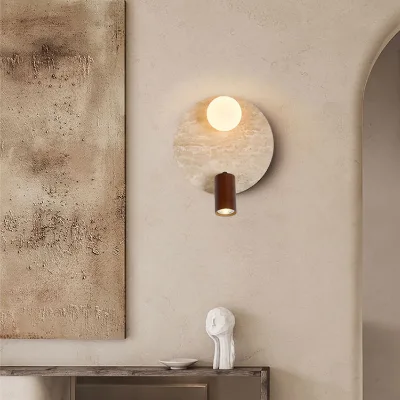
New Japanese Wabi Sabi Wind Floor Lamp Bedroom Atmosphere Floor Lamp Art Lights for Home
$187.20 - $205.92
MOQ: 2 pieces
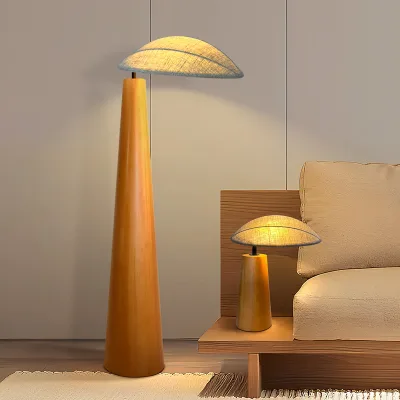
$49.87 - $213.42
MOQ: 2 pieces
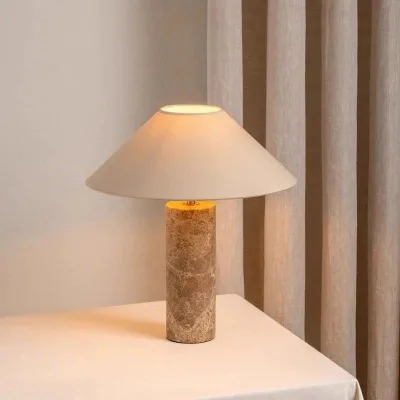
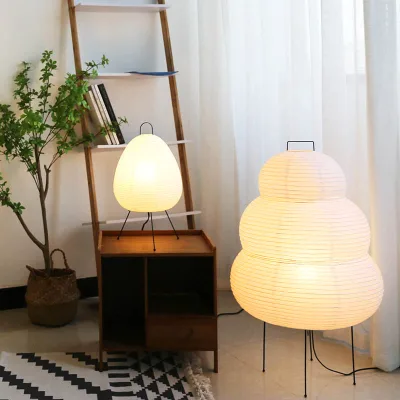
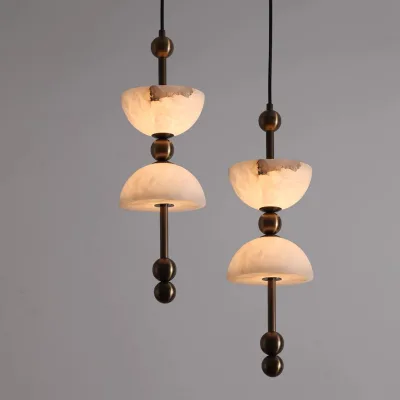
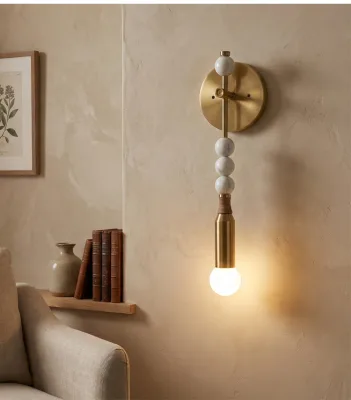
Chaozhou Fengxi Jinming Ceramic Lamps Factory
- Verified by Intertek
- Manufacturer, Trading Company
- Lead time55 days
- Avg. response≤ 6h
Main productsTable Lamp, Vase, Decoration Item, Candle Holder, Ceiling Lamp
Main marketsWestern Europe(65%), North America(15%), Mid East(10%)
Henan Bifang Lighting Technology Co., Ltd.
- Trading Company
- /henan, China
- Lead time7 days
- Avg. response≤ 3h
Main productstable lamp,floor lamp,Mood lighting,Rechargeable night light,Interior lighting
Main marketsNorthern Europe(25.00%), North America(20.00%), Eastern Asia(15.00%), Eastern Europe(5.00%), Western Europe(5.00%), Southeast Asia(5.00%)
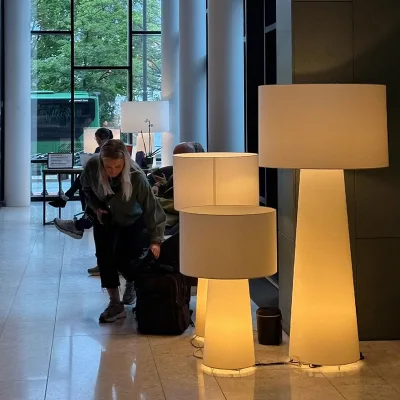
$35.51 - $98.56
MOQ: 2 Minimum
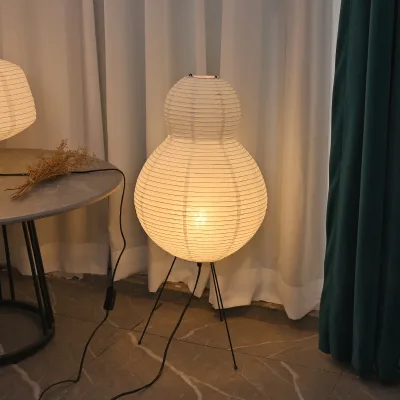
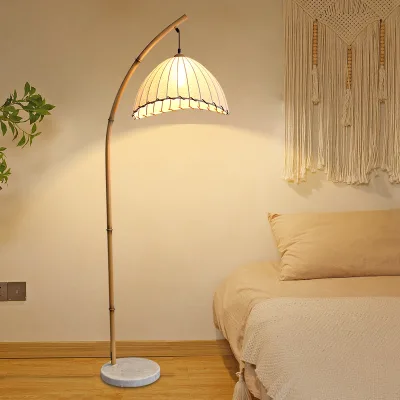
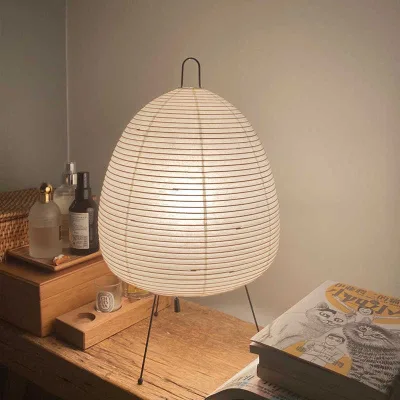
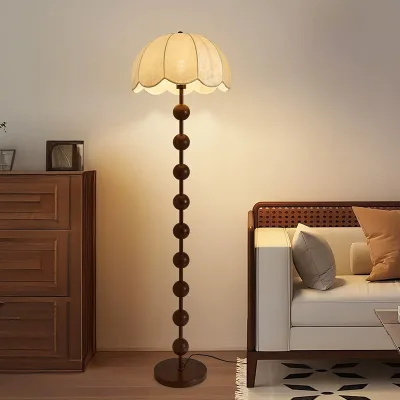
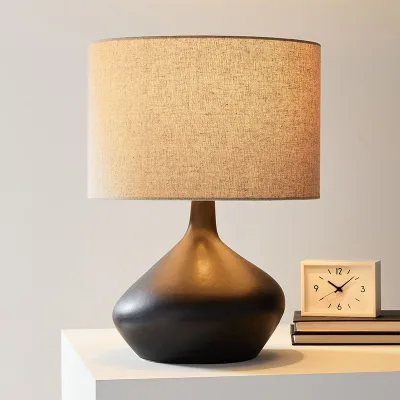
Guangzhou Beacon Peace Home Decor Co., Limited
- Trading Company
- Lead time旺季: "1 - 50":15,"51 - 100":30,"101 - 500":45,"> 500":"To be negotiated", 淡季: "1 - 50":15,"51 - 100":30,"101 - 500":45,"> 500":"To be negotiated"
- Avg. response≤ 3h
Main productsChandelier, Table Lamps, Floor Lamps, Wall Lamps, Ceiling Lamps

Zhong Shan Rima Lighting Co., Ltd.
- Verified by CTI
- Combined
- China Guangdong
- Lead time23 days
- Avg. response≤ 2h
Main marketsSoutheast Asia/ Mideast,Domestic,Europe,North America


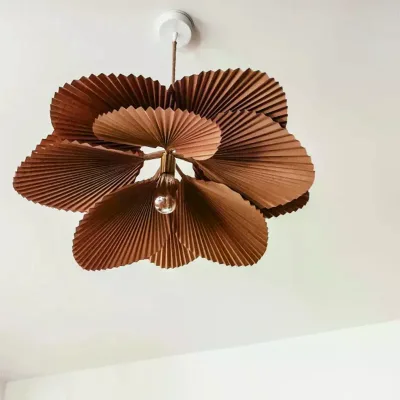
Wabi Sabi Khmara Pendant Lamp for Modern Home Decor
MOQ: 10 Pieces

Shenzhen Well House Lighting Co.,Ltd
- Verified by SGS
- Manufacturer
- China Guangdong
- Lead time15 days
- Avg. response≤ 5h
Main productsChandelier Lighting, Ceiling Lights, Pendant Lights, LED Wall Lamp, Table Lamp, Floor Lamp, Ceiling Fan, Crystal Chandelier, Mirror Lamp, LED Lamp

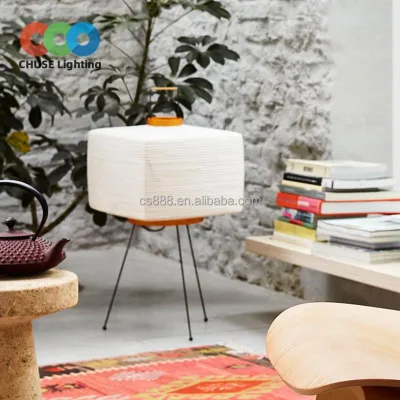
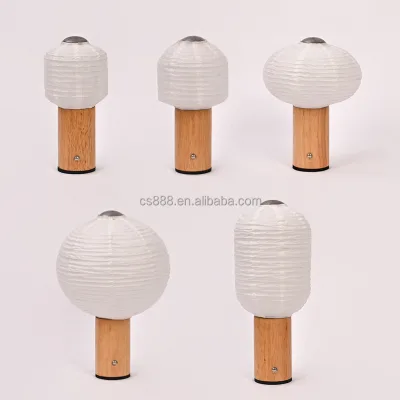
Japanese Wabi-Sabi Akari Noguchi Yong Floor Lamp on Foot Designer Rice Paper Table Lamp (WH-MTB-253)
$1.00 - $1000.00
MOQ: 5 Pieces

Japanese Wabi Sabi Retro Ceramic Ghassan Table Lamp Book Light (WH-MTB-368)
$1.00 - $500.00
MOQ: 5 Pieces

$1.00 - $500.00
MOQ: 5 Pieces

Zhongshan Biggest Lighting Technology Co., Ltd.
- Verified by BV
- Combined
- China Guangdong
- Lead time30 days
- Avg. response≤ 2h
Main productsChandelier, Table Lamp, Floor Lamp, Wall Lamp, Ceiling Light
Main marketsSoutheast Asia/ Mideast,Europe,North America

Zhongshan City Zhi Yi Lighting Co., Ltd
- Verified by BV
- Combined
- China Guangdong
- Lead time23 days
- Avg. response≤ 2h
Main productsLighting, Chandelier, Pendant Light Pendant Lamp, Ceiling Light Ceiling Lamp, Table Lamp Desk Light, Floor Lamp Floor Light, LED Light LED Lighting, Wall Lamp Wall Light, Downlight, Crystal Chandelier
Main marketsAfrica,Southeast Asia/ Mideast,Domestic,North America

$1.00 - $300.00
MOQ: 2 Pieces


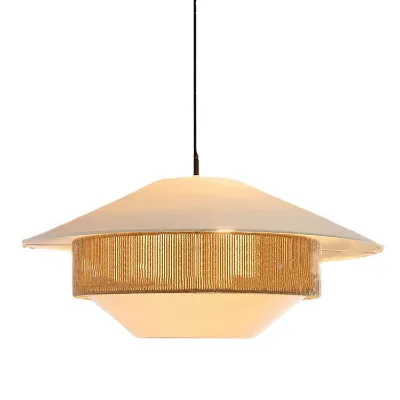
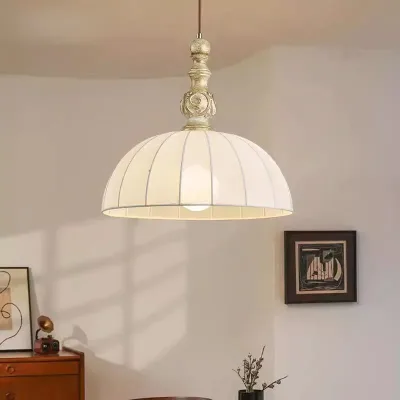
Elegant Wabi Sabi Japanese Art White Cotton Pendant Light for Dining Room (CJ019)
$44.00 - $48.00
MOQ: 2 Pieces

$31.00 - $34.00
MOQ: 1 Pieces

Zhongshan Guzhen Ganyi Lighting Factory
- Manufacturer, Trading Company
- GuangDong, China
- Lead time0 days
- Avg. response≤ 3h
Main productsrattan lamp,hemp rope lamp,wooden lamp,bamboo lamp,fabric lamp
Main marketsSouth America(15.00%), North America(15.00%), Eastern Europe(14.00%), Western Europe(13.00%), Northern Europe(12.00%), Southern Europe(11.00%), Southeast Asia(8.00%), Domestic Market(7.00%), Mid East(5.00%)
Zhongshan Chenyuan Lighting Technology Co., Ltd.
- Manufacturer, Trading Company
- Guangdong, China
- Lead time10 days
- Avg. response≤ 5h
Main productswall light,chandelier,pendant lamp,ceiling light,spot light
Main marketsEastern Europe(20.00%), Northern Europe(15.00%), Mid East(15.00%), Southeast Asia(15.00%), North America(15.00%), Southern Europe(10.00%), Eastern Asia(8.00%), Western Europe(2.00%)
Ganzhou Badu Technology Co., Ltd.
- Verified by TüVRheinland
- Manufacturer, Trading Company
- Lead time30 days
- Avg. response≤ 2h
Main productsCeiling Lights, Wall Lamps, Floor Lamps, Chandeliers & Pendant Lights, Outdoor Lighting
Main marketsNorth America(17%), Africa(15%), Southeast Asia(12%)
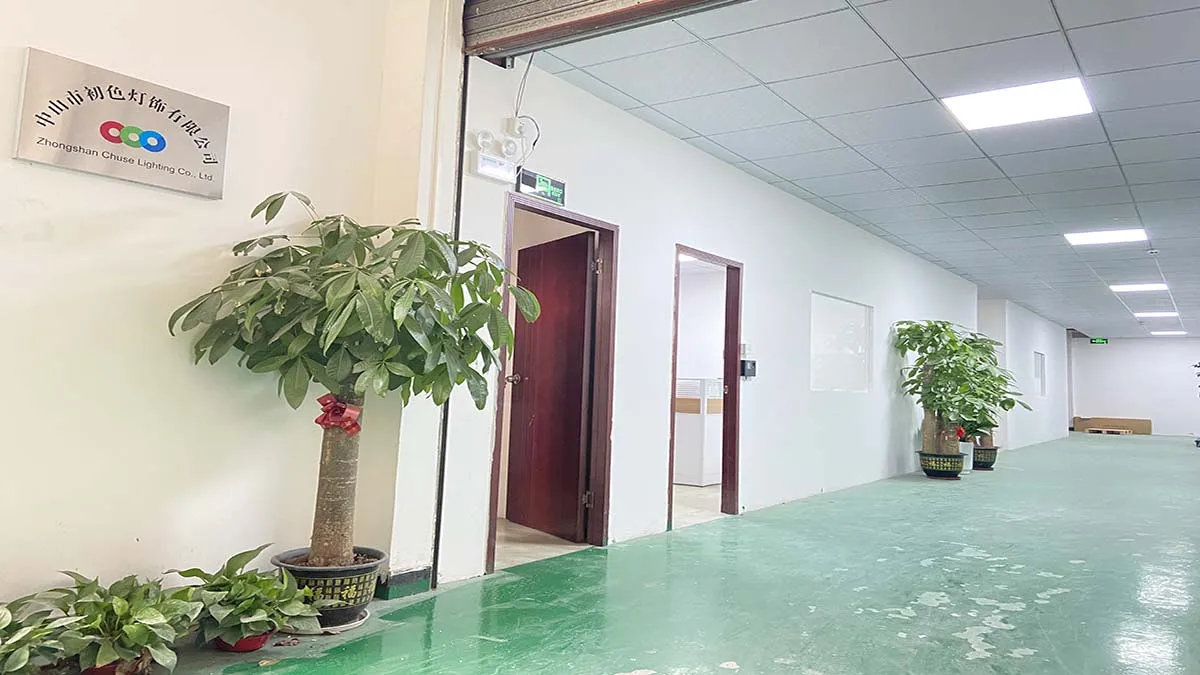
Zhongshan Chuse Lighting Co., Ltd.
- Manufacturer
- Guangdong, China
- Lead time7 days
- Avg. response≤ 3h
Main productsFloor Lamp, Wall Lamp, Table Lamp
Main marketsNorth America(40.00%), Eastern Asia(30.00%), Southern Europe(10.00%), Northern Europe(10.00%), Oceania(5.00%), South Asia(3.00%), Southeast Asia(2.00%)

Huizhou Homelighting Technology Co., Ltd.
- Verified by BV
- Trading Company,Manufacturer/Factory
- China Guangdong
- Lead time0 days
- Avg. response≤ 9h
Main productsTable Lamp, Wall Lamp, Floor Lamp, Hotel Lamp, Tiffany Lamp, Lampshade, Chandelier Lamp
Main marketsSouth America,Eastern Europe,Mid East,North America,Southeast Asia,Eastern Asia,Oceania,Western Europe,Africa

SHANGLI LIGHTING CRAFTS CO.,LTD
- Verified by BV
- Manufacturer/Factory
- China Guangdong
- Lead time30 days
- Avg. response≤ 7h
Main productsPortable Table and Floor Lamp, LED Lamp, Hotel Lamp, Chandelier Lamp, Pendant Lamp, Ceiling Lamp, Wall Lamp, Lampshade, Accessory, Mirror
Main marketsSouth America,Eastern Europe,Mid East,North America,Southeast Asia,Eastern Asia,Oceania,Western Europe,Africa

European Ceramic Table Lamp French Vintage Living Room Japanese Wabi-Sabi Style Table Lamps
$17.50 - $45.00
MOQ: 1 Pieces


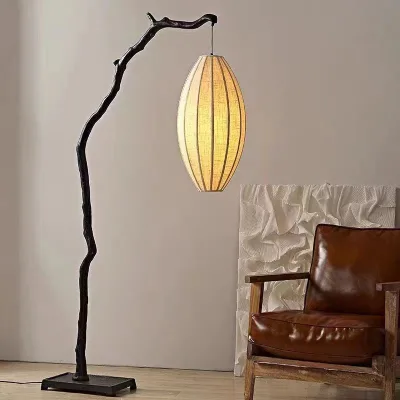
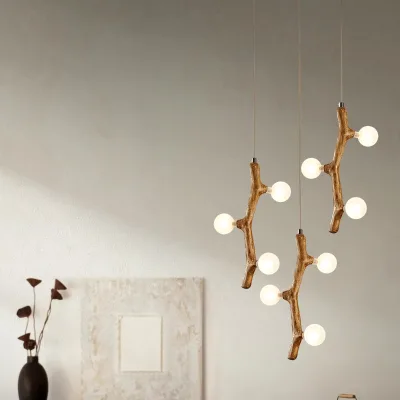
Wabi-Sabi Style Flip Mold Vintage Log Style Orb Antique Resin Floor Lamp
$21.00 - $45.00
MOQ: 1 Pieces


Zhongshan Sanliang Lighting Co., Ltd.
- Verified by SGS Group
- Manufacturer, Trading Company
- Lead time35 days
- Avg. response≤ 2h
Main productsPendant Light, Ceiling Lamp, Table Lamp, Floor Lamp, Wall Lamp
Main marketsNorth America(50%), South America(10%), Eastern Europe(5%)

Zhongshan Ocean Smart Lighting Co., Ltd
- Verified by BV
- Combined
- China Guangdong
- Lead time15 days
- Avg. response≤ 5h
Main productsChandelier, Crystal Chandelier, Pendant Light, Table Light, Floor Lamp, Ceiling Light, Wall Light, Lighting, Hotel Lighting, Energy-Saving Lamp
Main marketsSouth America,Africa,Others(foreignTradeCapacity.exportBusinessCapacityMarketOther),Southeast Asia/ Mideast,Europe,Australia,North America

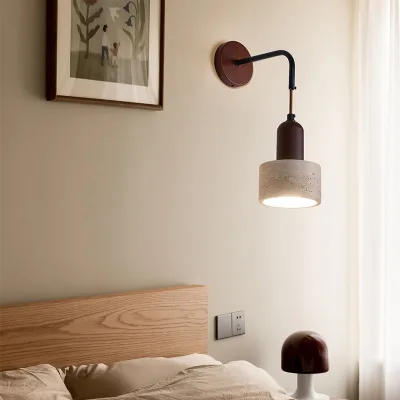
Modern Wabi Sabi Style Indoor Decor Natural Yellow Travertine Stone Lighting Marble Floor Lamp
$89.99 - $188.99
MOQ: 5 Pieces

Elegant Wabi Sabi Restaurant Indoor Decor Natural Stone Lighting Marble Table Lamp
$25.99 - $79.99
MOQ: 5 Pieces
Zhongshan Homie Lighting Company
- Manufacturer, Trading Company
- Guangdong, China
- Lead time0 days
- Avg. response≤ 3h
Changsha Lido Sci & Tech Co., Ltd.
- Trading Company
- Hunan, China
- Lead time35 days
- Avg. response≤ 3h
Main productsChandelier,Customized chandelier,led table light,LED floor light,LED wall light
Main marketsDomestic Market(5.00%), South Asia(5.00%), Southern Europe(5.00%), Northern Europe(5.00%), Central America(5.00%), Western Europe(5.00%), Eastern Asia(5.00%), Mid East(5.00%), Oceania(5.00%), Africa(5.00%), Southeast Asia(5.00%), Eastern Europe(5.00%), South America(5.00%), North America(5.00%)
Guangzhou Xinhongrui Technology Co., Ltd.
- Manufacturer, Agent, Distributor/Wholesaler
- Guangdong Province, China
- Lead time0 days
- Avg. response≤ 5h
Main productsChandelier,Ceiling Light,Wall Lamp,Table Lamp,Floor Lamp
Main marketsNorth America(35.00%), South America(20.00%), Eastern Europe(15.00%), Domestic Market(8.00%), Southeast Asia(8.00%), Mid East(5.00%), Eastern Asia(3.00%), Oceania(3.00%), Africa(2.00%), Western Europe(1.00%)
Jianbian Lighting Technology (zhongshan) Co., Ltd.
- Verified by SGS Group
- Manufacturer, Trading Company
- Guangdong, China
- Lead time7 days
- Avg. response≤ 2h
Main productsRechargeable Cordless Table Lamp, Rechargeable Cordless Wall Lamp, Rechargeable Cordless Floor Lamp, Rechargeable Bulb, Rechargeable Light
Main marketsNorth America(20%), Western Europe(18%), Oceania(15%)

Zhongshan Wynns Lighting Co.,Ltd
- Verified by TUVRHEINLAND
- Manufacturer/Factory
- China Guangdong
- Lead time15 days
- Avg. response≤ 6h
Main productsLighting, Lamp, Chandelier, LED Modern Lamp, Hotel Project Lighting, Custom-Made Lighting, Home Lighting, Office Lighting, Crystal Chandelier, Table Lamp Floor Lamp and Wall Lamp
Main marketsSouth America,Eastern Europe,Mid East,North America,Southeast Asia,Eastern Asia,Oceania,Western Europe,Africa
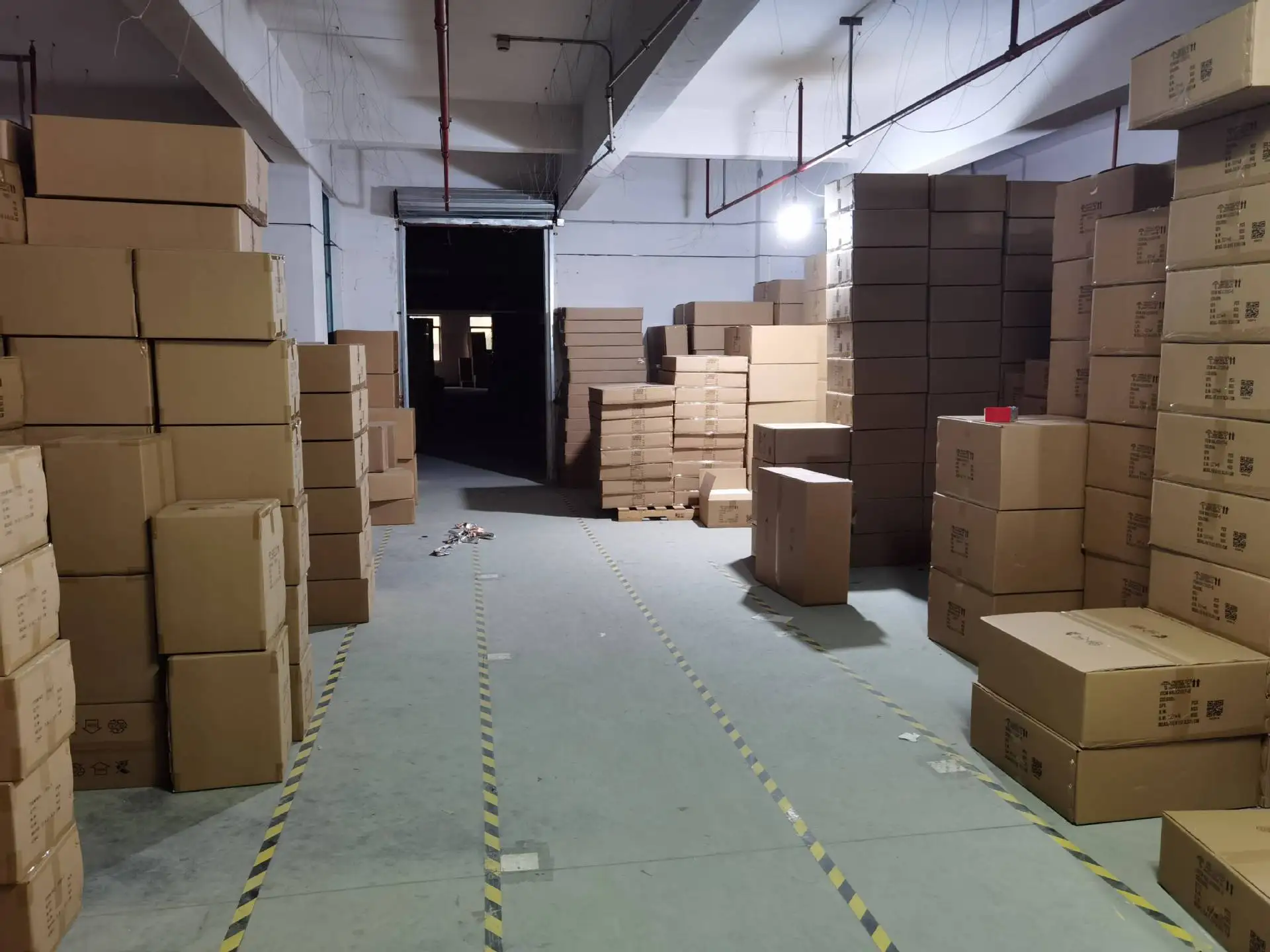
Guangzhou Jingli Trading Co., Ltd.
- Manufacturer, Trading Company
- Guangdong, China
- Lead time15 days
- Avg. response≤ 1h
Main productsindoor and outdoor wall lamp,indoor decor modern ceiling lamp,residence decor luxury chandelier light,minimalist pendant light,customized lighting fixtures
Main marketsSoutheast Asia(20.00%), North America(20.00%), Eastern Asia(10.00%), Mid East(10.00%), Africa(10.00%), Northern Europe(10.00%), Western Europe(10.00%), Eastern Europe(5.00%), South America(5.00%)
Shaanxi Jiayang Lighting Technology Co., Ltd.
- Verified by TüVRheinland
- Manufacturer, Trading Company
- Lead time3 days
- Avg. response≤ 1h
Main productsChandeliers & Pendant Lights, Ceiling Lights, Floor Lamps, Wall Lamps, Customize Lights
Main marketsNorth America(20%), Oceania(15%), Western Europe(15%)
Guangzhou Kebo Lighting Co., Ltd.
- Verified by TüVRheinland
- Manufacturer, Trading Company
- Lead time15 days
- Avg. response≤ 1h
Main productsChandelier, Pendant Light, Table Lamp, Floor Lamp, Wall Lamp
Main marketsNorth America(70%), Oceania(10%), Western Europe(10%)
- Trading Company
- Guangdong, China
- Lead time0 days
- Avg. response≤ 7h
Main productsPendant light,Table light,Floor light,Wall light,Ceiling light
Main marketsNorth America(25.00%), Northern Europe(15.00%), Western Europe(15.00%), Domestic Market(10.00%), South America(10.00%), Eastern Europe(7.00%), Mid East(5.00%), Central America(5.00%), Southern Europe(3.00%), Africa(2.00%), Oceania(2.00%), Southeast Asia(1.00%)
Jiangmen Euron Electric Co., Ltd.
- Verified by TüVRheinland
- Manufacturer, Trading Company
- Lead time35 days
- Avg. response≤ 2h
Main productsChandelier, Wall Light, Down Light, Table Lamp, Floor Lamp
Main marketsNorth America(90%), Mid East(10%)

Foshan YIWU Lighting Co., Ltd.
- Verified by SGS
- Combined
- China Guangdong
- Lead time30 days
- Avg. response≤ 14h
Main productsChandelier, Chandelier Light, Wall Lamp, Hotel Lamp, Table Lamp, Floor Lamp
Main marketsDomestic

Wabi-Sabi Silk Cloth Japanese Retro Living Room Main Light Bedroom Chandelier (613)
$38.00 - $68.00
MOQ: 10 Pieces

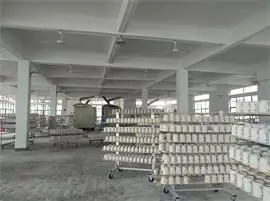
Jingdezhen Suolide Ceramic Co., Ltd.
- Manufacturer, Trading Company
- Jiangxi, China
- Lead time30 days
- Avg. response≤ 2h
Main productsCeramic Vase/Ceramic Jar/Ceramic Table Lamp/Ceramic Stool/Ceramic Floor Vase,ceramic lamp,ceramic dinnerware,ceramic jar
Main marketsDomestic Market(15.00%), Southern Europe(15.00%), Africa(10.00%), Northern Europe(10.00%), South America(10.00%), Central America(6.00%), North America(6.00%), Mid East(5.00%), Oceania(5.00%), Southeast Asia(5.00%), Eastern Europe(5.00%), Western Europe(5.00%), Eastern Asia(3.00%)




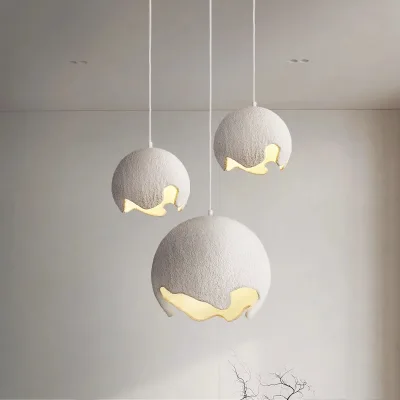
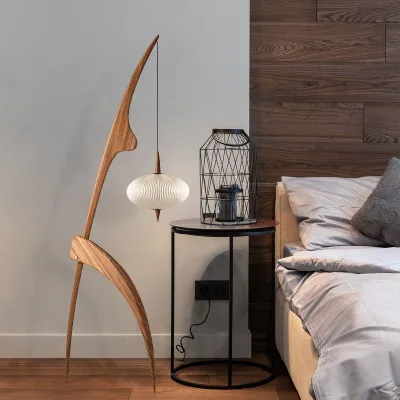
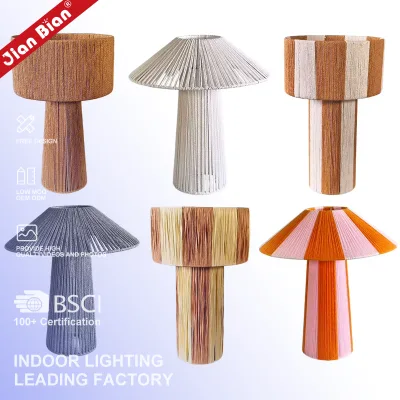


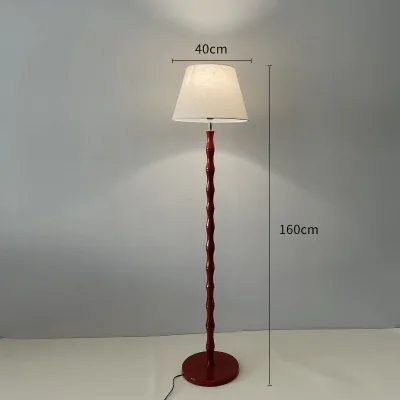
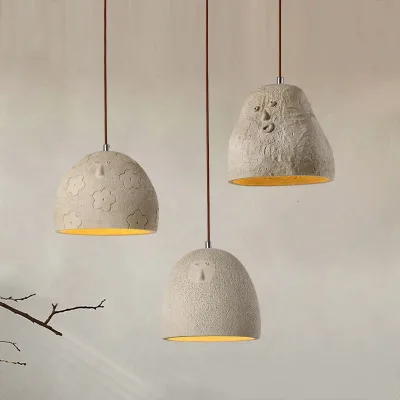
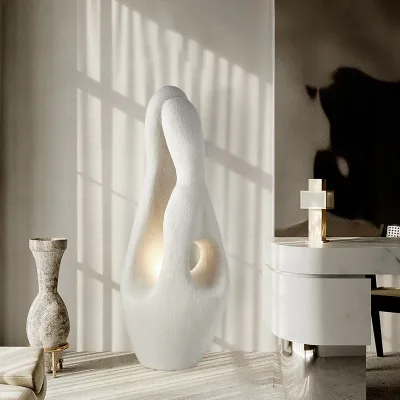
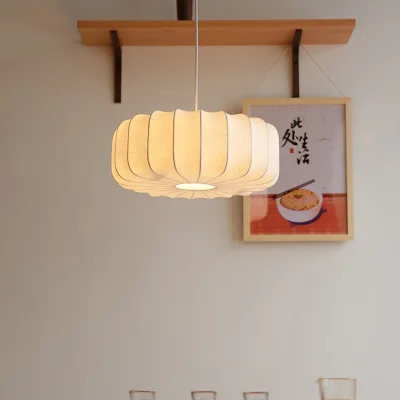
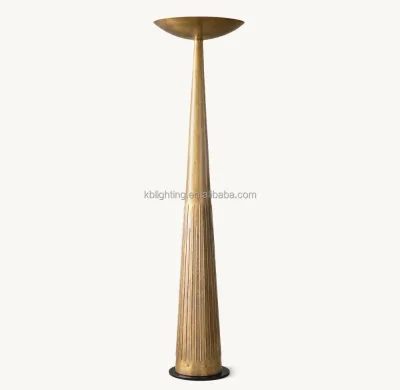
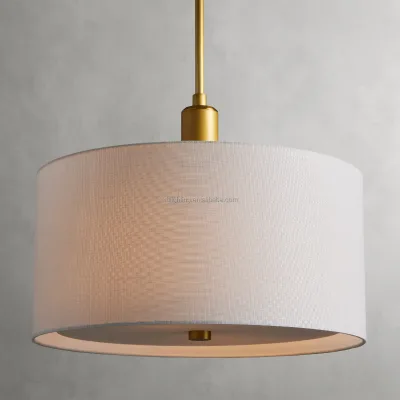
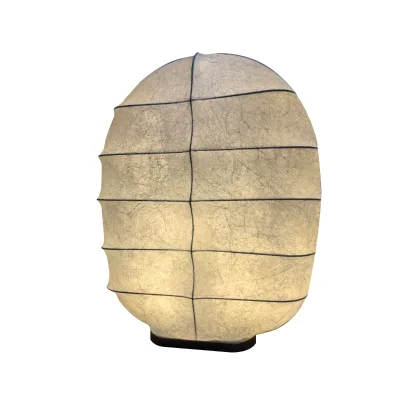
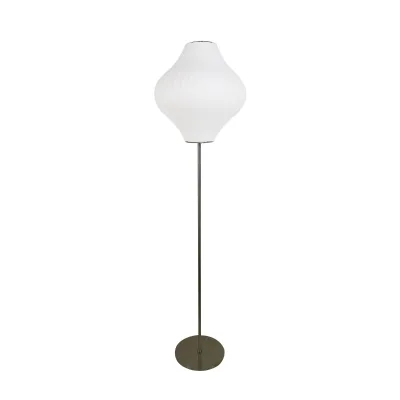
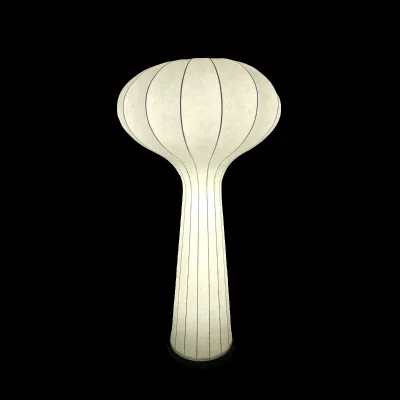
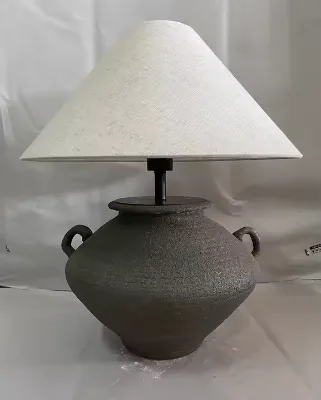
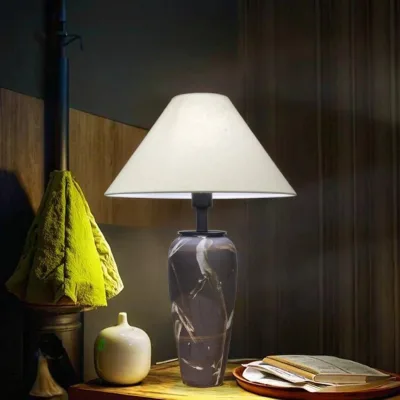
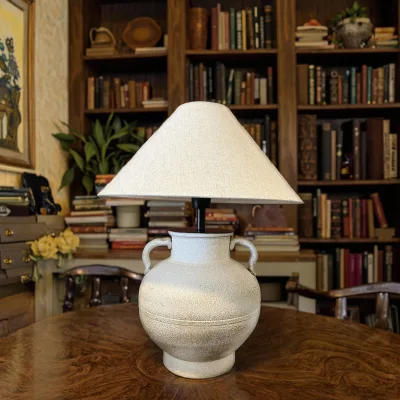
Comprehensive Sourcing Guide
Japanese Wabi Sabi Floor Lamp Supplier Concentration and Factory Types
The available data indicates that a significant portion of suppliers for Japanese Wabi Sabi floor lamps are located in Guangdong Province, China, where manufacturing clusters for lighting fixtures are well-established. These suppliers often operate as trading companies, which suggests they may source products from various factories rather than manufacturing everything in-house. This structure allows for a broader range of inventory, including chandeliers, crystal pendant lights, and custom lighting fixtures, alongside the specific floor lamps requested. Buyers should verify if a supplier is a manufacturer or a trading company to understand the depth of their control over the production process and quality assurance.
In contrast, some results show suppliers based in Anhui, China, who identify as manufacturers. These entities typically produce items like chandeliers, floor lamps, and wall lamps directly, potentially offering more direct control over material selection and assembly. The presence of different company types means buyers must distinguish between a trading company that aggregates products and a manufacturer that builds them. When evaluating concentration, look for the specific location listed in the supplier profile, as this often correlates with the supply chain efficiency and the specific expertise in lighting design. Always confirm the physical address and business license to ensure the claimed location matches the operational reality.
How to Verify Japanese Wabi Sabi Floor Lamp Suppliers
Verification begins by cross-referencing the supplier's declared location with their product origin data. For instance, if a supplier claims to be in Guangdong but lists a product origin in Guizhou, this discrepancy requires immediate clarification. Buyers should request proof of the manufacturing facility's location, such as a factory audit report or a video walkthrough, to confirm where the Japanese Wabi Sabi floor lamps are actually assembled. The presence of a Declaration of Conformity is a positive signal, but it must be valid and relevant to the specific lighting products being sourced. Do not assume that a certification applies to all product lines without checking the scope of the document.
Response time is another critical metric for verification, as a two-day response time indicates a level of operational readiness. However, this metric should be weighed against the complexity of the inquiry; a quick reply does not guarantee product quality or supply chain stability. Buyers should test the supplier's responsiveness with specific technical questions about the resin, glass, or wood materials used in the lamps. If the supplier cannot provide detailed specifications regarding the light source, voltage, or color temperature, they may lack the technical depth required for a reliable partnership. Always demand concrete evidence of their capabilities rather than relying on general marketing claims.
What to Compare Across Japanese Wabi Sabi Floor Lamp Suppliers
When comparing suppliers, lead time is a primary differentiator, with some offering a thirty-day lead time while others promise seven days. This variance often reflects the difference between trading companies managing inventory and manufacturers managing production schedules. Buyers must align their project timelines with these lead times to avoid delays. Additionally, the Minimum Order Quantity (MOQ) varies significantly, ranging from one unit to ten units depending on the specific product model. A lower MOQ might be suitable for testing the market, while a higher MOQ could indicate a focus on bulk manufacturing efficiency.
Product attributes also require careful comparison, such as the main material, which can be resin, glass, or wood, and the light source, which is typically LED. Some suppliers offer lamps with a color temperature of 2700K for a soft warm white ambiance, while others may have different specifications. The warranty period is another crucial factor, with some suppliers offering five-year warranties and others offering three years. Buyers should also compare the lighting solutions services provided, such as project group sales or onsite metering, to ensure the supplier can support complex installation needs. These details define the true value proposition of each supplier beyond just the unit price.
Common Japanese Wabi Sabi Floor Lamp Sourcing Risks
One significant risk involves the mismatch between the product description and the actual specifications provided. For example, a product might be described as a "Japanese Wabi Sabi" style floor lamp but have attributes like a solar desk lamp light source, which is a clear inconsistency. Buyers must scrutinize the product attributes list to ensure the lamp body material, shade material, and application match the intended use. If a supplier lists a product as suitable for a hotel or villa but the technical data suggests a residential application only, this could lead to compliance issues or product failure in the target market.
Another risk is the variability in pricing and the lack of transparency regarding the final cost. Prices can range from approximately $15 to over $200 depending on the model, materials, and complexity. Without a clear understanding of the price range, buyers might overpay or receive substandard goods. The absence of a standardized price list can make budgeting difficult. Furthermore, the support for dimmers varies, with some lamps supporting dimming and others not, which can be a critical oversight if the buyer requires adjustable lighting. Always verify the specific technical capabilities before committing to an order to avoid receiving a product that does not meet the functional requirements.
Japanese Wabi Sabi Floor Lamp Regional Sourcing and Logistics
Logistics planning must account for the specific location of the supplier, as shipping from Guangdong Province may differ from shipping from Anhui or Guizhou. The single package size and gross weight are critical for calculating freight costs; for instance, a lamp with a single gross weight of 20 kg requires different shipping arrangements than a lighter item. Buyers should request the exact dimensions of the single package, such as 40x40x70 cm, to ensure it fits within their logistics constraints. The place of origin also affects customs duties and import regulations, so verifying the country of origin is essential for accurate cost estimation.
Response times and lead times directly impact the logistics schedule, as a thirty-day lead time requires earlier planning than a seven-day lead time. Buyers should factor in the time required for production, quality checks, and shipping when creating their timeline. If a supplier is located in a different province, such as Guizhou, the internal logistics within China might add extra days to the process. It is vital to confirm the shipping terms and who is responsible for the freight costs. Understanding the regional logistics network helps in predicting potential delays and ensuring the product arrives on time for the intended launch or installation.
Japanese Wabi Sabi Floor Lamp Commercial Terms and Order Planning
Commercial terms should be clearly defined regarding the warranty and after-sales support. Some suppliers offer a five-year warranty, while others provide only three years, which significantly affects the long-term cost of ownership. Buyers must verify the specific terms of the warranty, including what is covered and the process for claiming repairs or replacements. The availability of OEM and ODM services is another key commercial term, allowing for customization of the lamp design or branding. This flexibility can be crucial for buyers looking to create a unique product line that stands out in the market.
Order planning must consider the selling units and the packaging configuration, as some products are sold as single items while others might be packaged in bulk. The input voltage, ranging from 85V to 265V, ensures compatibility with various electrical standards, but buyers should still confirm the specific voltage requirements for their target market. The lamp power, which can vary from 10W to 30W, affects energy consumption and heat generation, influencing the overall design and safety. By carefully reviewing these commercial and technical details, buyers can create a robust order plan that minimizes risk and maximizes the value of their investment in Japanese Wabi Sabi floor lamps.
FAQs
Where are Japanese Wabi Sabi floor lamps manufactured?
Most listed suppliers are located in Guangdong Province, China. Some manufacturers also operate in Anhui and Guizhou regions. Buyers should verify the specific place of origin for each product listing to ensure it matches their sourcing requirements and logistics planning needs.
What is the typical lead time for these floor lamps?
Lead times vary significantly between suppliers, ranging from 7 days to 30 days. Manufacturers in Anhui often offer faster turnaround times compared to trading companies. Buyers must confirm the exact production schedule with the specific vendor before placing an order to avoid delays.
What are the minimum order quantities for these lamps?
Minimum order quantities differ by product, with some items requiring only one unit while others need ten or more. Specific listings show MOQs of 1, 2, or 10 pieces depending on the model and supplier. Always check the individual product page for the precise quantity requirement.
What materials are used in Japanese Wabi Sabi floor lamps?
Common materials include resin, glass, wood, and fabric for shades. Some models feature LED light sources with color temperatures around 2700K. Buyers should review product attributes to confirm the specific combination of lamp body and shade materials for their desired aesthetic and durability.
Do these floor lamps support dimming features?
Not all models support dimming, as some listings explicitly state no dimmer support. Control modes vary between switch control and touch control options. Buyers must verify the control mode and dimming capability in the product specifications before purchasing to ensure compatibility with their lighting systems.
What certifications do these lighting products hold?
Some suppliers provide a Declaration of Conformity for their lighting fixtures. Specific certification details may vary by manufacturer and product line. Buyers should request current certification documents from the supplier to ensure compliance with safety standards in their target market before finalizing any purchase.
What is the price range for these floor lamps?
Prices vary widely based on materials and design, ranging from approximately 15 to 205 dollars per unit. Specific listings show minimum prices around 33 dollars and maximums near 57 dollars for certain models. Buyers should compare multiple suppliers to find the best value for their budget.
How quickly do suppliers respond to inquiries?
Response times can be as fast as 2 hours for some suppliers. This metric helps buyers gauge communication efficiency during the sourcing process. It is advisable to test response speed with potential vendors early to ensure timely updates on order status and product availability.