Laser Cut Aluminum Engine Guard Suppliers and Manufacturers
Source 23 verified suppliers for Laser Cut Aluminum Engine Guard components. Compare key dimensions including location, lead time, MOQ, response time, and certifications. Review product specifications and request quotes directly from manufacturers and trading companies; review the available evidence before requesting comparable quotations from suitable candidates.
Suppliers List

Changzhou Luckyway Metal Technology Co., Ltd.
- Combined
- China Jiangsu
- Lead time23 days
- Avg. response≤ 7h
Main productsMotorcycle Parts, Auto Parts, Aluminum Welding Processing, CNC Machining, Bicycle Parts, Go Kart Parts, Forging Parts Processing, Die Casting Processing, Sheet Metal Fabricatiom, Lathe Processing
Main marketsEurope,Australia,North America
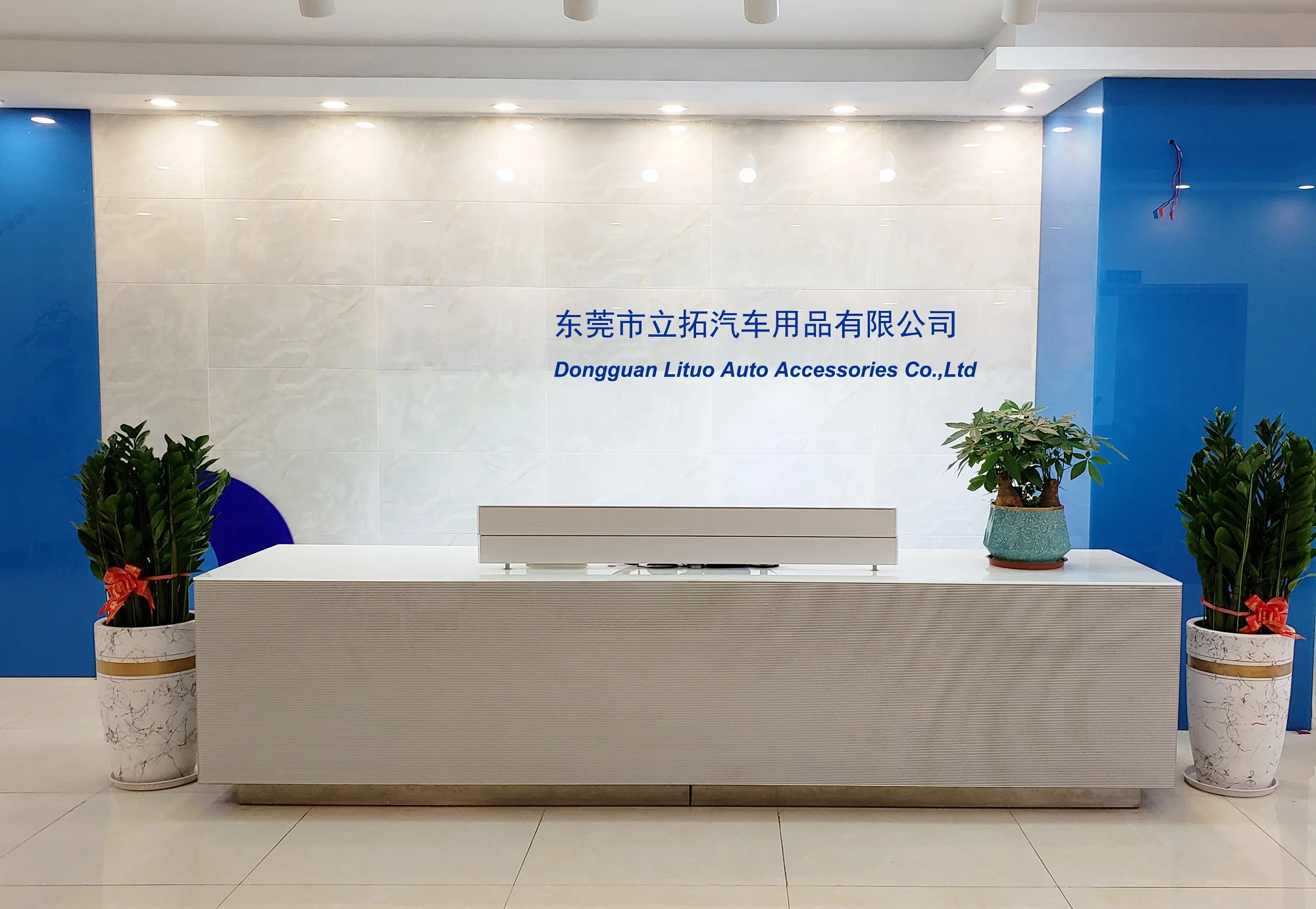
Dongguan Lituo Auto Accessories Co., Ltd.
- Trading Company
- Guangdong, China
- Lead time15 days
- Avg. response≤ 2h
Main productsfloor mat,engine splash shield,sunvisor,storage bucket
Main marketsSouth America(30.00%), North America(30.00%), Mid East(20.00%), Southeast Asia(20.00%)

Ningbo Jalyn International Trading Co., Ltd.
- Trading Company,Manufacturer/Factory
- China Zhejiang
- Lead time30 days
- Avg. response≤ 21h
Main productsMotorcycle Parts, Motorcycle Accessories, Aftermarket Motorcycle Parts, ATV Parts, Bicycle Parts, Motorcycle Plastic Parts, Motorcycle Mirror, Motorcycle Handle Grips, Motorcycle Engine, Bicycle Accessories
Main marketsSouth America,Eastern Europe,North America,Eastern Asia,Oceania,Western Europe,Africa
Qingdao Lianchengda Machinery Co., Ltd.
- Verified by SGS
- Combined
- China Shandong
- Lead time30 days
- Avg. response≤ 4h
Main productsSheet Metal Fabrication Parts, Stamping Parts, CNC Parts, Tube Parts
Main marketsDomestic

- Verified by BV
- Manufacturer/Factory
- China Guangdong
- Lead time23 days
- Avg. response≤ 19h
Main productsCNC Machining Part, CNC Milling Part, CNC Turning Part, Screw, Prototype, Gear, Shaft, Washer, Nozzle, Pin
Main marketsSouth America,Eastern Europe,Mid East,North America,Southeast Asia,Eastern Asia,Oceania,Western Europe,Africa


Gloss Black Anodized Machine Cut Finish Aluminum H Motorcycle Engine Derby Cover
$16.00 - $30.00
MOQ: 100 Pieces

Laser Cutting, Stainless Steel/Metal Laser Cutting Service, China Laser Cutting
$0.26 - $30.00
MOQ: 10 Pieces

Henan Steel Guang International Trade Co., Ltd.
- Trading Company,Manufacturer/Factory
- China Henan
- Lead time23 days
- Avg. response≤ 10h
Main productsSteel Plate, Steel Tube, Angle Steel Bar, Round Bar, CNC Cutting Service, Steel Plate Cutting, Flame Cutting Service, Cutting Steel Plate, Seamless Steel Tube, Wear Resistant Steel Plate
Main marketsSouth America,Mid East,North America,Southeast Asia,Eastern Asia,Western Europe,Africa

Steel Sheet and Plate Laser Cutting Metal Laser Cut for Aluminum Carbon Steel
$600.00 - $800.00
MOQ: 1 Tons


$600.00 - $800.00
MOQ: 1 Tons


Zhejiang Keyone Industry Co.,Ltd
- Verified by BV
- Trading Company,Manufacturer/Factory
- China Zhejiang
- Lead time38 days
- Avg. response≤ 11h
Main productsCutting Wheel, Cutting Disc, Grinding Wheel, Grinding Disc, Flap Wheel, Flap Disc, Abrasive Tool, Abrasive Wheel, Fiber Disc, Cut off Wheel
Main marketsSouth America,Eastern Europe,Mid East,North America,Southeast Asia,Eastern Asia,Oceania,Western Europe,Africa
Shenzhen Prima Industry Co., Ltd.
- Trading Company,Manufacturer/Factory,Group Corporation
- China Guangdong
- Lead time45 days
- Avg. response≤ 9h
Main productsStaircase&Railing, Kitchen Cabinets&Wardrobe, Aluminum Window&Door, Wood Doors, Exterior Doors, Furniture, Wall Cladding, Flooring, Pergola, Canopy
Main marketsSouth America,Eastern Europe,Mid East,North America,Southeast Asia,Eastern Asia,Oceania,Western Europe,Africa
Qingdao Jiaen Machinery Technology Co., Ltd
- Verified by SGS
- Combined
- China Shandong
- Lead time15 days
- Avg. response≤ 2h
Main productsCasting Parts, Sheet Metal Fabrication Parts, CNC Machining Parts, Injection Molding Parts, Mould, Stamping Parts, Aluminum Die Casting Parts, Powder Coating, Painting, Electroplating
Main marketsDomestic

Hangzhou Hengli Metal Processing Co., Ltd.
- Verified by TUVRHEINLAND
- Combined
- China Zhejiang
- Lead time15 days
- Avg. response≤ 2h
Main productsCNC Laser Cutting Service, CNC Flame/Plasma Cutting Service, 3D Laser Processing Service, Welding Fabrication, Machining Service, CNC Bending/Punching Service, Painting/Powder Coating Service, Galvanizing Service, Steel Fabrication Service, Metal Welding Service
Main marketsEurope

$1.00 - $1000.00
MOQ: 1000 Pieces

Laser Cut Metal Parts High Quality Laser Cutting Metal Parts
MOQ: 1000 Pieces
Guangzhou Lanxinwang Technology Co., Ltd.
- Verified by TUVRHEINLAND
- Trading Company
- China Guangdong
- Lead time45 days
- Avg. response≤ 5h
Main productsCustomized Metal Fittings, Tube Bending Services, Laser Cutting Services, Machining, Casting Services, Carport, Platform Ladder, Gas Stove
Main marketsSouth America,Africa,Southeast Asia/ Mideast,East Asia(Japan/ South Korea),Europe,Australia,North America

Custom Motorcycle Exhaust Pipe Protection Cover CNC Cutting Metal Engine Grille Cover
$0.50 - $3.40
MOQ: 50 Pieces


Certificate One-Stop Service Custom Aluminum Laser Cutting Service Metal Cutting Stamping Parts
$0.50 - $4.20
MOQ: 50 Pieces


Stainless Steel Sheet Metal Part Bending and Laser Cut Powder Coated Stamping
$1.20 - $3.60
MOQ: 100 Pieces

Chifeng Bashiker Import&Export Trade Co., Ltd.
- Verified by BV
- Trading Company,Manufacturer/Factory,Group Corporation
- China InnerMongolia
- Lead time23 days
- Avg. response≤ 4h
Main productsHelical Pile for House, Ground Screw for Solar, Steel Fence, Temparary Steel Fence, Grating Steel, Wire Mesh, Steel Frame, H Shaped Steel, Steel Floor Deck, Truss Steel Floor Deck
Main marketsSouth America,Eastern Europe,Mid East,North America,Southeast Asia,Eastern Asia,Oceania,Western Europe,Africa
Wuxi Wanfeng Protection Film Co., Ltd.
- Combined
- China Jiangsu
- Lead time15 days
- Avg. response≤ 2h
Main productsPE Protective Film, Pi Tape, Cold Seal Adhesive Tape, Thermal Release Tape
Main marketsDomestic


Laser-Cutting Compatible Black & White Film - Specialized Guard for Aluminum Sheets
$0.10 - $0.20
MOQ: 30000 Square Meters

Jinjiang Sidebo Technology Industrial Co., Ltd.
- Verified by CTI
- Trading Company,Manufacturer/Factory
- China Fujian
- Lead time23 days
- Avg. response≤ 7h
Main productsEngine Cylinder Block, Oil Pan Sump, Timing Cover, Oil Pickup Screen Connection Suction Strainer, Oil Dipstick and Lead Tube, Aluminum Oil Pan, Engine Oil Pump, Oil Pan and Cylinder Head Gasket, Expansion Freeze Plugs, Cylinder Head
Main marketsSouth America,North America,Western Europe

GUANGDONG DONGJI INTELLIGENT DEVICE CO.,LTD.
- Verified by BV
- Combined
- China Guangdong
- Lead time15 days
- Avg. response≤ 4h
Main productsFresh Orange Juice Vending Mach, OEM ODM Jdm Smart Machine, Sheet Metal Fabrication, Metal Fabrication, Sheet Metal Machine Housing Assembly Fabrication, Stainless Steel Laser Cutting Service, Metal Display; Stand; Rack; Shelf, Sheet Metal Bending and Welding, Metal Enclosure, Vending Machine
Main marketsSoutheast Asia/ Mideast,East Asia(Japan/ South Korea),Europe,Australia,North America
Wuxi Gelanten Technology Co., Ltd.
- Verified by TUVRHEINLAND
- Manufacturer/Factory
- China Jiangsu
- Lead time23 days
- Avg. response≤ 2h
Main productsCNC Machining Parts, Custom Machining Part, OEM Parts, CNC Machining Service, Custom Machinery Part, Technology Solution Service, High Precision Customized Fixture, High Precision Shaft, Metal Injection Molding Part, Aluminum Casting Mold
Main marketsSouth America,Eastern Europe,Mid East,North America,Southeast Asia,Eastern Asia,Oceania,Western Europe,Africa
Suzhou Ecod Precision Manufacturing Co., Ltd.
- Verified by CTI
- Trading Company
- China Jiangsu
- Lead time15 days
- Avg. response≤ 6h
Main productsCNC Machining Part, Sheet Metal Part, Injection Moulding, Stamping Part, Surface Treatment, CNC Milling Part, CNC Turning Part, Die-Casting Part
Main marketsSoutheast Asia/ Mideast,Europe

- Verified by BV
- Combined
- China Jiangsu
- Lead time15 days
- Avg. response≤ 1h
Main productsCNC Machining Parts, 5-Axis Machining Parts, Metal Injection Molding(MIM), Sheet Metal Fabrication, Industrial Equipment & Components, Auto Parts, Die Casting, CNC Machining, Sheet Metal Parts, Robot Parts
Main marketsDomestic,North America
QINGDAO XINGHEXING PRECISION INDUSTRY CO., LTD
- Verified by SGS
- Combined
- China Shandong
- Lead time30 days
- Avg. response≤ 5h
Main productsCasting Parts, Machining Parts, Sheet Metal Parts, Aluminium Welding Parts, Mold &Tools, Machine Parts, Auto Parts, Truck Parts, Vehicle Parts, Valve & Pump Parts
Main marketsEurope,Australia,North America

Shenzhen View Well Industry Co., Ltd
- Verified by CTI
- Trading Company
- China Guangdong
- Lead time23 days
- Avg. response≤ 12h
Main productsStamping Parts, Turning Parts, Milling Parts, CNC Processing, Sheet Metal, Die Casting
Main marketsDomestic,Europe,North America

Hehua Machinery Technology (Kunshan) Co., Ltd
- Verified by SGS
- Combined
- China Jiangsu
- Lead time23 days
- Avg. response≤ 7h
Main productsStamping Part
Main marketsNorth America
Dezhou Epai Precision Machinery Co., Ltd
- Trading Company
- China Shandong
- Lead time0 days
- Avg. response≤ 1h
Main productsPrecision Parts Processing/Sheet Metal Parts, Mechanical Machining/CNC Precision Machining, Gallium Arsenide Semiconductor Device, Indium Phosphide Semiconductor Device, Aerospace Parts


Accurate Size Anti-Abrasion CNC Fabricated Aluminum Parts with Laser Engraving
$0.50 - $3.00
MOQ: 1 pcs

Ningbo Yinzhou Hisea Machinery Co., Ltd.
- Manufacturer/Factory
- China Zhejiang
- Lead time23 days
- Avg. response≤ 1h
Main productsCNC Machining Parts, Investment Casting Parts, Stamping, Forging, Welding Service, Metal Fabricating Service, Laser Cutting Service, Die Casting, Metal Deep Drawn, Stainless Steel Accessories
Main marketsSouth America,Eastern Europe,Mid East,North America,Southeast Asia,Eastern Asia,Oceania,Western Europe,Africa


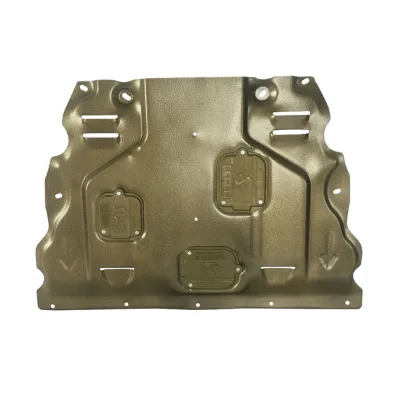
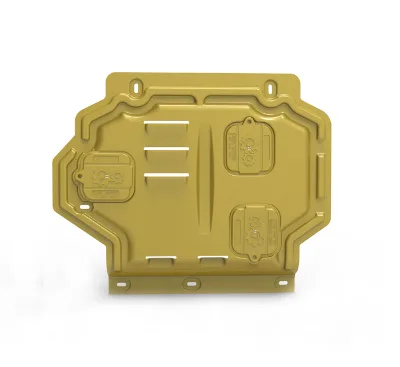


Comprehensive Sourcing Guide
Laser Cut Aluminum Engine Guard Supplier Concentration and Factory Types
Supplier concentration for laser cut aluminum engine guards appears primarily in Jiangsu, Guangdong, and Zhejiang provinces, where manufacturing clusters support specialized machining and fabrication. In Jiangsu, suppliers often combine CNC machining with die casting and sheet metal fabrication, offering integrated solutions for custom engine guards. Guangdong-based entities frequently focus on vehicle accessories and exterior protection, utilizing laser cutting for precise fitment on specific car models. Zhejiang suppliers tend to blend motorcycle and automotive parts production, sometimes offering OEM capabilities alongside trading services. These regional concentrations allow buyers to access diverse manufacturing capabilities without needing to source from scattered locations.
Factory types vary significantly across these regions, ranging from combined manufacturers to pure trading companies. Some suppliers in Jiangsu operate as combined entities with their own brands and ODM/OEM capacity, enabling them to handle complex customization requests for engine guards. In contrast, trading companies in Guangdong and Zhejiang may aggregate products from multiple factories, offering a broader catalog of engine splash shields and skid plates. Buyers should verify whether a supplier is a direct manufacturer or a trading intermediary, as this impacts lead times and communication efficiency. Understanding the company type helps in assessing whether the supplier can manage custom engineering or simply resell standard inventory.
How to Verify Laser Cut Aluminum Engine Guard Suppliers
Verification begins with confirming the supplier's physical location and operational history, as these factors influence reliability and logistics. Buyers should request proof of origin, such as factory addresses in Changzhou, Jiangsu, or specific cities in Guangdong and Zhejiang, to ensure the supplier operates within the claimed manufacturing cluster. Checking response times is another critical step; suppliers with response times under three days often indicate active sales teams and efficient communication channels. For instance, some suppliers demonstrate rapid engagement with response times around two days, while others may take over twenty days, signaling potential delays in project initiation.
Certifications and product attributes provide further evidence of supplier legitimacy and quality standards. Look for specific certifications like IATF16949 or ISO 9001, which indicate adherence to automotive industry quality management systems. Product details such as material specifications, surface treatments like anodizing or polishing, and customization availability should match the buyer's requirements. Verify that the supplier lists clear attributes for their laser cut aluminum engine guards, including deck type, material composition, and export markets. If a supplier claims to offer custom sizes or colors, ensure they provide detailed product attributes confirming these capabilities rather than vague promises.
What to Compare Across Laser Cut Aluminum Engine Guard Suppliers
When comparing suppliers, focus on lead times, minimum order quantities (MOQ), and pricing structures to determine the best fit for your project. Lead times can vary widely, with some suppliers offering delivery within fifteen days while others require up to thirty days. MOQs also differ significantly; certain suppliers may require orders as low as five units, while others set thresholds at fifty units or higher. Understanding these constraints helps buyers align their inventory needs with supplier capabilities, ensuring that small batch orders or large volume purchases are feasible without excessive costs.
Pricing and customization options are equally important comparison points. Prices for laser cut aluminum engine guards may range from competitive rates to specific fixed amounts, depending on material quality and processing complexity. Some suppliers offer flexible pricing based on order volume, while others maintain fixed rates regardless of quantity. Additionally, compare the extent of customization available, such as color options, surface treatments, and specific fitment for different vehicle models. Suppliers offering OEM or ODM services provide greater flexibility for branding and design, whereas those with limited customization may only offer standard products. Evaluating these factors ensures a balanced approach to cost and quality.
Common Laser Cut Aluminum Engine Guard Sourcing Risks
One significant risk involves mismatched product specifications, where the final engine guard does not meet the required dimensions or material standards. Suppliers may list generic attributes like "Aluminum" or "Steel" without specifying exact grades or thicknesses, leading to potential quality issues. Buyers must verify detailed product attributes, such as thickness measurements and surface treatment methods, to ensure the guard meets durability and aesthetic requirements. Failure to confirm these details can result in receiving products that are unsuitable for the intended application, causing delays and additional costs.
Another risk is inconsistent lead times and response speeds, which can disrupt supply chain planning. Some suppliers may promise quick turnaround times but fail to deliver, while others may have long response times that delay project initiation. This inconsistency can be particularly problematic for time-sensitive orders or projects with tight deadlines. Buyers should prioritize suppliers with documented response times and reliable lead time records to mitigate these risks. Additionally, verify the supplier's ability to handle custom orders and their track record for meeting delivery schedules to avoid potential disruptions.
Laser Cut Aluminum Engine Guard Regional Sourcing and Logistics
Regional sourcing impacts logistics costs and delivery timelines, with different provinces offering distinct advantages. Jiangsu-based suppliers often benefit from established industrial infrastructure, facilitating efficient production and shipping. Guangdong suppliers may offer faster access to international ports, reducing transit times for global shipments. Zhejiang suppliers, while potentially further from major ports, still provide competitive logistics solutions through local networks. Buyers should consider the proximity of the supplier to their target markets when selecting a region, as this can influence overall shipping costs and delivery speed.
Logistics planning also involves understanding packaging and export standards. Suppliers typically use carton or export packing for laser cut aluminum engine guards, ensuring protection during transit. Verify the packaging details to ensure they meet the requirements for long-distance shipping and handling. Additionally, consider the supplier's experience with international exports, as this affects their ability to navigate customs and regulatory requirements. Suppliers with a global export market presence are more likely to have streamlined logistics processes, reducing the risk of delays or damage during shipment.
Laser Cut Aluminum Engine Guard Commercial Terms and Order Planning
Commercial terms, including payment methods and escrow services, play a crucial role in securing a successful transaction. Buyers should confirm whether the supplier offers escrow protection, which safeguards funds until the order is completed and verified. This is particularly important for custom orders where specifications may vary from initial expectations. Additionally, clarify the payment schedule, such as deposits and final payments, to ensure alignment with production milestones. Understanding these terms helps manage financial risk and ensures both parties are committed to the order's successful completion.
Order planning requires careful consideration of production capacity and customization needs. Suppliers with OEM or ODM capabilities can handle complex orders, but buyers must provide detailed specifications to avoid misunderstandings. Verify the supplier's capacity to handle the required volume and timeline, ensuring they can meet production demands without compromising quality. For custom orders, confirm the availability of design support and prototyping services to refine the product before full-scale production. Effective order planning minimizes the risk of delays and ensures the final product meets all requirements.
FAQs
What is the typical lead time for laser cut aluminum engine guards?
Lead times vary by supplier location and order volume. Suppliers in Jiangsu report a lead time of 23 days, while those in Guangdong offer 15 days. Zhejiang-based manufacturers may require up to 30 days. Buyers should confirm specific timelines with the supplier before placing orders to ensure production schedules align with project deadlines.
What are the minimum order quantities for aluminum engine guards?
Minimum order quantities depend on the specific product and supplier. Some listings require a minimum of 50 units, while others accept orders as low as 5 pieces. Customization availability often influences these thresholds. Buyers should verify the MOQ for their specific model requirements to avoid unnecessary inventory costs or order rejections.
Which certifications are available for engine protection components?
Certification standards vary among suppliers. Some manufacturers hold ISO 9001 certification, while others provide IATF 16949 compliance for automotive parts. Certain suppliers list general system certifications or none at all. Buyers requiring specific quality standards should request certification documents directly from the supplier to verify compliance with their regional regulations.
What materials are used for laser cut engine guards?
Common materials include aluminum, steel, and plastic. Aluminum is frequently used for its lightweight properties and corrosion resistance. Steel options provide enhanced durability for off-road applications. Some products offer mixed material constructions. Buyers should specify their preferred material based on weight, strength, and budget requirements when requesting quotes from potential suppliers.
How quickly do suppliers typically respond to inquiries?
Response times differ significantly across regions. Suppliers in Guangdong often respond within 2 hours, while those in Jiangsu may take approximately 6 hours. Zhejiang-based manufacturers can have response times exceeding 20 hours. Prompt communication is crucial for urgent orders, so buyers should prioritize suppliers with faster response metrics for time-sensitive projects.
What customization options are available for engine guards?
Many suppliers offer OEM and ODM services for custom designs. Customization includes specific colors, sizes, and surface treatments like anodizing or sandblasting. Some manufacturers provide custom-fit designs for specific vehicle models. Buyers should provide detailed specifications or CAD files to ensure the final product meets their exact engineering and aesthetic requirements.