Large Screen Solar Battery Calculator Suppliers and Manufacturers
Compare 23 verified suppliers offering Large Screen Solar Battery Calculator options with OEM and ODM capabilities. Review response times, lead times, and certifications like ISO 9001 and RoHS before requesting quotes for desktop or scientific models; review the available evidence before requesting comparable quotations from suitable candidates.
Updated
Suppliers List

Putian Lung Kin Electronic Co., Ltd.
- Verified by SGS
- Manufacturer/Factory
- China Fujian
- Lead time23 days
- Avg. response≤ 4h
Main productsClock, Digital Clock, Timer, Calculator, LCD Modules, Stopwatch, Electronic Toys, Electronic Watches
Main marketsSouth America,Eastern Europe,Mid East,North America,Southeast Asia,Eastern Asia,Oceania,Western Europe,Africa


14 Digit 16 Digit Mechanical Electronic Solar Calculator with Large LCD Display
$1.603 - $1.928
MOQ: 500 Pieces

Guangdong Shunde Zuncheng Electronic Technology Ltd., Company.
- Verified by SGS Group
- Manufacturer, Trading Company
- Lead time30 days
- Avg. response≤ 1h
Main productsCalculator, Thermometer, Timer
Main marketsSoutheast Asia(30%), Mid East(20%), North America(15%)
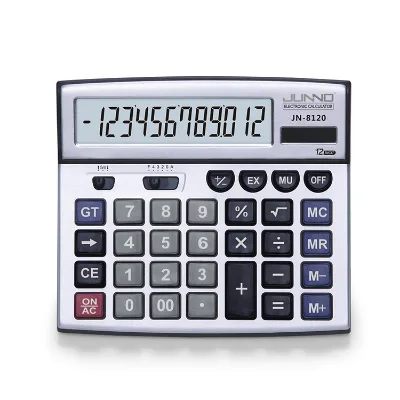

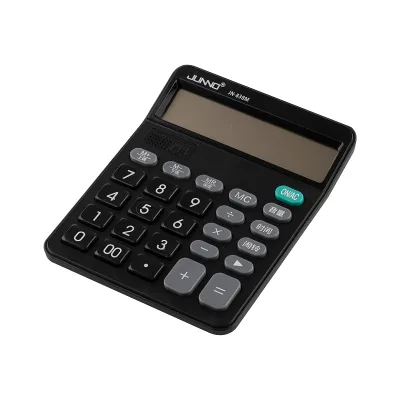
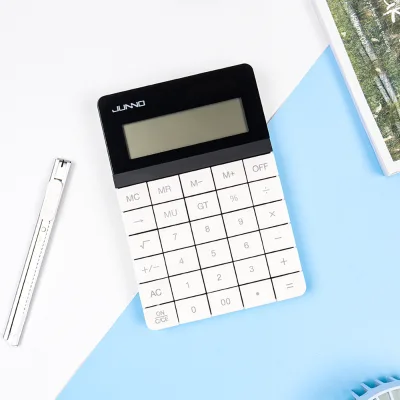
Big Number LCD Solar OEM Calculator for Student & Office Use Digital Fancy Design
$0.9266 - $1.0509
MOQ: 2 Minimum
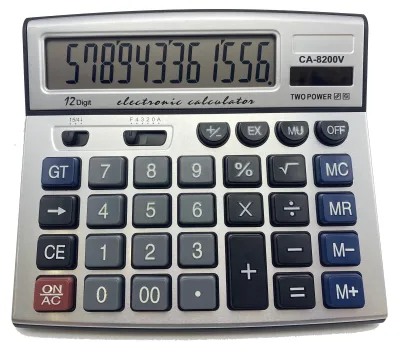
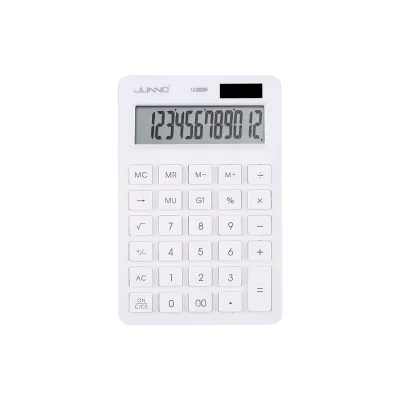
Putian Huayang Electronic Co., Ltd.
- Verified by Intertek
- Manufacturer, Trading Company
- Lead time25 days
- Avg. response≤ 5h
Main productsCalculators, Clocks, Timers, Stopwatches
Main marketsNorth America(20%), Southeast Asia(20%), Western Europe(15%)
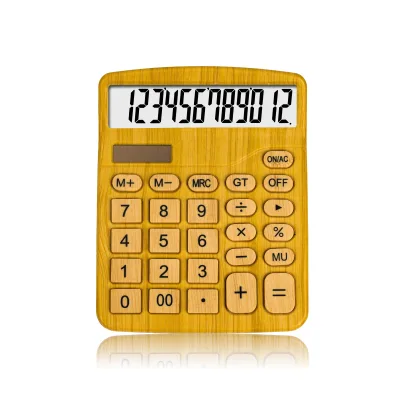
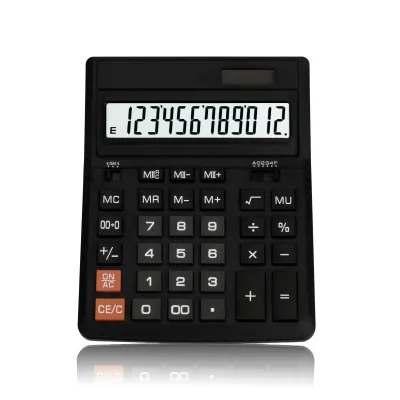
$1.6886 - $1.9671
MOQ: 3000 pieces
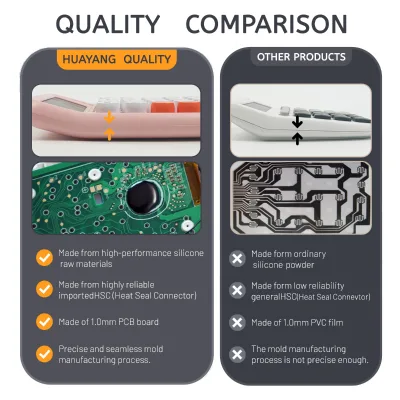
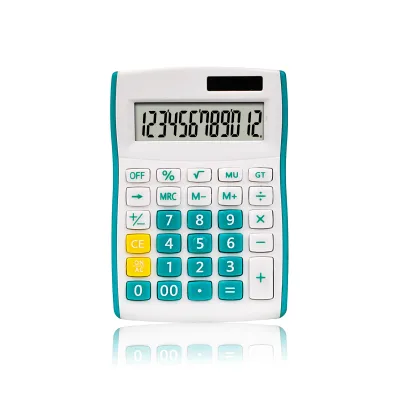
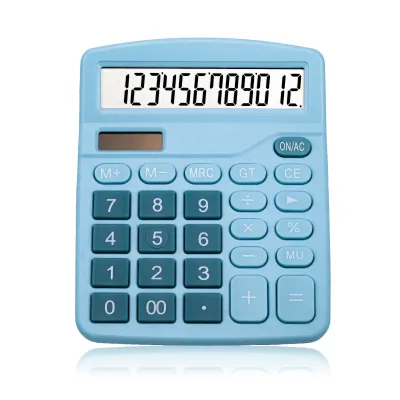
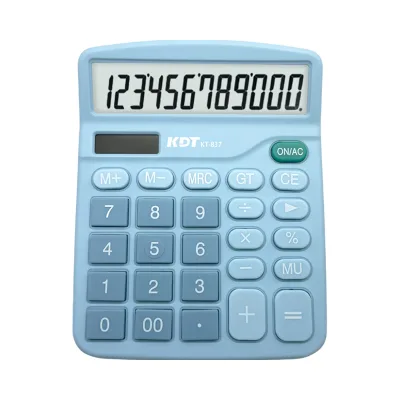
Wholesale Custom Blue Office Solar Calculator 12 Digits with Custom Logo
$1.0928 - $1.2769
MOQ: 3000 pieces

Shenzhen Alisi Electronic Technology Co., Ltd.
- Trading Company, Distributor/Wholesaler
- Guangdong, China
- Lead time3 days
- Avg. response≤ 2h
Main productselectron component,temperature controller,Auto parts,sensor,Wireless Controller
Main marketsSouth America(20.00%), Eastern Europe(20.00%), North America(15.00%), Western Europe(5.00%), Domestic Market(5.00%), South Asia(5.00%), Southern Europe(5.00%), Northern Europe(5.00%), Central America(5.00%), Eastern Asia(3.00%), Mid East(3.00%), Oceania(3.00%), Africa(3.00%), Southeast Asia(3.00%)

Chengdu Qinliwei Import and Export Trade Co., Ltd.
- Trading Company,Manufacturer/Factory
- China Sichuan
- Lead time23 days
- Avg. response≤ 8h
Main productsGolf Products, CNC Products, Timer, Mat, Fashion Accessories, Digital Counter, Photographic Equipment
Main marketsNorth America,Western Europe

Electronic Desktop Calculator with 8-Digit Large Display, Solar and Button Battery
$0.93 - $1.35
MOQ: 180 Pieces

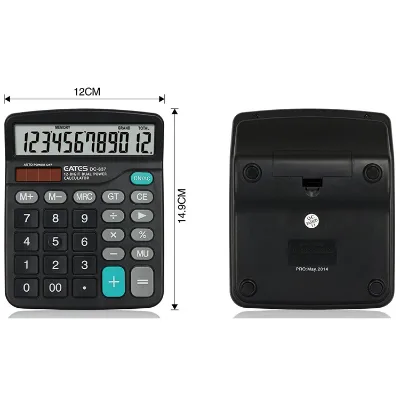
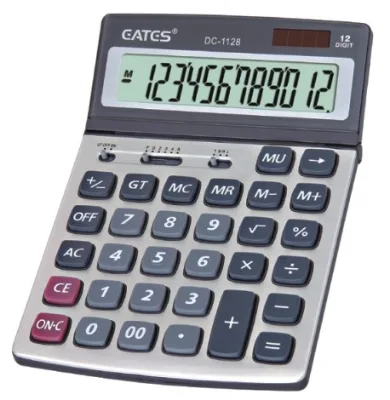
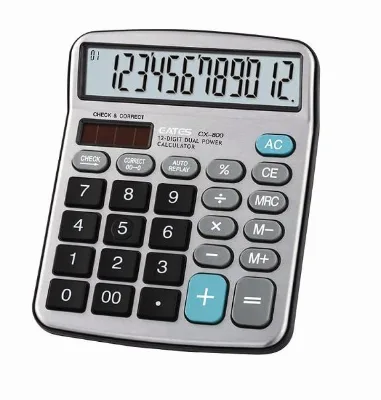
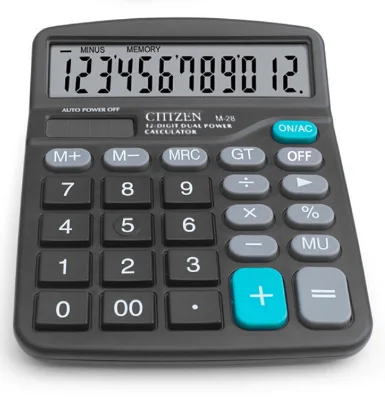
12-Digit Solar Battery Office Calculator with Large LCD Display Big Sensitive Button Js-1200V
$1.99 - $2.31
MOQ: 90 Pieces


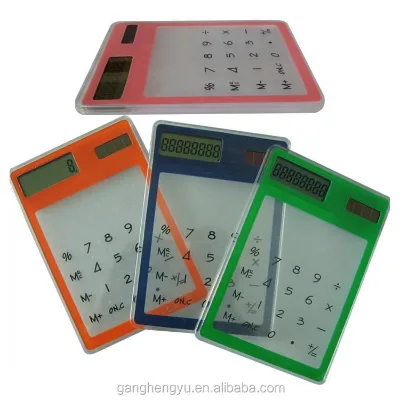
8 Digit Thin Solar Power Calculator with Touch Screen Credit Card Design
$0.25 - $0.30
MOQ: 1000 Pieces

Shantou Eates Electronic Industrial Co., Ltd.
- Manufacturer, Trading Company
- Guangdong, China
- Lead time40 days
- Avg. response≤ 11h
Main productsElectronic Calculator
Main marketsDomestic Market(76.92%), Southeast Asia(7.05%), Africa(5.57%), Mid East(4.76%), South Asia(2.19%), Eastern Europe(2.13%), South America(0.54%), Western Europe(0.48%), Eastern Asia(0.29%), Southern Europe(0.07%)

Jinjiang Jiayi Supply Chain Management Co., Ltd.
- Verified by BV
- Trading Company
- China Fujian
- Lead time30 days
- Avg. response≤ 1h
Main productsGift, Shoe, Garment, Machine
Main marketsDomestic
Shenzhen Go Hand International Trade Co., Ltd.
- Manufacturer, Trading Company, Distributor/Wholesaler
- Guangdong, China
- Lead time30 days
- Avg. response≤ 1h
Main productscalculators,countdown timers,clocks,stopwatch,electronic gifts
Main marketsWestern Europe(11.00%), North America(10.00%), Southern Europe(10.00%), Central America(10.00%), Southeast Asia(8.00%), Eastern Europe(8.00%), Domestic Market(7.00%), Mid East(7.00%), Eastern Asia(6.00%), South Asia(5.00%), Africa(5.00%), Northern Europe(5.00%), South America(5.00%), Oceania(3.00%)

Guangzhou Tianhe District Tangxia Jimmy Stationery Trading Firm
- Manufacturer, Trading Company, Buying Office
- Guangdong, China
- Lead time0 days
- Avg. response≤ 6h
Main productscalculator,ball pen,marker pen,box files,pencils
Main marketsAfrica(50.00%), Central America(10.00%), Western Europe(10.00%), Oceania(10.00%), North America(10.00%), Eastern Europe(10.00%)
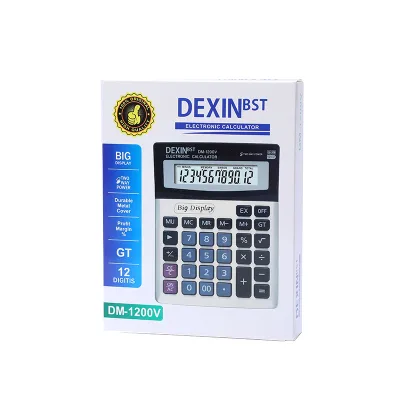
$1.8907 - $2.1003
MOQ: 60 pieces
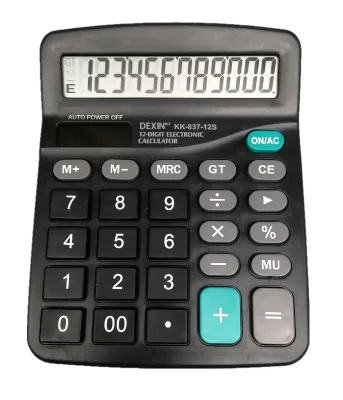

Anhui Sunshine Stationery Co., Ltd.
- Verified by TUVRHEINLAND
- Trading Company
- China Anhui
- Lead time15 days
- Avg. response≤ 3h
Main productsPencil, Stationery Pins, Stationery Clips, Staple, Stapler, Paper Punch, Office Organizer, Document File, Glue
Main marketsSouth America,Africa,Others(foreignTradeCapacity.exportBusinessCapacityMarketOther),Southeast Asia/ Mideast,East Asia(Japan/ South Korea),Europe

$1.711 - $2.091
MOQ: 600 Pieces

LCD Display Large Button Battery Solar Dual Power Calculator for Office Supplies
$1.709 - $2.089
MOQ: 600 Pieces

Multi-Functional Big Button Solar & Battery Power 14 Digit Desktop Calculator LCD Display
$3.531 - $4.315
MOQ: 300 Pieces

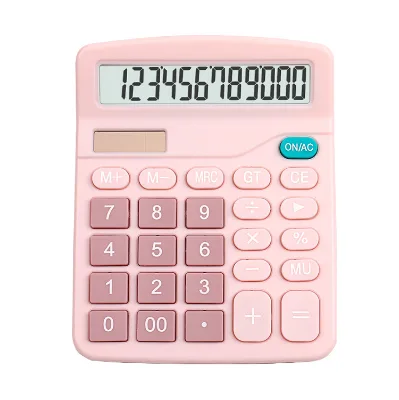
Solar Dual Power Desktop Calculator with 12-Digit Display Financial Office Portable Calculator
$1.711 - $2.091
MOQ: 3000 Pieces

12 Digit Desktop Calculator with Dual Power Solar & Battery for School Office
$1.711 - $2.091
MOQ: 300 Pieces

Dual Solar Power and Battery Portable Electronic Calculator for School Office Home
$1.711 - $2.091
MOQ: 300 Pieces
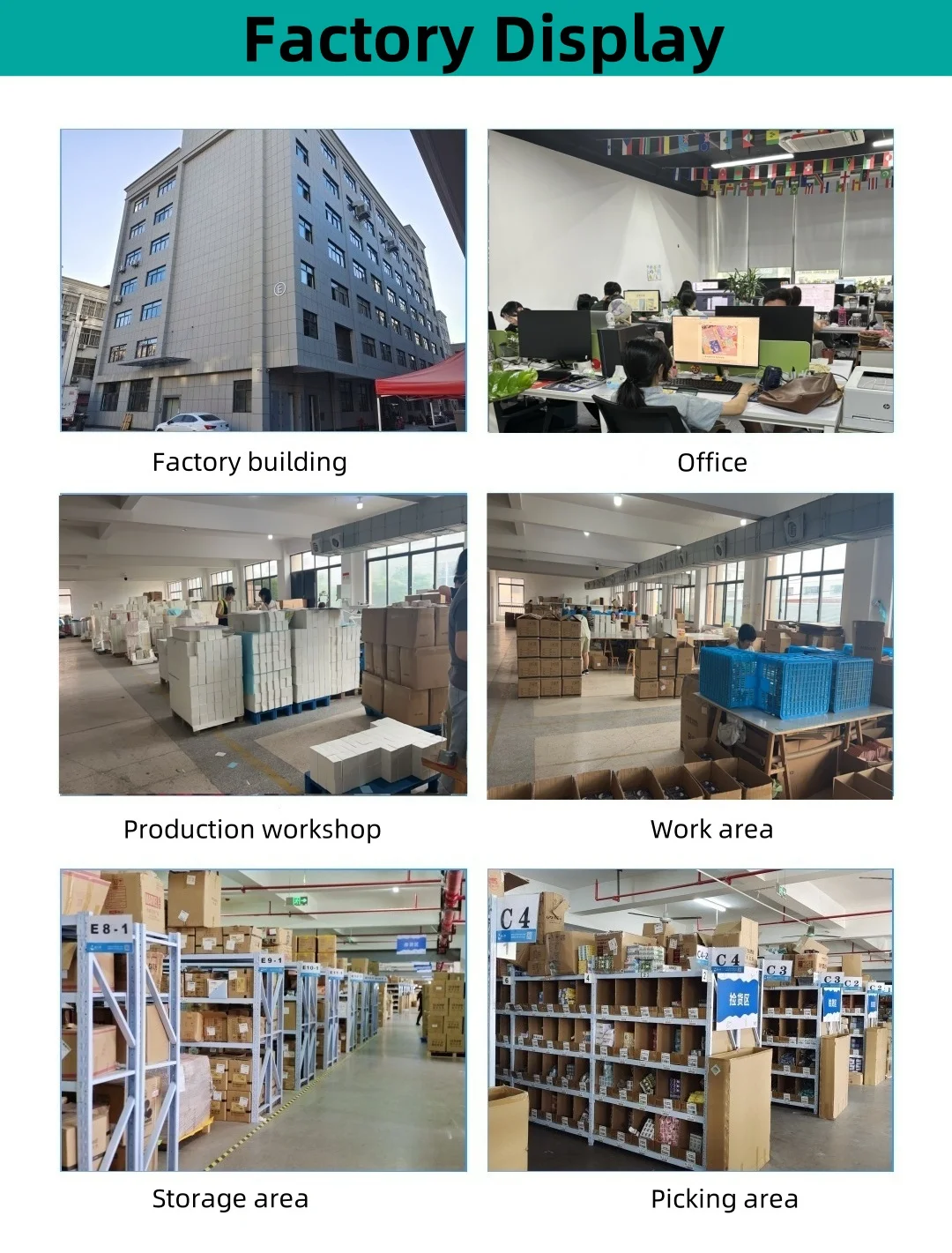
Dongyang Mengchen Stationery Co., Ltd.
- Trading Company
- Zhejiang, China
- Lead time7 days
- Avg. response≤ 2h
Main productsNoteBook,Gel Pen,Stickers,Learn stationery,File collection
Main marketsDomestic Market(30.00%), Eastern Asia(15.00%), South Asia(10.00%), Southeast Asia(10.00%), Western Europe(10.00%), North America(10.00%), South America(5.00%), Central America(3.00%), Southern Europe(3.00%), Northern Europe(3.00%), Oceania(2.00%), Eastern Europe(2.00%), Mid East(2.00%), Africa(1.00%)
Huizhou Chungyuan Industry Development Co., Ltd.
- Verified by SGS Group
- Manufacturer, Trading Company
- Lead time45 days
- Avg. response≤ 3h
Main productsCalculator
Main marketsDomestic Market(35%), Eastern Asia(22%), Mid East(15%)
Sichuan Best-Line Machinery Co., Ltd.
- Trading Company
- Lead time旺季: "1 - 1200":31,"> 1200":"To be negotiated", 淡季: "1 - 1200":31,"> 1200":"To be negotiated"
- Avg. response≤ 8h
Main productsart brush,paints,paint brush,art material,drawing pencil

- Verified by SGS
- Trading Company,Manufacturer/Factory,Other
- China Zhejiang
- Lead time38 days
- Avg. response≤ 14h
Main productsBath Mat, Cushion, Wooden Toys, Fitness Equipment, Cosmetic Bag, Luggage, Festival Products, Gym Items, Face Mask, Paracord Bracelet
Main marketsSouth America,Eastern Europe,Mid East,North America,Southeast Asia,Eastern Asia,Oceania,Western Europe,Africa

Promotional Large Button Financial 12-Bit Voice Office Educational Gift Stationery Solar Calculator
$1.80 - $2.00
MOQ: 300 Pieces

Promotional Large Display Solar and AA Battery Dual Power Electronic Office Calculators
$1.10 - $1.30
MOQ: 300 Pieces

Promotional Large LCD Display Dual Solar Power and Battery Office-Supplies Stationery Calculator
$1.80 - $2.00
MOQ: 100 Pieces

Promotional 5 Color Batteries Solar Power Supply 12 Digits LCD Business Calculator
$0.80 - $1.00
MOQ: 300 Pieces

Promotional 12-Digit Solar Battery Dual Power Desktop Calculators Office Supplies
$1.20 - $1.40
MOQ: 300 Pieces

LION PROMOTIONAL GIFT CO., LIMITED
- Verified by TUVRHEINLAND
- Trading Company
- China Zhejiang
- Lead time30 days
- Avg. response≤ 25h
Main productsPromotional Gifts, Giveaways, Advertising Gift, Premium Items, Publicity Material, Freebie Items, Marketing Gifts, Campaign Gifts, Promotional Products, China Gifts Supplier
Main marketsAfrica,Europe,North America

Shenzhen Fteda Gifts Co., Ltd.
- Manufacturer, Trading Company
- Guangdong, China
- Lead time15 days
- Avg. response≤ 6h
Main productsElectronic Products,Phone cases,electronic gifts,gifts sets,PVC skin sticker
Main marketsWestern Europe(20.00%), North America(20.00%), Southeast Asia(10.00%), Mid East(10.00%), Central America(5.00%), South America(5.00%), Eastern Asia(5.00%), Eastern Europe(5.00%), Southern Europe(5.00%), Northern Europe(5.00%), Oceania(3.00%), Africa(3.00%), Domestic Market(2.00%), South Asia(2.00%)
Shantou Baitong Stationery Co., Ltd.
- Manufacturer, Trading Company
- Guangdong, China
- Lead time15 days
- Avg. response≤ 3h
Main productsGel Pen,Correction Tape,Marker Pen,Art Marker,Calculator
Main marketsDomestic Market(55.00%), Southeast Asia(15.00%), Western Europe(5.00%), Eastern Asia(5.00%), North America(4.00%), Eastern Europe(3.00%), Northern Europe(2.00%), Central America(2.00%), South Asia(2.00%), Southern Europe(2.00%), South America(2.00%), Africa(1.00%), Mid East(1.00%), Oceania(1.00%)

Xiamen Ebei Import & Export Co., Ltd.
- Verified by CTI
- Trading Company,Manufacturer/Factory
- China Fujian
- Lead time45 days
- Avg. response≤ 2h
Main productsEco-Friendly Products, Bamboo Tableware, Bamboo Furniture, Bamboo Kitchenware, Bamboo Office Supply, Bamboo Fibre Products, Biodegradable Products, Bamboo Towel, Solar Energy Products, Bamboo Garden Products
Main marketsSouth America,Eastern Europe,Mid East,North America,Southeast Asia,Eastern Asia,Oceania,Western Europe,Africa
Wenzhou Bonvan Stationery & Gifts Co., Ltd.
- Verified by TüVRheinland
- Trading Company
- Lead time25 days
- Avg. response≤ 3h
Main productsMarkers, Pens, School Stationery, Office Stationery, Art Material
Main marketsNorth America(20%), Domestic Market(20%), Western Europe(15%)
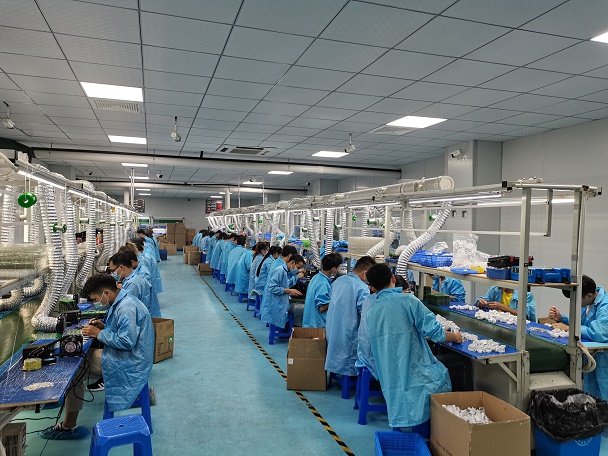
Shenzhen GY Technology Co., Ltd.
- Manufacturer, Trading Company
- Guangdong, China
- Lead time7 days
- Avg. response≤ 3h
Main productsLCD Writing Tablet, Kids Walkie Talkie, Talking Flash Cards, Drawing Robot, Kids Reading Pen
Main marketsNorth America(36.00%), Western Europe(20.00%), Southern Europe(7.00%), Oceania(6.00%), Southeast Asia(6.00%), Africa(5.00%), Central America(4.00%), Eastern Asia(4.00%), Mid East(4.00%), Northern Europe(3.00%), Eastern Europe(3.00%), South America(2.00%)

Guangzhou Vitality Manufacturing&Export Co., Ltd
- Verified by CTI
- Trading Company
- China Guangdong
- Lead time15 days
- Avg. response≤ 4h
Main productsNotebook, Exercise Book, School Cloth, Textbook, School Bag, Pens, Stationery Set, Ruler Set, Calculator, Jigsaw Puzzle
Main marketsSouth America,Africa,Southeast Asia/ Mideast

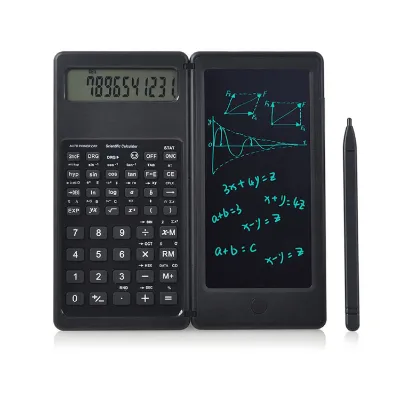
12 Digital Solar Battery Dual Power Multifunction Customizable Calculator with Handwriting Board
$3.99 - $4.69
MOQ: 3000 Pieces

12 Digit LCD Display Solar Calculator with Writing Tablet for Office & College
$2.39 - $2.99
MOQ: 1000 Pieces
Hangzhou Yingyueshufang E-Commerce Co., Ltd.
- Verified by TüVRheinland
- Trading Company
- Lead time30 days
- Avg. response≤ 19h
Main productsBooks Volumes, Home Garden Products, Sports Entertainment Products, Packaging Printing Equipment Products, Office Stationery Educational Supplies
Main marketsNorth America(50%), Western Europe(10%), Northern Europe(10%)

Yiwu Jinghao Stationery Co., Ltd.
- Manufacturer, Trading Company
- Zhejiang, China
- Lead time15 days
- Avg. response≤ 8h
Main productspens,pencils,gift boxes,notebooks,calculators
Main marketsNorth America(30.00%), Northern Europe(15.00%), Western Europe(10.00%), Eastern Europe(10.00%), Domestic Market(5.00%), Mid East(5.00%), Oceania(5.00%), South America(5.00%), Southern Europe(5.00%), Southeast Asia(3.00%), Africa(3.00%), Eastern Asia(2.00%), Central America(2.00%)
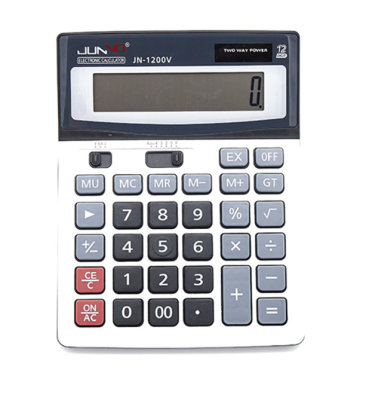








Comprehensive Sourcing Guide
Large Screen Solar Battery Calculator Supplier Concentration and Factory Types
Supplier listings for the Large Screen Solar Battery Calculator category concentrate in China, and the current results point to two manufacturing provinces. Some suppliers are located in Fujian, where listed companies describe themselves as manufacturers or factories producing calculators, digital clocks, timers, calculators with LCD modules, stopwatches, electronic toys and electronic watches. Others are in Guangdong, where a listed desktop model of this type explicitly names Guangdong, China as its place of origin. A buyer screening this category should therefore treat southern China as the realistic sourcing base and expect that factory visits, audits and sample shipments all involve Chinese logistics from the outset.
Factory types vary in ways that matter commercially. Some listings are pure manufacturers or factories, while others are combinations of manufacturer and trading company. The pure factory listings tend to show broader in-house product ranges — clocks, timers, LCD modules and electronic toys alongside calculators — which suggests shared assembly lines and LCD sourcing. The combined manufacturer-trader listings often show lighter customization capabilities such as sample processing, graphic processing and customized-on-demand work. Several suppliers state OEM and ODM capacity directly, and at least one product listing confirms OEM/ODM as yes with logo printing and customization available. Buyers should not assume every displayed company label is current; verify the business license, the declared type and whether the quoted factory actually produces calculators or merely assembles them for a trader.
How to Verify Large Screen Solar Battery Calculator Suppliers
Verification should start with third-party audit status. In the current results, at least two suppliers carry SGS verification labels, one shown as SGS and another as SGS Group, and several list system certifications including ISO 9001, ISO 9000, ISO 14001, ISO 14000, ISO 20000 and OHSAS/OHSMS 18001. A buyer should ask for the actual certificate numbers and scope rather than trusting the badge text, because ISO 9001 on a clock factory does not automatically cover a calculator line. Product-level certifications matter too: the observed calculator listings reference RoHS and ISO markings on the products themselves, so request RoHS documentation for the specific model you intend to order, especially if you ship into the EU.
Beyond paperwork, verify capability with evidence tied to this category. Ask for the factory's own calculator models — the observed listings show model numbers such as T-1499, T-8017, T-8015, T-808 and 8120 — and confirm the supplier can produce that exact model with your logo and packaging. Request samples before committing, since listings may describe features like dual power (solar plus battery) that need physical confirmation. Check responsiveness during the inquiry stage: displayed response times in these results range from about one hour to under four hours, and a supplier that answers slowly before the sale usually gets slower after it. Finally, confirm the declared location and company type against the business license, because manufacturer-trader hybrids sometimes present factory imagery from a partner plant rather than their own.
What to Compare Across Large Screen Solar Battery Calculator Suppliers
Build a comparison table using the dimensions that actually appear on supplier listings, without assuming every supplier displays every attribute. Key columns should include location, company type (manufacturer, factory, or manufacturer-trading hybrid), main products, third-party verification, system certifications, response time, lead time, customization capacity and MOQ. In the current results, lead times are displayed as roughly 23 days for one supplier and 30 days for another, response times vary from about one hour to under four hours, and MOQs on individual calculator products are shown at 500 pieces for one model and 1000 pieces for another. These figures are listing-level claims, not guarantees, so record them as stated and confirm them in writing during negotiation.
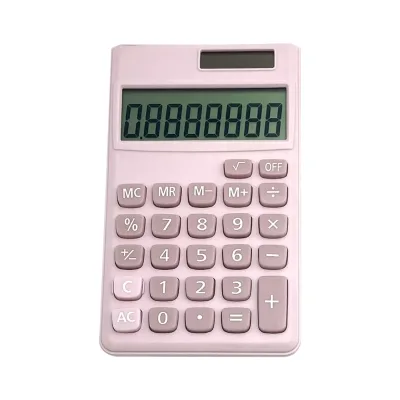
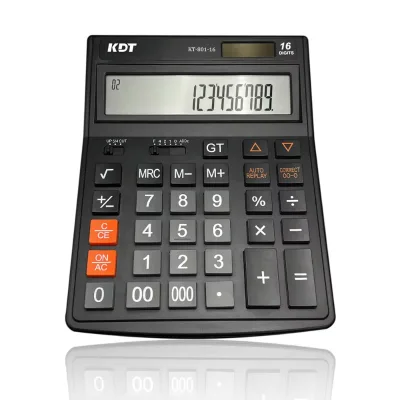
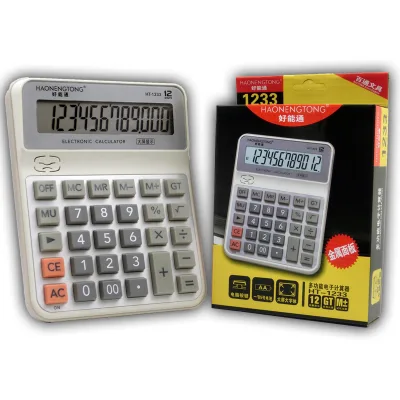
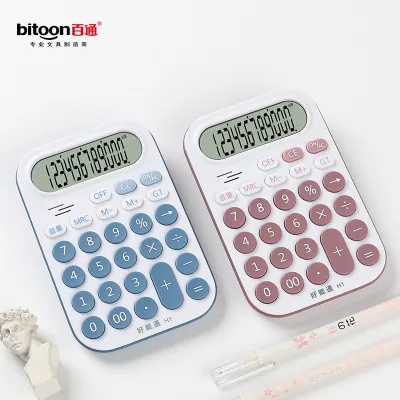
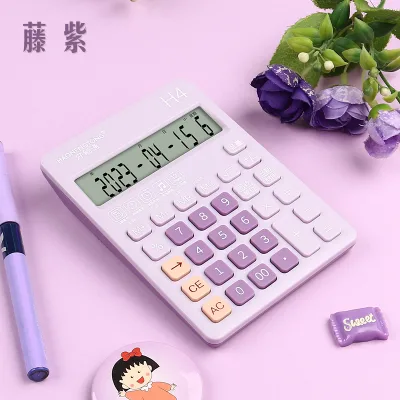
Compare products on the same technical axes as well. The observed listings differentiate on digit count (12, 14 and 16 digit models), screen size, power source (solar-only, solar with cell battery, or dual power with AA battery), material (plastic or plastic and metal), product weight, dimensions and intended usage such as desktop, promotional or finance calculators. Displayed unit price ranges in these results run from under one dollar to around two and a half dollars depending on model and size, which gives a useful sanity check when quotes arrive. Also compare customization depth: some suppliers list full OEM/ODM, while others offer lighter options like logo printing, sample processing and graphic processing. A supplier whose main products are clocks and timers may still be a strong calculator source, but ask how much of their output is actually calculators.
Common Large Screen Solar Battery Calculator Sourcing Risks
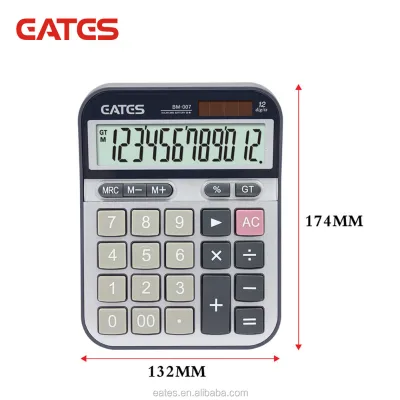
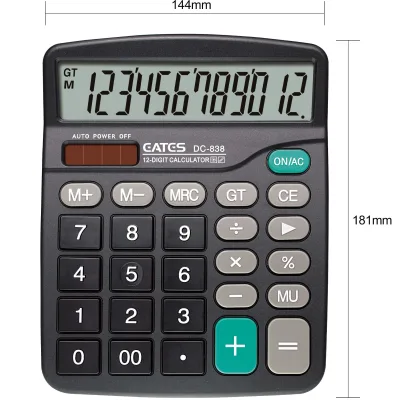
The most common risk in this category is specification drift between listing and shipment. Observed listings include attributes such as solar panel yes, dual power, specific battery types (cell battery or AA), digit counts, dimensions like 14619729mm or 16220437mm, and product weights from roughly 80 to 260 grams. Any of these can change between the sample and mass production, particularly the LCD module, which drives both the "large screen" claim and the unit cost. Insist that the confirmed sample be sealed as the golden sample and reference its model number — listings show model codes such as T-1499, T-8017, JN-680 and 8120 — in the purchase contract.
A second cluster of risks involves certifications, packaging and durability. Products are listed as not waterproof and housed in plastic, so transit damage and screen cracking are realistic failure modes; specify carton packing (one listing shows carton as the packing method) and drop-test requirements. Certification risk is real if a listing shows RoHS and ISO markings only at product level while the factory's system certificates are unclear — verify scope before shipping to regulated markets. Pricing risk appears when quotes quoted at listing minimums, such as the displayed ranges in these results, are later raised for small orders or custom colors. Finally, customization expectations can stall: a supplier offering only logo printing cannot deliver a housing redesign, and buyers who assume ODM from a light-customization listing lose weeks discovering this after the order.
Large Screen Solar Battery Calculator Regional Sourcing and Logistics
Regional knowledge here means knowing which Chinese provinces produce this product and how that affects logistics. The current evidence places suppliers in Fujian and Guangdong, with at least one product explicitly listing Guangdong, China as its place of origin. Both provinces have mature coastal export infrastructure, but the buyer should not assume identical shipping terms or port access for every supplier. When comparing quotes, ask each supplier which port they ship from and whether the displayed lead time — around 23 to 30 days in the current results — includes production only or also booking and export documentation. A 30-day lead time that excludes customs clearance can stretch a seasonal order badly.
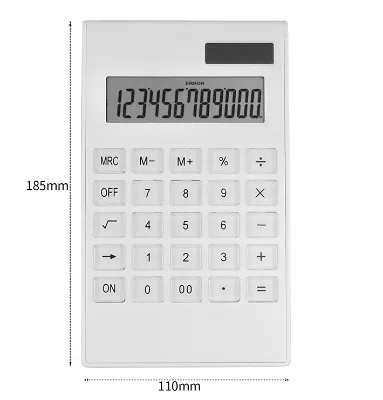
Because solar battery calculators are compact, lightweight items (observed weights range from about 83 grams to 310 grams per unit), freight cost per unit is low, which makes air freight for urgent top-ups and sea freight for bulk both practical. Plan packaging early: observed pack sizes such as 15.7X10.6X2.7 cm per unit and carton packing affect container utilization more than unit price does. Consolidation is worth exploring if you source related products — several of these suppliers also make clocks, timers, stopwatches and electronic watches, so a mixed container from one factory region can reduce freight and inspection trips. For first-time orders, budget time for pre-shipment inspection in the factory's province rather than relying on photos, since LCD quality and solar panel placement are hard to judge remotely.
Large Screen Solar Battery Calculator Commercial Terms and Order Planning
Commercial terms should be negotiated against the listing data, not accepted from it. The observed product listings show MOQs of 500 and 1000 pieces and unit price ranges from roughly 0.98 to 2.61 dollars depending on model, digits and size. Use these as reference points: if a quote arrives well above comparable listings for a similar 12- or 14-digit dual-power model, ask what justifies the difference — screen size, housing material (one model uses plastic and metal), or customization scope. Confirm in writing whether the quoted price includes logo printing, retail packaging and battery insertion, since battery rules differ by destination market and can affect both cost and compliance.
Order planning should respect lead times and payment protection. With displayed lead times around 23 to 30 days, a buyer launching for a back-to-school or office-supply season should place orders two to three months ahead of shelf date to absorb sample iterations, inspection and shipping. Sequence the order: pay for samples first, approve the golden sample, then release the bulk deposit against a contract that fixes model number, dimensions, digit count, power configuration and carton specifications. Use a payment method with transactional protection where available and ask each supplier what escrow or secured payment options they support — do not assume this from listing badges. Finally, agree on a reorder process and price validity window, because calculator component costs, especially LCDs and solar cells, can shift between the first order and a repeat.
FAQs
What is the typical price range for a Large Screen Solar Battery Calculator?
Listed desktop models in this category generally range from about 0.98 to 2.61 dollars per unit depending on size and digit count. Smaller 12-digit units sit at the lower end, while larger 14 and 16-digit desktop calculators with big LCD displays cost more. Final pricing depends on order quantity, customization, and confirmed specifications.
What is the minimum order quantity for large screen solar battery calculators?
Published listings show MOQs starting from 500 pieces for some desktop solar calculator models, while other suppliers list 1000 pieces as their minimum. Requirements vary by model and customization level, so confirm the exact MOQ for your chosen configuration before requesting a quotation. Sample orders may be available separately.
How long is the usual production lead time for these calculators?
Suppliers in this listing report lead times of roughly 23 to 30 days after order confirmation. The actual timeline depends on order volume, customization such as logo printing, and current production schedules. Ask each supplier to confirm the lead time for your specific quantity and any custom requirements before placing a deposit.
Can I order these solar calculators with my own logo or custom design?
Yes, customization is available on listed models, and several suppliers offer OEM and ODM services. Logo printing is supported on products carrying RoHS and ISO certification markings. Provide artwork files early and request a pre-production sample to verify print placement, color, and packaging before mass production begins.
What certifications should I verify before ordering solar calculators?
Listed products show RoHS and ISO markings, and some suppliers hold ISO 9001 and ISO 14001 system certifications with SGS verification. Ask for current, valid certificate copies and check they cover the specific calculator models you plan to order. Also confirm whether your destination market requires additional product safety testing.
What power source do these large screen calculators use?
The featured models use dual power, combining a solar panel with a battery, typically one cell battery or one AA battery. This setup keeps the calculator working in low-light indoor environments where solar power alone is insufficient. Confirm the battery type and whether batteries are included in the packing when comparing quotes.
Where are these calculator suppliers mainly located?
The calculator suppliers in this listing are mainly based in China, including Fujian and Guangdong provinces. Both regions have established electronics manufacturing clusters for calculators, clocks, timers, and related office products. Location can affect shipping ports, freight costs, and factory visit options, so factor it into your sourcing decision.
What product specifications should I compare across calculator listings?
Compare digit count, screen size, product dimensions, weight, power source, material, and certification markings across listings. Published models range from compact 12-digit units around 83 grams to large desktop calculators near 260 grams. Also review packing details, available customization, and whether the usage matches desktop, promotional, or finance applications.