Luxury Cake Numbers Suppliers and Manufacturers
Source Luxury Cake Numbers from 28 verified suppliers in China. Compare key dimensions including ISO9001:2015 certification, lead times, and MOQs. Review product specifications and request quotes to streamline your procurement process; review the available evidence before requesting comparable quotations from suitable candidates.
Suppliers List

Hebei Huaming Laye Limited Company
- Verified by CTI
- Combined
- China Hebei
- Lead time23 days
- Avg. response≤ 3h
Main productsCandle, Scented Candles, Birthday Candles, Taper Candles, Pillar Candles, Art Candles, Party Candles, Aromatherapy Candles, Home Decor Candles, Gift Candles
Main marketsSouth America,Africa,Domestic,Europe,North America

Huaming Holiday Customized Home Decor Luxury Cake Decoration Decorative Candle Number Candles
$0.08 - $0.50
MOQ: 5000 Pieces

Huaming Party Home Lighting Huaming Luxury Candle Number Birthday Cake Candles Birthday Candles
$0.08 - $0.50
MOQ: 5000 Pieces

Huaming Wedding Luxury Candle Novelty Decoration Number Birthday Cake Candles Birthday Candles
$0.08 - $0.50
MOQ: 5000 Pieces

$0.08 - $0.50
MOQ: 5000 Pieces

$0.30 - $0.99
MOQ: 5000 Pieces

Huaming Good Service Huaming Birthday Customized Candle Home Luxury Cake Decoration Number Candles
$0.08 - $0.50
MOQ: 5000 Pieces
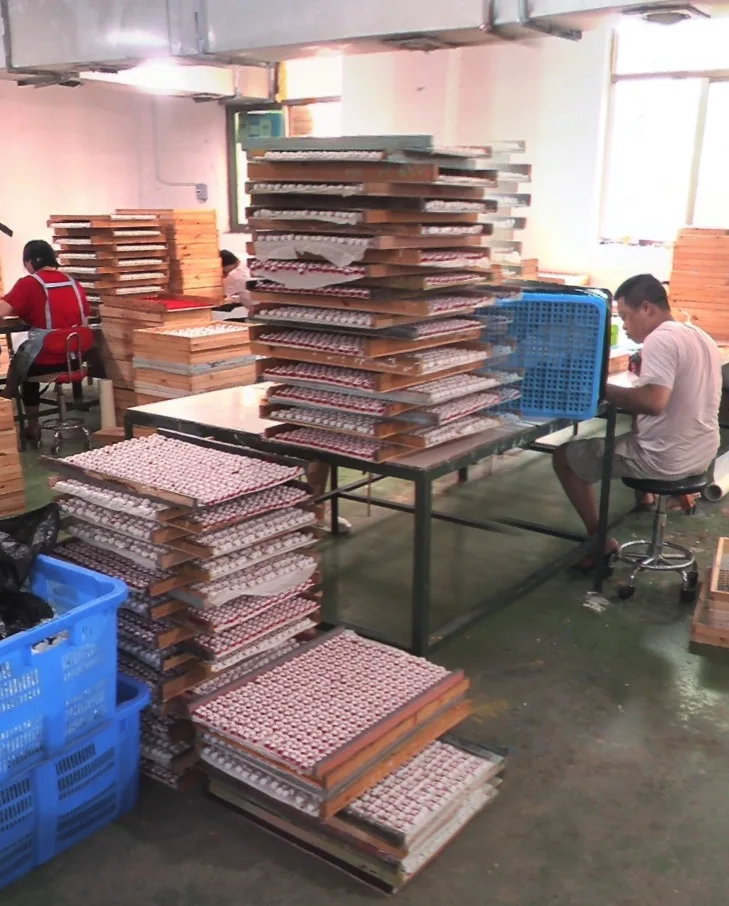
Zhuhai Dreamy Decorations Ltd.
- Manufacturer
- Guangdong, China
- Lead time15 days
- Avg. response≤ 7h
Main productsCake Decorations,Christmas Decorations,Festive Decorations,Wedding Decorations,Outdoor/Indoor Decorations
Main marketsCentral America(20.00%), Western Europe(20.00%), North America(15.00%), Southern Europe(10.00%), Northern Europe(10.00%), South Asia(5.00%), Oceania(5.00%), Africa(5.00%), South America(5.00%), Eastern Europe(5.00%)

Qingdao Art Fortune Imp/Exp Co., Ltd.
- Verified by TUVRHEINLAND
- Trading Company
- China Shandong
- Lead time30 days
- Avg. response≤ 5h
Main productsScented Candle, Reed Diffuser, Glass Jar Candle, Flameless LED Wax Candle, Candle and Home Fragrance, Tealight Candle, Candle Holder, Candle Gift Set, Handmade Pillar Candle, Tin Candle
Main marketsAfrica
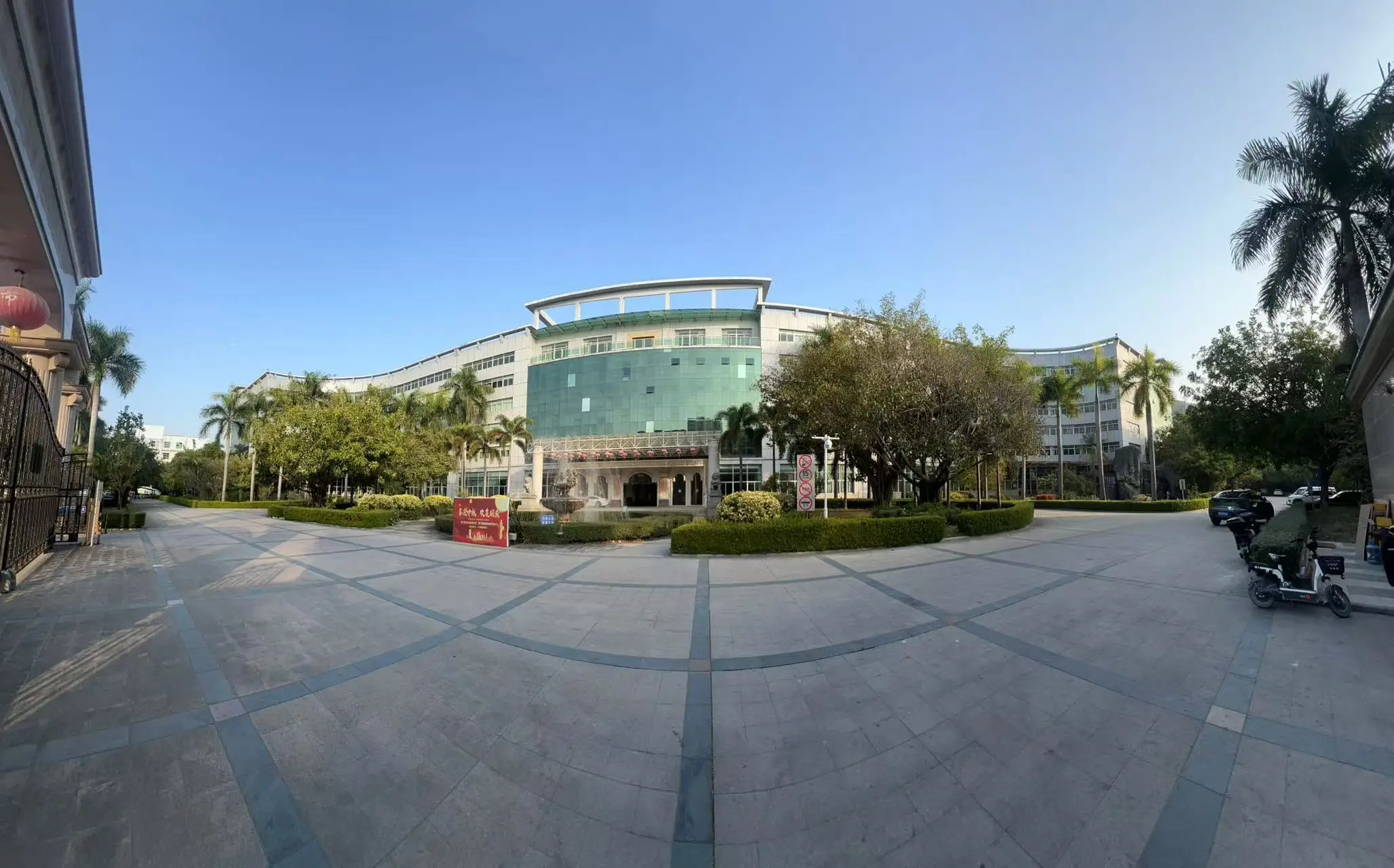
Yiwu Qudoo Decoration Co., Ltd.
- Manufacturer, Trading Company
- Zhejiang, China
- Lead time15 days
- Avg. response≤ 1h
Main productsCake Flags,party decoration sets,Acrylic Charms and Ornaments,Wooden pendants and ornaments,Personalized Customized decor and Party Favors
Main marketsNorth America(30.00%), Western Europe(20.00%), South Asia(10.00%), Southern Europe(10.00%), Eastern Europe(10.00%), Central America(9.00%), South America(5.00%), Africa(1.00%), Southeast Asia(1.00%), Northern Europe(1.00%), Oceania(1.00%), Mid East(1.00%), Eastern Asia(1.00%)
Starrysky International Trading Shanxi Co., Ltd.
- Verified by Intertek
- Trading Company
- Lead time45 days
- Avg. response≤ 4h
Main productsBalloon, Pipe and Stand
Main marketsNorth America(40%), Oceania(30%), Western Europe(20%)
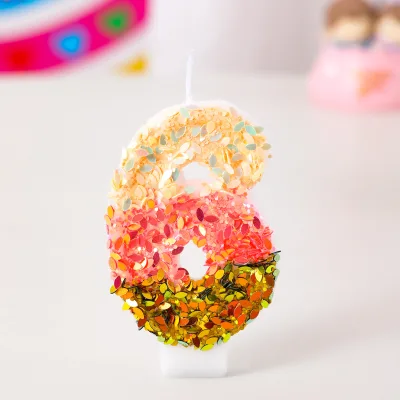
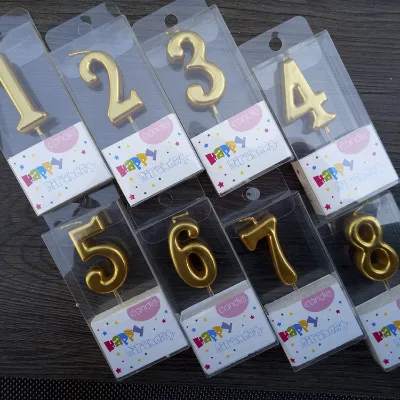
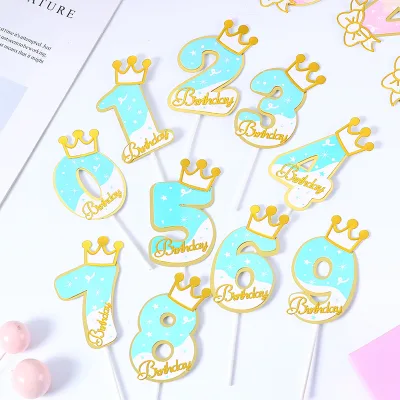
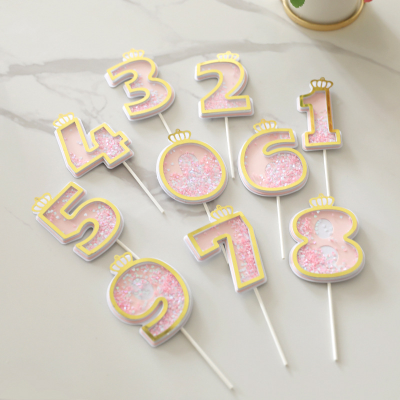
Princess Crown Sequins Cake Numeral for Birthday Themed Party Number Candle Birthday
$0.73 - $0.79
MOQ: 10 pieces
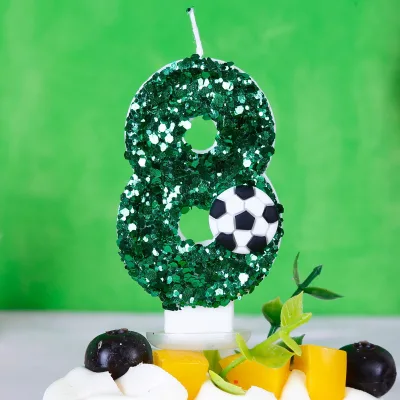
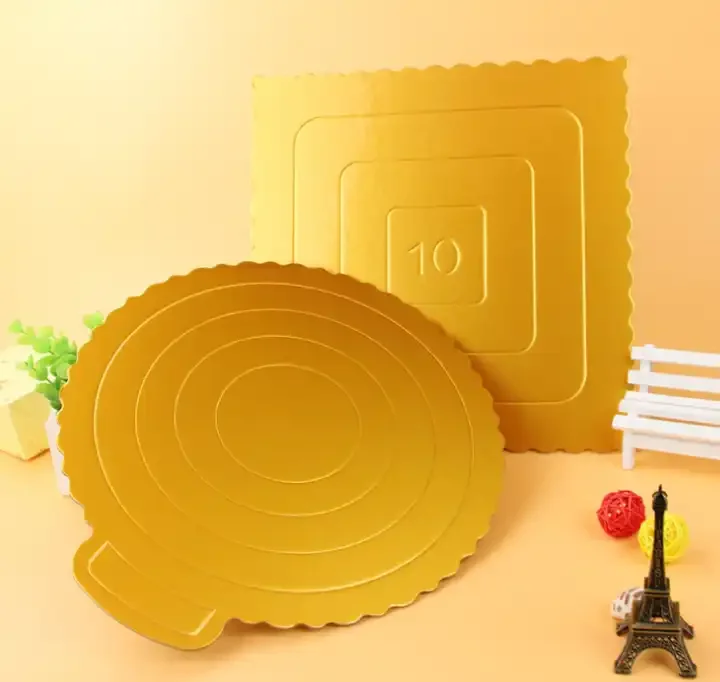
Yiwu Riyuan Goods Trading Co.,Ltd.
- Trading Company
- Zhejiang, China
- Lead time15 days
- Avg. response≤ 6h
Main productsCake Decorating Supplies,cake board,Cake topper,Cake Tools,Baking & Pastry Tools
Main marketsNorth America(20.00%), Southeast Asia(19.00%), South America(16.00%), Western Europe(12.00%), Northern Europe(5.00%), Southern Europe(5.00%), Oceania(5.00%), Eastern Europe(5.00%), Eastern Asia(3.00%), South Asia(3.00%), Africa(3.00%), Central America(2.00%), Mid East(2.00%)

NINGBO TONGYI METALWORK CO.,LTD.
- Manufacturer/Factory
- China Zhejiang
- Lead time60 days
- Avg. response≤ 11h
Main productsDoor Lock, Cabinet Pull, Adjustable Leg, Latch, Sink Drain, Hook, Door Stop, Knob, Door Catch, Furniture Handle
Main marketsSouth America,Eastern Europe,Mid East,North America,Southeast Asia,Eastern Asia,Oceania,Western Europe

Chang'an District Huaguang Packing Material Store
- Verified by SGS
- Manufacturer/Factory,Group Corporation
- China Hebei
- Lead time15 days
- Avg. response≤ 4h
Main productsBirthday Candle, Nonwoven Bag, Party Supplies, Birthday Hat, Disposable Tableware, Latex Balloon, Foil Balloon, Balloon Garland Kits
Main marketsSouth America,Eastern Europe,Mid East,North America,Southeast Asia,Eastern Asia,Western Europe,Africa

Birthday Candles Numbers Gold 2.36 Inch Party Cake Topper for Cake and Party Supplies Decoration
$0.10 - $0.13
MOQ: 600 Pieces

Unique Happy Birthday Candle Numbers 0-9 Number Birthday Candles for Party Cake Decorative Candles
$0.18 - $0.25
MOQ: 600 Pieces

Wholesale Party Cake Decoration Birthday Party Gold Diamond Number Candle
$0.09 - $0.16
MOQ: 600 Pieces

High Quality Metallic Gold Number Candle Children Birthday Party Number Cake Decoration Candles
$0.16 - $0.22
MOQ: 600 Pieces

Factory Wholesale Party Decoration Birthday Number Candle Wax Cake Number 0-9 Candle
$0.08 - $0.15
MOQ: 1000 Pieces

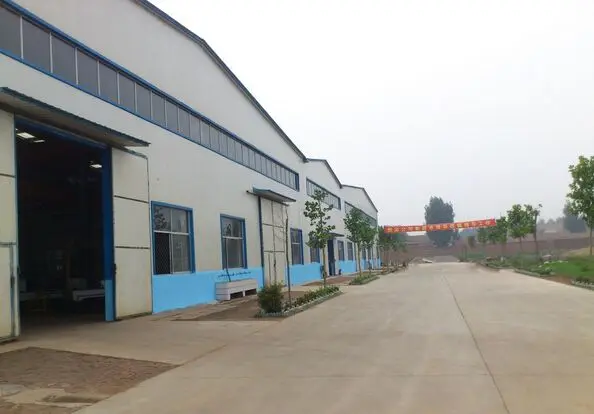
Liaocheng Boge Jiangxin Arts And Crafts Co., Ltd.
- Trading Company
- Shandong, China
- Lead time8 days
- Avg. response≤ 6h
Main productslaser cut wood,laser etch wood ornament,acrylic ornament,wood card,holiday decorations
Main marketsWestern Europe(40.00%), Southern Europe(25.00%), Northern Europe(20.00%), South America(10.00%), South Asia(5.00%)
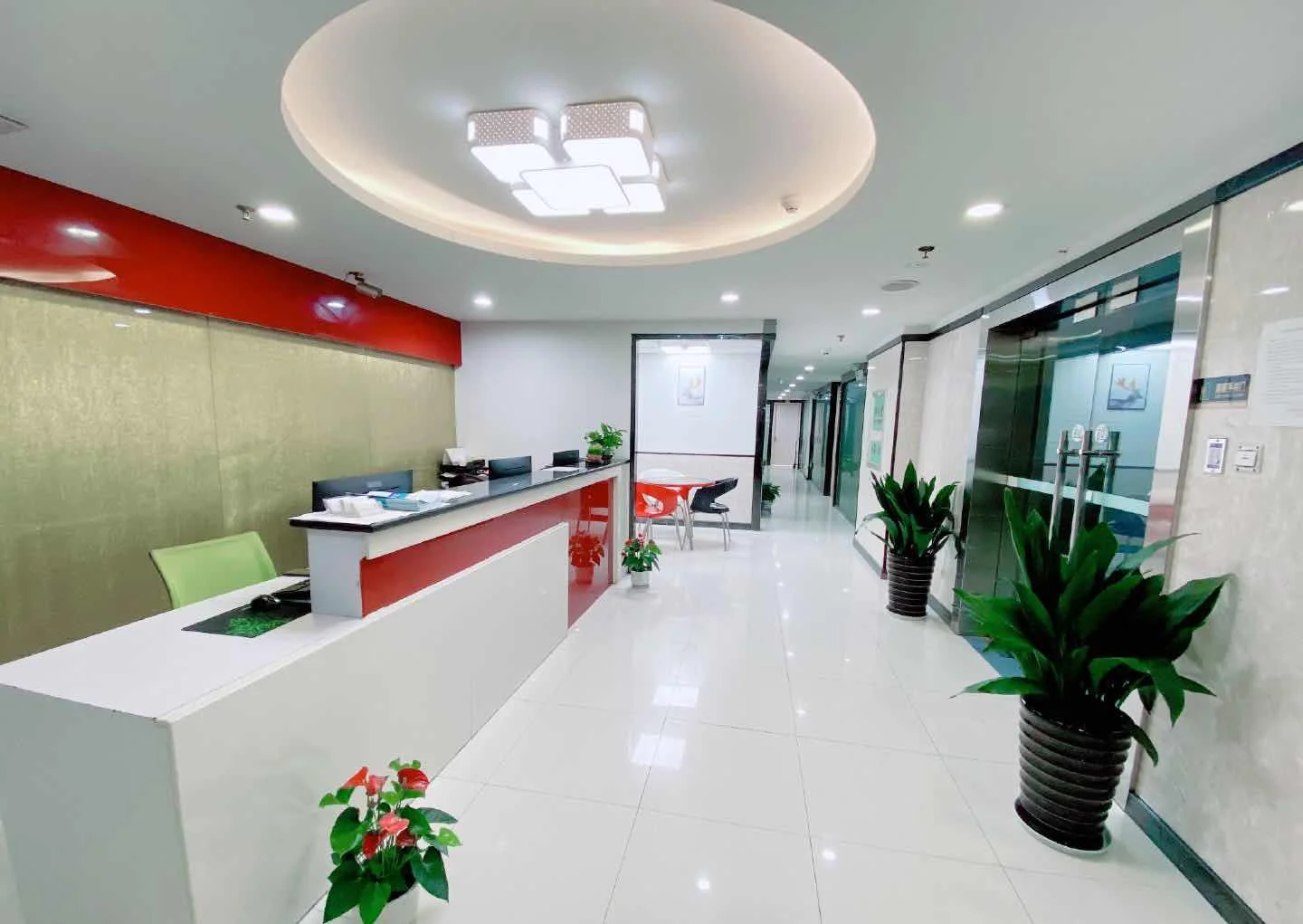
Yiwu Dream Share Crafts Co., Ltd.
- Trading Company
- Zhejiang, China
- Lead time0 days
- Avg. response≤ 4h
Main productsBaby Shower Decoration,Party Decoration,Birthday Decoration,Christmas Decoration,Bachelorette & Bridal Decoration
Main marketsNorth America(80.00%), Eastern Europe(8.00%), South America(5.00%), Northern Europe(3.00%), Southern Europe(2.00%), Western Europe(2.00%)

Guangzhou Goldstar Import and Export Company Limited
- Verified by BV
- Trading Company
- China Guangdong
- Lead time23 days
- Avg. response≤ 4h
Main productsParty Supplies Products, Foil Balloon, Foil Curtain, Plate and Cup, Shimmer Wall Panel, Toys
Main marketsSouth America,Eastern Europe,Mid East,North America,Southeast Asia,Eastern Asia,Oceania,Western Europe,Africa

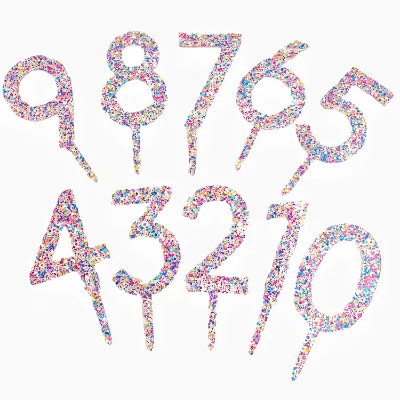
Party Items Acrylic Cake Topper 0-9 Numbers Cake Decoration for Birthday
$0.10 - $1.00
MOQ: 1000 Pieces

- Trading Company
- Zhejiang, China
- Lead time10 days
- Avg. response≤ 5h
Main productsParty supplies,Wedding Decoration,Gifts & Crafts,Christmas Decoration,Buying Agent
Main marketsSouth America(18.00%), North America(18.00%), Eastern Europe(13.00%), Northern Europe(10.00%), Southern Europe(8.00%), Africa(8.00%), Western Europe(5.00%), Oceania(5.00%), Southeast Asia(5.00%), Domestic Market(2.00%), South Asia(2.00%), Eastern Asia(2.00%), Mid East(2.00%), Central America(2.00%)
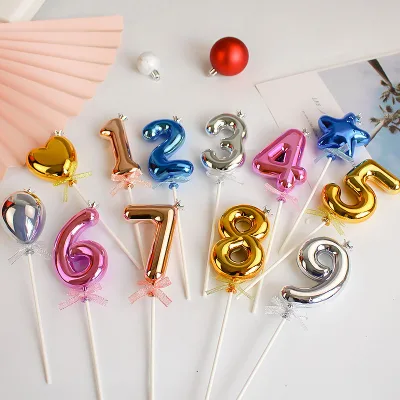
Star Heart Balloon Number 0-9 Cake Topper Figures for Birthday Party Cake Decoration
$0.32 - $0.63
MOQ: 12 pieces

Lu'an Woma Import and Export Co., Ltd.
- Verified by SGS
- Trading Company
- China Anhui
- Lead time15 days
- Avg. response≤ 8h
Main productsLED Channel Letters, Acrylic Signs, Metal Sign Letters, Wayfinding Signs, Outdoor Signage
Main marketsEast Asia(Japan/ South Korea)

Custom 4FT LED Light up Marquee Letters Numbers for Wedding Birthday Party Decor
$21.50 - $40.00
MOQ: 1 Pieces

Luxury LED House Numbers PVC Acrylic Metal Room Number for Hotels Homes Offices Shops
$29.00 - $56.00
MOQ: 1 Pieces

$60.00 - $78.00
MOQ: 100 Pieces

- Verified by SGS
- Trading Company
- China Zhejiang
- Lead time15 days
- Avg. response≤ 14h
Main productsChristmas Decoration, Christmas Tree, Christmas Gift, Party Decoration, Promotional Product, Festival Items, Gift, Valentine, Party Items, Halloween Decorations
Main marketsEurope,Australia

Hot Selling Numbers Letters Birthday Candles Cake Decorations Party Supplies
$0.12 - $0.14
MOQ: 7200 Pieces

Guangzhou Fucun Garment Accessories Co., Ltd.
- Manufacturer, Trading Company
- Lead time旺季: "1 - 500":50,"> 500":"To be negotiated", 淡季: "1 - 500":50,"> 500":"To be negotiated"
- Avg. response≤ 6h
Main productsGarments Accessories, Festive & Party Supplies
Henan Smooth Industrial Co., Ltd.
- Trading Company
- Henan, China
- Lead time12 days
- Avg. response≤ 3h
Main productsWedding backdrop, Wedding flower, Wedding centerpiece, Wedding table chair
Main marketsSouth America(35.00%), North America(35.00%), Eastern Europe(25.00%), Mid East(12.00%)
- Trading Company
- Zhejiang, China
- Lead time15 days
- Avg. response≤ 2h
Main productsBalloon,Celebration Party supplies,Party Decoration,Candle,Table Cloth
Main marketsWestern Europe(40.00%), North America(35.00%), South America(10.00%), Eastern Europe(10.00%), Eastern Asia(5.00%)

Guangdong Tangshihoa Industry and Trade Co., Ltd.
- Verified by TUVRHEINLAND
- Combined
- China Guangdong
- Lead time23 days
- Avg. response≤ 12h
Main productsCake Decoration
Main marketsSoutheast Asia/ Mideast


48-Piece Black & Gold Cake Ball Insert Set for Birthday Number Cake Decoration
$3.35 - $3.86
MOQ: 50 pieces


Shandong Hongbo Packaging Technology Co., Ltd
- Verified by SGS
- Combined
- China Shandong
- Lead time30 days
- Avg. response≤ 6h
Main productsPaper Plate Machine, Baking Paper, Cake Board, Cake Box, Air Fryer Liner, Parchment Paper, Chocolate Box, Paper Plate
Main marketsDomestic

NINGBO EAST ISLAND IMPORT & EXPORT CO., LTD.
- Trading Company
- China Zhejiang
- Lead time30 days
- Avg. response≤ 15h
Main productsPromotion Gift, Umbrella, Charger Plate, Plastic Tray, Picnic Blanket, Manicure Set, Mirror, Pill Box
Main marketsSouth America,Europe,North America

Baking Decor Cupcake Decoration Halloween Party Anniversary Number Acrylic Cake Topper
$0.17 - $0.28
MOQ: 100 Pieces

Baking Decor Cupcake Decoration Happy Birthday Wedding Party Anniversary Number Acrylic Cake Topper
$0.17 - $0.28
MOQ: 100 Pieces
Guangzhou Chenghi Technology Co., Ltd.
- Manufacturer, Trading Company
- Guangdong, China
- Lead time7 days
- Avg. response≤ 3h
Main productsCake decorating tools,baking tools,Kitchen supplies,cake tools
Main marketsDomestic Market(26.00%), North America(15.00%), Western Europe(8.00%), Africa(8.00%), Mid East(8.00%), Eastern Europe(8.00%), Southern Europe(6.00%), Northern Europe(5.00%), South America(5.00%), Southeast Asia(5.00%), South Asia(4.00%), Oceania(1.00%), Eastern Asia(1.00%)
Hangzhou Bangyun Lianyue Trading Co., Ltd.
- Verified by Intertek
- Trading Company
- Lead time15 days
- Avg. response≤ 7h
Main productsStainless Steel Mesh Leak, Vegetable Chopper, Cake Mould, Cake Pan
Main marketsMid East(30%), Eastern Europe(20%), North America(15%)

Hefei Sublime International Co., Ltd
- Verified by BV
- Trading Company,Manufacturer/Factory
- China Anhui
- Lead time30 days
- Avg. response≤ 6h
Main productsParty Favour Items, Wooden Decoration, DIY Hobby, Paper Stationery, Wooden Crafts, Paper Crafts, Wooden Gifts, Honeycomb Ball, Tissue Pompon, Paper Bags
Main marketsSouth America,Eastern Europe,Mid East,North America,Eastern Asia,Oceania,Western Europe

Pre-Cut Foamboad Mosaic Numbers 1 for Birthday Decoration and Anniversary Party Decor
$1.00 - $1.20
MOQ: 1000 Pieces


Pre-Cut Foamboad Mosaic Numbers 0 for Birthday Decoration and Anniversary Party Decor
$1.00 - $1.20
MOQ: 1000 Pieces


Pre-Cut Foamboad Mosaic Numbers 6 for Birthday Decoration and Anniversary Party Decor
$1.00 - $1.20
MOQ: 1000 Pieces

Baoding Likeparty Trading Co., Ltd.
- Verified by SGS
- Trading Company,Group Corporation
- China Hebei
- Lead time90 days
- Avg. response≤ 4h
Main productsParty Supplies, Birthday Decoration, Foil Curtain, Shimmer Wall, Party Wall Decoration, Balloon Arch Kit, Metal Arch Stand, Balloon Accessories, Tinsel Garland, Balloon Pump
Main marketsSouth America,Eastern Europe,Mid East,North America,Southeast Asia,Eastern Asia,Oceania,Western Europe,Africa

Colorful Plastic 3D Gradient Number 0-9 Cake Plugin Decor for Happy Birthday
$0.25 - $0.30
MOQ: 600 Pieces

New Creative Candy Color Birthday Cake Topper Happy Birthday Acrylic Cake Insert
$0.21 - $0.29
MOQ: 600 Pieces
Shenzhen BOSN Display Co., Ltd.
- Verified by SGS Group
- Manufacturer, Trading Company
- Lead time20 days
- Avg. response≤ 2h
Main productsAcrylic Podium, Acrylic Table, Acrylic Chair, Acrylic Display, Acrylic Box
Main marketsNorth America(35%), Western Europe(20%), Oceania(10%)
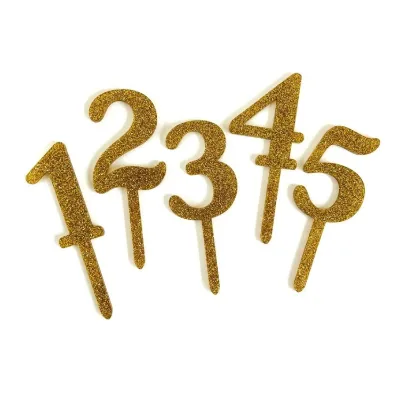
$7.80 - $9.80
MOQ: 100 pieces

Xingtai Maimai Trading Co., Ltd.
- Verified by TUVRHEINLAND
- Trading Company
- China Hebei
- Lead time15 days
- Avg. response≤ 8h
Main productsFondant Silicone Mould, Cookie Cutter, Silicone Popsicle Mould, Silicone Chocolate Mould, Silicone Chocolate Topper Mould, Acrylic Rolling Pin
Main marketsAustralia
Guangzhou Yabei Hotel Supplies Co., Ltd.
- Verified by Intertek
- Trading Company
- Lead time30 days
- Avg. response≤ 3h
Main productsCake Mould, Nozzle Tips
Main marketsNorth America(26%), Eastern Europe(26%), South America(25%)
Hangzhou Eccobella Import & Export Co., Ltd.
- Trading Company
- Zhejiang, China
- Lead time7 days
- Avg. response≤ 2h
Main productsCake Decorations,Cake Tools,Cake box,Party supplies
Main marketsWestern Europe(30.00%), Oceania(20.00%), North America(20.00%), Mid East(15.00%), Africa(5.00%), Southeast Asia(5.00%), Northern Europe(3.00%), South America(2.00%)









Comprehensive Sourcing Guide
Luxury Cake Numbers Supplier Concentration and Factory Types
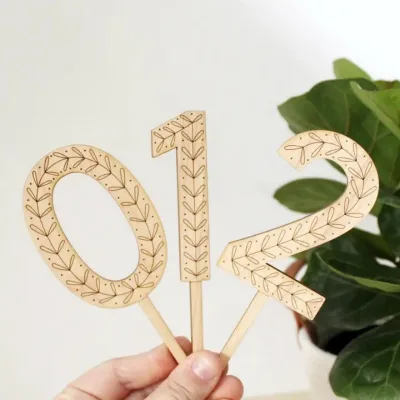
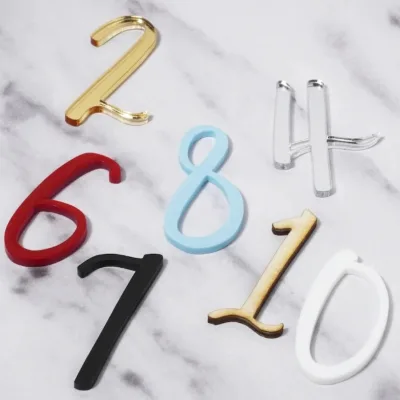
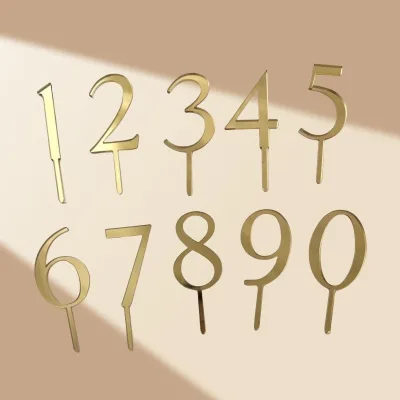
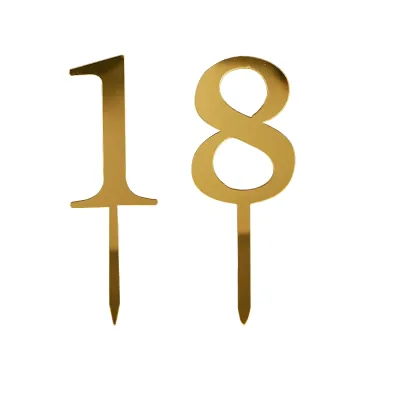
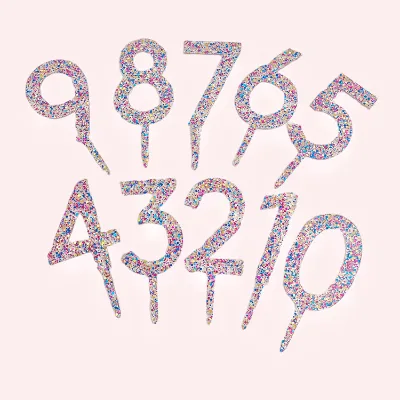
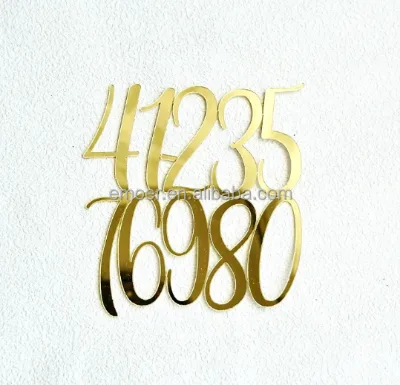
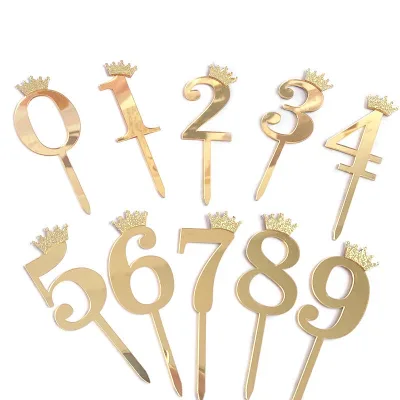
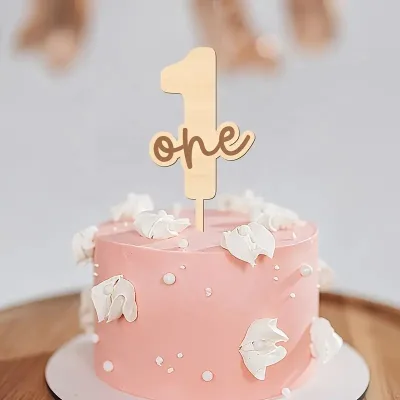
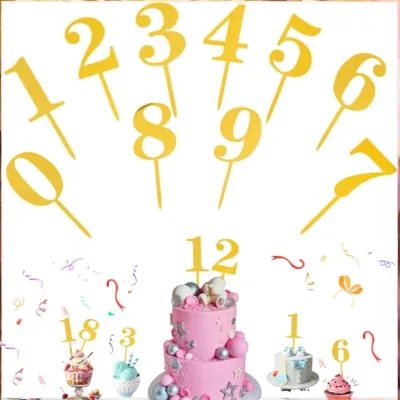
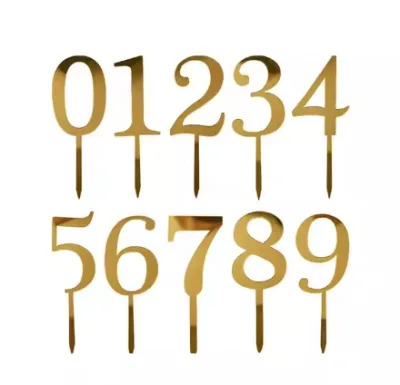
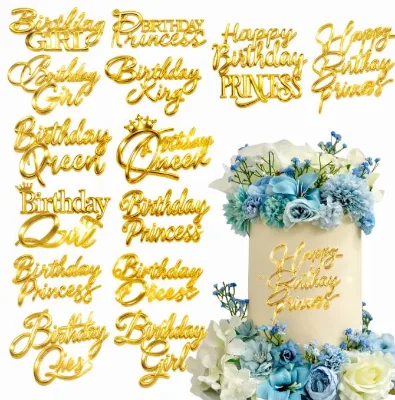
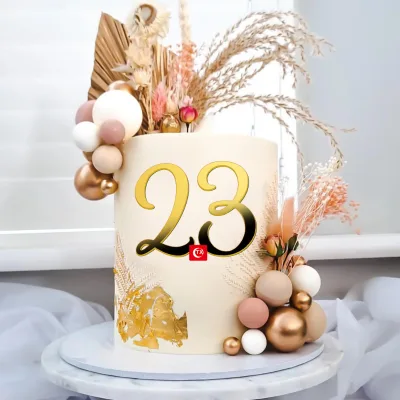
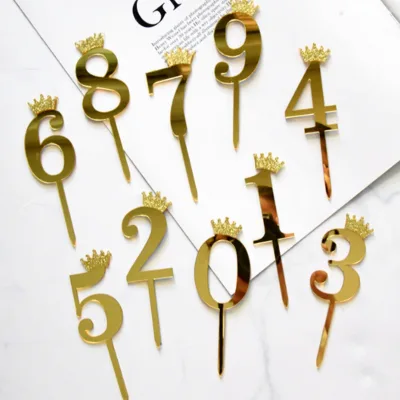
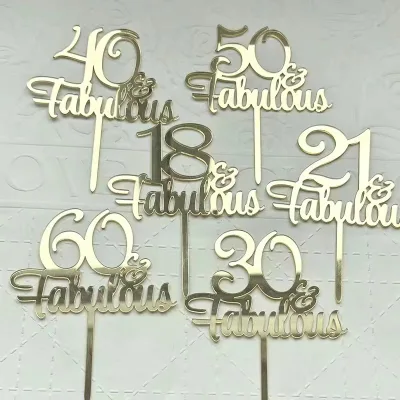
Suppliers of Luxury Cake Numbers generally fall into two factory types that matter to buyers: candle manufacturers and decoration-accessories producers. Candle producers in Hebei, China, list birthday and number candles as core products, offering paraffin wax number candles for cakes with customization available, ODM and OEM capability, and their own brands. One combined-type company in that region also lists taper, pillar, art, aromatherapy and gift candles, which signals a broad candle-making operation rather than a single-product workshop. Decoration-accessories manufacturers in Guangdong, China, approach the same keyword from the topper side, producing wooden and acrylic number cake inserts and toppers for parties and birthdays, with die-cutting print processes and handmade features.
Understanding this split is essential because the two factory types sell different goods under the same search term. A candle factory molds or pours number-shaped candles from wax, while a decoration maker cuts and finishes toppers from wood or acrylic. Buyers should decide which product form they intend to source before comparing listings, since material, packing, and compliance expectations differ completely. When browsing, cluster identification can be done by filtering supplier location and main-product fields, then checking whether a supplier's catalog centers on candles or on party decorations. A supplier whose main products span cake decorations, festive and wedding decorations is likely an accessories manufacturer, while one listing dozens of candle variants is a candle plant. Confirm the company type label, since combined-type firms may both manufacture and trade.
How to Verify Luxury Cake Numbers Suppliers
Verification should begin with the credentials a platform actually displays, then move to independent checks. For candle suppliers, look for a system certification such as ISO9001:2015 and third-party verification status; some Hebei candle suppliers carry a CTI verification mark alongside their certification. For topper and insert suppliers in Guangdong, confirm whether the company is labeled as a manufacturer rather than a combined or trading entity, since that affects pricing transparency and factory access. Response time is a useful first signal of operational discipline: displayed averages in this category range from under three hours to about seven, and a supplier who answers slowly before you order rarely improves afterward.
Next, verify that the specific product listing is internally consistent. A credible listing states the model number, material, packing format, place of origin, and customization availability. Number candle listings from Hebei, for example, specify paraffin wax, multi-colored finish, unscented flavor, carton packing, and a customized standard, all under a defined model code. If those fields are blank or contradictory, ask the supplier to restate them in writing. Request documents directly: a copy of the quality-system certificate, material declarations for the wax or acrylic used, and, for candles, confirmation of any non-toxic claims made in product titles. Finally, ask whether sample production is supported and how long it takes; topper suppliers in this category have stated sample times of roughly ten to fifteen days, and a supplier who cannot define a sample timeline should be treated as unverified until they can.
What to Compare Across Luxury Cake Numbers Suppliers
Build a comparison table using the supplier-label dimensions that platforms expose, but never assume every supplier shows all of them. Core columns should include location, company type, main products, lead time, response time, MOQ, establishment year if displayed, verification status, and payment protection features such as escrow. In current results, lead times differ meaningfully: a Hebei candle supplier lists a production lead time of about 23 days, while a Guangdong decoration manufacturer lists roughly 15 days. Response times also diverge, from around 2.54 hours to 7 hours, which matters when you are iterating on custom designs. MOQs vary even more sharply, from 5,000 pieces for customized number candles down to about 100 bags for cake toppers, so order volume should be matched to the supplier type rather than negotiated blindly.
Compare product-level economics alongside supplier-level labels. Number candle listings in Hebei show unit price ranges from roughly $0.08 to $0.50 on some models and $0.30 to $0.99 on others, while wooden toppers from Guangdong sit near $0.40 to $0.43 per piece. Factor in customization scope: candle listings explicitly state that customization is available and that customer logos are accepted, while topper listings advertise die-cutting capability and color variants covering digits zero through nine. Weigh capacity signals too, such as ODM, OEM, and own-brand capability. Finally, compare what is missing as well as what is shown; a supplier with no displayed certification or escrow option is not disqualified, but the gap becomes a question you must resolve during due diligence rather than assuming a favorable answer.
Common Luxury Cake Numbers Sourcing Risks
The most frequent risk is category confusion: ordering candles when you expected toppers or the reverse. Because both product types appear under the same keyword, buyers sometimes approve a sample of one material and receive bulk goods in another, or discover that "number candles" in one listing means thin birthday candles rather than thick decorative numerals. Mitigate this by requiring the exact model number, material, dimensions, and packing details in the proforma invoice, matching them to the listing attributes such as paraffin wax, carton packing, and the specified model code. A second risk is quality drift on custom runs; candle listings state customized standards, which means quality depends on the agreed specification, not a published standard, so an approved golden sample should be retained by both parties.
Food-contact and safety exposure is another concern. Toppers and inserts sit on or in cakes, and candle listings make non-toxic wax claims, so buyers should request material declarations rather than relying on marketing copy. Verify whether any claimed certification covers the specific material and product, not just the factory's management system. Logistics damage is a real risk for fragile items: acrylic and wooden toppers can scratch, and candles can crack or warp in heat, so carton packing specifications and export-grade packaging must be confirmed in writing. Finally, beware of lead-time surprises around holiday seasons, when birthday, wedding, and Christmas candle demand peaks; a listed lead time is typically a normal-period figure, and seasonal congestion can extend it well beyond the displayed number without any change in the listing itself.
Luxury Cake Numbers Regional Sourcing and Logistics
Two sourcing regions are visible in this category. Hebei, China, is the candle side, where suppliers produce number birthday candles, cake decoration candles, and a wide range of related candle types including scented, taper, pillar, and party candles. Guangdong, China, covers the topper and insert side, with manufacturers of wooden and acrylic number cake toppers and rainbow number inserts. The regional split affects logistics because candle shipments are heavier per unit and can be temperature-sensitive, while topper shipments are light but fragile; a topper listing here shows a single gross weight of around 0.015 kilograms, making air freight economically plausible for small trial orders, whereas candle MOQs of 5,000 pieces usually push buyers toward sea freight.
Shipping options should be confirmed per supplier rather than assumed. At least one Guangdong decoration supplier states that DHL, EMS, UPS, FedEx, sea, and air shipping are available, giving flexibility for samples and rush replenishment. Candle suppliers, with carton-based export packing, are generally suited to consolidated sea shipments, but buyers should confirm carton dimensions, pieces per carton, and container loading calculations before booking. Plan for the sample stage separately from bulk: topper sample times of ten to fifteen days mean a sample-to-bulk cycle of several weeks even before the listed lead time is counted. Buyers sourcing from both regions can split orders, using toppers from Guangdong for fast-launch assortments and candles from Hebei for volume programs, but should keep the two supply chains, packing standards, and quality checks distinct to avoid cross-contamination of specifications.
Luxury Cake Numbers Commercial Terms and Order Planning
Commercial planning should start from the MOQ and price structure of the supplier type you choose. Hebei candle listings show MOQs of 5,000 pieces with unit prices ranging from about $0.08 to $0.50 on some models and $0.30 to $0.99 on others, with customized standards and customer logos accepted. Guangdong topper listings show MOQs of 100 bags with prices near $0.40 to $0.43 per piece and single-piece opp-bag packing. Because MOQs differ by two orders of magnitude, your first order size effectively selects your supplier type: low-volume market testing favors toppers, while private-label candle programs at 5,000 pieces suit established demand. Confirm whether quoted prices are per piece or per bag, whether customization raises the MOQ, and what the price ladder looks like at higher volumes.
Order planning should sequence sample approval, deposit, production, and inspection around the listed lead times of roughly 15 days for toppers and 23 days for candles, adding buffer for custom tooling or logo printing. Use payment protection where available; escrow-style arrangements reduce risk on first orders, though not every supplier offers a displayed escrow option, so ask directly. For repeat orders, negotiate fixed specifications tied to the model codes, such as ZHSL-series candle models or topper model numbers, so reorder quality does not drift. Plan inventory around birthday, wedding, and Christmas peaks, placing orders several weeks before the listed lead time would otherwise require. Finally, request carton and pallet details in writing so freight forwarders can quote accurately, and confirm who bears the cost of replacement for transit-damaged fragile toppers or heat-softened candles before the deposit is paid.
FAQs
What is the minimum order quantity for Luxury Cake Numbers?
The minimum order quantity is 5000 pieces for paraffin wax candles. Some acrylic or wooden cake toppers have a lower MOQ of 100 bags. Buyers should verify specific product requirements before placing bulk orders to ensure alignment with supplier thresholds.
How long does production take for custom cake decorations?
Production lead times vary by supplier and material. Paraffin wax candles typically require 23 days for manufacturing. Wooden or acrylic toppers may have shorter cycles around 15 days. Buyers must confirm exact timelines with the supplier to manage inventory planning effectively.
Are Luxury Cake Numbers customizable for branding?
Yes, customization is available for many products. Suppliers accept customer logos and offer OEM or ODM services. Buyers can request specific colors, materials, and packaging. Custom standards allow for tailored designs that meet unique event or retail branding requirements.
What materials are used for cake number decorations?
Common materials include paraffin wax, acrylic, and wood. Wax candles are suitable for lighting and decoration. Acrylic and wooden toppers are durable and reusable. Buyers should select materials based on their specific usage needs, such as single-use parties or long-term decor.
Where are these cake decorations manufactured?
Manufacturing locations include Hebei and Guangdong in China. Suppliers in these regions offer various product types, from wax candles to acrylic toppers. Buyers can filter results by location to prioritize suppliers based on logistical preferences or regional sourcing strategies.
What certifications do these suppliers hold?
Some suppliers hold ISO9001:2015 system certifications. Verification services like CTI may also be available. Buyers should request current certification documents to ensure quality management standards are met. This step is crucial for maintaining product safety and reliability in international trade.