Desktop Indoor Santa Claus Figurine Suppliers and Manufacturers
Explore 27 verified options for Desktop Indoor Santa Claus Figurine from Fujian, China. Compare lead times, certifications like BSCI and ISO 9001, and MOQs ranging from 500 to 1000 units. Contact suppliers directly to request samples and confirm production schedules.
Suppliers List

Quanzhou Wutongcrafts Co., Ltd.
- Verified by CTI
- Manufacturer/Factory
- China Fujian
- Lead time30 days
- Avg. response≤ 5h
Main productsResin Figurine, Snow Globe, Fridge Magnets, Tourist Souvenirs, Garden Ornaments, Holiday Decorations, Madonna Statue, Bobble Head, Polyresin Statue, Polyresin Flower Pot
Main marketsSouth America,Eastern Europe,North America,Oceania,Western Europe,Africa


Custom Xmas Resin Desktop Decoration Christmas Miniatures Christmas Figurine
$0.10 - $2.00
MOQ: 500 Pieces


Funny Resin Christmas Items Santa Claus Hanging Figurine Home and Holiday Decoration
$0.10 - $5.00
MOQ: 500 Pieces

Funny Resin Christmas Items Santa Claus Figurine Home and Holiday Decoration
$0.10 - $5.00
MOQ: 500 Pieces

Funny Resin Christmas Items Santa Claus Snowman Bread Figurine Home and Holiday Decoration
$0.10 - $5.00
MOQ: 500 Pieces
Quanzhou Jixie Trading Co., Ltd.
- Trading Company
- Fujian, China
- Lead time20 days
- Avg. response≤ 9h
Main productsPolyresin Items,Magnesia Items,Home Deco,Metal Decorations,Pottery Items
Main marketsSouth America(10.00%), North America(10.00%), Western Europe(5.00%), Eastern Europe(5.00%), Northern Europe(3.00%), Central America(3.00%), Southern Europe(2.00%)
- Manufacturer
- Shandong, China
- Lead time30 days
- Avg. response≤ 4h
Main productsKitchen Items,Pet Supplies,Home Decoration,Garden Decoration
Main marketsNorth America(52.00%), Western Europe(20.00%), Southern Europe(5.00%), Northern Europe(5.00%), South America(5.00%), Eastern Asia(3.00%), Eastern Europe(3.00%), South Asia(2.00%), Southeast Asia(2.00%), Mid East(2.00%), Africa(1.00%)
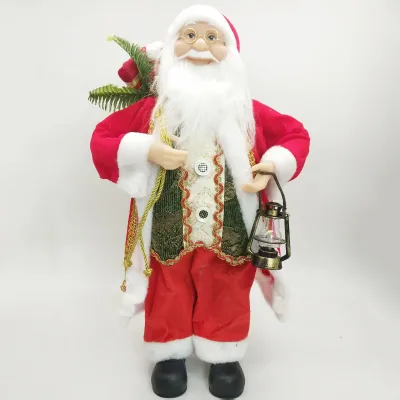
Xmas Decor Santa Claus Doll Decor Desktop Santa Claus Figure Christmas Santa Figurine Ornament
$4.86 - $5.25
MOQ: 240 pieces
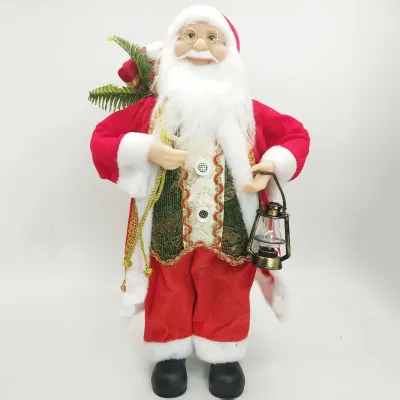
$4.56 - $5.26
MOQ: 240 pieces
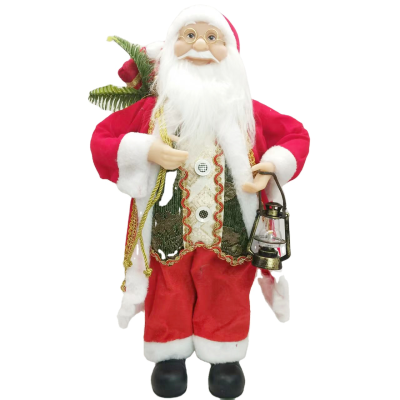
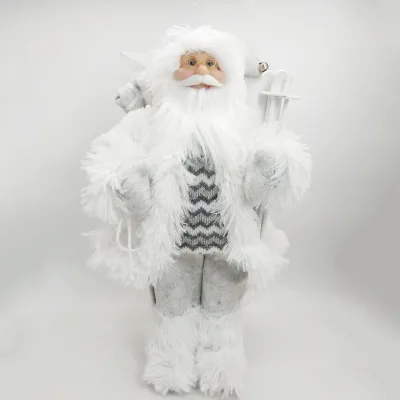
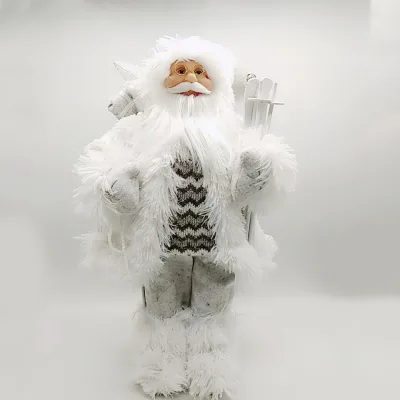
2025 Christmas New 49cm Cloth White Santa Claus Doll Ornaments Decor Scene Layout
$4.94 - $5.34
MOQ: 240 pieces
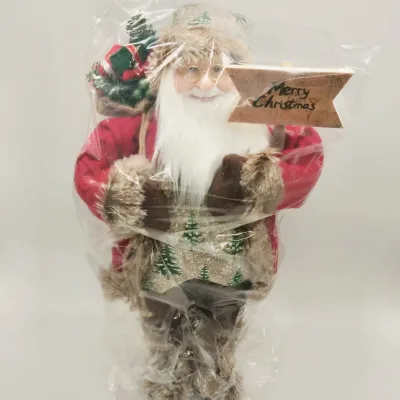
$4.86 - $5.16
MOQ: 240 pieces
Quanzhou Tianrong Gifts Co., Ltd.
- Verified by SGS Group
- Manufacturer, Trading Company
- Lead time60 days
- Avg. response≤ 4h
Main productsSnow Globe, Bobble Head, Christmas Decoration, Religious Products, Resin Home Decoration
Main marketsNorth America(80%), Western Europe(15%), Domestic Market(5%)

- Combined
- China Guangdong
- Lead time45 days
- Avg. response≤ 1h
Main productsResin Craft, Baby Doll, Christmas Tree, Christmas Wreath, Christmas Garland, Christmas Decoration, Artificial Flower, Artificial Plant, Artificial Tree, Christmas Ornaments
Main marketsSouth America,Europe,North America


Christmas Decoration Resin Santa Statue with Xmas Tree Polyresin Santa Figurine
$1.00 - $2.00
MOQ: 1 Pieces

$0.10 - $1.00
MOQ: 1 Pieces


Fuzhou Deco-Route Import & Export Co., Ltd.
- Verified by SGS
- Trading Company
- China Fujian
- Lead time15 days
- Avg. response≤ 3h
Main productsPolyresin
Main marketsEurope
Sote International Gifts Corp., Limited
- Verified by TüVRheinland
- Manufacturer, Trading Company
- Lead time45 days
- Avg. response≤ 3h
Main productsChristmas Decorations, Halloween Decorations, Easter Decorations, Doll
Main marketsSouth America(30%), Eastern Europe(30%), Southern Europe(9%)

Ningbo General Union Co., Ltd.
- Verified by SGS
- Trading Company
- China Zhejiang
- Lead time45 days
- Avg. response≤ 9h
Main productsChristmas Tree, Party Supply, Christmas Ball, LED Light Strip, Halloween Product, Holiday Decoration, Santa Claus, Valentine's Day Product, Balloon Decoration, Birthday Decoration
Main marketsSouth America,Europe,North America


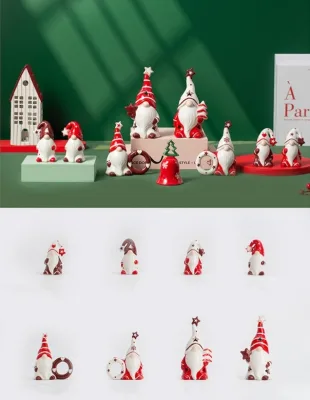
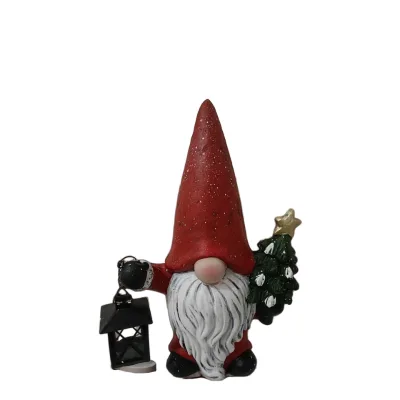
Christmas Ceramic Gnome Ornaments Cute Santa Claus Figures Tabletop Xmas Statue
$1.80 - $2.09
MOQ: 200 Pieces


Christmas Scene Advent Countdown Desktop Ornaments Santa Claus Countdown Calendar Wooden Ornaments
$1.99 - $2.50
MOQ: 200 Pieces

Christmas Toy Figure 100% Wood Handmade for Indoor Christmas Tree Decoration Ornament
$4.99 - $5.99
MOQ: 50 Sets

- Manufacturer, Trading Company
- Shandong, China
- Lead time15 days
- Avg. response≤ 4h
Main productsScissors,Garden Tools,Kitchen Tools,Scales,Cable
Main marketsNorth America(30.00%), Northern Europe(10.00%), Western Europe(10.00%), Mid East(10.00%), Africa(10.00%), Southeast Asia(10.00%), Eastern Europe(10.00%), South America(10.00%)
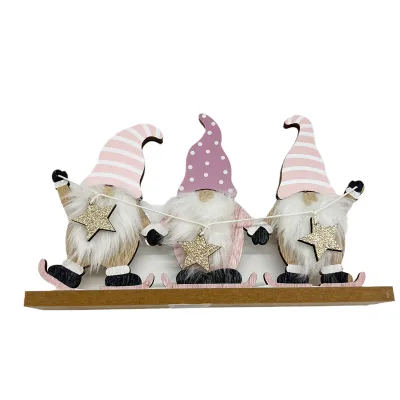
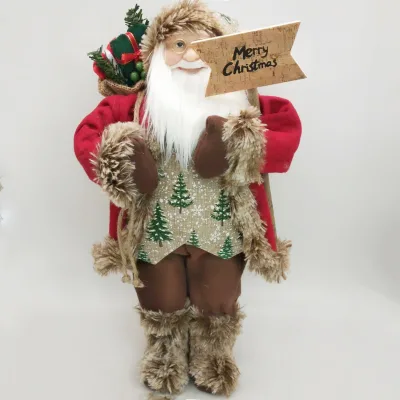
Small Brass Santa Claus Figurine with a Wooden Sign Home Decor Christmas Gift
Contact supplier
MOQ: 240 Minimum
Fulin Crafts Products Co., Ltd. Quanzhou
- Verified by Intertek
- Manufacturer, Trading Company
- Lead time1 days
- Avg. response≤ 2h
Main productsResin Crafts
Main marketsNorth America(50%), Eastern Asia(20%), Eastern Asia(10%)

FUZHOU SHOO-IN IMP & EXP CO., LTD.
- Verified by SGS
- Trading Company
- China Fujian
- Lead time15 days
- Avg. response≤ 3h
Main productsPadel Ball, Tennis Ball, Hat, Pet Leash, Pickleball, Yoga Mat, Sports Towel
Main marketsEast Asia(Japan/ South Korea),North America


Desktop Christmas Tree Christmas Decorations Home Ornaments Ambience Decorations
$3.00 - $9.90
MOQ: 50 Pieces

- Verified by SGS
- Trading Company
- China Zhejiang
- Lead time15 days
- Avg. response≤ 14h
Main productsChristmas Decoration, Christmas Tree, Christmas Gift, Party Decoration, Promotional Product, Festival Items, Gift, Valentine, Party Items, Halloween Decorations
Main marketsEurope,Australia


New Design Creative Santa Claus Home Christmas Resin Resin Crafts Ornaments
$0.34 - $0.35
MOQ: 1000 Pieces

Factory Price 35cm Sitting Santa Claus Ornament Scene Decoration Gift Dolls
$1.98 - $2.23
MOQ: 450 Pieces

Yiwu Shuangyuan Christmas Artware Co., Ltd.
- Verified by TUVRHEINLAND
- Combined
- China Zhejiang
- Lead time30 days
- Avg. response≤ 6h
Main productsChristmas Decoration, Christmas Tree, Christmas Ball, Christmas Santa, Christmas Ornament, Christmas Gift, Christmas Wreath
Main marketsOthers(foreignTradeCapacity.exportBusinessCapacityMarketOther)


New Arrival Christmas Gift Ornaments Santa Claus Doll Figurine Decorations
$2.07 - $2.36
MOQ: 90 Pieces

Hot Sale Santa Claus Christmas Tree Desktop Figurines Creative Glow Gifts with Lights
$1.57 - $1.82
MOQ: 600 Pieces
Huizhou City Baiyitang Arts And Crafts Ltd.
- Manufacturer, Trading Company
- Guangdong, China
- Lead time45 days
- Avg. response≤ 1h
Main productsSnowman Christmas decorations,Fabric Christmas decorations,Wooden and metal Christmas decorations,Cloth Christmas decorations,Santa Claus
Main marketsNorth America(65.00%), Eastern Europe(20.00%), Western Europe(6.00%)
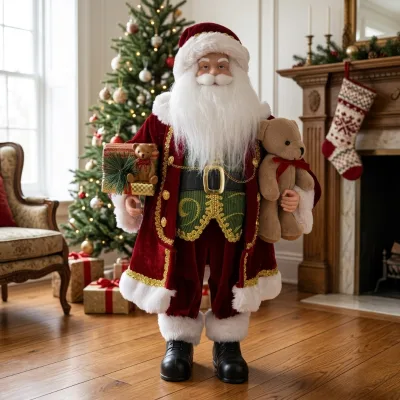
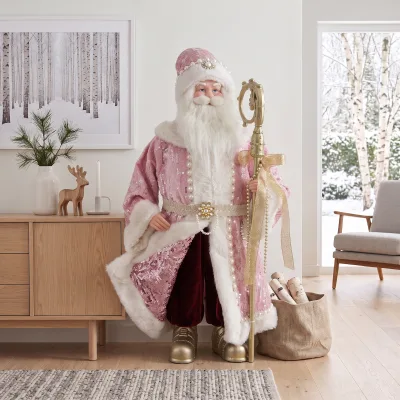
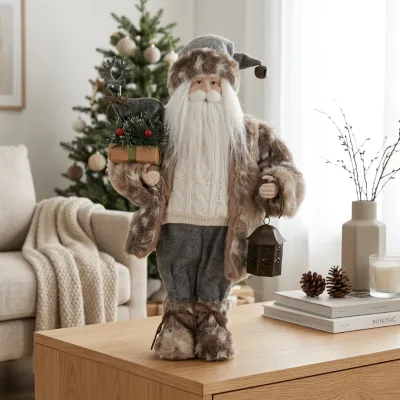
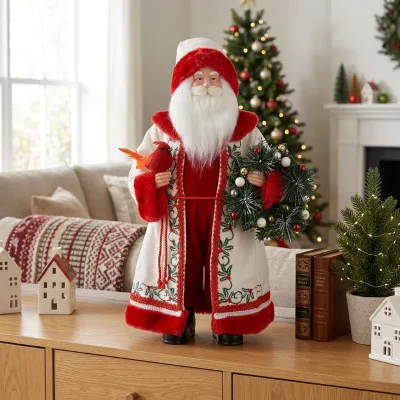
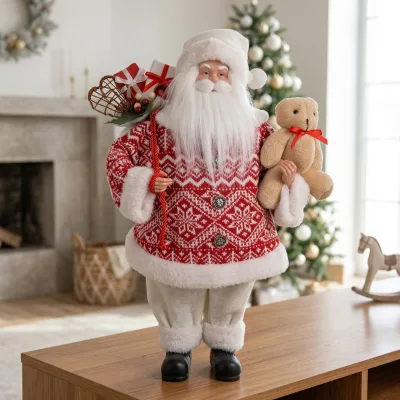
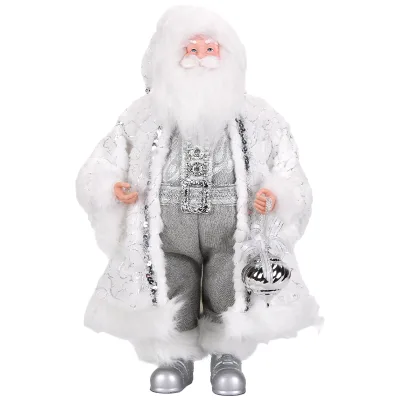
Grey Furry Santa Claus Decor Statues for Xmas Tabletop Noel Festival Gift Premium
$9.65 - $10.13
MOQ: 100

Dongguan Future Decorated Gifts Co., Ltd.
- Verified by TUVRHEINLAND
- Trading Company
- China Guangdong
- Lead time30 days
- Avg. response≤ 1h
Main productsChristmas Tree, Plastic Balls, Artificial Tree, Christmas Wreath, Christmas Garland
Main marketsSoutheast Asia/ Mideast
Xiamen Joinste Arts & Crafts Co., Ltd.
- Trading Company
- Fujian, China
- Lead time45 days
- Avg. response≤ 2h
Main productsCeramic Coffee Mug, Ceramic Cookie Jar, Ceramic Salt and Pepper Shakers, Ceramic Candle Jar, Ceramic Coin Bank
Main marketsNorth America(40.00%), South America(20.00%), Western Europe(10.00%), Eastern Asia(10.00%), Oceania(5.00%), Southern Europe(5.00%), Central America(5.00%), Northern Europe(5.00%)
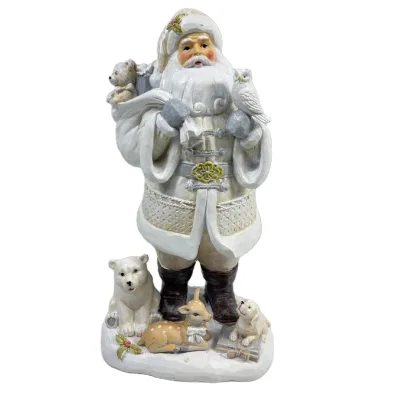
Santa Claus Resin Figurine 12" Christmas Santa with Bird Bear Reindeer and Dog
$6.12
MOQ: 1000 Minimum
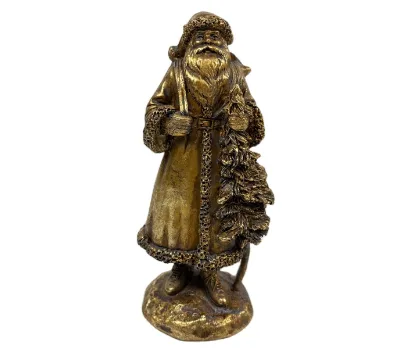

QUANZHOU NEW FANS ARTS & CRAFTS CO., LTD
- Trading Company,Manufacturer/Factory
- China Fujian
- Lead time30 days
- Avg. response≤ 6h
Main productsResin Figurine, Snow Globe, Fridge Magnets, Tourist Souvenirs, Garden Ornaments, Holiday Decorations, Madonna Statue, Bobble Head, Polyresin Statue, Polyresin Flower Pot
Main marketsSouth America,Eastern Europe,Mid East,North America,Southeast Asia,Eastern Asia,Western Europe

Resin Standing Statue Christmas Decoration Santa Claus Statue for Office Desktop Decoration
$1.35 - $5.15
MOQ: 500 Pieces

Resin Glowing Angel Statue Christmas Angel Figurine with Playing Accordion for Holiday Decoration
$0.80 - $2.56
MOQ: 500 Pieces


Resin Santa Claus Statue with a Complete Gift Bag on The Back for Christmas Decoration
$0.86 - $3.25
MOQ: 500 Pieces
- Trading Company
- Fujian, China
- Lead time120 days
- Avg. response≤ 2h
Main productsA wide range of Ceramic/Porcelain/Stoneware items,such as Spring/Valentine/Easter/Summer/Autumn/Halloween/Christmas/Bathroom wares/Tableware/ Home Decor,Etc...
Main marketsEastern Europe(35.00%), Northern Europe(30.00%), Western Europe(20.00%), Southern Europe(10.00%), North America(5.00%)
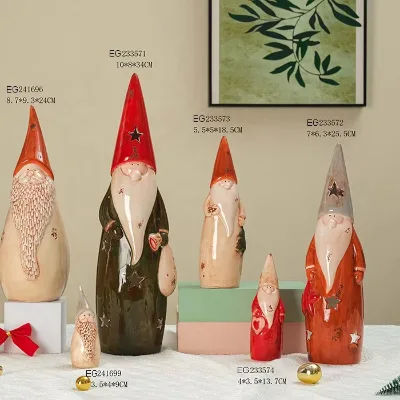
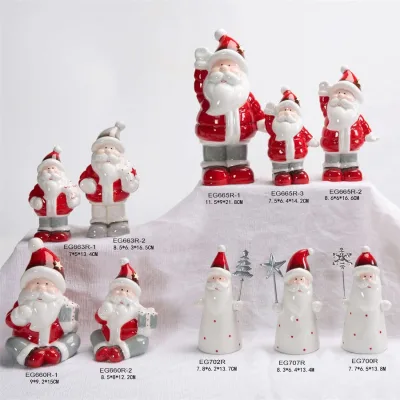
Hot Sale Small Santa Clause Figurine Christmas Ornament & Decoration for Toy Collection
$1.41 - $1.72
MOQ: 800 pieces
Tianjin Hedong District Chenyongchen E-Commerce Studio
- Trading Company
- Tianjin, China
- Lead time7 days
- Avg. response≤ 2h
Main productsSkin cleansing soap,Hair Soap,Pet Soap
Main marketsNorth America(30.00%), South America(20.00%), Northern Europe(20.00%), Domestic Market(20.00%), Africa(10.00%)

Xiamen Silu Technology Co., Ltd.
- Verified by BV
- Manufacturer/Factory
- China Fujian
- Lead time60 days
- Avg. response≤ 8h
Main productsResin Crafts, Snow Globe, Resin Figurine, Resin Flower Pots, Cloth Crafts, Iron Crafts, Fabric Toys, Christmas Gifts, Trophies, Home Furnishings
Main marketsEastern Europe,North America,Southeast Asia,Western Europe
- Verified by SGS Group
- Trading Company
- Lead time3 days
- Avg. response≤ 3h
Main productsEducational Toys; Montessori Teaching AIDS; Household Items; Kids Furniture; Stationery
Main marketsNorth America(25%), Western Europe(20%), Southeast Asia(10%)
Shaanxi Longstar New Material Technology Co., Ltd.
- Manufacturer, Trading Company
- Lead time旺季: "1 - 100":9,"101 - 500":30,"501 - 1000":50,"> 1000":"To be negotiated", 淡季: "1 - 100":9,"101 - 500":30,"501 - 1000":50,"> 1000":"To be negotiated"
- Avg. response≤ 5h
Main productsChristmas Tree, Flocked Christmas Tree, Christmas Wreath, Christmas Garland, Table Christmas Tree
- Trading Company
- Lead time旺季: "1 - 500":15,"501 - 800":15,"801 - 1000":15,"> 1000":"To be negotiated", 淡季: "1 - 500":15,"501 - 800":15,"801 - 1000":15,"> 1000":"To be negotiated"
- Avg. response≤ 9h
Main productsDrinkware, Pet Toys, Makeup Tools, Necklaces
Shandong Best G And G Enterprise Co., Ltd.
- Trading Company
- Shandong, China
- Lead time0 days
- Avg. response≤ 3h
Main productsMusic Box,Kalimba,Pan Drum,Tongue Drum,Garden Tool
Main marketsSouth America(20.00%), Central America(20.00%), North America(20.00%), Eastern Europe(10.00%), Southeast Asia(10.00%), Northern Europe(10.00%), Mid East(5.00%), South Asia(5.00%)

Shenzhen Xinfangzhen Technology Co., Ltd.
- Verified by SGS
- Combined
- China Guangdong
- Lead time15 days
- Avg. response≤ 1h
Main productsStainless Steel Sculpture, Fiberglass Sculpture, Metal Flower Pot, Outdoor Bench
Main marketsDomestic

Create a Fiberglass Colored Reindeer Sculpture Cartoon Santa Claus Holiday Display
$3000.00 - $50000.00
MOQ: 10 Pieces


Customize a Santa Claus Sculpture Made of Fiberglass in The Community Park
$3000.00 - $50000.00
MOQ: 10 Pieces
Fujian Guanya Technology Co., Ltd.
- Trading Company
- Fujian, China
- Lead time34 days
- Avg. response≤ 5h
Main productsGarden, Bobblehead, Snowglobe, Refrigerator Magnet, Christmas Gifts
Main marketsNorth America(70.00%), Oceania(5.00%), Western Europe(5.00%), Southern Europe(5.00%), Eastern Asia(5.00%), Northern Europe(5.00%), Eastern Europe(5.00%)
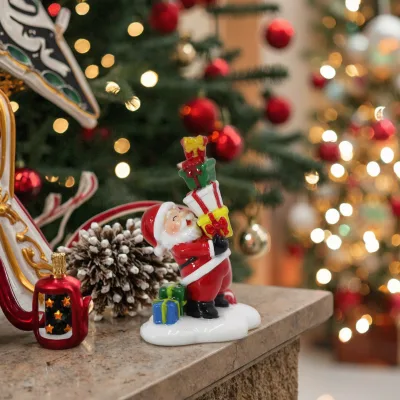

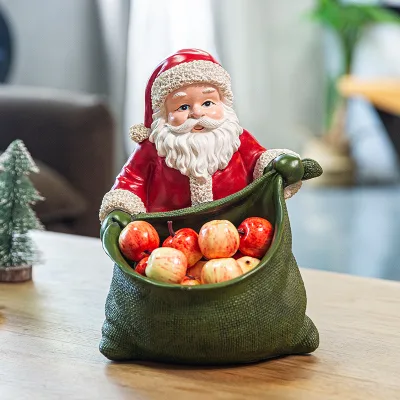
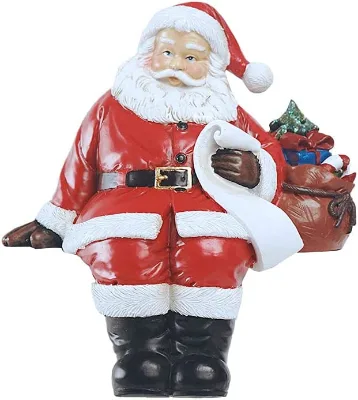
$1.38 - $1.62
MOQ: 300 pieces
- Verified by Intertek
- Manufacturer, Trading Company
- Lead time30 days
- Avg. response≤ 1h
Main productsChristmas Decorations, Decorative Ornaments, Plastic Decorations, Holiday Decorations, Blow Mold Products
Main marketsNorth America(80%), Oceania(10%), Northern Europe(5%)
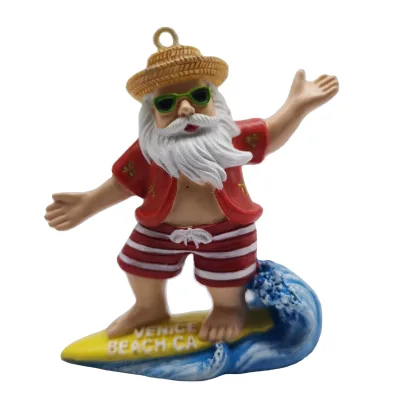


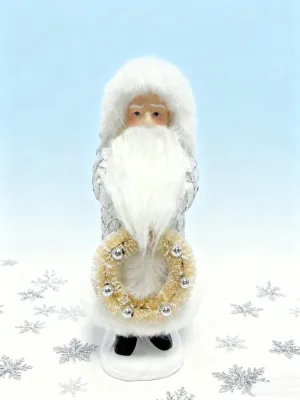
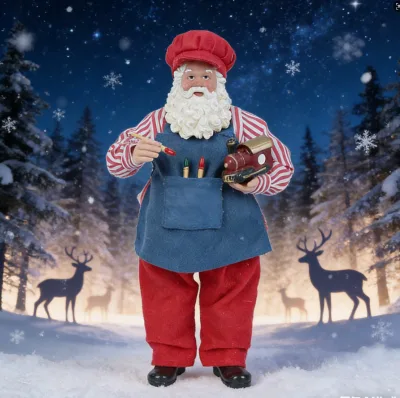
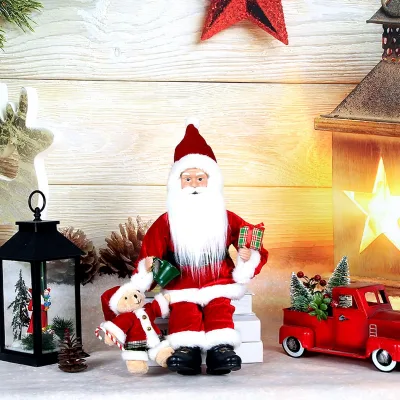
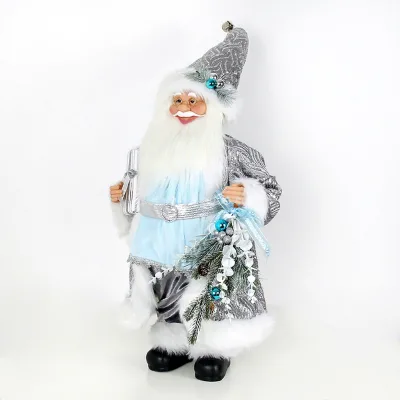
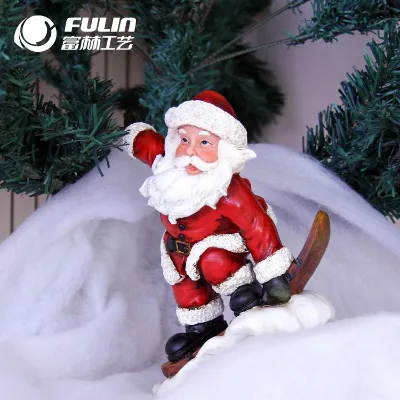
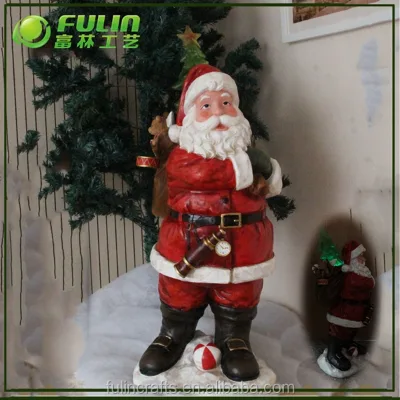


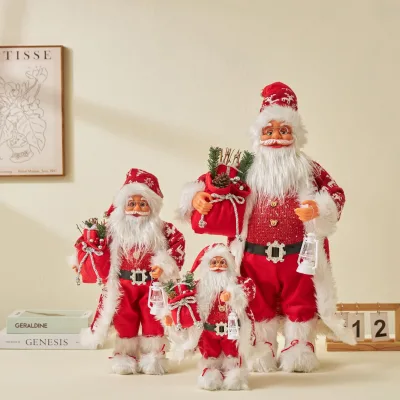
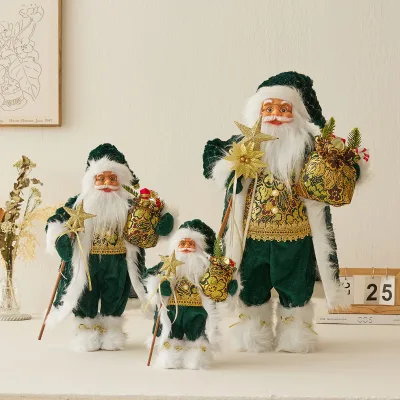


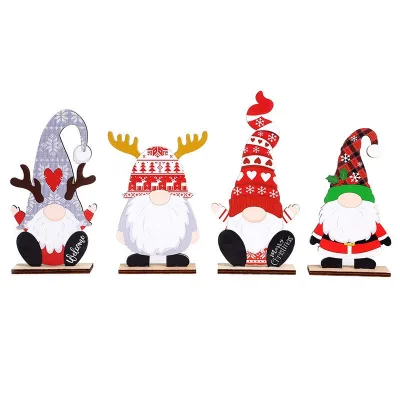
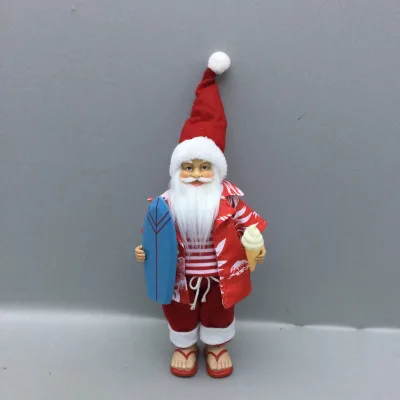
Comprehensive Sourcing Guide
Desktop Indoor Santa Claus Figurine Supplier Concentration and Factory Types
Buyers searching for Desktop Indoor Santa Claus Figurine suppliers will encounter a clear manufacturing concentration in Fujian, China, where the polyresin craft tradition supports both factories and trading companies. Results in this category show manufacturers listing main products such as resin figurines, snow globes, fridge magnets, tourist souvenirs, garden ornaments, and polyresin statues, while trading companies in the same province offer polyresin items, magnesia items, home décor, metal decorations, and pottery. This overlap matters: a supplier whose catalog spans multiple decorative materials may be consolidating output from several workshops, whereas a pure manufacturer of polyresin figurines is more likely to control sculpting, molding, painting, and finishing in-house.
Two structural types appear in current results. Manufacturer/factory suppliers in Fujian describe hand-made processing, OEM and ODM capability, and quality-system certifications at the company level, with some carrying third-party verification status. Trading companies list resin and ceramic Santa pieces with factory-style wholesale claims, so the label alone does not settle who makes the goods. For a desktop Santa figurine — a hand-painted, detail-sensitive item — buyers should ask each candidate whether sculpting, mold making, paint application, and packing happen at their own facility or at subcontracted workshops, and request photos or an audit scope that names the producing site. Where a location is not displayed for a supplier, treat the cluster assumption as unconfirmed and verify origin directly before comparing quotations.
How to Verify Desktop Indoor Santa Claus Figurine Suppliers
Verification for this category should start with the attributes displayed in supplier results and continue with direct, written confirmation. Some suppliers in these results carry third-party verification badges and company-level system certifications such as BSCI, ISO 9000, ISO 9001, and HSE, and one is verified by a CTI-type assessment. Buyers should confirm that any certification referenced in a listing names the legal entity they will actually contract with, since a group certificate may not cover a specific workshop producing the figurines. For hand-made, hand-painted polyresin items, ask which processes the certification audits — social compliance matters, but so does confirmation that the certified site performs the painting and finishing.
Second, verify production reality rather than sales identity. A manufacturer/factory label combined with OEM and ODM capability suggests in-house development, but a trading company in the same region can still deliver reliably if it discloses its producing factories. Request the physical address of the production site, recent photos of polyresin mold-making and paint lines, and a sample before committing. For products where the listing shows a specific origin such as Fujian, China, confirm the same origin on the commercial invoice and shipping documents. Buyers should also check response behavior: some suppliers in these results show average response speeds measured in hours while others take days, and slow responses during sourcing often worsen once production begins. Record what each supplier displays, then treat every unverifiable claim as a question to resolve in writing.
What to Compare Across Desktop Indoor Santa Claus Figurine Suppliers
Build a comparison sheet from dimensions actually shown in supplier results, without assuming every supplier displays every attribute. Lead time is a practical starting point: current listings and company profiles range from roughly 20 days at the supplier level to product-specific production windows of 30-35, 35-45, and 40-50 days, with sampling quoted at 10-15 or 12-15 days. MOQ also varies by item, from 500 pieces or sets on several Santa figurine listings to 1,000 pieces on miniatures, so align each quote with its own stated minimum rather than a single company-wide figure. Response time, whether shown as a score or days, indicates how quickly questions will be resolved during a seasonal, deadline-driven order.
Beyond timing and minimums, compare structure and scope. Manufacturer/factory suppliers in Fujian advertise OEM and ODM service, customization availability, and product attributes such as hand-made processing, painted surfaces, eco-friendly claims, and custom color or size, while trading companies emphasize multi-material catalogs including ceramic versions. Note establishment year only where displayed, and treat missing values as items to request, not as weaknesses. Also compare pack formats — listings show PP bag plus polyfoam plus inner box, sometimes with export carton — because fragile hand-painted desktop figurines live or die on packing. Finally, compare certification coverage, verification status, and main-product fit: a supplier whose core line is resin figurines and holiday decorations is usually a better structural match than one selling figurines among many unrelated categories.
Common Desktop Indoor Santa Claus Figurine Sourcing Risks
The dominant risk in this category is calendar compression. Production windows quoted on current listings run 30-50 days after sample approval, with sampling itself taking 10-15 days; add tooling for custom sculpts, paint-sample iterations, and transit, and a late start can push delivery past the retail season. Hand-painted finishing also creates consistency risk: color variations between production batches, brush marks, and small facial-detail deviations from the approved sample are frequent complaints in polyresin figurines, so buyers should lock a signed golden sample and define acceptable variation in writing before mass production.
Structural risks matter equally. First, manufacturer-versus-trader ambiguity: some trading companies describe themselves as factories, and a listing may show one origin while the goods are produced elsewhere, so verify the producing site. Second, fragile-goods damage: desktop figurines shipped in insufficient inner packing arrive chipped, which is why packing formats such as polyfoam plus inner box plus export carton should be specified per carton with drop-test expectations. Third, scope drift on customization: listings advertise custom colors, sizes, and styles, but without a detailed specification sheet buyers receive interpretation rather than the approved design. Fourth, compliance gaps: safety claims such as eco-friendly material and certificate references like SGS or CE appear at product level, yet buyers must confirm which tests apply to painted polyresin or ceramic goods in their destination market and who pays for them. Finally, sample-versus-mass divergence — a beautifully finished sample made under supervision may not reflect line production — so mid-production inspection should be planned, not improvised.
Desktop Indoor Santa Claus Figurine Regional Sourcing and Logistics
The results on this page point consistently to Fujian, China, as the producing region for desktop Santa Claus figurines, both from manufacturer/factory suppliers and trading companies headquartered there. That concentration matters for logistics planning: suppliers in the same region typically share access to polyresin material supply, hand-painting labor, and export carton packing, and buyers sourcing multiple figurine SKUs from several Fujian suppliers can often consolidate cargo. Province-level origin appears on product attributes such as place of origin, and buyers should carry that same origin through contracts, invoices, and shipping documents to avoid customs mismatches.
For logistics, treat these figurines as fragile decorative goods rather than generic handicrafts. Listings show single gross weights around one kilogram per item for larger desktop statues and small carton dimensions such as 18 by 11 by 26.5 centimeters, while other items pack at 23 by 18 by 38 centimeters — dimensions that determine how many units fit per carton and container. Polyfoam, inner boxes, and export cartons are quoted as standard packing on several listings; confirm carton strength, per-carton quantity, and palletization. Sea freight suits planned seasonal orders given 20-50 day production ranges, while air freight or express should be reserved for samples and urgent top-ups, and sample lead times of 10-15 days make early sampling essential. Buyers should also clarify whether quoted prices include inland transport to the port and which Incoterm applies, since a factory in an interior craft town may add trucking cost to any coastal departure point.
Desktop Indoor Santa Claus Figurine Commercial Terms and Order Planning
Commercial terms in this category vary enough to demand item-level comparison. Listed price ranges on current Santa figurine products span roughly 0.5 to 8 US dollars, with specific items quoted from 0.1 to 2 dollars, 1.35 dollars flat, and up to 4.5 or 5 dollars — reflecting size, height (18 to 30 centimeters on one listing), paint complexity, and material. Always tie a price to its own MOQ, stated as 500 pieces, 500 sets, or 1,000 pieces on different listings, and to its production window of 30-50 days. Because these are seasonal goods, back-calculate the order calendar: sample approval, tooling, mass production, inspection, and ocean transit must all finish before the buyer's inbound cut-off, which typically means placing orders several months ahead of the selling season.
Payment and protection terms deserve explicit negotiation. Confirm whether a supplier supports secure or escrow-style payment through the platform and what deposit-versus-balance split applies, since none of these values can be assumed from a listing. For customization-heavy orders, ask how tooling and sculpting fees are charged, whether they are amortized into unit price at the stated MOQ, and who owns the mold. Put the golden sample reference, packing specification, certificate responsibilities, and production timeline into the contract. Finally, plan reorders: if a figurine sells well, confirm mold retention and reproduction lead times in advance, and note that suppliers showing faster response speeds will be easier partners when a mid-season replenishment becomes necessary.
Word count: approximately 1,390. Sections each fall within the 225-235 word limit.
FAQs
What is the typical MOQ for desktop indoor Santa Claus figurines?
Most suppliers on this page list minimum order quantities between 500 and 1000 pieces per design, with some hanging figurine sets quoted at 500 sets. If you want to test a new retail design, ask suppliers whether mixed-model orders or smaller trial runs are possible. Customized sculpts and paint finishes usually require meeting the full stated MOQ.
How long does production take for Santa Claus figurine orders?
Listed production lead times range from roughly 20 days to 50 days depending on the product and order complexity. Some suppliers state a general lead time of 30 days, while customized miniature lines quote 35 to 45 days and larger painted Santa figures 40 to 50 days. Sample production typically takes 10 to 15 days before bulk approval.
Can I customize the design, size and color of a Santa figurine?
Yes, customization is available across the listed products, with most suppliers offering OEM and ODM services. You can usually adjust size, color, paint finish and packaging, and some listings state dimensions can be fully customized to your specification. Confirm whether customization changes the MOQ, sample lead time and unit price before placing an order.
Where are these Santa Claus figurine suppliers located?
The suppliers featured on this page are located in Fujian, China, a region known for resin and polyresin craft manufacturing. Most operate as factories or trading companies specializing in polyresin items, holiday decorations, souvenirs and home decor. Sourcing from this cluster can simplify consolidating multiple Christmas decoration items into one shipment.
What materials and finishes are used for desktop Santa figurines?
The featured products are primarily hand-made resin or polyresin pieces with painted surface treatments, though at least one listing offers ceramic with a glossy finish. Packaging typically includes a PP bag, polyfoam box and inner box to protect painted details in transit. Ask each supplier for material safety documentation if you sell into regulated markets.
What certifications should I verify before ordering Christmas figurines?
Some suppliers on this page list system certifications including ISO 9001, ISO 9000, BSCI and HSE, and product listings mention certificates such as SGS and CE. These indicate quality management and social compliance, but you should request current, scope-specific certificates directly. For eco-friendly claims and children's product safety, ask for recent test reports covering your destination market's requirements.
How quickly do these suppliers respond to buyer inquiries?
Response times shown on this page vary, with some suppliers averaging under five hours and others taking up to nine hours to reply. Faster responders are generally better for time-sensitive Christmas season ordering, where sample approvals and production adjustments happen on tight schedules. Message several suppliers in parallel and compare actual reply speed before committing to a partner.