Recyclable Craft Paper Cardboard Tube Suppliers and Manufacturers
Find 19 verified suppliers offering recyclable craft paper cardboard tubes with customizable sizes and certifications like ISO and FSC. Compare response times, lead times, and MOQs to source packaging for cosmetics, food, and gifts efficiently; review the available evidence before requesting comparable quotations from suitable candidates.
Suppliers List

Shanghai Woods Packaging Co., Ltd.
- Verified by CTI
- Combined
- China Shanghai
- Lead time15 days
- Avg. response≤ 11h
Main productsGift Box, Paper Box, Carton Box, Pizza Box, Paper Gift Box, Carton Cardboard Box
Main marketsAustralia,North America


Corrugated Paper Eco-Friendly Good Quality Custom Printing Packaging Black Gift Cardboard Kraft Tube
$0.29 - $0.92
MOQ: 500 Pieces

Kang Liyuan Science & Technology (Tianjin) Co., Ltd.
- Verified by BV
- Combined
- China Tianjin
- Lead time15 days
- Avg. response≤ 3h
Main productsElectrical Laminated Wood, Electrical Pressboard, End Ring, Round Rods, Crepe Paper Tube, Oil Duct Strip, Fibre Glass Tube, Crepepaper Rolling Machine, Phenolic Screw and Nuts, Dimond Dotted Paper
Main marketsSoutheast Asia/ Mideast

Ningbo Passen Technology Co., Ltd.
- Verified by BV
- Trading Company
- China Zhejiang
- Lead time30 days
- Avg. response≤ 9h
Main productsWide Mouth Jar, Cosmetic Bottle, Plastic Bottle, Cosmetic Jar, Cosmetic Packaging, Aluminum Bottle, Cream Jar, Plastic Packaging, Aluminum Jar, Lotion Bottle
Main marketsSouth America,Africa,Southeast Asia/ Mideast,East Asia(Japan/ South Korea),Europe,Australia,North America

Custom Recyclable Cosmetics Paper Tube Cardboard Paper Tube for Cosmetic Packaging
$0.20 - $0.50
MOQ: 1000 Pieces

Customized Logo Recyclable Paper Packing Tubes for Tea Cardboard Tube Packaging
$0.20 - $0.50
MOQ: 1000 Pieces

Round Kraft Paper Tube Packaging for Biodegradable Cardboard Paper Tube
$0.20 - $0.50
MOQ: 1000 Pieces


Shanghai Unison Packaging Co., Ltd.
- Verified by CTI
- Combined
- China Shanghai
- Lead time15 days
- Avg. response≤ 7h
Main productsPaper Box, Corrugated Box, Paper Bag, Shipping Box, Food Box, Gift Box, Paper Tube, Fruit Packaging Box, Wine Box, Carton Box
Main marketsEast Asia(Japan/ South Korea),Europe,North America


Custom Recycled Cosmetic Packaging Paper Tube Box Biodegradable Cardboard Paper Tube
$0.19 - $0.96
MOQ: 500 Pieces

Cusomized Printing Logo Luxury Circle Cardboard Tube Box Package Recyclable Kraft Paper Tube
$0.16 - $0.89
MOQ: 500 Pieces


Wuhan Rical Keung Trading Co., Ltd.
- Combined
- China Hubei
- Lead time30 days
- Avg. response≤ 18h
Main productsPaper Tube Packaging, Cosmetic Tube, Paper Gift Tube, Paper Mailing Tube, Biodegradable Lip Balm Tubes, Perfume Paper Tube, Gift Paper Tube, Deodorant Paper Tube Packaging, Tea Paper Tube, Plastic Lids Paper Tube
Main marketsSouth America,Africa,Southeast Asia/ Mideast,East Asia(Japan/ South Korea),Europe,Australia,North America

Recyclable Food Grade Cylinder Packaging Cardboard Paper Tube for Loose Leaf Tea
$0.16 - $0.48
MOQ: 100 Pieces

Eco Friendly Custom Printed Cylinder Paper Tube Packaging Box Kraft Paper Cardboard Tubes
$0.15 - $0.40
MOQ: 100 Pieces


Eco Friendly Round Tubes Recycled Packaging Cardboard Paper Tube Hot Sale Products
$0.15 - $0.45
MOQ: 100 Pieces

Eco Friendly Full Color Printed Paper Tube Cardboard Tea Paper Containers Packaging
$0.20 - $0.45
MOQ: 100 Pieces

Shenzhen First Sail Packaging Design & Production Co., Ltd.
- Verified by TUVRHEINLAND
- Manufacturer/Factory
- China Guangdong
- Lead time30 days
- Avg. response≤ 6h
Main productsPackaging, Packaging Box, Folding Box, Packaging Tube, Paper Tube, Gift Packaging, Wine Packaging, Cosmetic Packaging, Eyeshadow Palette, Eye Shadow
Main marketsEastern Europe,Mid East,North America,Southeast Asia,Eastern Asia,Western Europe

Custom Printed Recyclable Cardboard Cylinder Box Poster Shipping Paper Tube with Handle
$0.12 - $2.99
MOQ: 500 Pieces

$0.10 - $0.40
MOQ: 500 Pieces


Hot Selling Strong Long Cardboard Cylinder Paper Packaging Tube with Window
$0.30 - $5.00
MOQ: 2000 Pieces

100% Biodegradable Hot Paper Cardboard Urn Cremation Ash Scatter Tubes Cylinder Box Tube
$0.12 - $0.99
MOQ: 500 Pieces

Zhangzhou Taki Industry and Trade Co., Ltd
- Verified by BV
- Manufacturer/Factory
- China Fujian
- Lead time23 days
- Avg. response≤ 5h
Main productsPackaging Paper Bag, Packaging Paper Box, Products Box, Fold Boutique Gift Box, Shopping Paper Bag, Fruit Packaging Cartons Box, Kraft Paper Bags Food Bag, Plastic Box Pet PVC Boxes, Paper Sleeves with Brand Design, One-Stop Packaging Supplier
Main marketsSouth America,Eastern Europe,Mid East,North America,Southeast Asia,Eastern Asia,Oceania,Western Europe,Africa


Custom Recyclable Round Cardboard Perfume Bottle Candle Jar Pink Paper Tube
$0.25 - $1.20
MOQ: 500 Pieces

Cardboard Tube Carton Round Kraft Postal Tube Shipping Tubes Paper Cardboard Tubes
$0.25 - $1.20
MOQ: 500 Pieces

Recyclable Custom Kraft Cardboard Cylinder Paper Tube for Cosmetic Spice Tea Coffee
$0.25 - $1.20
MOQ: 500 Pieces


Custom Small Paper Tube Boxes Recyclable Paperboard Cardboard Cylinder Packaging Box
$0.25 - $1.20
MOQ: 500 Pieces
Heshan Chengzhiyuan Paper Products Co., Ltd.
- Verified by SGS Group
- Manufacturer, Trading Company
- Lead time12 days
- Avg. response≤ 3h
Main productsPaper Tube , Paper Box, Paper Bag, Paper Product, Custom Packaging
Main marketsNorth America(35%), Western Europe(20%), Oceania(15%)

Shanghai Forests Packaging Group Co., Ltd.
- Verified by CTI
- Combined
- China Shanghai
- Lead time15 days
- Avg. response≤ 9h
Main productsPaper Gift Box, Carton Cardboard Box, Gift Box, Paper Box, Carton Box, Cardboard Box, Corrugated Box, Packaging Box, Paper Packaging, Paper Carton
Main marketsDomestic,Europe,North America

- Verified by CTI
- Trading Company,Manufacturer/Factory
- China Anhui
- Lead time23 days
- Avg. response≤ 12h
Main productsMetal Tin Box,Metal Box,Metal Can,Aluminum Tin,Candle Tin,Christmas Gift Tin,Candy Tin Box,Coffee Tin,Tea Box,Paper Tube
Main marketsEastern Europe,Mid East,North America,Eastern Asia,Western Europe


Factory Outlet Full-Color Printed Premium Cardboard Gift Paper Tube for Holidays
$0.20 - $1.00
MOQ: 500

Wholesale Recycled Cardboard Paper Packaging Tube for Tea Kraft Mailing Containers
$0.20 - $1.00
MOQ: 500


Hangzhou Quan Shixing Trading Co., Ltd.
- Verified by BV
- Trading Company
- China Zhejiang
- Lead time15 days
- Avg. response≤ 4h
Main productsPrint Packing Service, High-End Gift Box, Cosmetics Packaging, Paper Bag, Perfume Box, Paper Box, Jewellery Packaging, Kraft Paper Box, Custom Printing Labels, Non-Woven Bags
Main marketsSouth America,Southeast Asia/ Mideast,East Asia(Japan/ South Korea),Europe,Australia,North America

Body Tube Biodegradable Cardboard Cylinder Food Paper Tube for Packaging
$0.21 - $0.47
MOQ: 500 Pieces

High Quality Custom Printed Round Kraft Paper Tube Gift Box Packaging Tubes
$0.21 - $0.47
MOQ: 500 Pieces
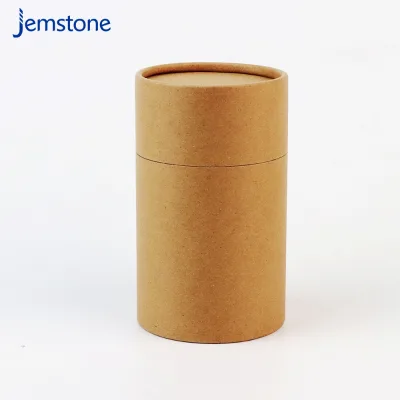
Shenzhen Jemstone Technology Co., Ltd.
- Manufacturer, Trading Company
- Lead time旺季: "1 - 1000":10,"1001 - 3000":15,"3001 - 20000":30,"> 20000":"To be negotiated", 淡季: "1 - 1000":10,"1001 - 3000":15,"3001 - 20000":30,"> 20000":"To be negotiated"
- Avg. response≤ 2h
Main productsPaper Tube, Paper Box
Shijiazhuang Gaoou Trade Co., Ltd.
- Verified by SGS Group
- Trading Company
- Lead time10 days
- Avg. response≤ 2h
Main productsCosmetic Packaging, Customize Glass Bottles, Dropper Bottle, Customize Glass Jar
Main marketsEastern Europe(31%), Southeast Asia(16%), Africa(16%)
Huizhou Doyee Packaging Co., Ltd.
- Trading Company
- Guangdong, China
- Lead time20 days
- Avg. response≤ 11h
Main productspaper tube,paper box,paper bag,plastic bottle,glass bottle
Main marketsWestern Europe(30.00%), North America(30.00%), South America(10.00%), Northern Europe(10.00%), Oceania(10.00%), Mid East(5.00%), Africa(5.00%)

Shenzhen Flying Supply Chain Co., Ltd.
- Verified by SGS
- Trading Company
- China Guangdong
- Lead time15 days
- Avg. response≤ 5h
Main productsPacking Bag, Gift Bag, Folding Bag, Laptop Bag, Carton, Toy Puzzle, Stationery, Label, Hot Melt Paper, 3D Printing Consumables
Main marketsNorth America

Fashion Design Cylinder Box Cardboard Gift Packaging Boxes Cosmetics Food Paper Tube
$0.12 - $0.40
MOQ: 500 Pieces

Powder Food Container Recyclable Craft Paper Tube Packaging Box with Metal Lid/Bottom
$0.12 - $0.40
MOQ: 500 Pieces
- Trading Company
- Hong Kong S.A.R.
- Lead time8 days
- Avg. response≤ 4h
Main productsPackaging box,Gift box,Paper box,Plastic PET box,Stickers
Main marketsNorth America(30.00%), Domestic Market(17.00%), Southeast Asia(10.00%), Western Europe(10.00%), Northern Europe(10.00%), South America(5.00%), Eastern Europe(5.00%), Mid East(5.00%), Southern Europe(5.00%), Africa(1.00%), Oceania(1.00%), Central America(1.00%)

Shanghai Coffe Packing Group Co., Ltd.
- Verified by CTI
- Combined
- China Shanghai
- Lead time15 days
- Avg. response≤ 11h
Main productsPaper Gift Box, Carton Cardboard Box, Gift Box, Paper Box, Carton Box, Cardboard Box, Corrugated Box, Packaging Box, Paper Packaging, Paper Carton
Main marketsDomestic,Europe,Australia,North America

Shenzhen Daohua Industrial Co., Ltd.
- Verified by TUVRHEINLAND
- Manufacturer/Factory
- China Guangdong
- Lead time15 days
- Avg. response≤ 4h
Main productsPackaging Material, Gift Box, Paper Box, Wooden Box, Watch Box, Jewelry Box, Carton, Packing Box
Main marketsEastern Europe,North America,Southeast Asia,Eastern Asia,Oceania,Western Europe

Ningbo Pack Imp. & Exp. Co., Ltd.
- Verified by SGS
- Trading Company,Manufacturer/Factory
- China Zhejiang
- Lead time30 days
- Avg. response≤ 6h
Main productsAluminum Jar, Aluminum Bottle, Tin Box, Glass Dropper Bottle, Glass Tube, Paper Box, Paper Tube, Plastic Pop Top Tube, Plastic Bottle, Silicone Gummy Mold
Main marketsSouth America,Eastern Europe,Mid East,North America,Southeast Asia,Eastern Asia,Oceania,Western Europe,Africa






Comprehensive Sourcing Guide
Recyclable Craft Paper Cardboard Tube Supplier Concentration and Factory Types
Current data indicates a concentration of suppliers in China, specifically within Shanghai, Tianjin, and Zhejiang regions. Fact records show Shanghai-based entities offering combined company types that produce gift boxes, paper tubes, and cardboard packaging alongside other paper products. Tianjin results highlight suppliers specializing in electrical laminated wood and pressboard tubes, suggesting a regional split between general consumer packaging and industrial insulation applications. Zhejiang locations feature trading companies focused on cosmetic and food-grade paper tubes, indicating a cluster for high-finish consumer goods. Buyers should verify if a specific factory type matches their needs, as some entities operate as trading companies while others possess ODM and OEM capabilities for custom branding.
When assessing factory types, look for evidence of combined operations that handle both standard and custom orders. Shanghai suppliers demonstrate capacity for ODM, OEM, and own-brand production, which is critical for buyers needing unique designs. Tianjin facilities show a focus on solid organic insulation materials with specific voltage ratings, distinguishing them from general packaging manufacturers. Zhejiang traders emphasize recyclable materials and cosmetic applications, often serving as intermediaries for specialized tube production. Buyers must confirm whether the supplier is a direct manufacturer or a trading company, as this impacts control over the production process and the ability to customize materials like kraft paper or corrugated board for specific weight and size requirements.
How to Verify Recyclable Craft Paper Cardboard Tube Suppliers
Verification processes should prioritize third-party audit results and specific certification claims found in supplier profiles. Shanghai-based suppliers in the current dataset display CTI verification status, while Tianjin entities show BV verification. These distinct verification bodies provide different levels of assurance regarding factory compliance and operational stability. Buyers must check for these specific badges rather than assuming general trustworthiness. Additionally, product attributes list certifications such as ISO, CE, and FSC for paper tubes, which are essential for food, cosmetic, and export markets. The presence of ISO9001:2015 and ISO14001:2015 certificates in Tianjin results signals adherence to quality and environmental management standards, which is a key differentiator for industrial buyers.
Beyond verification badges, buyers should scrutinize the specific product attributes linked to the supplier's catalog. Evidence shows that some suppliers list FSC certification for recyclable paper tubes, which is a mandatory requirement for many eco-conscious brands. The product data also reveals specific material claims, such as the use of Kraft paper or corrugated materials, which must be verified against the supplier's actual production capabilities. Response times vary significantly, with some suppliers showing a response time of 2.74 hours while others take over ten hours. This metric serves as a proxy for operational efficiency and communication reliability. Buyers should request proof of these certifications and test reports directly, as the presence of a keyword in a profile does not guarantee current validity without supporting documentation.
What to Compare Across Recyclable Craft Paper Cardboard Tube Suppliers
Comparative analysis must focus on quantifiable metrics like lead time, minimum order quantity, and response speed to determine operational fit. Shanghai suppliers exhibit a lead time of 15 days, whereas Zhejiang trading companies show a lead time of 30 days. This difference is critical for inventory planning and rush order fulfillment. Minimum order quantities also vary, with some listings requiring 1000 units while others accept orders as low as 500 units. Buyers should map these constraints against their projected volume to avoid overstocking or incurring unnecessary costs. Response times further differentiate suppliers, with some entities responding in under three hours and others taking nearly eleven hours, directly impacting the speed of negotiation and sample approval.
Price and customization capabilities form another vital comparison layer. Current data indicates price ranges from 0.20 to 0.92 per unit, depending on the specific product configuration and material thickness. Some suppliers offer competitive pricing for standard sizes, while others charge premiums for custom printing or specialized shapes like square or round tubes. Customization availability is explicitly listed as "Available" across multiple profiles, but the extent of this service varies. One supplier accepts custom orders with specific printing handling like embossing or lamination, while another focuses on standard biodegradable tubes. Buyers must compare the scope of these services, including logo printing, color options, and surface treatments, to ensure the supplier can meet the exact aesthetic and functional requirements of the final product.
Common Recyclable Craft Paper Cardboard Tube Sourcing Risks
One significant risk involves the discrepancy between claimed material properties and actual product performance. While many profiles list "recyclable" or "biodegradable" features, the specific paper type, such as Kraft or corrugated board, determines the actual environmental impact and structural integrity. Some listings mention "Recycled Materials" as a feature, but without third-party testing data, this claim remains unverified. Buyers face the risk of receiving tubes that do not meet specific weight or strength requirements, such as the >1.5 Kg weight capacity noted in some attributes versus the 10kg capability in others. This variance can lead to product damage during shipping or failure to protect contents like cosmetics or food items.
Another risk stems from inconsistent lead times and production capacity claims. While some suppliers state a delivery time of 12-15 working days, others list 30 days, creating uncertainty for supply chain planning. The supply ability of 20,000,000 pieces per month is a high-volume claim that requires validation to ensure the factory can handle large orders without delays. Additionally, payment terms vary, with some suppliers accepting L/C, T/T, or PayPal, while others may have stricter requirements. Buyers must verify these terms to avoid financial exposure. The lack of standardized pricing across different regions and product types also poses a risk, as a low unit price might hide additional costs for accessories like ribbons, handles, or specific surface treatments that are essential for the final packaging solution.
Recyclable Craft Paper Cardboard Tube Regional Sourcing and Logistics
Regional sourcing strategies should align with the specific application of the tube, as location data reveals distinct industrial specializations. Shanghai suppliers appear to dominate the general packaging sector, offering a wide range of gift boxes and paper tubes suitable for cosmetics and jewelry. Tianjin-based facilities focus heavily on electrical insulation tubes with high voltage ratings, making them unsuitable for general consumer goods but ideal for industrial applications. Zhejiang locations are noted for trading companies specializing in cosmetic and food-grade packaging, suggesting a strong logistics network for high-finish consumer products. Buyers should match their product requirements to these regional strengths to optimize quality and reduce shipping complexity.
Logistics planning must account for the specific origin points listed in the product attributes, such as Shanghai, Tianjin, or Zhejiang. These locations dictate the shipping routes and potential transit times to international destinations. For instance, sourcing from Shanghai offers access to major ports, potentially reducing freight costs for global shipments. However, buyers must verify the actual packing methods, as some suppliers use standard carton packing while others utilize pallets for heavy industrial tubes. The choice of origin also influences the availability of specific certifications like FSC or ISO, which may be more prevalent in certain regions. Buyers should confirm the packing details and origin claims to ensure the logistics chain supports the product's journey from factory to final destination without damage or regulatory issues.
Recyclable Craft Paper Cardboard Tube Commercial Terms and Order Planning
Commercial terms require careful review of payment methods and deposit requirements to manage cash flow effectively. Current data shows suppliers accepting L/C, T/T, and PayPal, offering flexibility for different buyer sizes. However, the requirement for a deposit before production begins is a standard condition that impacts initial capital outlay. Buyers should negotiate clear terms regarding the timing of the deposit and the final payment release. Additionally, the minimum order quantity of 500 to 1000 units sets a baseline for order planning. Smaller buyers may need to consolidate orders or find suppliers with lower MOQs to avoid excessive inventory costs. Understanding these financial constraints is essential for maintaining a healthy supply chain.
Order planning must also integrate the specific delivery timelines and customization lead times. With lead times ranging from 15 to 30 days, buyers need to schedule production well in advance to avoid stockouts. The availability of customization services, such as offset printing or embossing, adds time to the production cycle and must be factored into the overall timeline. Buyers should verify the exact delivery time, which is often calculated from the receipt of the deposit, to ensure accurate forecasting. Furthermore, the supply ability of 20 million pieces per month suggests that large orders can be fulfilled, but buyers must confirm this capacity during the planning phase. Clear communication regarding these terms ensures that the order proceeds smoothly from initial inquiry to final delivery.
FAQs
What certifications do the recyclable paper tubes hold?
Many available options carry ISO, CE, and FSC certifications to ensure quality and environmental standards. Some specific listings also mention ISO9001 and ISO14001 for manufacturing processes. Buyers should verify the exact certification documents provided by the supplier before placing large orders.
What is the typical lead time for these cardboard tubes?
Lead times generally range from 12 to 30 working days after deposit receipt. Specific suppliers in Shanghai may offer faster delivery around 15 days, while others in Zhejiang might require up to 30 days. Always confirm the exact timeline with the manufacturer based on order volume.
What is the minimum order quantity for custom paper tubes?
Minimum order quantities vary significantly between suppliers, typically starting at 500 or 1000 pieces. Some listings indicate a minimum of 500 units, while others require 1000 units for custom printing. Buyers must check the specific MOQ listed for their chosen product model.
Are these tubes suitable for food and cosmetic packaging?
Yes, many products are explicitly designed for food, cosmetics, and health care applications. Materials include kraft paper and corrugated options that are recyclable and safe for direct contact. Ensure the supplier confirms food-grade compliance if the tube will hold edible items.
Can suppliers provide OEM and ODM services for branding?
Most suppliers offer both OEM and ODM services to accommodate custom branding needs. Customization options include offset printing, embossing, and various surface treatments like lamination. Buyers can request specific designs, logos, and sizes to match their unique packaging requirements effectively.
What is the price range for these recyclable paper tubes?
Prices typically range from 0.20 to 0.92 USD per unit depending on size and customization. Specific listings show prices as low as 0.20 USD or around 0.85 USD for standard models. Final costs depend heavily on the order quantity and specific material requirements selected.
Where are the manufacturers of these tubes located?
Manufacturers are primarily located in major industrial hubs like Shanghai, Tianjin, and Zhejiang in China. These regions offer diverse capabilities ranging from gift packaging to electrical insulation tubes. Buyers can filter results by these specific locations to find nearby or specialized suppliers.